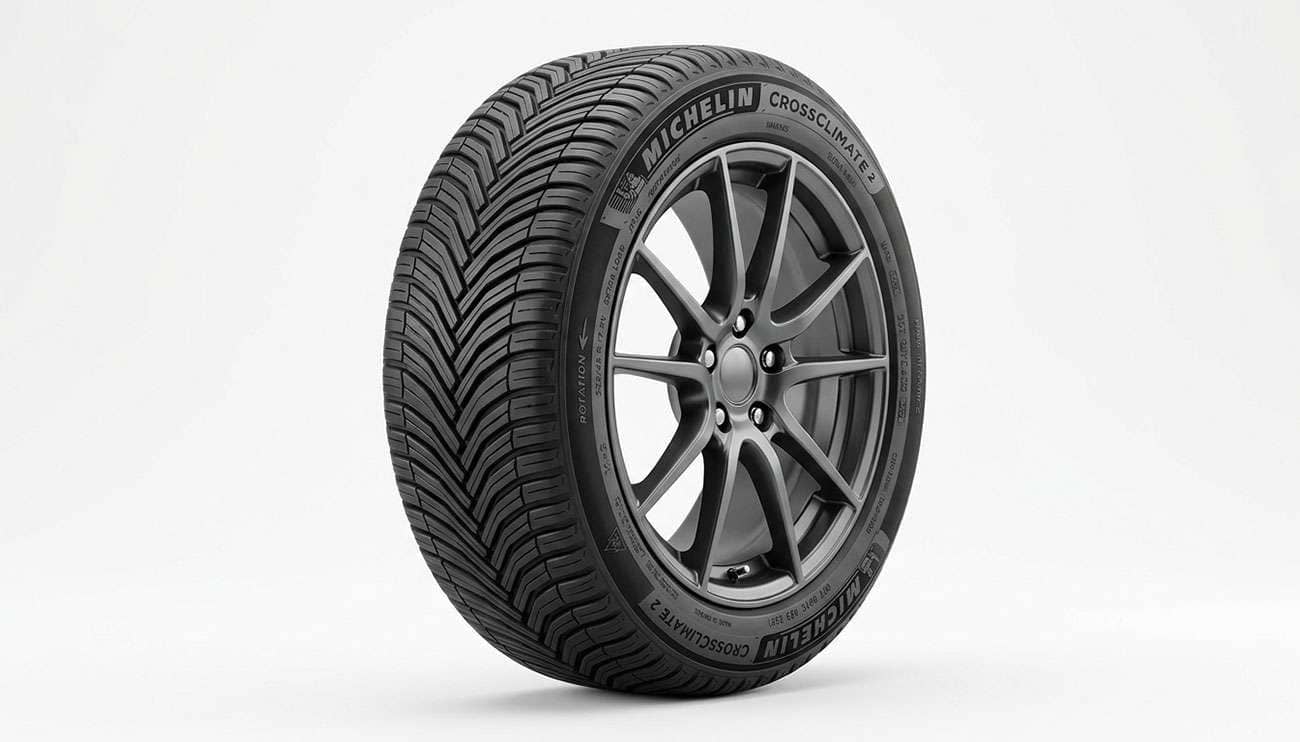
I've been around tires since before some of you were born, and I can tell you the squeal is one of the most misunderstood sounds a car makes. Folks hear that high-pitched chirp pulling out of a parking spot and figure their car's falling apart. Other folks hear it for six months and ignore it right up until the tires are bald. The truth sits in the middle. Sometimes a squeal is nothing. Sometimes it's your tires telling you they need air, an alignment, or a trip to the boneyard. The trick is knowing how to listen.
So let's do this the way I'd do it if you rolled into the shop and said, "Hank, my tires are squealing." I'd ask you a few questions, walk around the car, and figure out whether you've got a problem or just a noisy parking garage. Here's that whole conversation, written down.
A tire is happiest when it's rolling. It's a round piece of rubber gripping the road and turning your engine's effort into forward motion. When everything's right, it rolls quiet. A squeal happens when the rubber stops rolling cleanly and starts scrubbing sideways across the pavement instead. That scrubbing is the tread fighting for grip it can't quite get, and the vibration of rubber skipping over the road surface is the screech you hear.
Think of dragging a sneaker across a gym floor. That same squeak, just a whole lot louder and spinning at 600 RPM. Every cause of tire squeal traces back to that one idea: the tire is being asked to grip harder than it can, so it slides a little and complains about it. Your job is to figure out why it's losing grip. Low air? Worn tread? Crooked alignment? A surface so slick the tire can't bite no matter what? Each one squeals for the same physical reason but needs a different fix.
Here's the good news right up front: a brief squeal during a hard turn or a quick launch is usually just physics doing its thing. It's the constant, easy-to-trigger squealing during gentle, everyday driving that you want to pay attention to.
This is the question every other article skips, and it's the first one I'd ask. A lot of "squealing tire" complaints turn out to be brakes, a belt, or worn suspension. Sorting that out in thirty seconds saves you from chasing the wrong problem. Here's how I tell them apart:
If the noise happens when you press the brake pedal and stops when you let off, that's almost certainly your brakes, not your tires. Brake pads have a little metal wear tab built in that squeals on purpose to tell you the pads are getting thin. It's a high, steady screech tied directly to the pedal. Tires don't care whether you're braking unless you're braking hard enough to slide.
If the noise comes only when you turn the steering wheel hard, even sitting still or rolling slow, and it sounds more like a groan or whine than a chirp, suspect the power steering belt or pump rather than the tires. A glazed or loose serpentine belt loves to squeal under steering load.
If the noise tracks with your road speed and your tires, gets worse in corners, shows up on acceleration, and quiets down on smooth fresh asphalt, now you're talking about the tires. That's a scrubbing, slipping squeal that rises and falls with how hard the tread is working. If you've also got a hum or roar mixed in, that's a related but separate story, and our guide on what causes tire noise digs into the droning sounds specifically.
Quick gut check: brakes squeal on the pedal, belts squeal on the steering wheel, tires squeal on the grip. Keep that straight and you're halfway to the answer.
When a tire squeals matters as much as the fact that it does. I've trained more than one young tech to listen for the when before grabbing a wrench. Here's my cheat sheet for reading the situation.
When You Hear It |
What It Usually Means |
How Worried to Be |
|---|---|---|
Slow turns in a parking garage or on painted lines |
Smooth, sealed concrete plus tight turns. Totally normal scrubbing. |
Not at all. Even a brand-new car does this. |
Gentle turns at normal speed on regular roads |
Low tire pressure or worn tread losing grip too easily. |
Check it soon. This one's on you to chase down. |
Constant squeal in a straight line, even slow |
Bad alignment or worn suspension dragging the tire sideways. |
Get it looked at. It's eating your tires. |
Chirp on hard acceleration from a stop |
Tire briefly breaking traction. Normal, unless it takes almost no throttle. |
Low concern, unless the tread's worn thin. |
Screech under hard braking |
Tires sliding near their limit, or brakes locking before ABS catches. |
Check tread depth and brakes both. |
Notice the pattern. The harmless squeals come from slick surfaces and hard inputs. The squeals that point to a real problem are the ones that show up during easy, everyday driving, because that means the tire is losing grip it should easily have.
Once you've ruled out brakes and slick parking lots, the squeal almost always comes down to one of four things. I'll put them roughly in the order I run into them at the shop.
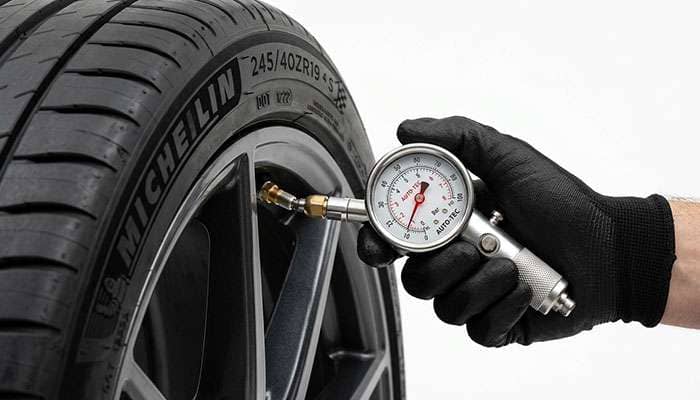
1. Low tire pressure. This is the number one culprit, hands down. An underinflated tire goes soft and flat across the bottom, and the sidewall flexes way more than it should. Instead of the tread biting the road in a clean patch, it rolls under and scrubs at the edges. That scrubbing squeals, especially in turns. It also wears your tires out faster and kills your gas mileage. Half the squealing complaints I see get cured with a tire gauge and three minutes at the air pump. If you're not sure what your numbers should be, check the sticker in the driver's door jamb, not the big number on the sidewall, and our walkthrough on how to find your recommended tire pressure spells it out. While you're at it, give proper tire pressure a read so you understand why it matters as much as it does.
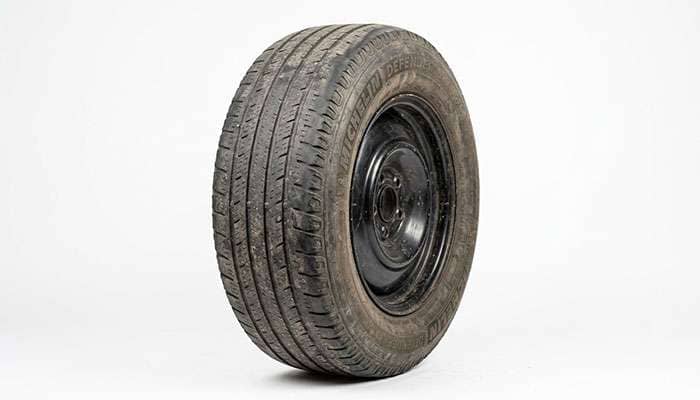
2. Worn or low tread. Tread is what gives a tire its grip. As it wears down, there's less rubber biting the road and the tire slides more easily, which means it squeals more easily. Bald tires squeal in turns that wouldn't bother a fresh set at all. The penny test is your friend here: stick a penny in the groove with Lincoln's head down, and if you can see the top of his head, you're at or below 2/32 of an inch and it's time. Our guide on how to check tire tread shows the method, and the right tread depth to replace tires tells you exactly when to pull the trigger. Worn tires don't just squeal, they stop worse and hydroplane easier, so this is a safety thing, not a noise thing.
3. Bad alignment or worn suspension. When your wheels aren't pointed exactly where they should be, the tires get dragged across the road a hair sideways every single mile. That drag squeals, and worse, it grinds the tread down in funny patterns. If your car squeals in a straight line, pulls to one side, or you're seeing the inside or outside edge of a tire wearing faster than the rest, alignment is high on the suspect list. Hitting a good pothole or curb can knock things out, and so can a tired tie rod or ball joint. Learning to read tire wear patterns will tell you a lot, and our deep dive on what those patterns reveal about hidden car problems connects the dots. If it turns out you need the work done, here's roughly what a wheel alignment costs these days.
4. Cheap rubber. I don't say this to sell you the expensive stuff. I say it because it's true. Bargain-basement tires often use a harder tread compound that doesn't grip as well, so they squeal on turns and acceleration that wouldn't make a quality tire say a word. New tires can also squeal for the first hundred miles or so as the mold-release coating wears off the surface, and that's normal and harmless. But a tire that keeps squealing past break-in and isn't low on air is sometimes just a tire that was built down to a price. If you're weighing the cost, our honest look at whether it's worth it to buy cheap tires walks through 20,000 miles of real testing.
Now for the part I actually enjoy. If you drive an old car like I do, the squealing rules bend a little, and I get this question from the classic crowd all the time.
Old muscle cars and hot rods came with tires that were narrow by today's standards. A '68 Camaro rolling on skinny bias-ply rubber is going to chirp and squeal under power in a way that would make a modern crossover owner panic, and that's just the breed. Those tires have less contact patch and a softer carcass, so they break loose easier. Half the soundtrack of a Saturday cruise night is skinny tires barking off the line. That's not a problem to fix, that's character.
Bias-ply tires in particular flex more than radials and squeal more readily in corners. If you've put modern radials under your classic, you'll notice it grips harder and stays quieter, which is one of the big reasons folks make the switch. If you're deciding which way to go, our breakdown of radial versus bias-ply tires for classic cars lays out the trade-offs.
One real warning for the old-car folks, though: a vintage tire that's been sitting for years gets hard and loses grip as the rubber ages, and it'll squeal because it's literally turned to plastic. That's not character, that's a tire that's no longer safe, regardless of how much tread is left. Date code, not tread depth, is what matters on rubber that old.
You don't need a lift and a lifetime in the trade to narrow this down. Here's the routine I'd hand a customer who wants to do their own legwork before bringing it in.
Start with the easy stuff. Pull out a tire gauge and check all four tires cold, meaning before you've driven on them. Compare against the door-jamb sticker. If any tire's low, air it up, then drive and see if the squeal's gone. You'd be amazed how often that's the whole story.
Next, look at the tread. Walk around the car and eyeball each tire. Is the tread low? Is one tire wearing on just the inside or outside edge? Is the wear uneven or scalloped? Run your hand across the tread, gently, and feel whether it's smooth or saw-toothed. Uneven wear points you straight at alignment or suspension. If you see a wavy, dipped pattern, that's cupping, and our guide on what causes tire cupping explains what's behind it.
Then do the brake-and-belt test from earlier. Roll slowly through an empty lot and turn the wheel hard both ways without touching the brakes. Belt or steering squeal will show up here. Then drive a straight line and brake gently, then firmly, listening for whether the noise is tied to the pedal.
Finally, pay attention to where it squeals. Smooth new asphalt should be near silent. If your tires squeal even there during easy driving, you've got a real cause to chase, and it's time for a shop to put it on the rack and check alignment and suspension.
Here's the part everybody actually wants: what'll it take to make it stop. The fix depends entirely on what's causing it, which is why the diagnosis above matters so much.
If it's air pressure, the fix is free at most air pumps or a few bucks at a paid one. Get in the habit of checking monthly, because tires lose about a pound of pressure a month just sitting there, and more in cold weather. This is the cheapest fix in all of car ownership.
If it's alignment, you're typically looking at a modest service charge, and it pays for itself by saving the tires from getting chewed up. Don't skip it just because the car still drives fine. A car that needs alignment is quietly shaving miles off your tread every day. If you're putting on new tires anyway, it's worth knowing whether you need an alignment with new tires, and usually the answer is yes.
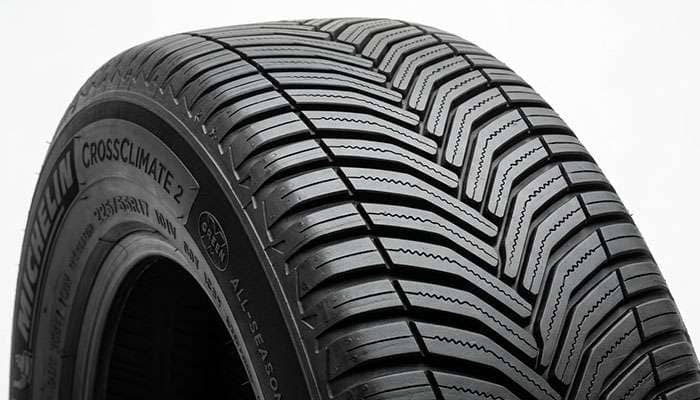
If it's worn tread or cheap rubber, the fix is a fresh set, and this is where you can actually upgrade your way out of the noise. When you replace squealers, you want a tire built for quiet grip, not the cheapest thing on the rack. A few that earn their keep, all of which we stock: the Michelin Defender 2 and Primacy Tour A/S for long-wearing, hushed comfort; the Bridgestone Turanza QuietTrack, which has noise reduction right there in the name; the Continental TrueContact Tour for a great balance of grip and mileage; the Goodyear Assurance MaxLife for sheer longevity; and the Pirelli Cinturato P7 All Season Plus 2 if you want a sportier feel that stays quiet. If quiet is your top priority, our roundup of the quietest, smoothest tires we've road tested ranks the field, and for a broader shortlist see our 12 best all-season tires for 2026.
Whatever you put on, keep them rotated so they wear evenly and stay quiet. Our guide on how often to rotate tires gives you the schedule, and how to rotate tires shows the pattern. A rotated tire is a quiet tire.
Most squealing is annoying, not dangerous. But a few situations mean you should stop driving and get help, because the squeal is the least of your worries.
If the squeal showed up suddenly along with the car pulling hard to one side, a vibration in the wheel, or a thumping, you may have a tire coming apart or a serious suspension failure. If you smell hot rubber or burning, especially with the noise, pull over safely and look, because a dragging brake or a tire scrubbing under a bent fender can build real heat. And if a tire is so worn you can see fabric or steel cords through the tread, that tire can fail at any moment and needs replacing before you drive on it again. Worn-out tires that squeal aren't just loud, they've lost the grip that keeps you on the road in the rain, and our piece on when car tires should be replaced covers the warning signs you can't ignore.
When in doubt, get it checked. A squeal that turns out to be nothing costs you ten minutes. A squeal you ignored that turns out to be something can cost you a lot more.
So why are your tires squealing? Nine times out of ten it's one of three things: they need air, they need an alignment, or they're worn out and need replacing. The fourth possibility is that it's not your tires at all but your brakes or a belt, which is why I always sort that out first. And sometimes, if you're easing through a smooth parking garage or barking a skinny tire off the line in an old hot rod, it's just physics having a little fun and nothing to fix.
The squeal is information. Once you know how to read it, you'll know whether to reach for a tire gauge, book an alignment, or come see us for a fresh set. Listen to your tires, and they'll tell you what they need.
A brief squeal during a sharp turn, especially on smooth sealed concrete or painted lines in a parking garage, is completely normal and happens even with brand-new tires. What's not normal is a tire that squeals during gentle turns at normal speed on regular roads, which usually points to low tire pressure, worn tread, or a bad alignment.
If the noise happens when you press the brake pedal and stops when you let off, it's almost certainly your brakes, often the wear-indicator tab telling you the pads are thin. If the noise rises with road speed, gets worse in corners, and quiets down on smooth fresh asphalt, it's your tires. A squeal that only shows up when you turn the wheel hard, even while stopped, usually points to the power steering belt instead.
Yes, and it's the most common cause. An underinflated tire flexes too much and rolls under at the edges, so the tread scrubs the road instead of gripping it cleanly, which produces the squeal, especially in turns. Checking and correcting tire pressure cold against your door-jamb sticker fixes a large share of squealing complaints for free.
They do. As tread wears down there's less rubber biting the road, so the tire slides and squeals during turns and acceleration that wouldn't bother a fresh set. Worn tires also stop worse and hydroplane more easily, so persistent squealing combined with low tread depth is a signal to replace them for safety, not just to quiet the noise.
New tires often squeal lightly for the first hundred miles or so as the mold-release coating from manufacturing wears off the tread surface, and that's harmless. If new tires keep squealing well past break-in and your pressure is correct, it may be a harder budget tread compound, or it may be an underlying alignment issue that was there before the new tires went on.