
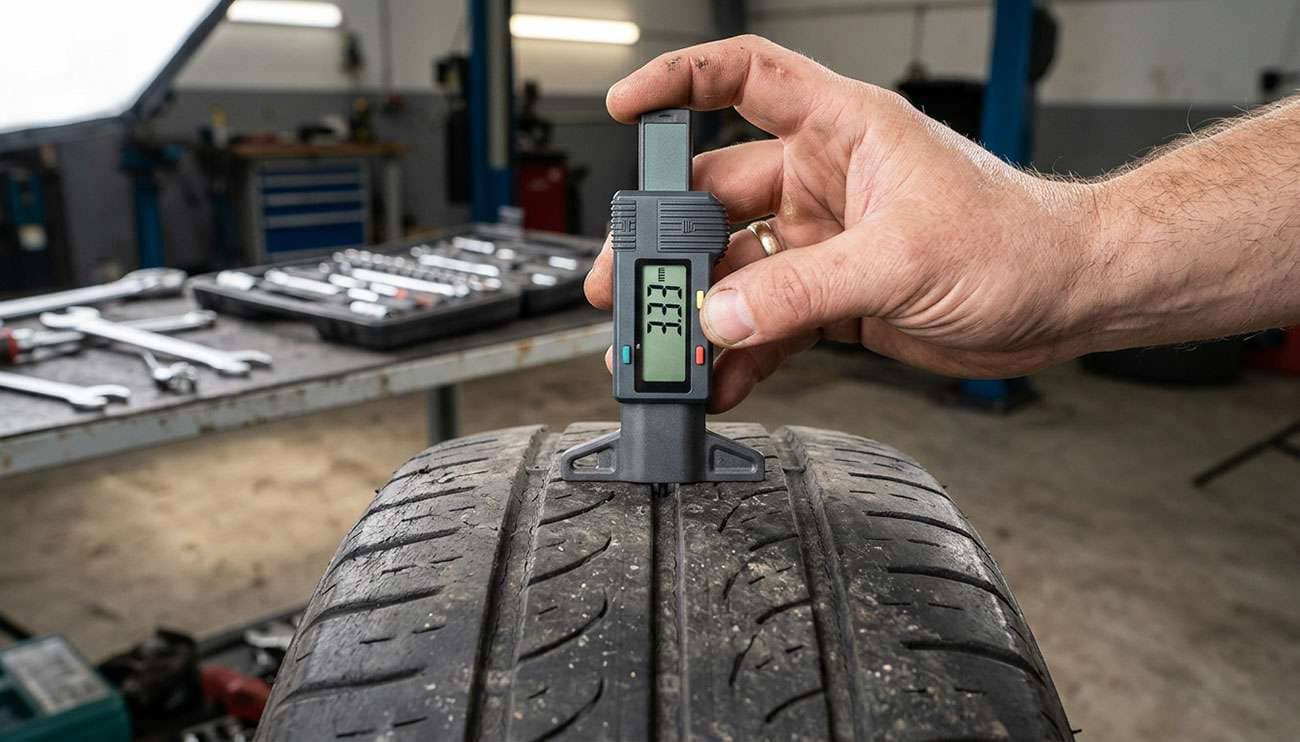
Your tires tell a story about your vehicle's health that most drivers never learn to read. Every wear pattern, uneven surface, and irregular tread depth serves as a diagnostic tool, revealing hidden mechanical issues before they become expensive repairs or dangerous road failures.
At Performance Plus Tire, we help drivers understand these warning signs. Our experienced technicians see the same patterns repeatedly - center wear from overinflation, edge wear from low pressure, and shoulder wear from alignment problems. These patterns don't lie, and catching them early can save you hundreds of dollars in premature tire replacement.
Most vehicle owners replace tires when they're worn out, missing the valuable information those worn treads provide about suspension problems, alignment issues, and improper inflation. Understanding tire wear patterns puts you ahead of costly repairs and keeps your vehicle performing safely.
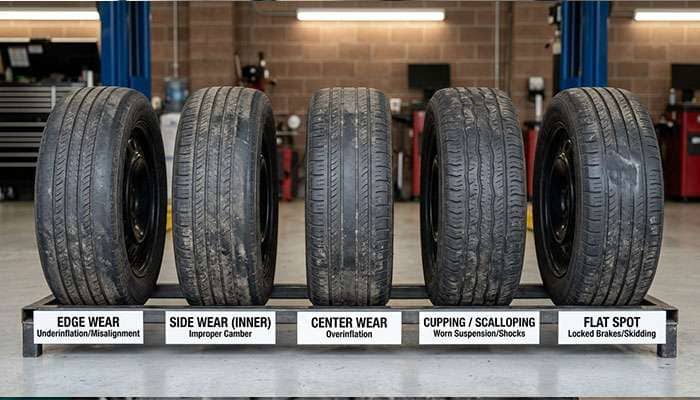
Different wear patterns tell specific stories about your vehicle's condition. Each type of irregular wear points to particular mechanical issues that need attention.
Center Wear occurs when tire pressure runs too high, causing the middle portion of the tread to contact the road more than the edges. This creates faster wear down the center line of the tire. Overinflated tires reduce the contact patch with the road, affecting handling and braking performance.
Edge Wear develops when tires operate at low pressure, forcing the outer edges to carry more weight and wear faster than the center. This pattern appears on both shoulders of the tire and often accompanies reduced fuel efficiency.
Shoulder Wear affects just one edge of the tire, either inner or outer. This uneven pattern indicates alignment problems, with the vehicle pulling to one side and wearing specific areas of the tread. Front tires typically show this wear more prominently.
Cupping or Scalloping creates a wavy, up-and-down wear pattern around the tire's circumference. This distinctive pattern signals worn suspension components like shocks, struts, or ball joints that can no longer control tire contact with the road surface.
Flat Spots appear as smooth, worn areas on otherwise normal tread. Hard braking, locked wheels, or leaving a vehicle parked for extended periods can create these spots, especially on vehicles without anti-lock braking systems.
Identifying these patterns early prevents minor issues from becoming major repairs. Regular tire inspections help you spot these warning signs before they compromise safety or require complete tire replacement.
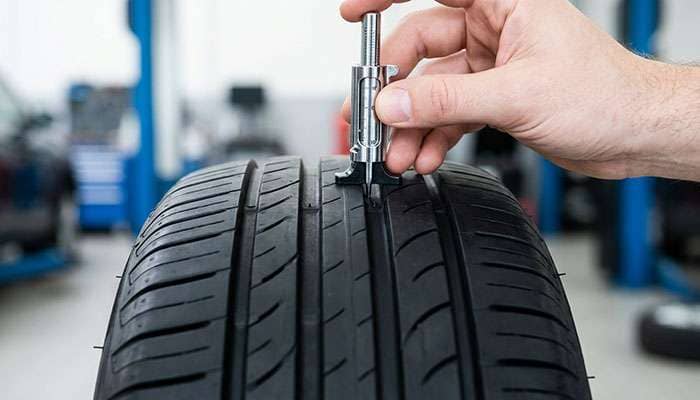
Reading tire wear patterns requires a systematic approach that reveals what's happening with your vehicle. Start by examining each tire when they're cold, before driving, as heat can mask certain wear indicators.
Check the tread depth across the entire tire surface using a penny or tread depth gauge. Place the tool at multiple points - inner edge, center, and outer edge - to identify uneven wear patterns. Normal tires show consistent depth measurements across the tread surface.
Look for specific wear indicators that signal different problems. Center wear appears as excessive tread loss down the middle of the tire, while edge wear shows up as faster wearing on the outer shoulders. Cupping creates a wavy, scalloped appearance that you can both see and feel when running your hand across the tread.
Examine the sidewalls for bulges, cracks, or uneven wear that might indicate internal damage or improper mounting. These visual clues often appear before tread wear becomes obvious, giving you early warning of potential failures.
Document what you find by noting which tires show specific patterns. This information helps professional technicians diagnose underlying issues more quickly and accurately, saving you time and ensuring the right repairs get made.
When it comes to diagnosing vehicle problems, tire wear patterns serve as one of the most reliable indicators of underlying mechanical issues. Each type of wear connects directly to specific problems in your vehicle's systems, creating a diagnostic roadmap that experienced technicians use daily.
Center wear indicates overinflation issues that go beyond just tire pressure. This pattern reveals that your tires are carrying too much air pressure, causing the middle of the tread to bear excessive contact with the road. The result is premature center tread loss and reduced tire lifespan. We see this pattern frequently on vehicles where drivers check tire pressure infrequently or use inaccurate gauges.
Edge wear signals underinflation problems that affect multiple vehicle systems. When tire pressure drops below manufacturer specifications, the outer edges bear more weight than designed. This pattern not only reduces tire life but also indicates increased rolling resistance, which negatively impacts fuel economy and puts extra strain on your vehicle's engine and transmission.
Uneven shoulder wear reveals alignment problems that affect vehicle handling and safety. Inner shoulder wear typically indicates negative camber issues, while outer shoulder wear points to positive camber problems. Both patterns suggest your vehicle's suspension geometry needs professional adjustment. Left uncorrected, alignment problems cause rapid tire wear and can make your vehicle difficult to control, especially during emergency maneuvers.
Cupping or scalloping patterns point to suspension component failure. These wavy wear patterns across the tire surface indicate worn shock absorbers, struts, or other suspension components that no longer control tire contact with the road effectively. This type of wear pattern often develops gradually, making it easy to miss until the problem becomes severe.
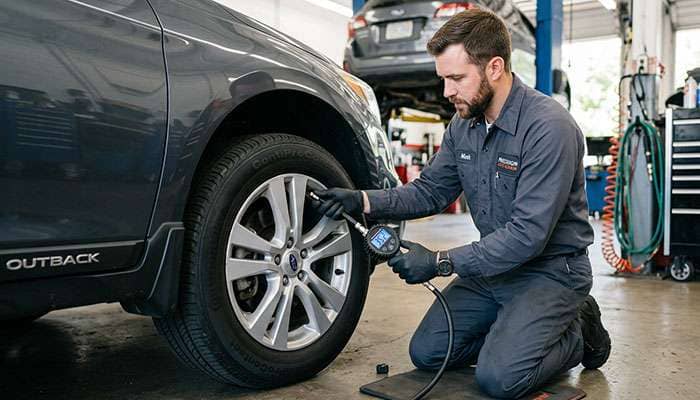
Prevention beats replacement when it comes to tire wear issues. Most tire problems start small and become expensive quickly, but catching them early gives you control over the situation and your budget.
Check tire pressure monthly. Underinflation causes 90% of edge wear problems, while overinflation creates center wear that shortens tire life by thousands of miles. Use a quality tire gauge and inflate to the pressure listed on your vehicle's door jamb, not the maximum pressure printed on the tire sidewall.
Schedule alignment checks annually. If you notice uneven shoulder wear or your vehicle pulls to one side, alignment problems are likely the cause. Professional alignment service costs significantly less than replacing a full set of tires prematurely.
Inspect suspension components regularly. Cupping and scalloped wear patterns indicate worn shocks, struts, or bushings. These components affect vehicle safety and tire longevity, making prompt replacement essential for both performance and cost control.
Rotate tires every 5,000 to 7,500 miles. Regular rotation distributes wear evenly across all four tires, extending their life and maintaining consistent traction. Most tire rotations take less than 30 minutes and can be done during oil changes.
When tire wear patterns indicate mechanical problems, address the root cause before installing new tires. Installing new tires on a vehicle with alignment or suspension issues wastes money and creates safety risks. Our technicians can diagnose the underlying problems and recommend repairs that protect your tire investment.
Your tires are diagnostic tools that reveal hidden mechanical problems through specific wear patterns, helping you catch issues before they become costly repairs.
• Center wear indicates overinflation - Check tire pressure monthly and adjust to manufacturer specifications to prevent premature center tread loss.
• Edge wear signals underinflation - Low tire pressure causes outer edges to wear faster, reducing fuel efficiency and tire lifespan significantly.
• Uneven shoulder wear reveals alignment problems - Inner or outer shoulder wear patterns indicate your vehicle needs professional wheel alignment service.
• Cupping or scalloping points to suspension failure - Wavy wear patterns suggest worn shocks, struts, or other suspension components requiring immediate attention.
• Regular tire rotation extends tire life - Rotate tires every 5,000-7,500 miles to ensure even wear distribution and maximize your investment.
Catching these warning signs early through monthly tire inspections can save you hundreds of dollars in premature tire replacement and prevent dangerous blowouts on the road.



