
Classic car owners face one of the most important decisions when it comes to their cherished vehicles - choosing between bias ply and radial tires. This choice affects everything from authenticity to safety, and we understand the challenge you're facing. While all American-built cars switched to radial tires by the early 1980s, the decision isn't automatically clear for vintage vehicle enthusiasts.
Radial tires changed the game completely when they arrived. They delivered better highway handling, reduced rolling resistance, and improved fuel economy alongside enhanced overall performance. Before this revolution, bias ply tires dominated the automotive landscape, serving as the standard choice for most automobiles until manufacturers made the significant shift during the 1970s.
The performance gap between these tire types is substantial. Radial tires consistently outlast their bias-ply counterparts, while bias ply tires typically deliver between 40,000 and 60,000 miles depending on driving conditions. For classic cars that see regular road time, radials generally provide the superior choice. However, bias-ply tires continue to serve specific purposes despite their limitations - they don't maintain perfect roundness, experience faster wear, and create more road noise.
We know this decision involves much more than simple performance numbers. You're balancing historical accuracy with modern drivability for a vehicle that represents your passion and investment. Our comprehensive guide breaks down the construction differences, performance characteristics, and ideal applications for each tire type. Whether you're building a concours-quality restoration or planning weekend cruises, we'll help you select the perfect tires for your classic car needs.
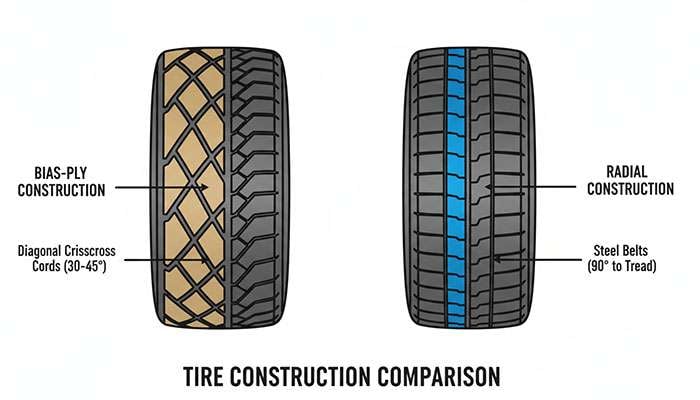
The construction method separates bias ply tires from radials more than any other factor. These internal construction methods determine how your classic car handles, rides, and performs on the road. Understanding these structural differences helps you choose the right tire type for your specific driving needs.
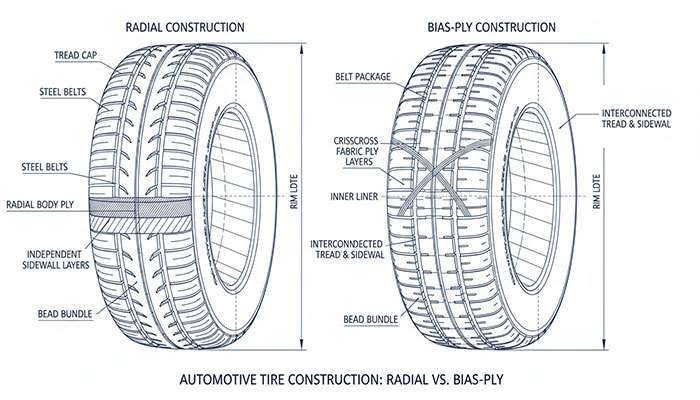
Radial tires use steel belts positioned at a 90-degree angle from the tread center. This perpendicular design creates a strong foundation extending from bead to bead without the crisscross pattern found in bias-ply designs. Bias-ply tires feature multiple rubber-coated fabric plies that overlap at 30-45 degree angles to the tread centerline. These diagonal layers form the distinctive crisscross pattern throughout the tire structure.
This represents more than just different manufacturing approaches. Bias-ply construction reflects tire design concepts from over 100 years ago, while radial construction embodies modern tire engineering principles. The steel belt system in radials provides superior strength and stability compared to the fabric ply system used in bias-ply tires.
The most significant difference involves how these construction methods affect tire performance. Radial tires feature sidewall and tread sections that function independently. The sidewall flexes freely while the tread surface remains stable. This design keeps the entire footprint in contact with the road surface, creating better traction across various driving conditions.
Bias-ply tires use an interdependent design where tread and sidewalls connect because all plies maintain consistent angles. This creates thicker, stiffer sidewalls that handle heavier loads and reduce trailer sway. However, this interconnected structure provides uneven tread support, resulting in irregular contact patterns that distribute pressure unevenly across the tire surface.
Construction methods create distinctly different road profiles. Radial tires maintain wider, shorter footprints with consistent ground contact. This expanded contact area increases stability and provides better cushioning over rough surfaces. The steel belt construction maintains a flatter footprint by keeping the casing rigid under pressure.
Bias-ply tires show longer, narrower footprints with less consistent ground contact. Their rigid design limits conforming to uneven road surfaces. Bias-ply tires typically appear more rounded at the shoulders with distinctive sidewall styling that classic car enthusiasts value for period-correct appearance.
These construction differences explain why radial and bias-ply tires deliver such different performance characteristics on classic vehicles. Everything from ride quality to handling behavior stems from these fundamental structural variations.
Take your classic car for a drive and the performance differences between radial and bias tires become crystal clear. These construction differences create distinct handling characteristics that affect every aspect of your driving experience.
Radial tires deliver superior cornering performance because their flexible sidewalls work independently from the tread surface, maintaining consistent road contact throughout turns. This independence creates better traction and grip, especially when pushing your classic through aggressive cornering maneuvers.
Bias ply tires tell a different story. They lose traction in corners as the tire rolls over onto the sidewall. The overlapping plies create a more rigid unit that flexes as one piece, causing both tread and sidewalls to distort under cornering loads. This interconnected design doesn't conform to the road surface as effectively, resulting in less predictable handling that requires more driver attention.
Highway driving reveals the most dramatic differences between these tire types. Radial tires maintain straight-line stability far better than bias-ply designs. Their steel belt construction keeps the tread flat against the road surface, providing predictable steering response and consistent tracking.
Bias ply tires tend to "wander" at highway speeds, creating a less stable driving experience. The rigid sidewalls transfer every road imperfection directly through the steering wheel. This characteristic made early bias-ply equipped vehicles feel less secure during highway cruising, requiring constant steering corrections to maintain a straight path.
Heat generation separates these tire types significantly during extended highway use. Radial tires generate less heat because their independent sidewall design allows more efficient flexing. This cooler operation extends tire life and maintains better performance consistency over long distances.
Bias ply tires create more internal friction during operation. All the interconnected plies flex together, generating substantial heat buildup during highway speeds. Driving at sustained speeds creates enough heat to raise tire pressure noticeably, potentially affecting handling characteristics and accelerating tread wear.
Radial tires excel in wet conditions because their wider, flatter contact patches maintain better grip on slippery surfaces. The flexible sidewalls help the tread conform to the road, pushing water away more effectively through modern tread patterns.
Bias ply tires provide less predictable wet-weather performance. Their narrower contact patches and rigid construction create challenges for water evacuation. The rounded tread profile doesn't conform to wet pavement as well, increasing hydroplaning risk during heavy rain.
Bias-ply tires demonstrate clear advantages for load-carrying applications. Their stiffer sidewalls naturally support heavier weights without excessive flexing. This characteristic makes them excellent choices for classic trucks or cars that occasionally tow trailers, especially at lower speeds.
Radial tires generally feature lower load ratings than comparable bias-ply sizes. While modern radials handle normal vehicle loads perfectly, their flexible sidewall design doesn't support extreme weights as naturally. However, high-load-range radial options exist for applications requiring both heavy carrying capacity and improved highway performance.
Selecting the right tire type for your classic car depends on several factors beyond simple performance metrics. Your choice must balance authenticity, drivability, and how you actually use your vehicle. Let's explore the key considerations that should guide your decision.
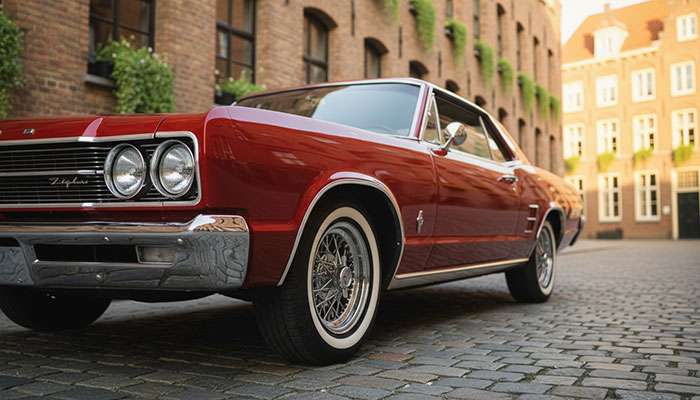
Period correctness matters differently depending on your goals for the vehicle. Concours-level show cars demand historically accurate bias-ply tires to maintain authenticity judges expect. These events specifically evaluate whether your vehicle matches original specifications, and incorrect tire types cost valuable points.
Daily drivers and weekend cruisers benefit dramatically from radial tires. Modern radials provide safety advantages that matter more than absolute historical accuracy when you're navigating today's traffic conditions. The improved handling, better heat management, and superior longevity make radials the practical choice for cars seeing regular road use.
Modern tire manufacturers solved the authenticity-versus-performance dilemma through innovative bias-look radials. These tires feature period-correct styling on the outside while utilizing radial construction internally. You get vintage appearance without sacrificing contemporary performance benefits.
Bias-look radials maintain the authentic sidewall styling, raised white lettering, and overall appearance of original bias-ply tires. Meanwhile, the internal radial structure delivers modern handling characteristics, improved fuel economy, and significantly longer tread life. This combination represents the ideal solution for most classic car owners who drive their vehicles regularly while maintaining period-appropriate aesthetics.
Consider how often you drive your classic when selecting tires. Cars seeing infrequent use for occasional shows or local cruise nights can successfully run bias-ply tires without experiencing their performance limitations. Limited driving minimizes exposure to heat buildup, highway wandering, and accelerated wear.
Regular drivers need radial tire advantages. If you're covering hundreds or thousands of miles annually, putting your classic through various driving conditions, or using it for extended road trips, radials deliver the safety and performance required for confident driving. The improved stability, better wet-weather grip, and enhanced heat management become essential rather than optional.
Certain classic car applications benefit specifically from bias-ply construction. Drag racing remains one area where traditional bias-ply tires excel. Their stiffer sidewalls resist the massive torque loads during hard launches, and they "wrinkle" predictably under power. Many drag racers prefer the consistent, proven performance of bias-ply slicks despite newer radial racing tire options.
Off-road enthusiasts often choose bias-ply tires for vintage trucks and SUVs. The robust sidewall construction better handles rocks, roots, and rough terrain. At lower speeds typical of off-road driving, the performance disadvantages of bias-ply construction matter less than their damage resistance and load-carrying capability.
One rule applies universally: never mix radial and bias-ply tires on the same vehicle. These fundamentally different construction methods create incompatible handling characteristics. A classic running radials on front and bias-ply tires on rear (or vice versa) becomes dangerously unstable.
Each tire type responds differently to steering inputs, braking forces, and road conditions. Mixing them creates unpredictable handling that can lead to loss of control, especially during emergency maneuvers. If you're switching tire types, replace all four (or all six if running duals) simultaneously.
Initial cost differences between radial and bias-ply tires seem significant, with radials typically commanding higher prices. However, the total cost calculation tells a different story. Radial tires lasting 2-7 times longer than bias-ply alternatives often prove more economical over your vehicle's lifetime.
Factor fuel economy into your calculations. Radial tires' lower rolling resistance improves fuel efficiency noticeably over bias-ply designs. Combined with dramatically extended tread life, radials frequently represent better long-term value despite higher upfront investment.
Looking for period-correct tires with modern safety and performance? Our classic tire selection at Performance Plus Tire offers options that maintain vintage aesthetics without sacrificing contemporary engineering benefits. We carry the best selection of classic tires at competitive prices, helping you find the perfect balance between authenticity and drivability for your vintage vehicle.
When choosing between radial and bias-ply tires for your classic car, this comparison chart helps you evaluate the key differences at a glance. Each characteristic directly impacts your driving experience and vehicle performance.
| Feature | Radial Tires | Bias-Ply Tires |
|---|---|---|
| Construction | Steel belts at 90-degree angle from center | Multiple rubber-coated fabric plies at 30-45 degree angles |
| Sidewall Design | Independent from tread | Interconnected with tread |
| Footprint | Wider, shorter with consistent ground contact | Longer, narrower with less consistent ground contact |
| Heat Generation | Lower heat generation | Higher heat generation |
| Cornering Performance | Superior grip and traction | Tends to lose traction in corners |
| Highway Stability | More stable and predictable | Less stable, tends to "wander" |
| Lifespan | 2-7 times longer than bias-ply | 40,000-60,000 miles average |
| Fuel Efficiency | Better fuel economy, less rolling resistance | Higher fuel consumption |
| Load Capacity | Lower load capacity | Excellent load handling |
| Cost | Higher initial cost | Lower initial cost |
| Best Used For | Daily driving, highway use, regular classic car use | Show cars, concours restorations, drag racing, off-road use |
| Historical Period | Post-1970s | Pre-1970s |
Your choice between radial and bias-ply tires comes down to how you plan to use your classic car. For regular driving, radials deliver longer lifespan, better fuel economy, superior handling, and enhanced safety. Bias-ply tires remain the correct choice for concours-level restorations and show cars where historical accuracy matters most.
Classic car enthusiasts often struggle with this decision: authentic period correctness versus modern drivability. Modern tire technology has created excellent solutions to this dilemma. Bias-look radials offer the perfect compromise - period-correct appearance with contemporary performance benefits. These options let you enjoy your classic without choosing between historical accuracy and modern safety standards.
Daily drivers and highway cruisers benefit most from radial tires due to superior heat management, cornering stability, and significantly longer tread life. Drag racing and off-road applications may still benefit from traditional bias-ply construction with robust sidewalls and specialized traction characteristics.
We recommend exploring the extensive selection of period-correct options at Performance Plus Tire's classic tire collection, where you'll find everything from authentic bias-ply designs to modern radials with vintage styling.
Both tire types have their place in classic car culture today. Your right choice depends on your priorities - authentic driving experience or modern convenience, show-quality appearance or everyday usability. Understanding these fundamental differences ensures you'll select the best tires for your cherished classic car.
Understanding the fundamental differences between radial and bias-ply tires helps classic car owners make informed decisions that balance authenticity with performance and safety needs.
• Radial tires offer superior performance for daily driving with 2-7 times longer lifespan, better fuel economy, and enhanced safety through improved heat management and cornering stability.
• Bias-ply tires remain essential for authentic restorations of pre-1970s classics, providing period-correct appearance and excellent load capacity for show cars and concours events.
• Never mix radial and bias-ply tires on the same vehicle as their fundamentally different handling characteristics create dangerous instability that can lead to accidents.
• Bias-look radials provide the perfect compromise by combining vintage esthetics with modern radial construction, offering classic appearance without sacrificing contemporary safety and performance benefits.
• Choose based on your intended use: radials for highway driving and regular use, bias-ply for authenticity and specialized applications like drag racing or off-road driving.
The tire choice ultimately depends on whether you prioritize historical accuracy or modern drivability, though innovative bias-look radials now allow classic car enthusiasts to enjoy both vintage esthetics and contemporary performance in a single solution.
Radial tires have steel belts running at 90-degree angles, providing better handling, fuel efficiency, and longevity. Bias-ply tires have crisscrossing fabric layers, offering a more authentic vintage look and feel but with less stability and shorter lifespan.
Choose bias-ply tires for concours-level restorations, show cars, or when maintaining complete historical accuracy is crucial. They're also preferred for certain drag racing and off-road applications due to their robust sidewalls and specialized traction characteristics.
Yes, bias-look radials offer a great compromise. They feature vintage bias-ply styling on the outside while utilizing modern radial construction internally, providing classic esthetics without sacrificing contemporary safety and performance benefits.
Radial tires typically last 2-7 times longer than bias-ply tires and offer better fuel economy, making them more cost-effective in the long run despite a higher initial cost. Bias-ply tires generally have a lower upfront cost but require more frequent replacement.
It's strongly advised against mixing radial and bias-ply tires on the same vehicle. The fundamentally different handling characteristics between these tire types can create dangerous instability, potentially leading to accidents. Always use either all radial or all bias-ply tires.