
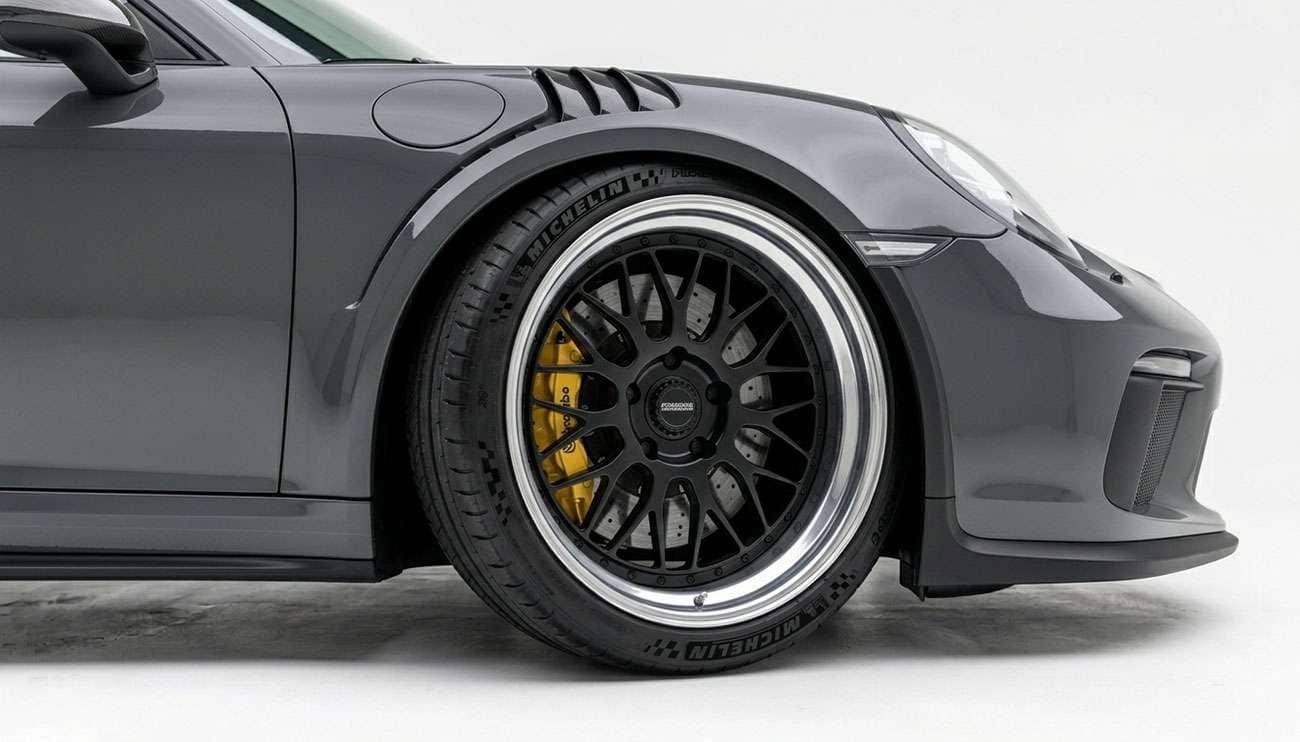
Ask the internet what deep dish rims are for and you'll get the same answer ten different ways: "aggressive look," "wider stance," "better traction." Most of it is marketing copy that never explains the mechanism. So let's do this the way I'd do it on a fitment sheet — separate what the dish actually does from what it just looks like it does, and put real numbers behind it.
The short version: a deep dish rim's job is to push the wheel face inward so the barrel and outer lip can grow. That extra barrel space is what enables the genuinely functional benefits — wider tires, big-brake clearance, and stronger multi-piece construction. The aggressive stance everyone talks about is real too, but it's a styling outcome, not an engineering one. Knowing which is which is the difference between buying a wheel that performs and buying a wheel that just photographs well.
A deep dish wheel is one where the mounting face — the flat surface that bolts to the hub — sits well back from the outer edge of the rim, leaving a long visible barrel and a pronounced lip between the spokes and the tire bead. Every wheel has some dish; on a deep dish design, that distance is a deliberate, measurable dimension rather than an afterthought.
The lip is the part you can see hanging past the spokes. The barrel is the cylindrical section behind it that the tire actually seats against. The deeper the face sits, the more barrel and lip you get on the outboard side. If you want the full anatomy breakdown — face, barrel, lip depth, and where the look came from — our companion guide on what deep dish wheels are covers it in detail. This article is about the part that matters once you understand the shape: what all that extra barrel is good for.
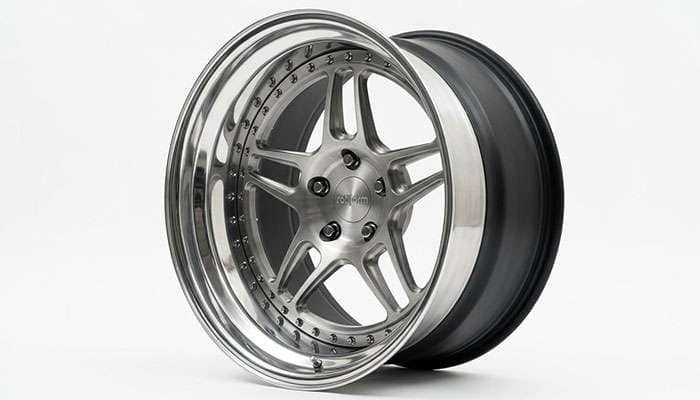
There are four functional reasons a deep dish profile earns its place on a build, plus one honest cosmetic reason. Here's each one with the actual engineering attached.
1. Fitting a wider tire at a given track width. A wider barrel lets you mount a wider tire without pushing the wheel face further outboard. More tire width means a larger contact patch, and a larger contact patch is what improves mechanical grip — not the lip itself. This is the single most misunderstood point in every "deep dish improves traction" article: the dish doesn't grip anything. It just creates room for the tire that does. If you're matching tire and rim widths properly, our breakdown of tire size for wheel width shows the safe ranges.
2. Brake and caliper clearance. Pulling the spoke face inward opens up barrel space on the inboard side. That's room a big-brake kit needs to clear a larger rotor and a multi-piston caliper. A flat-face wheel with a generous front lip can sometimes hide a surprisingly tight inner barrel; a properly designed deep dish wheel gives you measurable caliper clearance. If you're planning a brake upgrade, check the geometry first — our big-brake-kit wheel clearance guide walks through the measurements that actually matter.
3. Strength and repairability through multi-piece construction. Deep dish wheels are frequently built as two- or three-piece assemblies: a forged center bolted to a spun or rolled barrel. That construction lets a builder dial in any lip depth by swapping the outer barrel, and it makes curb damage repairable — you replace a barrel section instead of scrapping the whole wheel. The strength here comes from the forged center and the barrel material, not from the dish shape on its own. Our guide to three-piece wheel width and offset explains how the pieces come together.
4. Stance and staggered fitment. A low or negative offset deep dish wheel pushes the lip outward toward the fender, widening the visual and mechanical track. On a rear-drive performance car, running a wider, deeper wheel in back than in front — a staggered setup — puts more rubber under the drive axle. The wider track can genuinely help stability; the lip on its own is cosmetic.
5. The look — and there's nothing wrong with that. The most common honest reason to run deep dish is that it transforms a car's appearance more dramatically than almost any other bolt-on. The exaggerated lip catches light and creates depth that a flat-face wheel can't. That's a perfectly valid reason to buy one. The problem only starts when a seller dresses up the cosmetic appeal as a performance gain.
This is the part the competition skips, and it's the part that determines whether a deep dish wheel actually fits your car. Dish depth isn't a standalone spec — it's a direct consequence of offset and backspacing.
Offset (stamped as "ET" in millimeters) is the distance from the wheel's mounting face to its centerline. A high positive offset puts the face near the outer edge — flat look, almost no dish. As offset drops toward zero and then negative, the face moves inboard and the dish grows. Backspacing is the same idea measured in inches from the inner rim edge to the face; drag racers have used it for decades. Take a 17x9 wheel: at high positive offset it's nearly flush, while at a low or negative offset the same 17x9 shows a deep, pronounced lip.
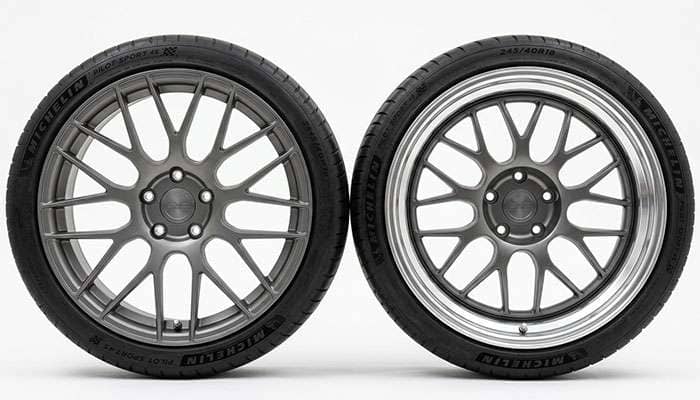
Here's why that matters in practice: every millimeter you drop in offset to gain dish also pushes the tire closer to the fender. Go too far and you get rubbing, fender contact under suspension travel, or a tire that pokes past the bodywork. The dish you want has to live inside the clearance your car actually has. Before you fall in love with a lip depth, figure out your safe window — our guide on how much you can change offset gives you the boundaries. Get this wrong and the deepest, prettiest dish on the shelf becomes a wheel that won't turn lock to lock.
Deep dish shines on builds where stance and presence are part of the goal: muscle cars, lowered street cars, restomods, show trucks, and rear-drive performance cars running a staggered 20x8.5 / 20x10 setup. On those cars the wider barrel, the staggered rubber, and the aggressive look all pull in the same direction.
It makes less sense on a daily driver where you care about ride quality, cleaning time, and curb survival. The biggest honest tradeoff is weight. A deeper lip means more material out at the rim's edge, which adds rotational and unsprung mass — and unsprung weight is the kind that hurts ride and response the most. If you've never thought about why that matters, our piece on whether unsprung weight matters is worth a read before you commit.
The other realities: that exposed lip sits right where curbs live, so curb rash is far more likely than on a flush wheel. The deep barrel collects brake dust and is genuinely harder to clean. And a low-offset deep dish often needs supporting parts — spacers, longer studs, or fender work — to fit at all. None of these are dealbreakers; they're just the bill that comes with the look. Here's the claim-versus-reality scorecard I keep coming back to:
Common Claim |
The Engineering Reality |
Real or Cosmetic? |
|---|---|---|
"Deep dish improves traction" |
The lip adds no grip. The wider tire the barrel lets you fit grows the contact patch, which improves grip. |
Indirect |
"Deep dish improves cornering and stability" |
A wider track from low offset can help stability. The dish shape itself contributes nothing. |
Partly real |
"Deep dish makes the wheel stronger" |
True for forged multi-piece barrels. A one-piece cast wheel with a cosmetic lip is not inherently stronger. |
Depends on construction |
"Deep dish clears bigger brakes" |
The recessed face opens inboard barrel space for larger rotors and multi-piston calipers. |
Real |
"Deep dish looks aggressive" |
Correct — and it's the honest primary reason most buyers choose the profile. |
Real (cosmetic) |
"Deep dish hurts ride and economy" |
Often true — more lip means more rotating and unsprung mass, which dulls response and can cost a little MPG. |
Real tradeoff |
Once you've decided deep dish is right for the build, three specs decide everything: width, offset, and construction.
Width sets how much tire you can run and how far the barrel projects. Offset sets the dish depth and whether it clears your fenders — confirm your safe range before you order. Construction sets the cost, the weight, and the repair path. A one-piece cast or flow-formed wheel keeps the price down; a forged center with a bolt-on barrel costs more but is lighter, stronger, and repairable. If you're weighing those options, our comparison of cast vs. forged vs. flow-formed wheels lays out the tradeoffs.
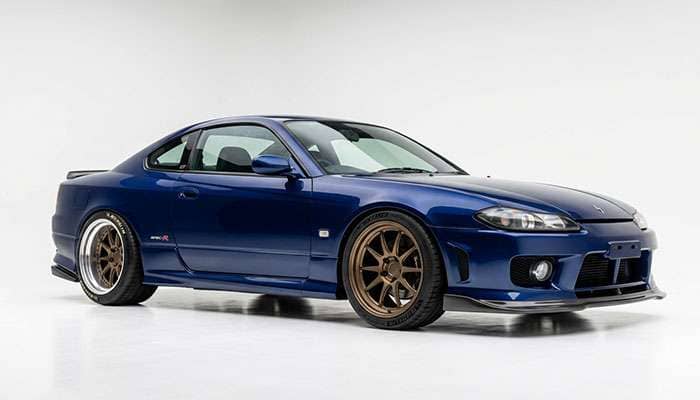
For real-world examples: the 9six9 SIX-1 Deep line is a modern low- and negative-offset deep dish wheel built for stance-focused builds — the truck variants run offsets as aggressive as -36 ET for serious lip. On the classic side, the American Racing Torq Thrust M with a machined lip delivers the stepped-lip look on muscle and pony cars without going to a full multi-piece price point. Both show how the same idea scales across very different builds.
When you're ready to compare profiles and finishes, browse our deep dish wheels collection, or if you're chasing that rear-drive stance, start with our staggered wheels selection and dial in width and offset front to rear.
Deep dish rims are for three things you can measure — wider tires, brake clearance, and strong repairable multi-piece construction — plus one thing you can see: an aggressive, head-turning stance. What they are not is a magic traction or handling upgrade by virtue of the lip alone. Strip away the marketing and the deep dish profile is a packaging decision: it moves the face inboard so the barrel can do useful work. Match the width and offset to your car's real clearance, pick the construction that fits your budget and your tolerance for weight, and you'll get a wheel that earns the look instead of just wearing it.
Indirectly. The dish itself adds no grip or handling. What it does is create barrel room to fit a wider tire and clear bigger brakes, and those changes improve performance. A deep dish wheel with the same tire and brakes as a flat-face wheel performs the same.
For many buyers, yes — the aggressive stance is the main draw, and that's a legitimate reason. But the profile also has real functional uses: wider-tire fitment, big-brake clearance, and repairable multi-piece construction. Whether yours is cosmetic or functional depends on how it's built and specced.
Not necessarily. Dish depth is set by offset, not width. The same width wheel can be nearly flush at high positive offset or deeply dished at low or negative offset. Width and dish are separate specs you choose independently within your fitment limits.
Generally yes. The exposed lip is more prone to curb rash, and the deep barrel collects brake dust and is harder to clean than a flush wheel. Polished or chrome lips need regular attention to stay looking sharp. It's manageable, but it's part of the ownership cost.
No. A deep dish profile usually means low or negative offset, which pushes the wheel toward the fender. Some cars have the clearance and some don't, and a few need spacers, longer studs, or fender work to fit. Always verify offset and clearance for your specific vehicle before buying.



