
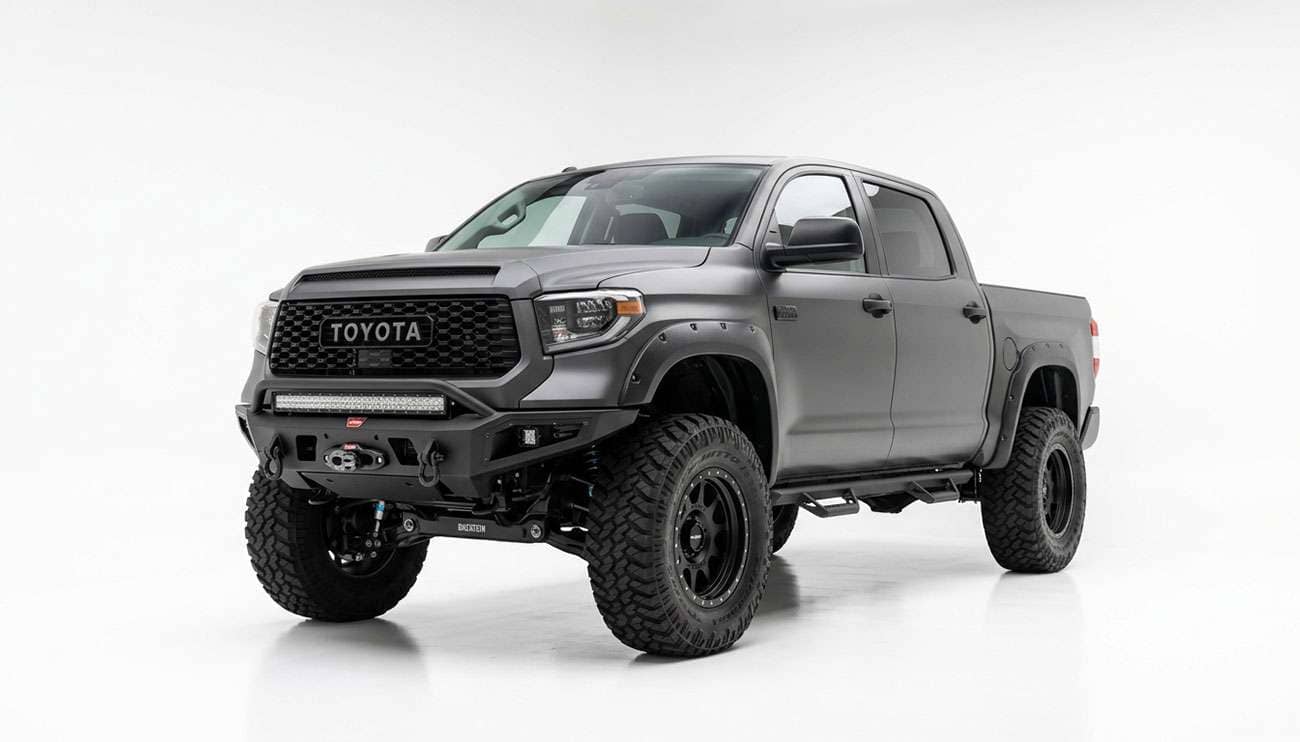
Walk down any trailhead parking lot and look under the trucks. Tacomas, F-150s, Wranglers, Gladiators, Silverados — different badges, but a whole lot of them are sitting on the exact same wheel setup. A 17-inch wheel, 9 inches wide, with a negative offset, wrapped in a fat 33 or 35-inch tire. After enough years on the shop floor, I can tell you that is not a coincidence. It is the setup that just works, and it has earned its popularity the hard way.
So let me break down what this setup actually is, why off-roaders keep landing on it, which trucks wear it best, and the handful of fitment things I always make sure folks understand before they bolt it on.
Let's define the terms plainly. A 17x9 wheel is 17 inches in diameter and 9 inches wide. Offset is how far the mounting face sits from the wheel's centerline. A positive offset pushes the wheel inward toward the suspension; a negative offset pushes it outward toward the fender. Off-road trucks favor a negative offset, commonly in the range of 0 to -12mm for a 33-inch tire and around -12mm to -25mm for a 35, which works out to roughly 4.5 inches of backspacing.
That combination — 17 inches tall, 9 inches wide, pushed out a touch — is the sweet spot the off-road world keeps coming back to. If you want the full primer on what offset and backspacing mean and how they're measured, our guide to wheel offset, backspacing, and bolt patterns explained covers the fundamentals, and our overview of off-road wheel sizes rounds out the picture.
Here is the part that surprises folks who came from the street-truck world, where bigger wheels are the whole point. Off-road, you actually want a smaller-diameter wheel, and 17 inches is the magic number on most full-size and mid-size trucks. The reason is sidewall.
A 17-inch wheel under a 33 or 35-inch tire leaves a tall, generous tire sidewall. That sidewall is your friend off the pavement. It flexes over rocks and ruts for a smoother ride, it lets you air down for a bigger contact patch and more traction without risking the rim, and it puts more rubber between your expensive wheel and the trail. Go up to a 20-inch wheel under the same tire and you trade away that sidewall, ending up with a stiffer ride and a rim that's far more exposed to rock damage. The only reason 17 isn't smaller is brake clearance — modern trucks need the room for their brake calipers, which is why 15-inch wheels mostly left the scene. Seventeen is the smallest that clears the brakes while leaving maximum sidewall, and that's why it wins.
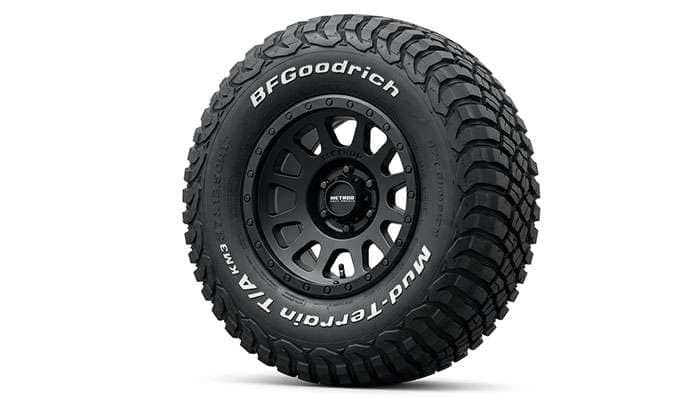
The negative offset does a few jobs at once. First, stance: pushing the wheels outward gives the truck a wider, more planted, more aggressive look that fills out the fenders. But it isn't just for show. That extra width also helps clear the wider tire and the suspension components, and a wider track can improve stability on uneven terrain. It pushes the tire out far enough to articulate over obstacles without rubbing the frame or control arms.
Now the honest part, because I won't sell you only the upside. Pushing the wheel outward with a negative offset increases the leverage on your wheel bearings, ball joints, and steering components. Run an aggressive offset with heavy 35s and you are asking more of those parts over time. It's a manageable trade-off that millions of trucks run happily, but it's real, and it's why I tell people not to chase the most extreme negative offset they can find just for looks. Match the offset to the build. For the deeper mechanics of how offset choices play out, lean on the offset and backspacing guide before you commit.
This setup is popular precisely because it fits such a wide range of the trucks people actually take off-road. These are the rigs I see it on day in and day out:
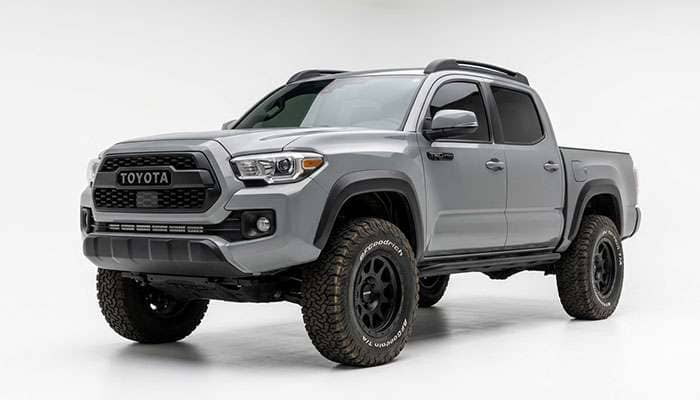
Toyota Tacoma. The Tacoma is practically the poster child for the 17x9 setup. A 17x9 with a mild negative offset and a 33 (often a 285/75R17) is one of the most-requested mid-size builds there is. Our Toyota Tacoma aftermarket wheels fitment guide digs into the specifics.
Ford F-150 (including the Raptor crowd). The half-ton F-150 takes to 17x9 with negative offset and 33s or 35s beautifully, especially on a leveled or lightly lifted truck.
Chevy Silverado 1500 and GMC Sierra 1500. Same story — 17x9 in the 6x139.7 bolt pattern with a negative offset is a go-to for these GM half-tons.
Ram 1500. Another full-size that wears the setup well, filling out the fenders with a 35 on a modest lift.
Jeep Wrangler and Gladiator. The Jeep crowd loves a 17x9 with negative offset, often pushing into 35s and 37s on the more built rigs. Our guide on how to choose Jeep Wrangler aftermarket wheels for off-roaders walks through it.
Ford Bronco. The modern Bronco slots right into the same recipe, which is part of why it caught on with the overland and trail crowd so fast.
The common thread is that all of these are body-on-frame trucks and SUVs with the brake clearance and fender room to make a 17x9 work. You will find these fitments across our full range of off-road wheels from brands like Fuel, Method, Black Rhino, XD, and ATX — the names that dominate this corner of the market.
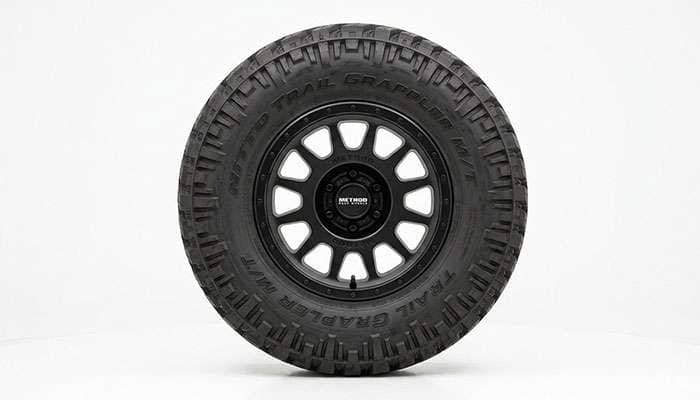
The wheel is only half the build. What you wrap around it — and how much you have to modify the truck to fit it — is the other half. Here is how the common tire choices line up with the 17x9 setup.
Tire goal |
Common 17-inch size |
Typical offset |
Lift needed |
|---|---|---|---|
33s |
285/75R17 |
0 to -12mm |
Level kit or ~2" |
35s |
35x12.50R17 or 315/70R17 |
-12mm to -25mm |
~3–4" lift, often trimming |
37s |
37x12.50R17 |
-12mm or more |
Significant lift + trimming |
A couple of things worth flagging. First, a tire sold as a "35" isn't always a true 35 inches — a 315/70R17 measures closer to 34.5, while a 35x12.50R17 in flotation sizing actually hits 35. Always check the manufacturer's published diameter. Second, the bigger you go, the more truck you have to modify. If you're trying to figure out how much tire you can run, our guides on the biggest tire you can run without a lift and the lift kit tire size chart are the references to start with, and for a deep look at one of the most popular off-road sizes, see our 35x10.50R17 tire guide.
Before you order, a few things I'd want a customer of mine to hear. Rubbing is the most common surprise. Even with the right offset, a 35 on a stock or lightly modified truck can rub the fender liner, body mount, or control arm at full lock or full compression. That's why bigger tires call for lifts and sometimes trimming — plan for it rather than getting caught off guard.
Bolt pattern matters too. The 17x9 setup spans several patterns — Tacomas and many mid-size trucks run 6x139.7, Jeeps run 5x127, full-size GM and others vary — so confirm yours before you fall in love with a specific wheel. And as I mentioned, mind the offset and the bearings: aggressive negative offset plus heavy tires adds stress over the long haul. None of this is a reason to avoid the setup. It's just the homework that keeps you from a headache. When in doubt, our team can confirm the exact offset and bolt pattern for your specific truck before anything ships.
The 17x9 negative-offset setup is popular for the best possible reason: it works. The 17-inch diameter keeps the tall sidewall that off-roading rewards, the 9-inch width fits a proper 33 or 35, and the negative offset gives you the stance and clearance the trail demands. It fits the trucks people actually wheel — from Tacomas to Broncos to Wranglers — and pairs cleanly with proven tire sizes. Get your bolt pattern right, match your offset and tire to your build, and plan for the lift you'll need, and you'll have a setup that looks the part and earns its keep every time the pavement ends.
A 17-inch wheel leaves a taller tire sidewall under the same overall tire diameter. That extra sidewall flexes over obstacles for a smoother ride, allows airing down for more traction, and protects the rim from rock damage. Seventeen is the smallest size that still clears modern truck brakes, which is why it's the off-road favorite.
Off-road trucks commonly run a negative offset, roughly 0 to -12mm for 33-inch tires and -12mm to -25mm for 35s, which works out to about 4.5 inches of backspacing. The exact figure depends on your truck and tire size, so confirm fitment for your specific vehicle before buying.
Usually not without rubbing. A 35 on a 17x9 typically needs a 3 to 4-inch lift and often some fender trimming to clear at full lock and full compression. A 33 is more achievable on a leveling kit or mild lift. Check our lift kit tire size chart for your truck.
A negative offset pushes the wheel outward and increases leverage on the wheel bearings, ball joints, and steering components, which adds stress over time, especially with heavy tires. Millions of trucks run it without issue, but it's a real trade-off, so match the offset to your build rather than chasing the most extreme number.
It fits a wide range of popular off-road trucks and SUVs, including the Toyota Tacoma, Ford F-150 and Raptor, Chevy Silverado 1500 and GMC Sierra 1500, Ram 1500, Jeep Wrangler and Gladiator, and Ford Bronco. Always confirm the correct bolt pattern and offset for your specific model.



