
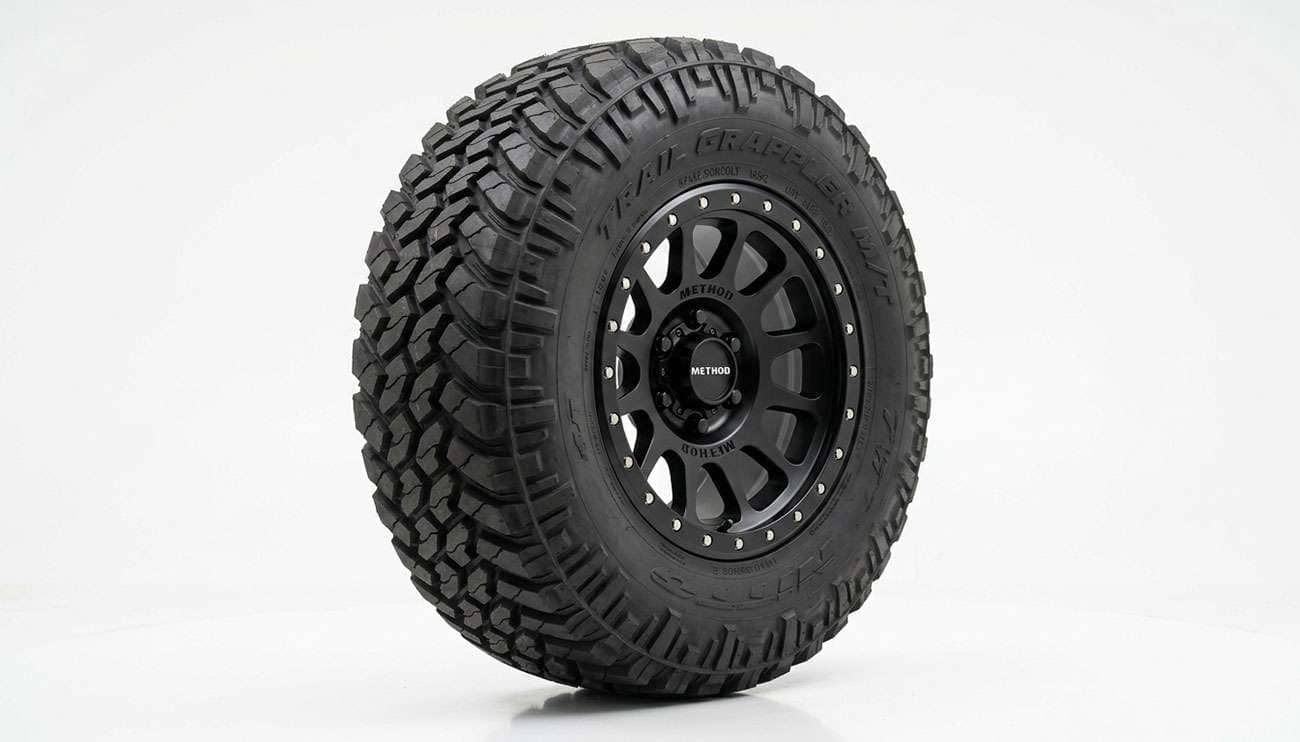
This is one of the most common questions that lands on my desk, and the honest engineering answer is: more than you'd think, but less than the forums promise. Most trucks and SUVs can step up one or two tire sizes on the factory suspension, and a lot of half-ton and mid-size platforms can run a true 33-inch tire with nothing more than the right wheel and a small alignment tweak. The trick is knowing exactly where your clearance runs out, because the limit isn't a single number — it's three of them working together.
Let me walk you through the fitment math the way I'd run it at the counter, so you can figure out your own ceiling instead of guessing and ending up with a tire that grinds the fender every time you turn into a parking spot.
For most modern trucks and SUVs, you can safely add roughly one to two inches of overall tire diameter on the stock suspension. In practical terms, a vehicle that came on 31-inch tires can usually get to 32s or 33s, and a vehicle that came on 32s can often reach 33s or 34s — provided you also pick a wheel with the correct width and offset. Go bigger than that and you're into rubbing on the fender liner, the control arms, or the frame at full steering lock and suspension compression. That's the point where a leveling kit or a real lift stops being optional.
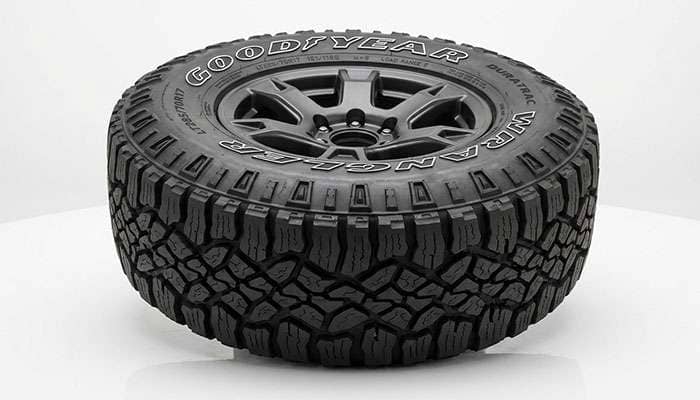
People obsess over height and ignore the other two variables, which is why so many "33s fit fine" claims end in a grinding noise. There are three independent dimensions that determine whether a tire clears, and you have to satisfy all three at once.
Overall diameter is the tall measurement — how much taller the tire is than stock. This is what eats clearance at the top of the wheel well and behind the front bumper. Section width is how fat the tire is across the tread and sidewall; this is what rubs the control arms, sway bar, and inner fender liner, especially when the wheels are turned. Offset and backspacing determine where that width sits relative to the suspension — push the tire outward and you gain inner clearance but risk the fender lip; pull it inward and you do the opposite. Get all three right and a surprisingly large tire tucks in cleanly. Get one wrong and even a modest size rubs.
Forget what fit on someone else's truck. Your suspension, trim level, and existing wheels make your clearance unique, so measure it. With the vehicle on level ground, check the gap from the top of the current tire to the fender liner — that's your rough vertical headroom. Then turn the wheel lock to lock and watch where the tire comes closest to the control arm, the sway bar end link, and the back of the wheel well. Those contact points are where a wider tire bites first.
The two conditions that catch people out are full steering lock and full suspension compression at the same time — the exact situation you hit climbing a driveway at an angle or articulating on a trail. A tire that clears in the driveway can still rub hard when the suspension stuffs. If you're planning to actually wheel the truck, leave yourself more margin than a street-only build needs.
Every inch of added diameter has consequences beyond clearance. A taller tire rolls a longer distance per revolution, which throws your speedometer and odometer off — typically reading slow by a few percent for every size up — and effectively raises your gearing. That makes the engine work harder to turn the bigger tire, which dulls acceleration and can drop fuel economy, especially on a smaller engine.
For a modest one-size jump, most drivers live with the speedometer error or correct it with a programmer. But once you're adding two or three inches of diameter, the gearing penalty gets real, and that's when I tell customers to budget for a gear change. We covered exactly when that math tips over in our guide on re-gearing after bigger tires. If you want a quick reference for which sizes pair with which lift heights, the lift kit tire size chart is a handy starting point.
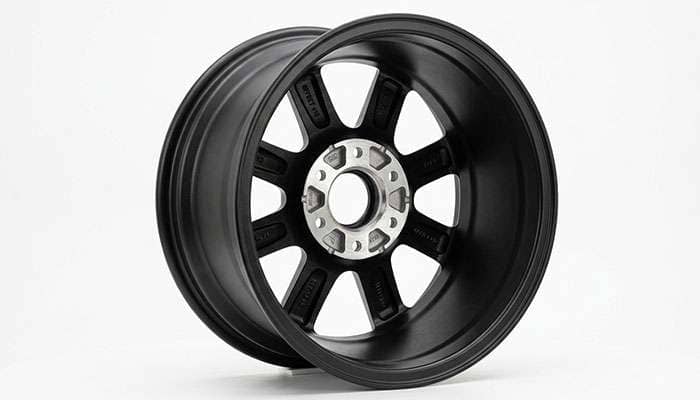
Here's the part most people skip, and it's the single biggest lever you have for fitting a bigger tire without touching the suspension. The wheel's offset and backspacing decide where the tire sits in the wheel well. A wheel with less backspacing — a more negative offset — pushes the tire outward, away from the inner suspension components, buying you room for a wider tire. The tradeoff is that the tire moves closer to the fender lip and may poke beyond it.
This is precise work, not guesswork. Push the tire out too far and you load the wheel bearings differently and accelerate wear on one shoulder, which we broke down in how wheel offset affects tire wear. When you only need a small amount of outward clearance, a quality spacer can do the same job as a new wheel — see the benefits of wheel spacers and adapters for when that's the smarter move. And if you're rethinking wheel diameter while you're at it, whether 18 or 20-inch wheels are better for off-road is worth a read, since a taller sidewall on a smaller-diameter wheel often clears and performs better off-pavement.
If you've measured and you're an inch short of the tire you want, you have options well short of a full lift. A leveling kit raises the front of the truck an inch or two to match the rear, which mostly helps front clearance and is the cheapest way to unlock a larger tire on most pickups. Fender liner trimming or removing the plastic pinch weld and rolling the fender lip frees up real estate at the contact points without changing ride height at all. And simply choosing a tire on the narrower end of a size range — a 33x10.50 instead of a 33x12.50 — can be the difference between clearing and rubbing.
One caution: a leveling kit changes your front suspension geometry, so plan on an alignment afterward. Aggressive driving on a fresh setup without correcting alignment is a fast way to chew up a new set of tires, which is part of why off-roading can throw your alignment out in the first place.
These are conservative, real-world figures for clean fitment on the factory suspension, plus what a simple leveling kit typically unlocks. Exact results vary by model year, trim, and wheel choice, so always verify with your own measurements.
Platform |
Stock Suspension |
With Leveling Kit |
|---|---|---|
Jeep Wrangler |
33 inch |
33–35 inch |
Toyota Tacoma |
32–33 inch |
33–34 inch |
Ford F-150 |
33 inch |
34–35 inch |
Chevy Silverado 1500 |
33 inch |
34 inch |
Toyota 4Runner |
32–33 inch |
33–34 inch |
The pattern is clear: a true 33-inch tire is realistic on most popular platforms with the right wheel and maybe an alignment, and a leveling kit usually buys one more size. Beyond that you're into full lift territory.
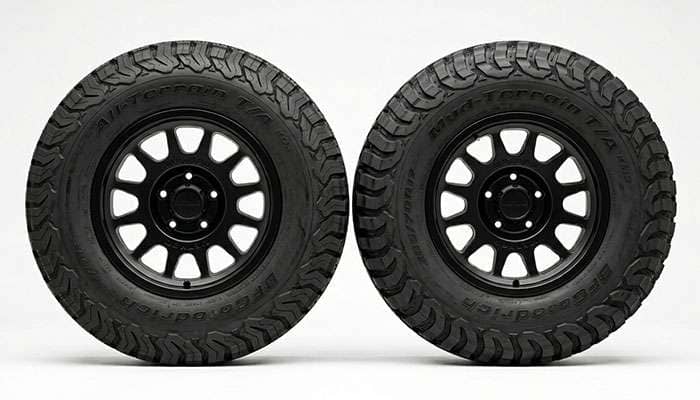
When you're right at the edge of what fits, tire category matters more than the headline size suggests. Two tires labeled the same nominal size can measure differently, and mud-terrains tend to run a wider, more aggressive shoulder and taller tread blocks that effectively add section width and diameter. That extra lug height is also what makes them rub and sling debris before an all-terrain of the same size would. If you're squeezing a tire into tight clearance and you don't need maximum mud capability, an all-terrain is the safer fitment bet.
Not sure which category you actually need? Our breakdown of HT vs. AT vs. MT tires sorts it out, and if you're leaning aggressive, what mud-terrain tires are good for covers where they earn their keep.
Here are proven sizes in the sweet spot for stock and lightly leveled trucks, all available at Performance Plus Tire.
All-terrain (easiest to fit, best street manners): the Falken Wildpeak A/T3W 265/70R17 is a near-perfect one-size-up tire for most 17-inch trucks, and the BFGoodrich All-Terrain T/A KO3 LT265/70R17 brings true light-truck construction in the same clearance-friendly size. Ready for a real 33? The Cooper Discoverer AT3 4S 285/70R17 measures right around 33 inches and fits cleanly on many leveled half-tons.
Mud-terrain (for the aggressive build that's planned its clearance): the BFGoodrich Mud-Terrain T/A KM3 LT285/70R17 is a 33-inch class workhorse — just confirm your trimming and offset first, since its lugs need every bit of the clearance you measured. Our Fitment Team can match any of these to your exact year, trim, and wheel so it bolts on without surprises.
How big of a tire can you fit without a lift? On most modern trucks and SUVs, one to two sizes up — frequently a true 33-inch tire — as long as you satisfy all three constraints: diameter, width, and offset. Measure your own clearance at full lock and full compression, choose a wheel with the right backspacing, and lean on a leveling kit or fender trimming for that last inch. Do that and you get the bigger, more capable footprint you want without the cost and ride changes of a full suspension lift. When you're ready to spec it out, our team will run the fitment numbers with you.
On many popular trucks and SUVs, yes. Platforms like the Jeep Wrangler, Ford F-150, and Chevy Silverado 1500 commonly clear a true 33-inch tire on the factory suspension with the correct wheel offset, and sometimes a minor alignment or a touch of fender trimming. Always verify with your own clearance measurements, since trim level and wheel choice change the result.
They can, if you exceed your clearance. Rubbing usually happens at the inner fender liner, control arms, or sway bar when the wheels are turned and the suspension is compressed. Choosing the correct wheel offset, a slightly narrower tire, or trimming the fender liner typically eliminates contact without raising the vehicle.
Not really. A leveling kit raises the front of the vehicle an inch or two to match the rear, rather than lifting the whole truck like a full suspension lift. It's a cheaper way to gain front clearance for a larger tire, but it changes front suspension geometry, so plan on an alignment afterward.
A taller tire travels farther per revolution, so your speedometer typically reads slow by a few percent for each size up. A modest one-size change is often left as-is or corrected with a programmer, while larger increases are usually paired with a speedometer recalibration and, on big jumps, a gear change to restore performance.
All-terrain is the safer choice when clearance is tight. Mud-terrains often run a wider shoulder and taller, more aggressive lugs that effectively add width and height for the same nominal size, so they rub sooner. Unless you genuinely need maximum mud and rock capability, an all-terrain of the same size will fit more easily and behave better on the street.
Reviewed by Dennis Feldman, Vice President, Performance Plus Tire



