
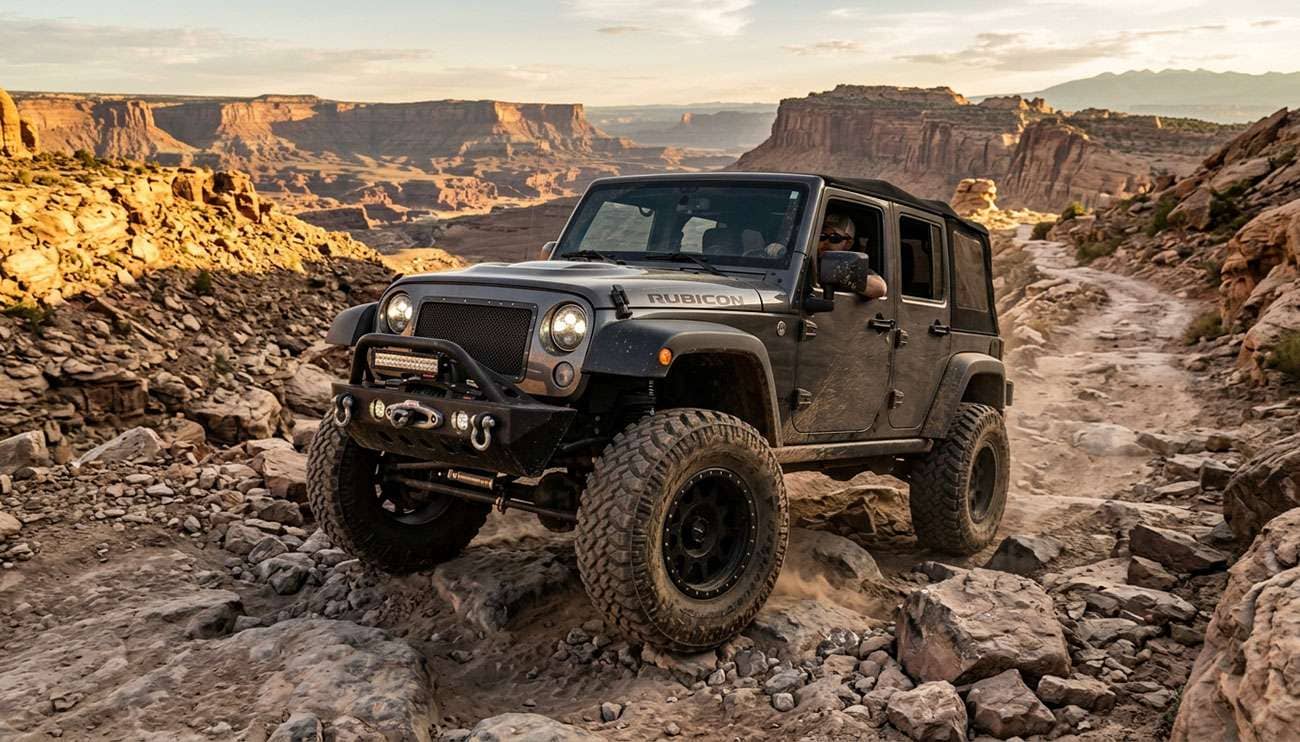
Jeep Wrangler aftermarket wheels rank among the most popular modifications every owner considers. Custom wheels transform both your vehicle's appearance and off-road capability, whether you're tackling daily commutes, weekend trails, or serious rock crawling.
At Performance Plus Tire, we understand that selecting the right wheels requires more than just picking a style you like. Bolt pattern compatibility, material choices between steel and aluminum, offset specifications, and load ratings all impact your Wrangler's performance and safety. The wrong choice leads to rubbing issues, poor handling, or even wheel failure on the trail.
We've created this expert guide to walk you through every critical specification and selection factor. You'll learn exactly how wheel size affects tire choices, why offset matters for larger tires, and which materials suit different driving styles. Our step-by-step approach eliminates guesswork and ensures you select wheels that enhance your Wrangler's capability while fitting your budget and driving needs perfectly.
Understanding your Wrangler's bolt pattern prevents costly compatibility mistakes. Two distinct patterns define Wrangler generations, and they're not interchangeable. YJ and TJ models from 1987 through 2006 use a 5x4.5 bolt pattern (5x114.3mm metric). The JK generation introduced a 5x5 pattern (5x127mm) in 2007, which continues through current JL models.
This pattern difference creates a hard compatibility barrier. Rims for jeep wrangler from older generations won't bolt onto newer models without adapters. The "5x5" designation means five lug holes arranged on a 5-inch diameter circle. Knowing your specific pattern eliminates guesswork and ensures direct fitment without hub-centric rings or modification.
Factory wheel sizes evolved significantly as Wrangler generations progressed. YJ (1987-1995) and TJ (1997-2006) generations came equipped with 15" to 16" wheels. Jeep upgraded to 17" and 18" standard sizes when the JK launched in 2007, maintaining these dimensions through 2018. Current JL generation (2018-2024) continues with 17" to 18" sizing.
These factory dimensions directly influence aftermarket selection. Smaller diameter wheels allow taller tire sidewalls, which improves off-road flex and absorbs impacts better. Larger diameter wheels clear bigger brake calipers and create a more aggressive appearance, but reduce sidewall height for cushioning.
All Wrangler generations share identical 71.5mm hub center bore measurements. This center hole fits over the vehicle's hub assembly. Hub-centric wheels match this 71.5mm dimension exactly, allowing the hub to support the wheel rather than depending solely on lug nuts.
Some aftermarket options feature slightly larger center bores, such as 72.6mm designs that still function without vibration issues. Proper hub-centric fitment eliminates vibration risks and distributes loads evenly. Lug-centric wheels have oversized center holes and rely entirely on lug nut clamping for centering, requiring precise installation techniques.
Lug nut specifications changed substantially between Wrangler generations. YJ, TJ, and JK models use 1/2x20 thread size. JL models switched to metric 14mm x 1.50 threading, matching 2020-2024 Gladiator specifications.
Torque specifications require strict adherence for safety. JK models need 95 to 100 ft/lbs depending on model year, with owner's manuals typically specifying 100 ft/lbs. JL generation increased this requirement to 130 ft/lbs due to larger 14mm stud size. Spare tire mounting uses reduced torque: 40 to 45 ft/lbs for JK models and 59 ft/lbs for JL variants.
Exceeding manufacturer torque specifications can snap wheel studs. After new wheel installation, re-torque lug nuts at 25 miles, then at 100-mile intervals until values stabilize. This procedure prevents loosening during the break-in period and maintains secure attachment across all driving conditions.
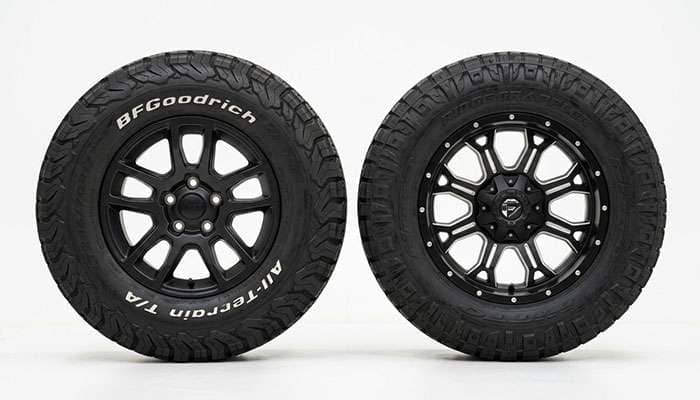
Wheel diameter directly impacts your tire selection and off-road performance. 17-inch wheels offer the best balance for most Wrangler owners, providing more sidewall height that allows greater tire flex when aired down. This extra sidewall acts as a cushion on rocky terrain and protects your rims from damage during aggressive off-roading.
18-inch wheels reduce sidewall flex, which improves highway handling and gives a more aggressive appearance. However, this comes with trade-offs. Tire selection becomes more limited, and you'll pay significantly more for rubber. Popular 35-inch tire models cost approximately $80 more per tire in 18-inch fitments compared to 17-inch versions.
For most applications, the performance difference between 17 and 18-inch wheels remains minimal. Both accommodate 35-inch tires effectively, though serious off-roaders consistently choose 17-inch setups for their superior flex characteristics and cost advantages.
Offset measures the distance from your wheel's centerline to the mounting surface, expressed in millimeters. Stock JK wheels feature +44mm to +50mm offset with approximately 6 inches of backspacing. This factory configuration works perfectly with stock tire sizes but creates problems when you upgrade to larger tires.
Backspacing refers to the distance from the hub mounting surface to the wheel's inner edge. Higher backspacing pulls wheels inward, reducing clearance for larger tires and suspension components. Lower backspacing pushes wheels outward, creating the space needed for oversized tires.
The most popular setup for 35-inch tires on JK models uses 17x9 wheels with 4.5-inch backspacing, which equals approximately -12mm offset. This specification prevents inner fender rubbing while maintaining safe steering geometry.
Keep in mind that aggressive offset changes do create consequences. Lower offset increases your turning radius and places additional stress on wheel bearings and axle components. Wheels that push tires beyond fender flares also violate vehicle regulations in many states.
Tire clearance depends on both your wheel specifications and suspension setup. YJ and TJ models handle 31-inch tires on stock suspension without issues, with 33 inches representing the maximum before rubbing occurs. Adding a one to two-inch leveling kit accommodates 33-inch tires properly, while 35-inch tires require full lift kits for adequate clearance.
Wheel width plays an equally important role. Standard widths of 8.5 to 9.5 inches work well with tire sizes from 33 to 37 inches. JL models benefit from their wider axles, typically requiring 0 to -12mm offset for proper clearance.
Lift kit height determines your wheel and tire options. A 2.5-inch lift provides the clearance needed for 35-inch tires on 17-inch wheels. Stock suspension severely limits your tire choices regardless of wheel selection.
Plan your wheel purchase together with your lift installation. This coordination ensures proper clearance and prevents compatibility issues during full suspension articulation on challenging terrain.
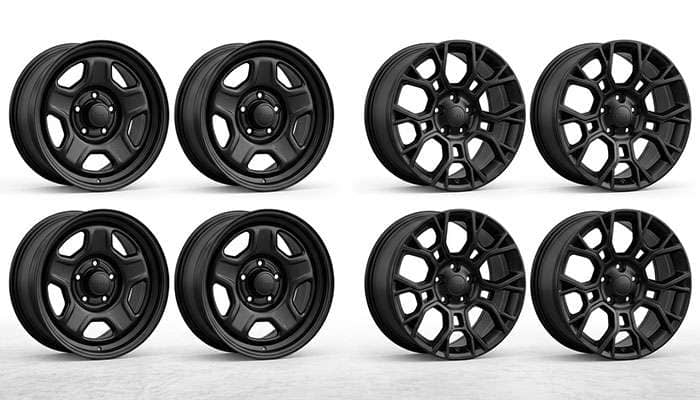
Material choice affects both performance and long-term cost when selecting rims for jeep wrangler. Steel wheels excel in one critical area: they bend instead of breaking under impact. When you hit a rock hard enough to damage a steel wheel, the bead mounting surface deforms rather than cracking. This characteristic allows trail-side repairs with basic tools.
A hammer and a few minutes can reshape bent steel wheels enough to hold air pressure. We've seen countless trail repairs where drivers got back on the road without ordering replacement wheels. Steel construction withstands extreme punishment that would destroy aluminum alternatives.
The trade-off comes in added unsprung weight, which affects braking response and acceleration. Steel wheels also require regular maintenance to prevent rust, though modern protective coatings extend their lifespan to 10 years or more with proper care.
Aluminum wheels prioritize weight reduction, which improves suspension response and handling characteristics. The lighter construction can improve fuel efficiency by up to 3% while reducing stress on suspension components during aggressive driving.
Aluminum wheels behave differently when damaged. Impact causes cracking rather than bending. Cast aluminum proves particularly fragile, requiring professional repair or replacement when damaged. Instead of denting, aluminum wheels develop "rock rash" from scraping against obstacles.
These wheels typically last 5 to 7 years, shorter than steel but with better corrosion resistance. The performance benefits make aluminum attractive for drivers who value handling improvement over maximum durability.
Cast aluminum wheels pour molten metal into molds, creating random grain structures with weak points. This manufacturing method keeps costs reasonable but limits strength potential.
Forged wheels use 10,000+ tons of pressure to compress heated aluminum billets, aligning grain structures for maximum strength. The result provides 25-40% weight reduction compared to cast wheels while delivering up to 300% greater strength.
Flow-formed wheels offer a middle ground, combining cast centers with spin-formed barrels under pressure. This process delivers 80% of forged strength at 60% of the cost.
Modern coating technology extends wheel life regardless of base material. Steel wheels feature corrosion-resistant treatments that prevent rust damage from moisture and salt. Powder coating provides durable protection for steel construction, though regular cleaning remains important.
Aluminum wheels resist corrosion naturally but can oxidize without maintenance. Specialized coatings designed for off-road use resist damage from mud and water exposure. When choosing jeep wheel and tire packages, consider finish durability alongside base material properties, especially for vehicles facing harsh conditions or frequent water crossings.
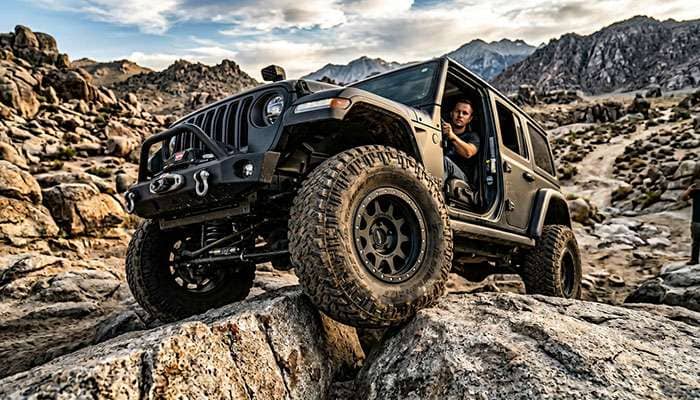
Your wheel choice should match how you actually drive your Wrangler. Street-focused drivers need aluminum alloy wheels that deliver improved fuel efficiency and responsive handling. The lighter weight reduces unsprung mass, which means better braking performance and steering precision during highway travel. Cast aluminum provides plenty of strength for pavement use while keeping costs reasonable compared to forged options.
Weekend adventurers who balance street driving with trail exploration need wheels that handle both demands effectively. Flow-formed aluminum wheels offer an ideal compromise, delivering 80% of forged strength at 60% of the cost. When choosing jeep wheel and tire packages for mixed use, pay close attention to offset specifications to ensure proper clearance during suspension articulation. The right combination maintains traction on varied terrain without sacrificing daily comfort.
Serious rock crawlers require maximum strength and proper load ratings. The Fuel Rebel handles 2,300 lbs on 6-lug patterns and up to 3,700 lbs for 8-lug configurations. Forged aluminum wheels provide 300% greater strength than cast alternatives, though steel remains your best choice for severe rock contact. Rock crawlers benefit from narrower wheel widths that allow sidewall bulge for better traction and rim protection.
Beadlock technology clamps the tire bead securely using an outer ring bolted to the wheel face, preventing tire separation regardless of air pressure. This system stops tire de-beading during aggressive rocky terrain maneuvers. Standard wheels struggle below 12-16 PSI, while beadlocks operate safely at 5-10 PSI for rock crawling. Sand driving allows 6-10 PSI with beadlocks compared to 12-15 PSI for standard wheels.
Check DOT regulations before purchasing beadlocks. True beadlock wheels remain illegal for street use in most states. Simulated beadlock wheels provide the rugged appearance without legal issues, suitable for moderate off-roading and daily driving.
Hub-centric wheels fit precisely against your hub, providing support beyond just the lug nuts. The wheel centers on the hub itself, which better resists impact loads during normal driving. Lug-centric wheels feature larger center holes and depend entirely on lug nuts for centering. Most aftermarket manufacturers produce lug-centric designs for broader vehicle compatibility.
Lug-centric wheels on hub-centric vehicles can cause vibrations and reduced clamping force. Hub-centric rings installed over the hub solve this problem, giving lug-centric wheels stability comparable to hub-centric designs. Professional installation ensures correct alignment and prevents premature tire wear.
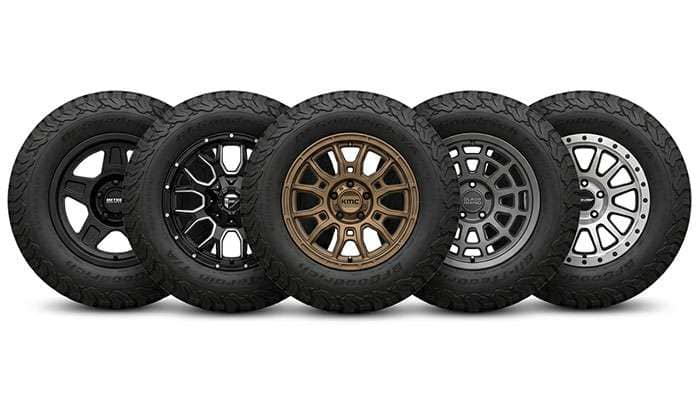
Aftermarket Jeep Wrangler wheels offer extensive design variety that goes far beyond technical specifications. Classic spoke patterns maintain the Wrangler's traditional aesthetic, perfect for owners who want to preserve that authentic off-road character. Modern styles feature solid faces, intricate cut-outs, or aggressive mesh designs that create a more contemporary appearance.
Finish options span from subtle matte black to eye-catching glossy chrome and brushed aluminum surfaces. Some manufacturers even offer custom accent rings and specialized patterns that let you create a truly unique look. The key is choosing a style that complements your Wrangler's overall appearance while reflecting your personal taste.
Load rating represents the maximum weight each wheel can safely support during operation. You'll need to calculate your minimum requirement by dividing your vehicle's Gross Axle Weight Rating by two. Most 17x9 configurations require wheels with at least 2,500 lbs capacity to handle a fully loaded Wrangler.
Never exceed these load ratings. Overloaded wheels develop structural cracks, create handling problems, and can collapse completely under stress. When browsing Performance Plus Tire's Wrangler selection, always verify that load ratings exceed your fully loaded vehicle weight, including any gear, modifications, or towing equipment you regularly carry.
Proper clearance between your wheels and brake calipers prevents friction and dangerous heat buildup. The offset and backspacing we discussed earlier directly affects this clearance, but you should always verify adequate spacing during fitment. Most installations need clearance beyond what a thin piece of cardboard provides.
Wheels with incorrect backspacing will contact the calipers during rotation, damaging both components and creating safety hazards. This is why proper fitment verification matters more than just bolt pattern compatibility.
TPMS sensor compatibility varies significantly across Wrangler model years, particularly after mid-2021 when Jeep made important sensor changes. Earlier sensors won't work with newer vehicles, requiring complete sensor replacement rather than simple transfers.
Sensor batteries last approximately seven years but aren't user-replaceable, meaning you'll need complete new sensors when they fail. Many aftermarket wheels don't include TPMS provisions, so you'll need to transfer sensors from your stock wheels or purchase new ones separately. Factor these additional costs into your wheel budget to avoid surprises later.
You now have the expert knowledge needed to select the perfect aftermarket wheels for your Wrangler. Understanding bolt patterns, material differences, and offset requirements eliminates the guesswork and ensures proper fitment from day one.
The most important factor is matching wheels to how you actually use your Wrangler. Daily drivers benefit from lightweight aluminum that improves fuel efficiency and handling. Serious rock crawlers need the durability of steel or forged aluminum that withstands trail punishment. Weekend adventurers who split time between pavement and trails find the best value in flow-formed aluminum options.
At Performance Plus Tire, we carry the best selection of Jeep Wrangler wheels at the lowest prices. Our complete Jeep Wrangler wheel selection includes all the major brands and sizes to fit your specifications and budget. We offer financing options that make upgrading affordable, with expert guidance to ensure you get exactly what your Wrangler needs.
Ready to upgrade your ride? Browse our selection today and find wheels that enhance your Wrangler's capability while delivering the style you want. Your vehicle deserves wheels that perform as hard as you do.
Selecting the right aftermarket wheels for your Jeep Wrangler requires understanding key specifications and matching them to your driving style for optimal performance and safety.
• Know your bolt pattern: Pre-2007 Wranglers use 5x4.5" pattern while 2007+ models use 5x5" - this determines wheel compatibility without modifications.
• Choose material based on use: Steel wheels offer superior durability and field repairability for serious off-roading, while aluminum provides weight savings for daily driving.
• Match wheel size to tire goals: 17-inch wheels accommodate larger tire sidewalls for better off-road flex, while 18-inch options improve highway handling but limit tire selection.
• Consider offset and backspacing carefully: Proper offset (typically -12mm for 35" tires) prevents rubbing while maintaining safe steering geometry and bearing stress.
• Verify load ratings and clearances: Always confirm wheels meet your vehicle's weight requirements and provide adequate brake caliper clearance to prevent damage.
The right wheel choice balances your specific needs - whether prioritizing trail capability, daily comfort, or esthetic appeal - while ensuring proper fitment and safety standards.
Aluminum wheels are lighter than steel alternatives, which reduces unsprung weight and improves fuel efficiency by up to 3% or more. This weight reduction also enhances handling, acceleration, and suspension response on varied terrain, making them ideal for mixed-use scenarios that include both highway driving and moderate trail running.
17-inch wheels are generally better for off-road use because they provide more tire sidewall height, allowing greater flex when aired down and better protection for rims on rocky terrain. They also offer wider tire selection and lower prices. 18-inch wheels improve highway handling but reduce sidewall flex and typically cost $80 more per tire for popular sizes like 35-inch tires.
The Jeep Wrangler Rubicon is specifically designed for serious off-road enthusiasts, featuring heavy-duty axles, locking differentials, and an advanced suspension system. When paired with appropriate aftermarket wheels and proper tire sizing, the Rubicon delivers exceptional performance on challenging terrain.
Jeep Wranglers use two different bolt patterns depending on the model year. Models from 1987-2006 (YJ and TJ) use a 5x4.5" (5x114.3mm) pattern, while 2007 and newer models (JK and JL) use a 5x5" (5x127mm) pattern. This difference means wheels from older generations won't fit newer models without adapters.
For 35-inch tires on a JK Wrangler, 17x9 wheels with 4.5-inch backspacing (approximately -12mm offset) represent the most common and effective setup. This specification provides adequate inner fender clearance while maintaining acceptable steering geometry and preventing rubbing during suspension articulation.



