
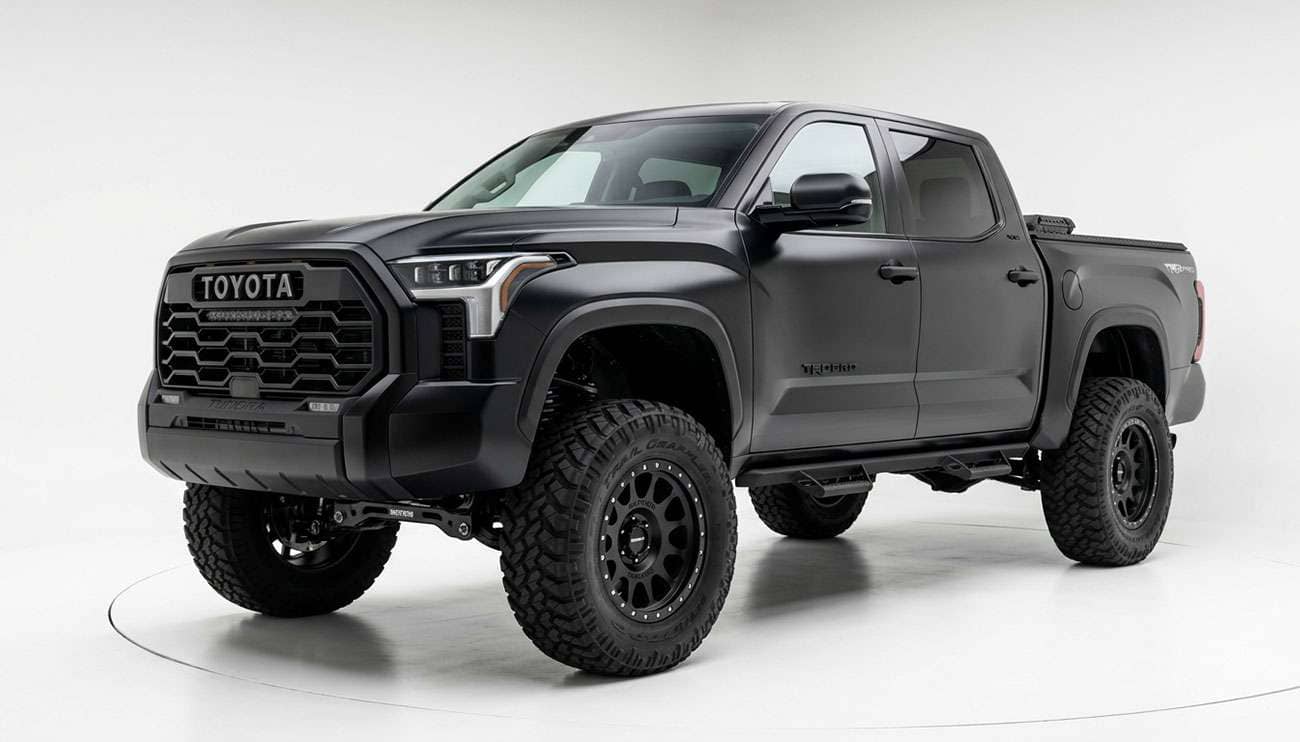
A truck or SUV wheel and tire package is a matched set of four wheels and four tires that arrives mounted, balanced, and ready to bolt on. Buying the combo instead of piecing it together gets you guaranteed fitment, saves a trip to the tire shop, and usually saves real money on mounting and balancing. The trick is matching wheel size, tire type, and tire diameter to your truck's ride height - and that's exactly what we're going to walk through, the same way I'd walk you through it at the counter.
I've been bolting wheels onto trucks since bias-plies were still a thing, and I'll tell you the same thing I tell everybody who calls the shop: the package is only as good as the plan behind it. If you want the full rundown on what comes in the box, we covered what is included in a wheel and tire package in another article. Today we're building one for your truck.
A wheel and tire package for a Camry is a style decision. A package for a Silverado, an F-150, a 4Runner, or a Wrangler is a style decision plus an engineering decision, because trucks haul, tow, and take a beating that a sedan never sees.
Here's what changes when the vehicle gets heavy. First, load rating matters. A half-ton truck running big wheels needs XL-rated tires at minimum, and if you tow or carry weight, you want LT tires in Load Range E - the old 10-ply. Passenger-rated tires on a working truck is how sidewalls get hurt. Second, wheel construction matters. Truck wheels live a harder life than car wheels, which is why the good ones are tested to SAE and JWL load standards. Third, the mounting job matters more. A 35-inch tire that isn't balanced right will shake your fillings loose at 65 mph, which is why every package we build gets road force balanced before it ships. If you've never heard the term, our piece on what road force balancing is explains why it beats the old spin balancer, especially on heavy off-road rubber.
The payoff for buying the package instead of the pieces: the tire width, wheel width, offset, and bolt pattern are all confirmed to work together and to work on your specific truck before anything gets mounted. No surprises in the driveway.
Everybody wants to pick the wheel first. I get it - the wheel is the jewelry. But the tire decides how the truck drives every single day, so we start there. Truck and SUV tires break into four families, and we did a full head-to-head in our guide to H/T vs A/T vs M/T tires if you want the deep dive.
Quiet, smooth, long-wearing. This is the tire for the truck that tows the boat to the lake and never leaves pavement. Nothing wrong with that - an honest highway tire on a clean set of wheels is a great package.
The best-seller by a mile, and for good reason. A modern A/T gives you 80 percent of the off-road bite with almost none of the highway penalty. If you're not sure what you need, you need an A/T. We stock more than 6,600 all-terrain fitments, so there's a size for whatever you drive.
The new kid. An R/T splits the difference between an A/T and a mud tire - meaner shoulder lugs, tougher sidewall, still livable on the commute. It's the fastest-growing category we sell because it looks the part without punishing you on the drive to work.
Maximum bite, maximum attitude, and yes, some hum on the highway. If the truck actually sees mud, rocks, or sand, an M/T earns its keep. If it's a daily driver first, read our honest take on daily driving off-road tires before you commit - I'd rather talk you into the right tire than sell you the loud one twice.
Now for the question I answer ten times a day: what fits? The answer depends on your suspension, and the honest chart looks like this.
Setup |
Wheel Size |
Tire Size |
Tire Type |
|---|---|---|---|
Stock height half-ton |
17x8.5 to 18x9 |
Up to 33 inches (285/70R17) |
H/T or A/T |
Leveled (2-inch front) |
17x9 to 20x9 |
33 to 34 inches (285/75R17, 295/70R17) |
A/T or R/T |
Lifted (4 to 6 inch) |
17x9 to 20x10 |
35 inches and up (35x12.50) |
R/T or M/T |
The rule I've repeated for forty years: 33s are the ceiling on a stock half-ton. Everybody wants 35s, but stuffing 35s onto stock suspension means shredded fender liners every time you turn into a driveway. If you're weighing the jump, our comparison of 31s vs 33s vs 35s tires lays out exactly what each size costs you in gearing, mileage, and clearance.
Offset is the other half of the fitment story. Positive offset tucks the wheel in like stock. Zero offset sits flush with the fender. Negative offset gives you the poke and the deep lip - and the more negative you go, the more likely a 33 rubs where a tucked 33 wouldn't, because the wider swing arc catches the bumper at full lock. Going wide usually means going up. And if you're already lifted and shopping for the right rollers, we ranked the best wheels for lifted trucks earlier this year.
These are the wheels I'd put my own name behind - all in stock, all package-ready, covering every budget from work truck to show truck.
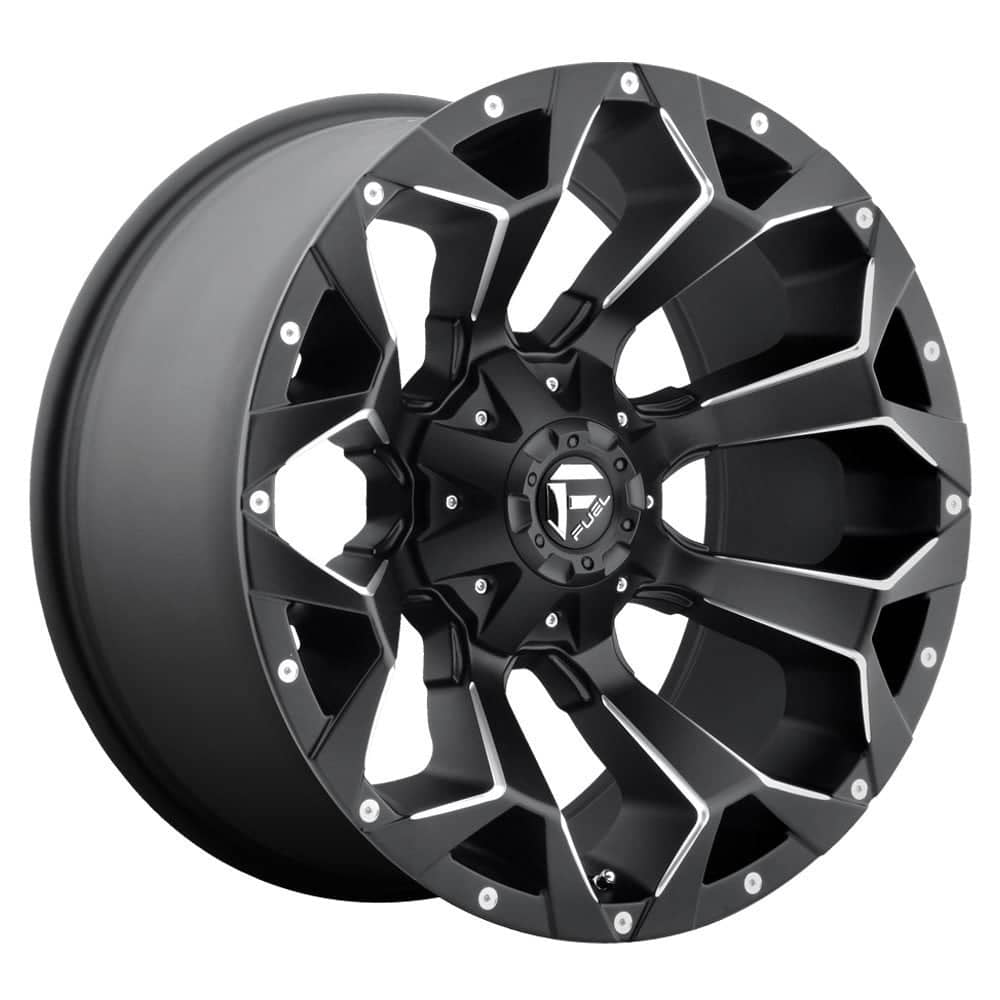
Fuel Assault D546 - from $345. The wheel that put milled accents on the map. A 17x8.5 Assault in matte black milled is the safe bet that never looks safe. Check it out here.
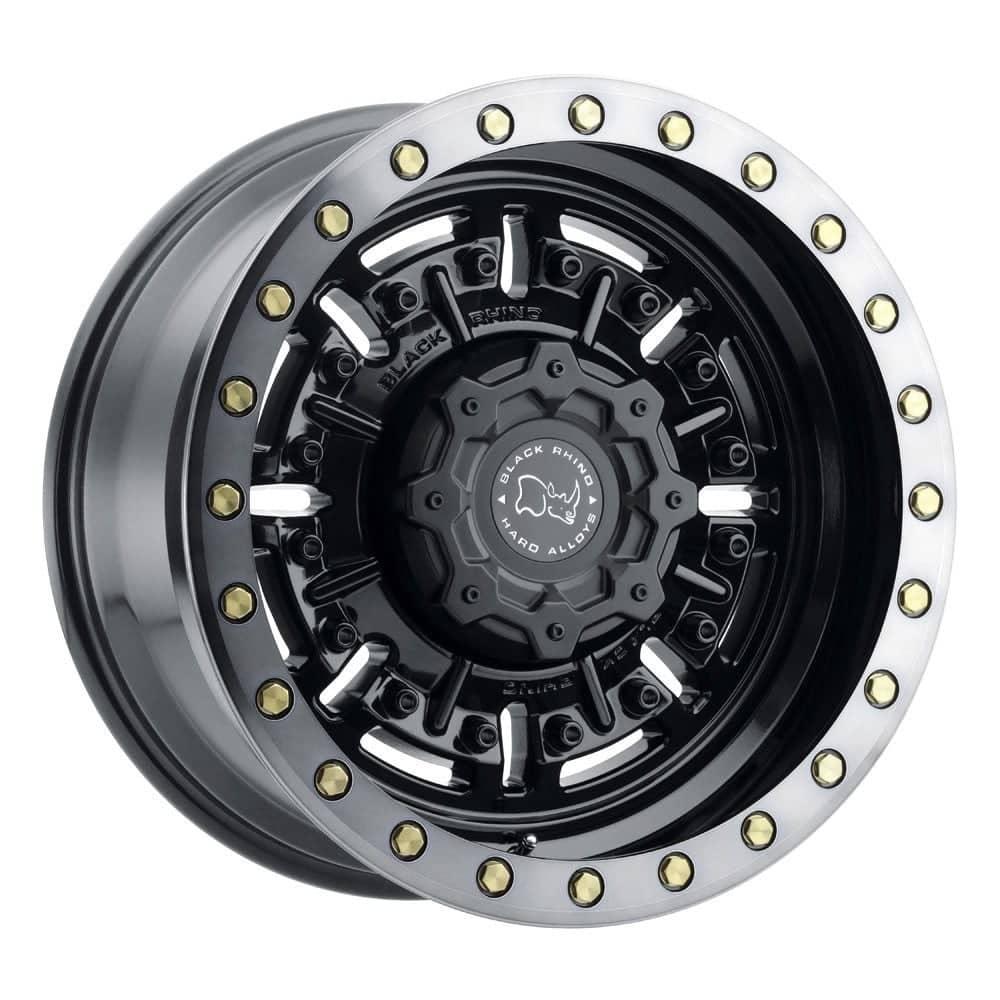
Black Rhino Abrams - from $294.95. Built by off-roaders for off-roaders, with a 17x8.5 in 6x135 that drops straight onto an F-150. The gloss gun black with machined dark tint is a sleeper favorite around the shop. See it here.
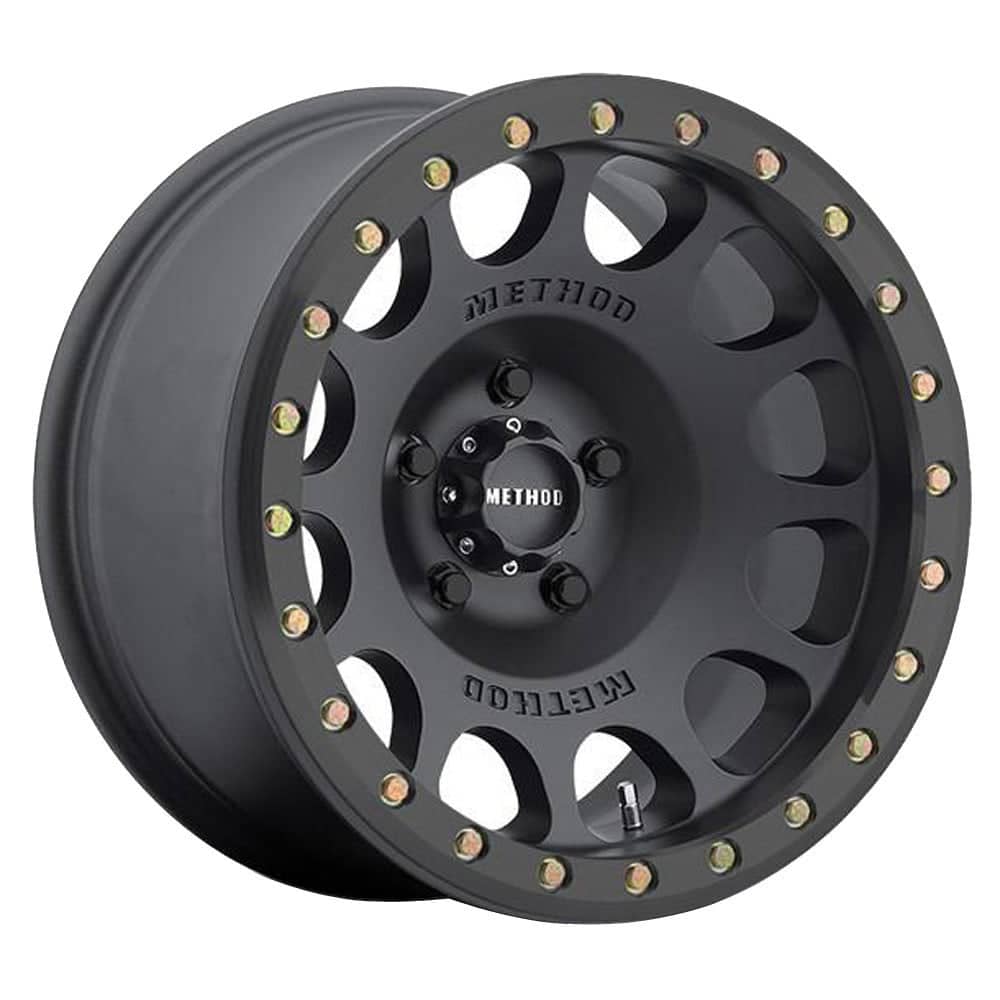
Method 105 Beadlock - from $492. The real deal for trucks that actually leave the pavement. Method's race pedigree shows in the details, and the 17x8.5 matte black is trail-ready out of the box. Take a look here.
Moto Metal MO800 Deep Six - from $245.71. The budget champ. A 20x10 with a negative 18 offset that gives you the aggressive stance without the aggressive price tag. See the Deep Six here.
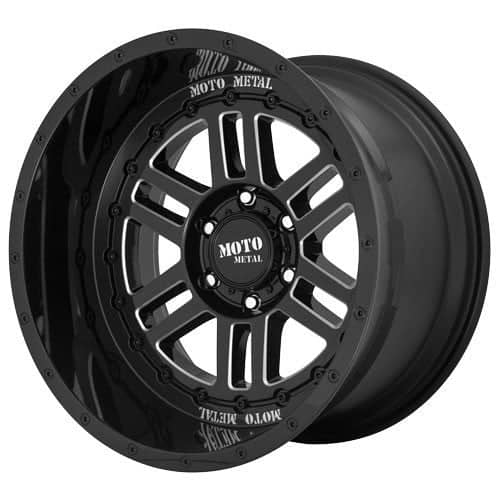
XD Series Bomber XD870 - from $495.56. A 20x10 with presence. The Bomber's simulated beadlock ring and deep concave face make a Ram or Jeep look like it means business. Check it out here.
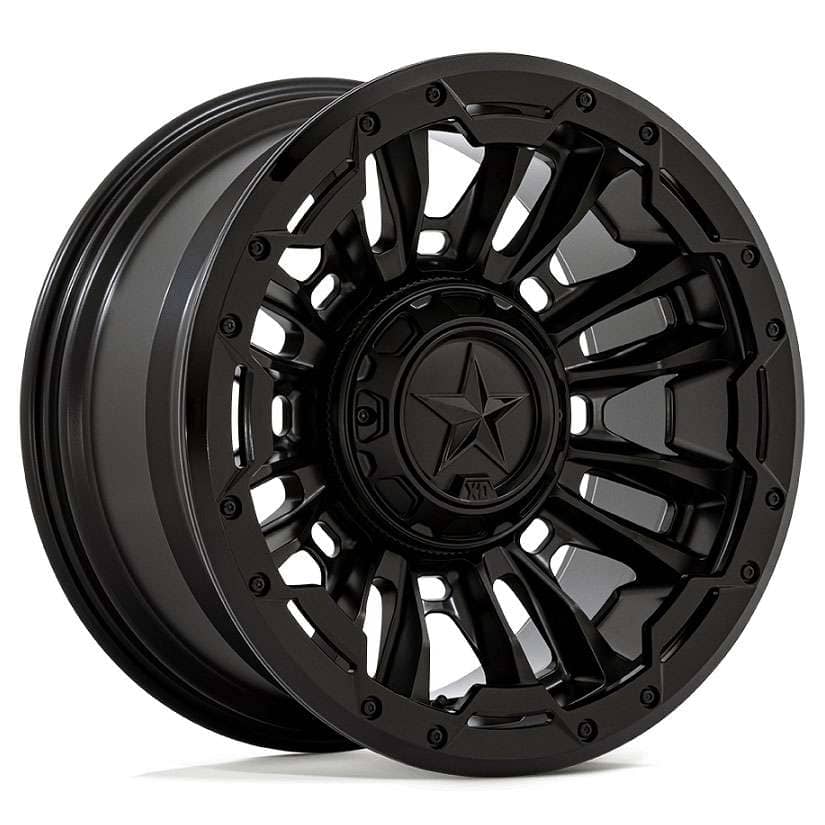
Toyo Open Country A/T III - from $311.07. The all-terrain I recommend most. Quiet enough for the school run, tough enough for the fire road, and the treadwear warranty backs it up. See it in P285/70R17 here.
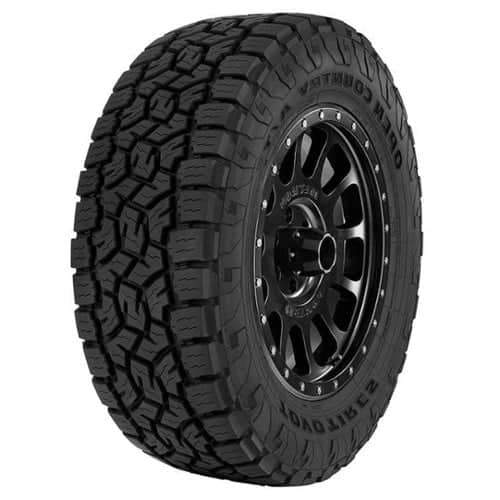
Nitto Ridge Grappler - from $291. The tire that invented the R/T conversation. Mud-tire shoulders, all-terrain manners. If you want one tire that does it all, this is my pick. Grab the 285/70R17 here.
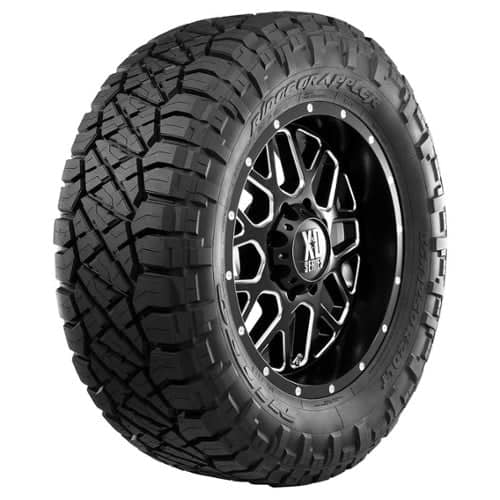
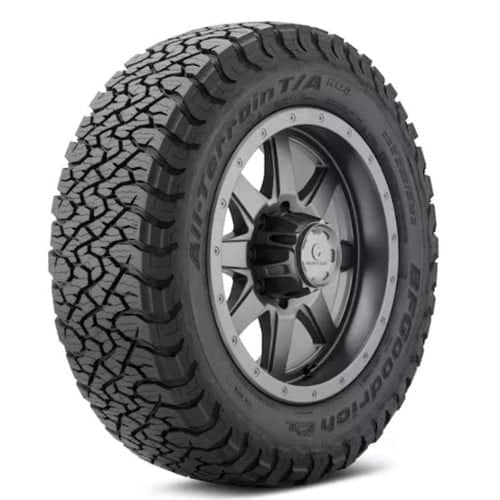
BFGoodrich All-Terrain T/A KO3 - from $342.99. The successor to the most famous A/T ever made. Tougher sidewall, better wet grip, same go-anywhere DNA. See the KO3 here.
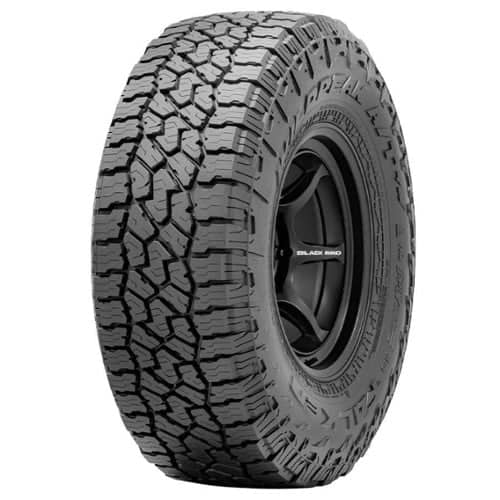
Falken Wildpeak A/T4W - from $320. The value heavyweight. Falken's newest Wildpeak brings a severe-snow rating and a ride quality that surprises people at this price. Check the P285/70R17 here.
Building a truck or SUV wheel and tire package comes down to three honest questions: what does the truck do, how tall does it sit, and what do you want it to say when it rolls up? Answer those in order - tire type, then size, then wheel - and the package practically builds itself. Every combo we assemble ships mounted, road force balanced, and ready to bolt on with the hardware in the box. Browse our full selection of wheel and tire packages and let's build one that fits your truck the first time.
Yes. A package guarantees the wheel and tire fit each other and your truck, and the included mounting and balancing typically saves $100 to $200 versus buying the parts separately and paying a shop to assemble them.
Sensors are available as an add-on. Most trucks and SUVs from 2008 on require TPMS, so add pre-programmed sensors to the package and they arrive installed - no dashboard warning light, no extra shop visit.
Most stock-height half-ton trucks comfortably fit up to a 33-inch tire, such as a 285/70R17 on a 17x8.5 or 17x9 wheel with moderate offset. Larger than that generally requires a leveling kit or lift.
Yes. Every package is professionally mounted and road force balanced before it ships, and we covered the full process in our article on whether wheel and tire packages are balanced. They arrive ready to bolt on.
They can. Taller tires effectively change your gearing and reduce usable torque, and low-profile tires on large wheels have less sidewall to absorb tongue weight. If you tow regularly, stay near stock diameter and choose LT tires with a proper load rating.



