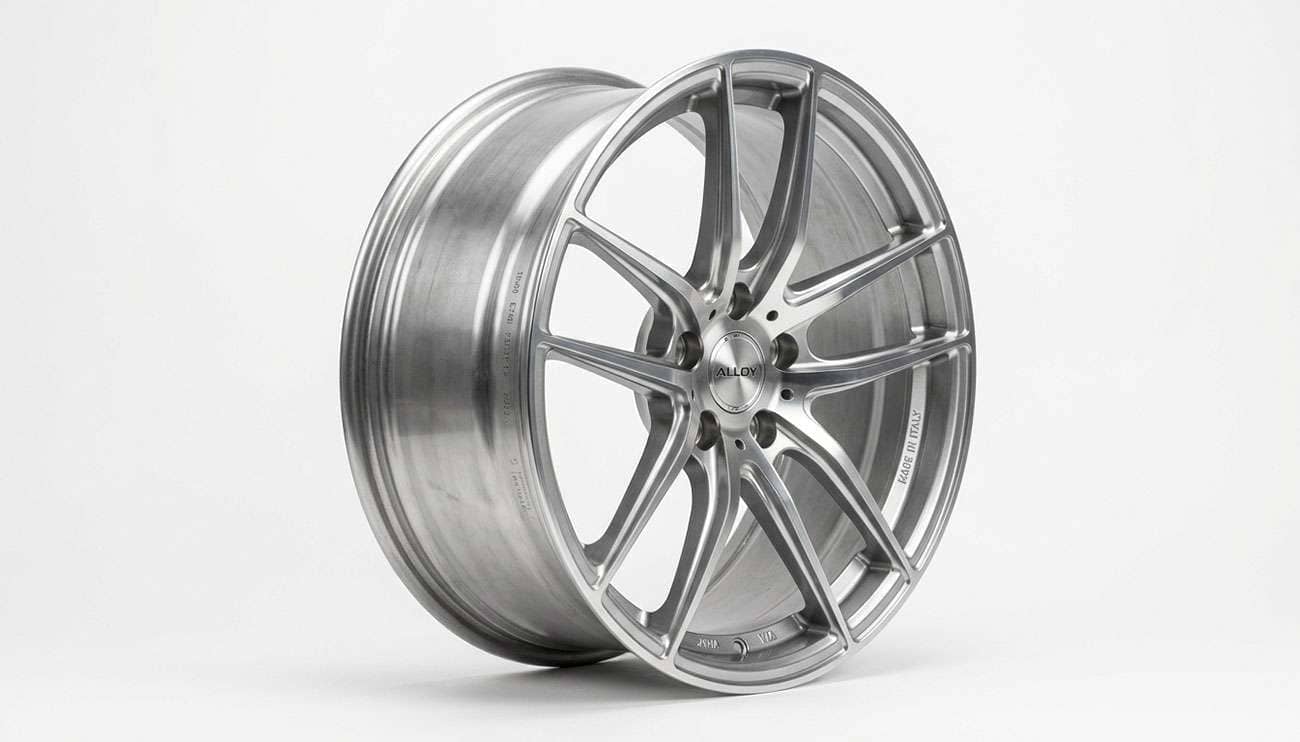
Almost every modern tire is tubeless, which means there's no inner tube holding the air — the seal is made directly between the tire and the rim. That puts an enormous amount of responsibility on a few precisely shaped features of the wheel that most people never think about. The two that matter most are the bead seat and the safety hump. They're the reason your tire stays sealed at speed, and the reason it stays on the rim when something goes wrong. I want to walk through exactly how they work, because once you understand them, a lot of tire behavior — from the loud pop during mounting to why a sudden flat can get dangerous — finally makes sense.
Before we zoom in, here's the lay of the land. A wheel rim has four features that work together to hold a tire. The flange is the outer lip that the tire's sidewall rests against; it keeps the tire from sliding off the outboard edge and protects the sidewall. The bead seat is the cylindrical surface just inboard of the flange where the tire's bead actually sits and seals. The safety hump is a small raised ridge sitting just inboard of the bead seat. And the drop center, or well, is the deep channel in the middle of the rim that makes mounting possible.
The tire's matching part is the bead — the stiff, wire-reinforced inner edge of the tire that clamps against all of this. If you want the tire side of the story in detail, our companion piece on what a tire bead is covers the tire's contribution. This article is about the rim's half of the partnership.
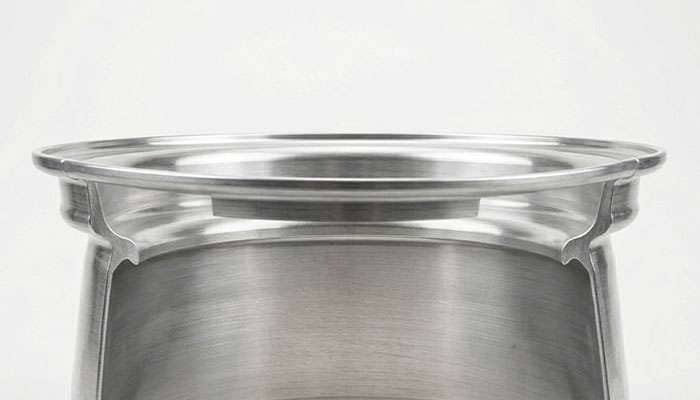
The bead seat is the workhorse of the seal. It's the surface where the tire bead rests, and on most passenger and performance wheels it isn't perfectly flat — it's machined with a slight taper, conventionally five degrees. When the tire is inflated, internal air pressure forces the bead outward and up this taper, wedging it firmly against the seat and the flange. That wedging action is what creates the airtight seal and locks the bead in place under normal driving.
This is also why the bead seat diameter has to match the tire precisely. The number you see in a wheel size like 17x8 refers to that bead seat diameter, and the tire's stated diameter has to match it exactly for the seal to form correctly. A mismatch there isn't a "close enough" situation — it's a tire that won't seat or won't hold air. If decoding those wheel numbers is something you'd like spelled out, our guide on what 15x8 wheels mean breaks the sizing down.
Now for the unsung hero. Sitting just inboard of the bead seat is a small raised ridge called the safety hump. On a typical passenger wheel it's only about one to two millimeters tall — barely noticeable if you run your finger along the rim — and that modest height is deliberate. It has to be low enough that the tire bead can be pushed over it during mounting, yet tall enough to act as a barrier afterward.
Its entire job is to keep the bead from sliding inward off the seat and falling into the drop center. Under normal inflation, the bead never gets near it. But the hump is always there, waiting, as a mechanical backstop for the moment air pressure can no longer do the job. International standards like ISO 3911 define these contours, and you'll find them on essentially every tubeless passenger and light-truck wheel made.
Here's the scenario the safety hump exists for. With a tubeless tire, the only thing holding the bead on its seat during normal driving is air pressure. Lose that pressure suddenly — a puncture, a blowout, a slow leak you didn't catch — and the bead has nothing pushing it outward anymore. Add a strong sideways force, like cornering on the now-soft tire, and the bead can roll off its seat and drop into the well. Once a bead "burps" off the seat like that, you get rapid, total air loss and a tire that can come off the rim entirely. On a moving vehicle, that's a genuinely dangerous situation.
The safety hump is what stands in the way. When the bead tries to migrate inward, the hump physically blocks it, holding the tire on the rim long enough to keep the vehicle controllable while you slow down and stop. It doesn't reinflate the tire or fix the leak — it just buys you the most important thing, which is time and stability. This is the same reason proper inflation and not ignoring a slow leak matter so much.
Wheels carry a code that tells you what kind of bead-retention contour they have, and it's worth knowing how to read it. The letters appear in the rim's size markings. Here's what the common ones mean.
Designation |
What it means |
Typical use |
|---|---|---|
H / H2 |
Round hump on the outboard seat (H) or both seats (H2) |
Most standard passenger wheels |
FH / FH2 |
Flat hump on one or both bead seats |
Many OE and aftermarket alloys |
CH |
Combination hump — flat on one side, round on the other |
Some performance fitments |
EH2 / EH2+ |
Extended hump on both seats for stronger retention |
Run-flat and ultra-high-performance setups |
AH |
Asymmetric hump — varies in height around the rim |
Specialized retention applications |
The one most worth flagging is EH2, the extended hump. Run-flat tires are designed to be driven on briefly after a loss of pressure, which means the bead has to stay seated even with little or no air behind it. The taller, extended hump gives that extra retention. It's a good example of how the rim and tire are engineered as a system — if you're weighing that technology, our overview of run-flat tire pros and cons goes deeper on the trade-offs.
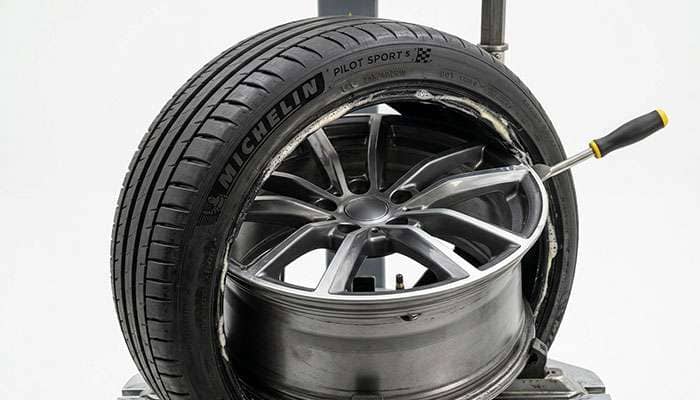
If you've ever watched a tire get mounted, you've heard it: a sharp pop, sometimes two, as the tire is inflated. That sound is the bead snapping over the safety hump and seating itself against the bead seat. During mounting, the tire is dropped into the well so the slack lets it slip over the flange. Then air is added, and as pressure builds it forces the bead up out of the well, over the hump, and onto the seat — that's the pop.
The same hump that makes that pop necessary is also why removing a tire requires "breaking the bead." A tire machine presses the bead back off the seat and over the hump into the drop center before the tire can be worked off the flange. It's why you can't just pry a stubborn tire off by hand, and why mounting and dismounting are jobs for proper equipment. Doing it wrong damages the bead, the seat, or both — and a damaged bead seat is exactly the kind of thing that compromises the seal you've just read all about.
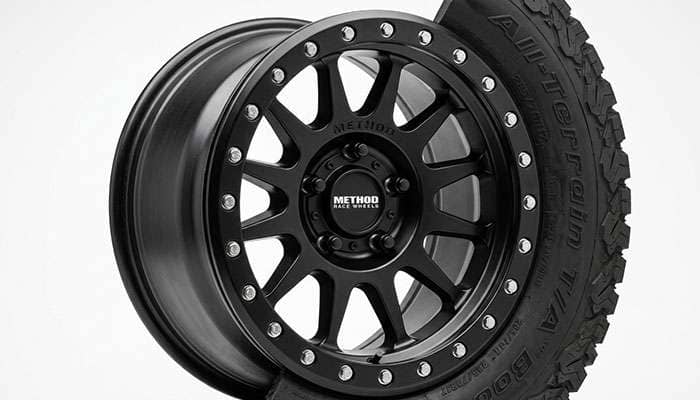
The safety hump is built for the pressures of street driving. But off-road, drivers deliberately run very low tire pressures — sometimes single digits — to flatten the tire's footprint for traction on rocks and sand. At those pressures there isn't enough air to keep the bead seated, and the hump alone can't guarantee it stays put under hard articulation. That's where the beadlock wheel comes in: instead of relying on pressure and a hump, it physically clamps the tire bead between an outer ring and the rim with a circle of bolts.
It's a mechanical answer to the same problem the hump solves with geometry. For most drivers a beadlock is overkill and not street-legal in many places, but for serious off-road use it's the right tool. Our comparison of beadlock vs bead grip wheels explains the different approaches and where each belongs.
You don't need to obsess over hump codes for a normal wheel-and-tire purchase — any reputable wheel built for your vehicle will have the correct retention contour. But a few practical points fall out of all this. First, match the bead seat diameter exactly: the wheel's diameter and the tire's diameter have to agree, which is just one part of overall fitment alongside offset, backspacing, and bolt patterns and the wheel's center bore. Second, if you run run-flats, stay with wheels designed for them so you get the extended-hump retention they rely on.
Third, quality of manufacture matters because the bead seat and hump have to be machined accurately to do their jobs — a poorly made wheel with an out-of-spec seat can leak or fail to seat properly, which is one more reason wheel construction is worth understanding when you shop, as our breakdown of cast vs forged vs flow-formed wheels lays out. When you're ready to look at options, our custom wheels selection covers a wide range of properly engineered fitments, and we're glad to confirm the right wheel and tire pairing for your vehicle before you buy.
The bead seat and the safety hump are tiny features doing critical work. The bead seat, with its slight taper, is where air pressure wedges the tire bead to form an airtight seal. The safety hump, a ridge just a millimeter or two tall, is the mechanical backstop that keeps the bead from dropping into the well when pressure suddenly disappears — buying you control when you need it most. They explain the pop you hear at mounting, the reason a tire has to have its bead "broken" to come off, and why off-road rigs turn to beadlocks when low pressures push past what a hump can hold. None of it is something you have to manage day to day, but understanding it makes you a sharper buyer and a safer driver.
The bead seat is the cylindrical surface on a wheel rim, just inboard of the flange, where the tire's bead rests and seals. On most passenger and performance wheels it has a slight taper, usually five degrees, so that inflation pressure wedges the bead firmly against it to form an airtight seal.
The safety hump is a small raised ridge, roughly one to two millimeters tall, located just inboard of the bead seat. It acts as a mechanical barrier that stops the tire bead from sliding off the seat and into the drop center if the tire loses pressure, helping keep the tire on the rim during a deflation.
The pop is the sound of the tire bead snapping over the safety hump and seating itself against the bead seat as the tire is inflated. During mounting the bead sits in the drop center, and rising air pressure forces it up over the hump onto the seat, which produces the distinct pop.
EH2 stands for an extended hump on both bead seats. The taller hump provides stronger bead retention than a standard contour, which is why it's used on wheels designed for run-flat tires and ultra-high-performance applications, where the bead must stay seated even with low or no air pressure.
Off-road drivers run very low tire pressures for traction, and at those pressures there isn't enough air to keep the bead seated, so the safety hump alone can't guarantee retention under hard articulation. A beadlock wheel physically clamps the bead between an outer ring and the rim with bolts, locking the tire on regardless of pressure.
Because the safety hump holds the bead on its seat, the bead has to be pressed back off the seat and over the hump into the drop center before the tire can be worked off the rim. This step is called breaking the bead, and it's why a tire machine is needed rather than prying a tire off by hand.