
Most drivers know what tread depth does, and plenty understand that tire pressure affects fuel economy and handling. But ask someone what a tire bead is, and you'll get a blank stare. That's a real problem — because the tire bead is one of the most structurally critical components on your entire vehicle. Without it, your tire simply cannot stay mounted to your wheel. Knowing how the bead works, what can go wrong with it, and how it affects your tire selection can save you from dangerous blowouts, expensive repairs, and the maddening cycle of air leaks that no amount of inflating seems to solve.
In this guide, I'm going to break down exactly what a tire bead is, how it seats on your wheel, what causes bead damage and leaks, and how to select tires with the right bead design for your specific vehicle and driving needs. Whether you're buying tires for a daily commuter, a performance car, or a truck that sees serious off-road use, the bead is a factor you can't afford to overlook.
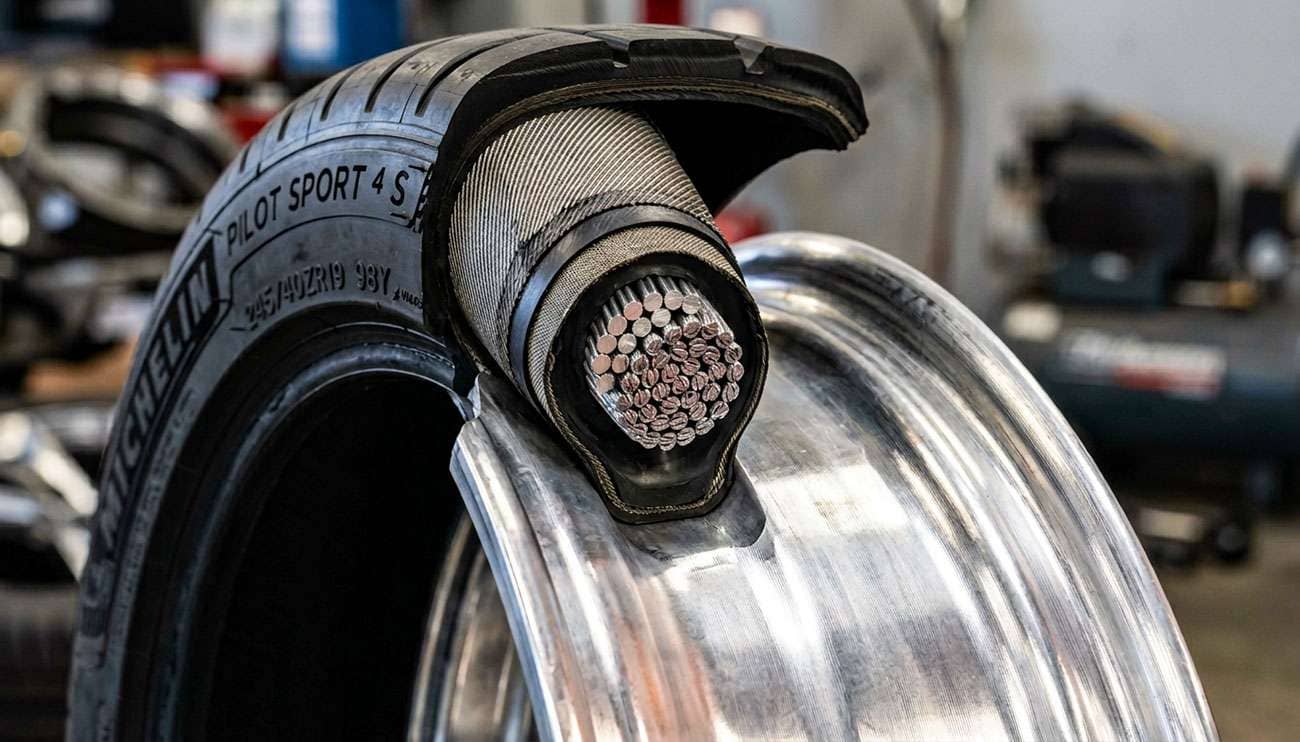
The tire bead is a reinforced loop of high-tensile steel wire — or in some performance applications, Kevlar or aramid fiber — that runs around the inner edge of the tire's sidewall on both sides. Its entire job is to anchor your tire to the wheel rim. When you inflate a tire properly, the bead gets forced outward against the bead seat — the angled ledge on the inside lip of the rim — and creates an airtight seal. That seal holds your inflation pressure and prevents the tire from shifting laterally under hard cornering, braking, or acceleration. It sounds simple, but the engineering is precise. The bead must be stiff enough to resist deformation, yet sized accurately enough to mate with the bead seat without gaps. A mismatch of even a few millimeters causes chronic air loss or, in severe cases, a catastrophic bead blowout at speed.
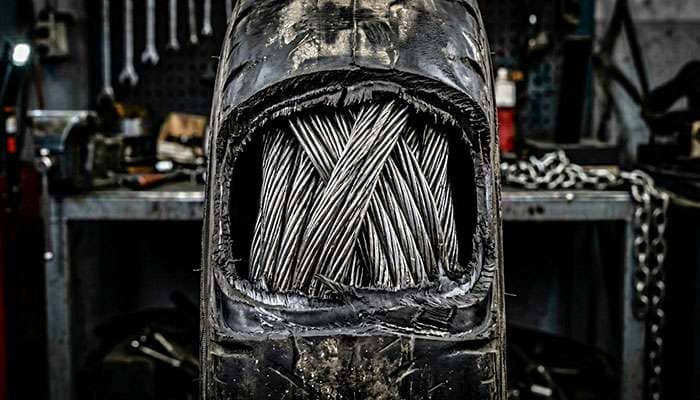
Tire beads come down to two primary specs: bead diameter and bead bundle construction. Your bead diameter must match your wheel's rim diameter exactly — a tire marked 225/55R17 has a 17-inch bead diameter, full stop. The bead bundle itself consists of multiple strands of high-carbon steel wire twisted together, wrapped in rubber, and formed into a continuous hoop. Standard passenger tires typically use a single-wire bead bundle. Load-rated truck and SUV tires often run two or three overlapping bead bundles to handle higher inflation pressures and load forces — sometimes exceeding 80 PSI in heavy-duty applications. Performance tires sometimes substitute Kevlar fiber for steel, cutting rotational weight and sharpening high-speed response. You'll also hear the term "bead seat" — that's the specific surface on your wheel rim where the bead makes contact. On most passenger wheels, the bead seat is angled at 5°, which wedges the bead firmly in place as tire pressure builds.
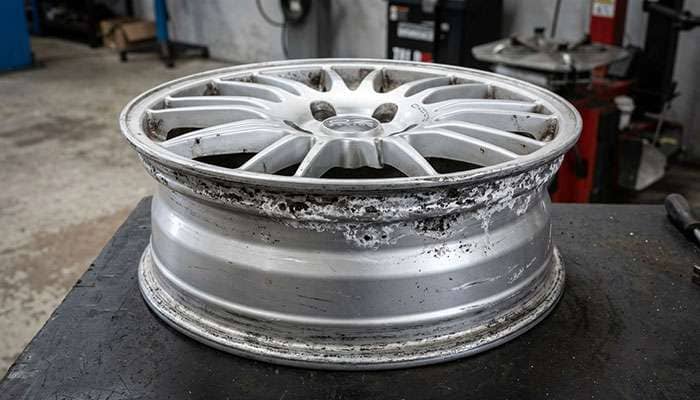
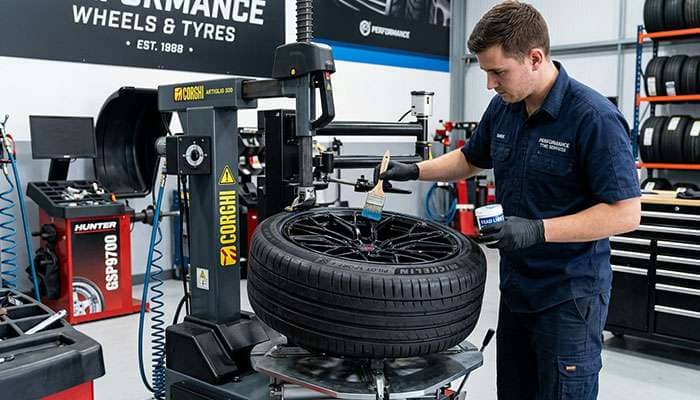
Mounting a tire on a rim with corroded bead seats is one of the most frequent mistakes I see in the field. Oxidized or pitted aluminum and steel rims don't provide the smooth, continuous contact surface the bead needs to seal. The result is a slow leak that keeps coming back no matter how many times you top off the pressure. Adding sealant won't fix it — you need to clean the rim, and in some cases have it professionally refinished. Another common error is using excessive force during mounting. If a tire bead requires extreme pressure to seat, something is wrong: the rim is out of spec, the tire is the wrong size, or the bead is already compromised. Forcing it risks tearing the wire bundle, which permanently destroys the tire and sets up a catastrophic failure. Always use proper tire mounting lubricant (bead lube) during installation — never substitute dish soap or motor oil, which degrade the rubber over time. And never run a tire at very low pressure for any extended distance. When inflation drops below roughly 20 PSI on most passenger tires, the bead can unseat from the rim — and getting it back requires professional equipment.
Your tire's sidewall doesn't call out the bead diameter as a standalone number — it's built into the size code. In a size like 265/70R16, that "16" is your bead diameter in inches. The "R" tells you it's radial construction, which directly affects how the bead integrates with the tire's internal ply structure. In radial tires — which account for nearly 100% of modern passenger and light truck tires — the bead acts as a fixed anchor point for the radial plies running bead to bead across the tire's cross-section. In older bias-ply tires, the plies run at angles and wrap around the bead differently, which is why vintage and antique vehicles often need specialized tire expertise. Load index ratings tie back to bead design as well: a higher load index means a more robust bead bundle engineered to handle the tension from higher inflation pressures, sometimes topping 80 PSI in commercial truck applications.
You're probably not shopping for "a tire with a Kevlar bead" the way you shop for tread pattern — but bead construction is a meaningful differentiator between tire categories that directly affects your driving experience. The type of bead in a tire tells you exactly what that tire was built for: standard steel beads for everyday driving, reinforced multi-bundle beads for trucks and SUVs with serious towing or payload demands, and lightweight fiber beads for performance and motorsport use. Match the bead technology to your actual driving needs, and you get more value, fewer headaches, and a tire that performs the way you expect it to.
Fitment comes first, always. Your tire's bead diameter must match your wheel's rim diameter — there is zero flexibility here. Beyond diameter, confirm that the tire's load rating meets or exceeds your vehicle manufacturer's minimum specification. That rating tells you the bead is engineered for the structural demands your vehicle puts on it. For trucks and SUVs with towing capacity, target tires with load range E or higher, which means multi-wire bead bundles built for sustained high-pressure operation. For passenger cars on standard 16–18 inch wheels, a standard steel bead handles most driving conditions without issue. If you're running a classic or vintage vehicle with older rim profiles, the bead seat geometry may differ from modern standards — this is exactly where working with a specialist pays off. You can explore options built specifically for those applications when shopping for classic tires engineered to mate with period-correct wheel dimensions.
If you push your car hard on track days or canyon roads, bead integrity under lateral load is a legitimate concern. Standard tires are designed for road loads — but aggressive cornering generates significant lateral forces that try to roll the bead off the seat. Performance and ultra-high-performance tires compensate with stiffer sidewall construction and more robust bead bundles. Many also use a "bead filler" — a wedge of dense rubber just above the bead that stiffens the lower sidewall and maintains bead seating under hard cornering loads. Off-road driving changes the equation entirely: you want a bead that stays seated at very low tire pressures, since airing down to 15–20 PSI for rock crawling or sand driving dramatically reduces the interference fit between bead and rim. Beadlock wheels solve this by mechanically clamping the bead with an outer ring, though they're not street-legal in most states for daily use. If your vehicle spends real time on dirt and gravel trails, look specifically for tires with reinforced bead areas designed for aired-down operation.
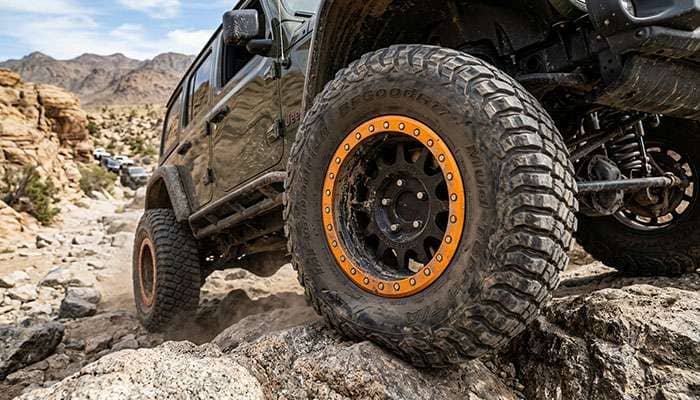
The gap in bead construction between budget and premium tires is real — and it rarely gets acknowledged. Budget tires from lesser-known brands can use thinner bead wire bundles, lower-grade rubber compounds around the bead area, and looser diameter tolerances. The practical result is a higher rate of slow bead leaks, less resistance to damage from curb strikes and potholes, and faster deterioration of the bead seal over the tire's service life. Premium tires from manufacturers like Michelin and Bridgestone invest in tighter bead diameter tolerances, higher-quality wire and fiber compounds, and more durable bead rubber formulations. If you're mounting tires on alloy wheels and expecting 40,000–60,000 miles of service, premium bead construction translates directly into fewer pressure checks, fewer shop visits, and a more consistent driving experience. If budget is a constraint, financing options are available through Performance Plus Tire's financing program to get you into a better-quality tire without the full upfront cost.
Bead Type |
Construction |
Best Application |
Typical Pressure Range |
|---|---|---|---|
Standard Steel |
Single wire bundle, rubber coated |
Passenger cars, light SUVs |
30–44 PSI |
Multi-Bundle Steel |
Two or three overlapping wire bundles |
Trucks, SUVs, load-rated tires |
50–80 PSI |
Kevlar/Aramid Fiber |
Woven fiber bundle, lightweight |
Performance, motorsport |
30–50 PSI |
Beadlock (mechanical) |
External clamping ring on wheel |
Extreme off-road, aired-down use |
5–20 PSI |
Once you understand how bead construction affects performance and longevity, matching the right tire to your situation gets much easier. The recommendations below are organized by driver profile, with a focus on tires where bead quality and seating reliability are standout strengths — not just tread pattern or marketing claims.
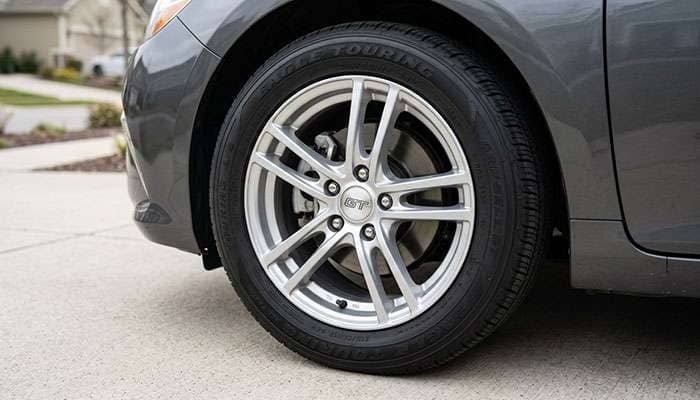
Everyday drivers putting 12,000–15,000 miles per year on a sedan, crossover, or minivan need one thing above all: a tire that holds a reliable bead seal across a long service life with zero maintenance drama. All-season touring tires deliver exactly that. Goodyear's Assurance WeatherReady and the Michelin Defender series are consistently strong performers in this space — both use tightly toleranced bead construction that resists the gradual air loss that plagues cheaper alternatives. These tires cover rims in the 15–19 inch range, which fits the vast majority of commuter vehicles, and their bead rubber compounds stay pliable and seal-effective across a wide temperature range, from summer heat to winter cold. Browse the full selection of all-season tires to compare fitment options for your specific vehicle.
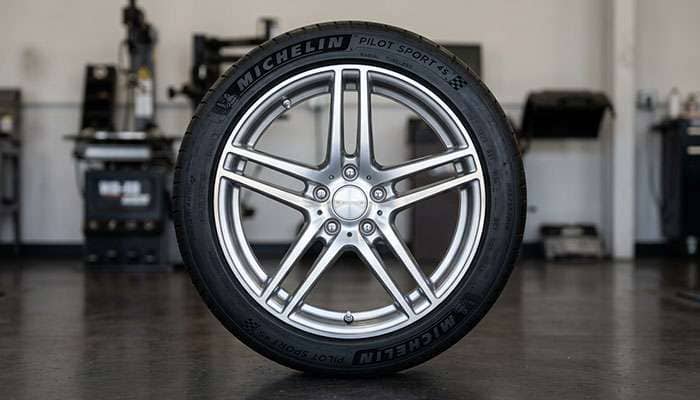
Sports car drivers, tuned street car owners, and anyone taking their vehicle to track events need a tire whose bead construction can withstand the lateral forces generated at the limits of grip. Ultra-high-performance summer tires in this category typically pair Kevlar or multi-layer steel bead bundles with stiff bead filler inserts that maintain sidewall integrity under hard cornering. The Michelin Pilot Sport 4S, Continental ExtremeContact Sport, and Pirelli P Zero series all feature reinforced bead areas engineered specifically for this kind of use. They also run tighter bead-to-rim diameter tolerances from the factory, which means more consistent initial seating and better long-term seal retention. One critical note for performance drivers: always have these tires mounted by a shop with real experience on low-profile, stiff-sidewall fitments. Improper mounting technique is the leading cause of bead damage during installation on this tire class, and that damage happens before you ever leave the shop.
Budget tires don't have to mean compromised bead quality — but you need to shop selectively. Among value-tier brands, target tires manufactured in facilities that also supply OEM fitments to major automakers. Those plants maintain tighter quality tolerances across their entire production run, not just their premium lines. Brands like Hankook and Falken deliver genuinely solid bead construction at mid-range price points — their manufacturing processes are far closer to premium brands than to the lowest-cost imports. When evaluating any budget tire, check the UTQG treadwear rating and DOT date code, but also dig into owner reviews specifically for reports of chronic air loss or bead seating problems. A tire that demands constant inflation attention is never the bargain it appears to be. If you need help with the upfront investment, Performance Plus Tire's financing program can get you into a higher-quality tire without carrying the full cost on day one.
The tire bead is a small component with enormous responsibility. It keeps your tire locked to your wheel through every acceleration, cornering input, and hard braking event your vehicle experiences. When it fails — from damage, corrosion, improper mounting, or a tire that's simply past its service life — the consequences range from a frustrating slow leak to a sudden, dangerous pressure loss at highway speed. Understanding what the bead is, how it works, and what separates high-quality bead construction from budget alternatives gives you a real advantage every time you shop for tires.
The principles are straightforward: match your bead diameter to your rim diameter exactly, choose bead construction that fits your load demands and driving style, and never skip proper mounting lube or professional installation on performance and low-profile tires. Keep your wheel's bead seat surfaces clean and free of corrosion. And replace your tires before the bead area rubber shows cracking or deformation — that typically means before 6–10 years from the DOT manufacture date, regardless of how much tread remains.
At Performance Plus Tire, we carry tires across every category with beads engineered for their intended application. Whether you're shopping for a daily driver, a performance machine, or a truck that earns its keep, our team can point you to the right fit fast. Browse our full tire selection and use our vehicle fitment tools to find exactly what your wheels need.
Here's what you need to remember about tire beads before your next tire purchase or service appointment.
• The bead is your tire's anchor: It's the steel or fiber-reinforced loop that locks your tire to the rim and creates the airtight seal that holds inflation pressure — without it, no tire stays mounted.
• Bead diameter must match rim diameter exactly: A 17-inch tire bead goes on a 17-inch rim — there is no workaround, and even small mismatches cause persistent air leaks or mounting failures.
• Bead construction varies by application: Standard steel beads suit most passenger cars; multi-bundle steel beads handle truck and SUV load demands; Kevlar beads reduce weight for performance applications.
• Corrosion and improper mounting cause most bead leaks: Keep your rim's bead seat clean, always use bead lubricant during mounting, and never force a tire that isn't seating properly.
• Premium bead construction pays off over time: Higher-quality tires use tighter tolerances and more durable bead rubber, which translates to fewer chronic leaks and longer reliable service life — especially important if you're investing in new wheels.
The most common causes of a tire bead leak are corrosion or pitting on the wheel's bead seat surface, damage to the bead wire bundle from a hard curb strike or pothole impact, improper mounting that nicks or tears the bead rubber, and bead rubber that has stiffened or cracked with age. Running a tire chronically under-inflated can also cause the bead to unseat and create a leak. In most cases, a bead leak requires professional diagnosis — a tire sealant product won't reliably fix it long-term.
In most cases, a damaged tire bead cannot be safely repaired. The bead is a structural component — if the wire bundle is kinked, broken, or severely deformed, the tire can no longer seat properly or maintain pressure under load. Tire Industry Association (TIA) standards do not permit repairs to the bead area. If your tire has bead damage, replace it. Continuing to drive on a compromised bead risks sudden deflation, especially at highway speeds or under cornering loads.
Seating the bead means inflating a newly mounted tire until the bead snaps into full contact with the rim's bead seat on both sides of the wheel. When a tire is mounted without lubricant or inflated too slowly, the bead can stay partially unseated — sitting in the rim's drop center rather than on the angled bead seat. A properly seated bead creates a continuous, airtight seal around the entire circumference of the rim. You'll typically hear a distinct "pop" when each side seats. Professional mounting equipment inflates tires to a controlled pressure — usually 30–40 PSI for passenger tires — to achieve full seating before the valve core is installed.
Steel bead tires use a bundle of high-tensile steel wire to form the bead hoop, delivering high strength, durability, and resistance to deformation. Kevlar (aramid fiber) bead tires replace that steel with woven synthetic fiber that is stronger than steel by weight but significantly lighter. The real-world benefit is reduced rotational mass — which contributes to slightly sharper acceleration and braking response — plus greater resistance to deformation from road hazards. Kevlar bead tires are most common in performance and ultra-high-performance categories. For everyday driving, a steel bead is completely adequate and generally more cost-effective.
After mounting and inflating a tire, a technician checks bead seating by inspecting the bead line — a small raised rib molded into the tire sidewall just above the rim flange. That line should appear at a uniform height above the rim all the way around on both sides. If it dips lower anywhere, the bead isn't fully seated at that point. A properly seated tire also holds inflation pressure stable over 24 hours without significant loss. If you take a new tire home and it's lost more than 2–3 PSI overnight, go back to the installer for a bead seating re-check before assuming the tire or valve stem is the source of the leak.



