
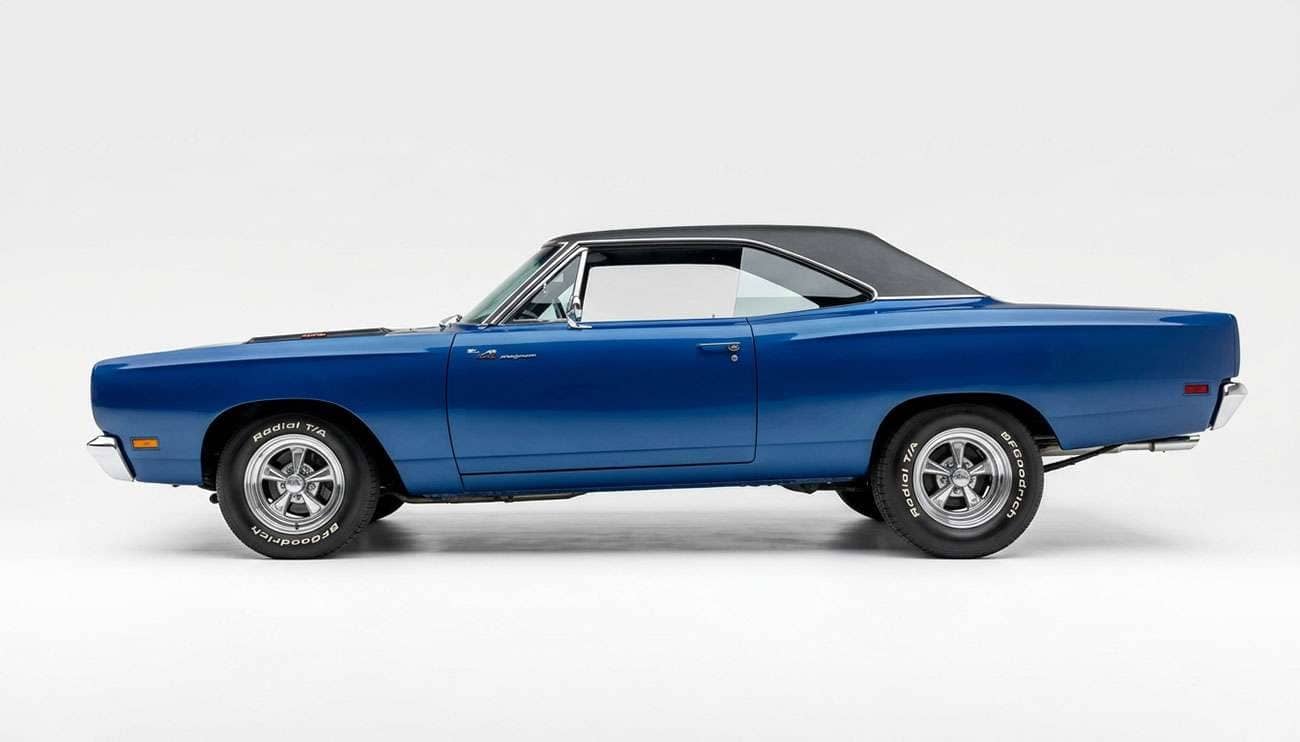
Ever notice how some cars look fast just sitting in a parking lot? You haven't heard the engine, you haven't seen them move, but something about the way the thing sits makes your eye go right to it. Nine times out of ten, what you're looking at is rake. It's the oldest trick in the hot rod book, and after fifty-some years around these cars I can tell you it's the single cheapest way to make a build look right or make it look all wrong.
Folks ask me all the time why their car looks a little off even after fresh paint and new wheels, and the answer is almost always the stance. So let's talk about what rake really is, where the look came from, and how the wheels and tires under your car set the whole thing.
Rake is just the difference in ride height between the front of the car and the back. When the nose sits lower than the tail, that's forward rake, and that's the classic hot rod attitude, a car that looks like it's leaning into the launch even when it's parked. When the back end sits lower than the nose, that's reverse rake, and outside of a few specific cases it almost always looks wrong.
There's a reason for that. A nose-down car reads as aggressive and purposeful to the eye. A tail-down car reads as either broken or like it's hauling a load it can't handle. The extreme version of reverse rake, where the front is jacked way up over a dropped rear, is the look people call the Carolina Squat, and it's not just ugly, it throws off the headlights, the handling, and in plenty of places it's flat-out illegal now. Keep the nose down or keep it level, and you'll never go wrong.
The forward rake we all chase didn't come out of a styling studio. It came off the drag strip. Back in the gasser days, guys were running great big tall tires on the back for traction and skinny little tires up front to cut weight and rolling resistance. Stick a tall tire on the back and a short one on the front and what happens? The back of the car sits up and the nose drops. The rake was an accident of going fast, and it looked so mean that everybody started copying it on the street.
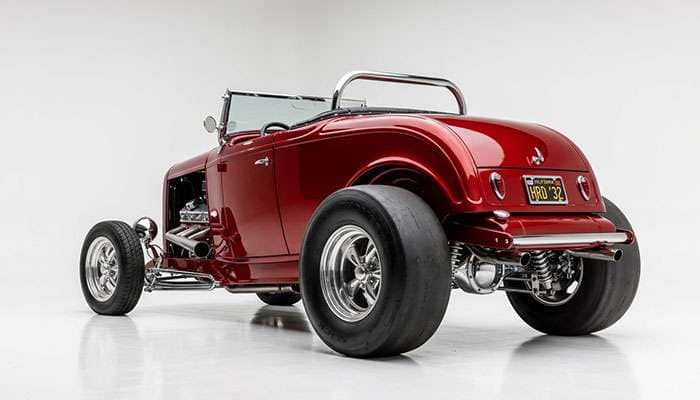
That's the heritage every traditional hot rod and drag-flavored muscle car is borrowing from. A little nose-down says strip-ready, says this thing means business. It's the same instinct that makes a sprinter crouch at the blocks. Lean it forward and it looks ready to go.
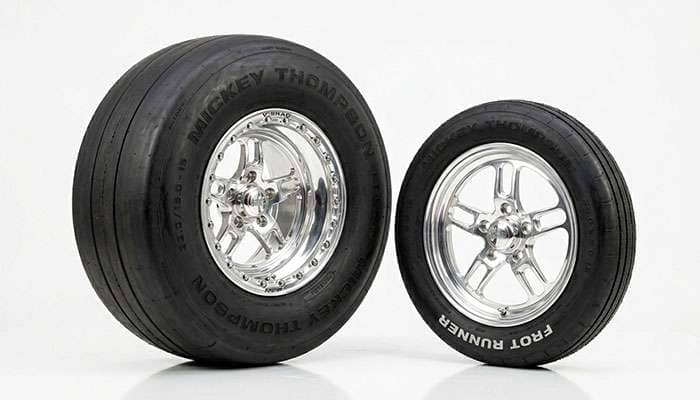
Here's the part a lot of folks miss: you can build rake right into the car with nothing but your tire and wheel choices, before you ever touch a spring. The old-timers called it running big-and-little, a tall wide tire on the back and a shorter narrow one up front. The difference in overall diameter front to rear tips the whole car forward. That's why a proper drag stance and a proper rake go hand in hand, and why our rundown on the muscle car staggered setup is worth a read before you order rubber.
The key number is the tire's overall diameter, not just the width. A taller sidewall or a bigger rear wheel-and-tire package raises the back; a shorter front package drops the nose. If you're trying to hit a certain look, get your sizes figured before you buy, because a half inch of sidewall changes the whole attitude. Our muscle car wheel size guide lays out the common combinations, and if you want to run the math on diameters before committing, the plus-size calculator guide keeps you from guessing.
One word of caution from somebody who's seen it go sideways: a taller rear tire has to fit. Stuff too much tire under the back and you'll be rubbing the fender or the frame at every bump. Before you go big on the rears, check what'll actually clear with our guide to the biggest tire without a lift.
Tires set the foundation, but most builders fine-tune the final stance at the suspension. There are really only three ways to get there: drop the front, raise the rear, or do a little of both. Lowering the front with the right springs or drop spindles is the most common path because it gets you that nose-down look without messing with the back of the car. Some guys raise the rear instead, though raising the back too much with the wrong parts can invite wheel hop and other handling gremlins, so that road takes more care.
The combination approach, a touch off the front and a touch onto the rear, gives you the most control over the exact angle. Whichever way you go, here's the rule I won't let anybody skip: anytime you change ride height, you've changed the suspension geometry, and that means you need a fresh alignment afterward. Camber and toe move when the car goes up or down, and a car that's out of alignment will chew through a new set of tires in a hurry. Get it on the rack and squared away. Our overview of wheel alignment explains why it matters so much after a ride-height change. And if you're cutting springs or swapping spindles, this is honest-to-goodness suspension work, so if it's over your head, hand it to a good chassis shop.
This is where everybody wants a magic number, and the truth is there isn't one. The right amount of rake depends on what kind of car you're building and what look you're after. A traditional hot rod wears more attitude than a corner-carver ever should. Here's how I'd think about it by build style.
Build Style |
Stance |
Why |
|---|---|---|
Traditional hot rod |
Slight nose-down forward rake |
That forward-leaning, ready-to-launch look rooted in the gasser era |
Drag-flavored muscle |
Mild nose-down with tall fat rears |
Big-and-little tires sit the back up naturally and say strip-ready |
Pro-Touring |
Level or just about level |
Built to corner, so even ride height keeps the handling balanced |
Lowrider or custom |
Slammed level, or adjustable on air |
Air or hydraulics let you set the attitude on demand |
The mistake I see most is overdoing it. A little rake looks fast; too much looks like a cartoon. On most street cars you're talking about a subtle drop of the nose over the length of the car, not a dramatic wedge. If people can tell your car is raked from across the parking lot, you've probably gone too far. When in doubt, dial it back a hair. Subtle reads as taste; extreme reads as trying too hard.
Stance is mostly about looks, I won't pretend otherwise, but ride height does change how the car behaves, so it's worth knowing. Raking a car shifts weight and changes the corner balance. A nose-down attitude moves a bit more bite to the front, and a tail-high setup can make the back end livelier. On a street car at street speeds the handling difference is small, but it's real, which is exactly why the Pro-Touring crowd keeps their cars level when they're chasing lap times.
There are a few practical things to keep an eye on too. Drop the nose and your headlights point lower, so check your aim after a big change. Run a big tire and tuck it under a lowered fender and you've got less clearance, especially at full steering lock, so make sure nothing rubs before you call it done. And remember that alignment again, because ride-height changes move your camber and caster whether you wanted them to or not. None of this should scare you off a good stance. Just go in knowing the stance and the setup are tied together, and treat them as one job.
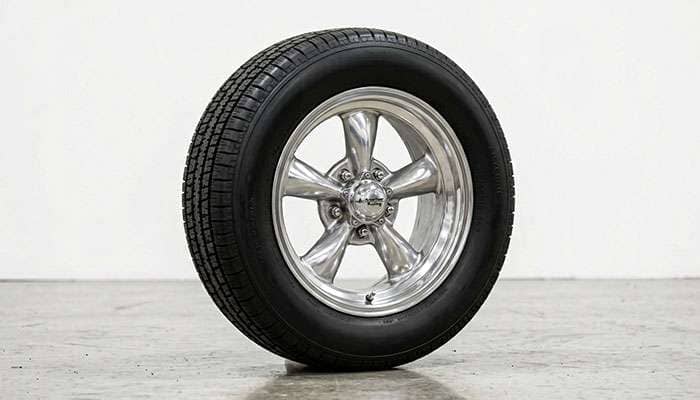
A good rake deserves the right wheels under it, and nothing kills a classic stance faster than rolling stock that doesn't fit the era. The five-spoke mag is the timeless choice, and the American Racing Torq Thrust D and Classic Torq Thrust II are the wheels that defined the muscle car look in the first place. They take a staggered fitment beautifully, so you can run a wider rear to help set that rake. You can browse the full range on our American Racing wheels page.
If your build leans more traditional, a set of smoothies or the American Legend Streeter gives you that clean, old-school face, while the classic Cragar five-spoke is about as period-correct as it gets for a street machine; have a look at our Cragar wheels. For the all-important tall rear tire that does so much of the rake work, the Mickey Thompson lineup has the sizes that make a back end sit up right, and you'll find them on our Mickey Thompson tires page. Not sure what fits your build? Start at the classic car wheel styles guide, then call the shop and we'll help you size it.
Whatever you bolt on, get the diameters worked out first, because as we covered, the wheel and tire package is doing half the work of setting your stance. For the full picture on putting a classic rolling setup together, our hot rod wheel and tire guide ties it all together.
Rake is the look that makes a car look fast standing still, and the beauty of it is that it doesn't take a fat checkbook to get right. Keep the nose down or keep it level, never let the tail sit lower than the front, and remember that the right wheels and tires set most of your stance before a single spring gets touched. Get the diameters figured, get the car aligned after any ride-height change, and don't overdo the angle. Do that, and your build will have that ready-to-pounce attitude that's been turning heads since the gasser days. That's the whole secret, and now it's yours.
Rake is the difference in ride height between the front and rear of the car. Forward rake means the nose sits lower than the tail, which is the classic aggressive hot rod stance. Reverse rake means the tail sits lower than the nose, and it generally looks wrong and can hurt handling and headlight aim.
The nose-down look traces back to drag racing, where cars ran tall, wide rear tires for traction and short, narrow fronts to save weight. That tire combination sat the back up and dropped the nose, creating a forward-leaning stance that looked fast and got copied on the street ever since.
Yes. A taller overall rear tire diameter raises the back of the car, and a shorter front diameter drops the nose, which builds forward rake into the stance through the wheels and tires alone. This big-and-little approach sets much of your stance before you adjust the suspension at all.
On most street cars a slight nose-down drop over the length of the car looks right. If the rake is obvious from across a parking lot, it's usually too much. Traditional hot rods can wear a bit more attitude, while Pro-Touring cars built for handling stay near level. When in doubt, dial it back.
Absolutely. Lowering the front or raising the rear changes the suspension geometry, which moves your camber, caster, and toe. Skip the alignment and you risk uneven, premature tire wear and unpredictable handling. Always get the car aligned after any ride-height change.



