
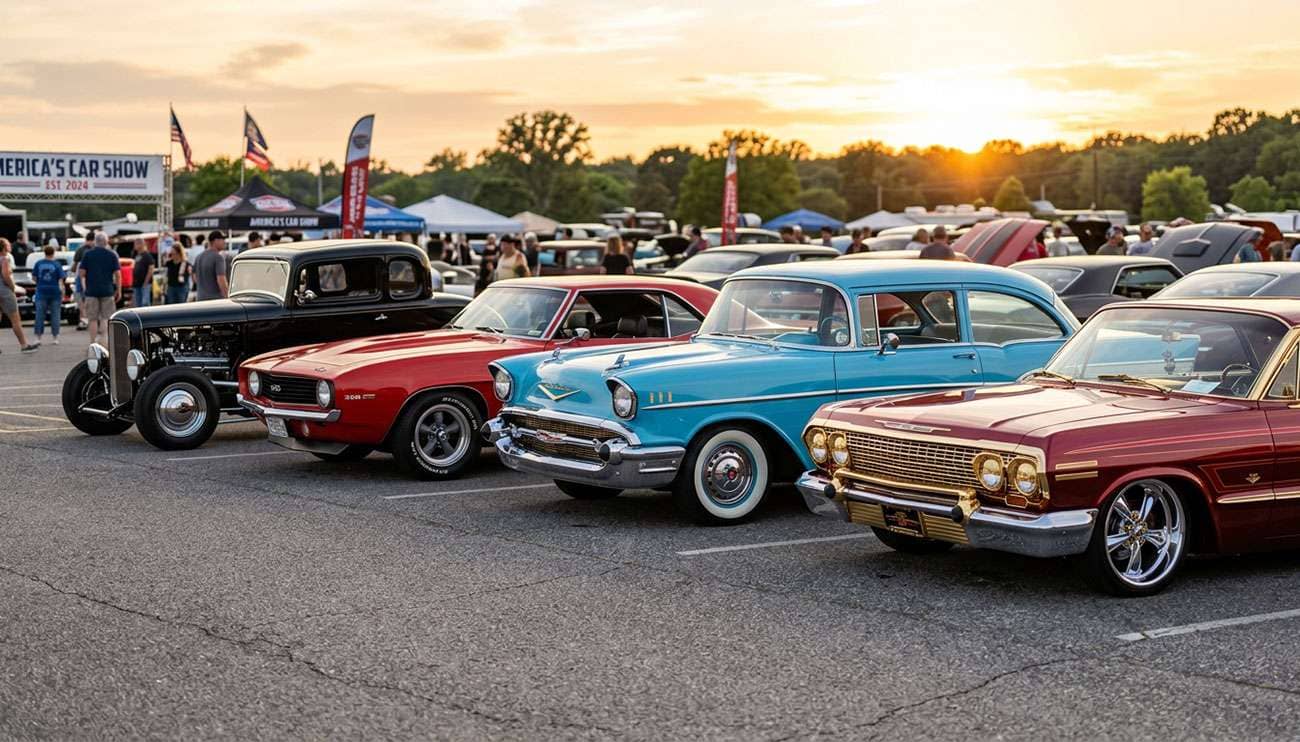
I've been fitting wheels to classic cars since before some of you were born. And in all that time, one thing hasn't changed: the wheels make the car. You can drop a $40,000 engine into a '55 Chevy, but if the wheels are wrong, nobody's looking at the engine. Get the wheels right and the whole car comes alive — stance, attitude, personality. Everything clicks.
The good news is that the classic car wheel market has never been stronger. You've got more choices today than at any point in automotive history. The bad news? That can make choosing overwhelming, especially if you're building your first car or restoring one for the first time. So let me break down the seven wheel styles that have stood the test of time, which builds they belong on, and where to find the best versions of each — including two brands we're proud to carry that come straight from the heart of hot rod culture.
The smoothie is the most elemental wheel in the classic car world. No spokes. No slots. No pattern. Just a clean, uninterrupted dish of steel or aluminum with a baby moon cap or a dog dish hubcap in the center. It's the wheel equivalent of a blank canvas, and that's exactly why builders love it — a smoothie never competes with the rest of the car. It complements.
Smoothies first appeared on 1930s and 1940s cars as basic steel wheels, but hot rodders in the 1950s started running them stripped down with chrome reverse rims and small caps. That look became synonymous with the traditional hot rod aesthetic — think chopped coupes, dropped sedans, and primer-black rat rods. Today, that same look works just as well on a fully polished show car as it does on a rusty-fender patina build.
Our Hot Rod Hanks Smoothie is one of our most popular sellers in this category. It comes in chrome, gloss black, and even red — and yes, guys actually run the red ones on period-correct Coca-Cola themed builds. They're available in 15- and 16-inch sizes with proper backspacing for most classic American cars. If you want the same clean look in a more refined package, the American Racing VN31 Smoothie in chrome is the industry standard and has been for decades.
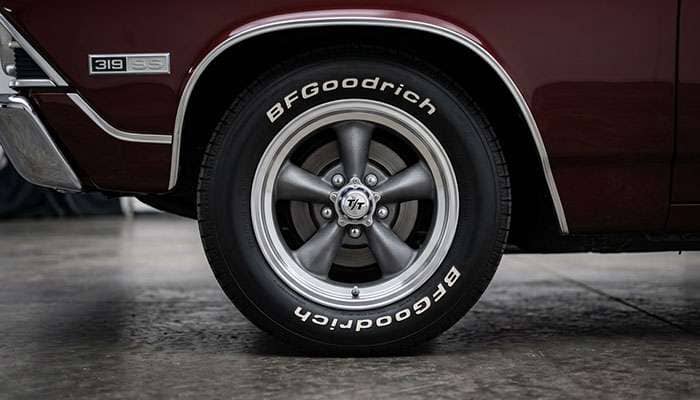
If there's one wheel that defined American car culture, it's the Torq Thrust. American Racing introduced it in the late 1950s as a lightweight performance wheel for drag racing, and it crossed over into street cars almost immediately. By the mid-1960s, every magazine cover muscle car had Torq Thrusts. Steve McQueen's Mustang in Bullitt ran them. The Dukes of Hazzard General Lee ran them. They've appeared in more movies, TV shows, and car magazine covers than any other wheel in history.
The design is simple: five swooping spokes with open windows that flow air to the brakes. Gray center with a polished lip. It works on everything from a '32 Ford to a '72 Chevelle, which is why it's survived for over 60 years without ever looking dated.
We carry the full American Racing Torq Thrust lineup — the VN205 Classic Torq Thrust II is the one most people picture when they think of this wheel, with the mag gray center and polished lip. The VN215 is the one-piece version for a cleaner look. If you want something darker, the VN315 comes in gloss black with a machined lip that absolutely transforms a blacked-out muscle car. Sizes run from 14 inches all the way up to 20 inches, so you can fit everything from a period-correct Camaro to a pro-touring LS-swapped truck.
Rally wheels hit the scene in the late 1960s as a factory upgrade option on GM, Ford, and Mopar muscle cars. They replaced the standard steel wheel with a styled steel design — a silver or charcoal center with a polished trim ring and center cap. It looked like an alloy wheel without the alloy price tag, and it was tough enough to handle the abuse of everyday driving.
The rally wheel is the go-to choice if you're doing a factory-correct restoration or if you want that unmistakable late-1960s through mid-1970s look. A '69 Camaro Z/28 with rally wheels and trim rings looks exactly right. So does a '72 C10 pickup. The style is clean, understated, and immediately recognizable to anyone who grew up in that era.
The Hot Rod Hanks 55 Rally in silver is our house brand option and it delivers exactly what you'd expect — correct proportions, proper trim ring fitment, and a price point that makes it easy to outfit a full set. The Boyd Coddington 55 Steel Rally gives you the same style with Boyd's name behind it, available in silver and satin black. Both brands cover the common 15×7 and 15×8 sizes that fit most classic GM and Ford applications.
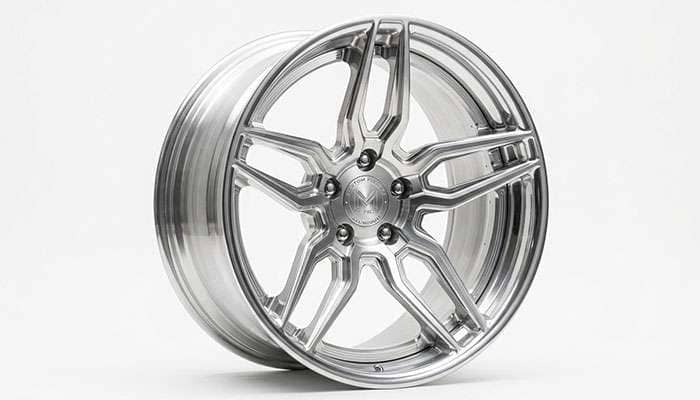
Billet wheels changed the game when they arrived in the 1980s and 1990s. Instead of casting or stamping a wheel from a mold, manufacturers started machining them from solid blocks of 6061-T6 aluminum on CNC mills. The result was a wheel with mirror-polished surfaces, razor-sharp spoke edges, and designs that simply weren't possible with traditional manufacturing. Billet became the language of the high-end show car and street rod world.
And nobody spoke that language louder than Boyd Coddington.
Boyd was a hot rod builder in Long Beach, California, and his custom billet wheels became some of the most recognizable designs in automotive history. The Smoothie. The Blaster. The Bonneville. The Junkyard Dog. Each one became iconic in its own right, and they set the standard for what a premium classic car wheel should look like. Boyd's legacy lives on through the Boyd Coddington Wheels brand, and we're proud to carry the full lineup at Performance Plus Tire.
Today, Boyd Coddington offers both two-piece billet wheels with CNC-machined 6061-T6 centers and more affordable one-piece cast wheels in classic Boyd designs. The billet pieces are the real showstoppers — designs like the Crown Jewel, the Dictator, and the Evolution feature the kind of intricate machining detail that stops people in their tracks at car shows. The cast Junkyard Dog series gives you that iconic Boyd five-spoke look at a fraction of the billet price, in both chrome and polished finishes.
If you're building a car to win shows, billet is the way to go. The polished finish, the precision, the weight — nothing else makes the same statement.
Before alloy wheels existed, every car rolled on pressed steel. And two steel wheel designs from that era have become icons of the traditional hot rod scene: the artillery wheel and the D-window.
The artillery wheel gets its name from military artillery pieces — it has thick, heavy spokes radiating from a center hub, like a wagon wheel made from steel. It was the standard wheel on 1930s and early 1940s Fords, and it's become the signature wheel for traditional-style hot rods and rat rods. If you're building a highboy roadster or a chopped five-window coupe and you want it to look like it rolled out of a 1950s speed shop, artillery wheels are non-negotiable.
The D-window — named for the D-shaped openings in the wheel face — was another factory steel design that hot rodders adopted. It's a step up from the artillery in terms of visual lightness, and it works beautifully on 1940s and early 1950s builds.
Hot Rod Hanks builds both styles. The Hot Rod Hanks Artillery comes in gloss black — the correct color for a period-accurate build. The Hot Rod Hanks 42 D Window comes in gloss black with red and blue stripes, which is a head-turning detail that references the original military-spec markings some of these wheels carried. These are steel wheels built to vintage specs with modern manufacturing consistency, and they pair perfectly with wide whitewall or blackwall bias look radial tires.
In the 1940s and 1950s, racers on the Bonneville Salt Flats and at the dry lakes in California ran lightweight magnesium wheels made by a company called Halibrand. Those wheels — with their distinctive kidney-shaped windows and quick-change center knockoff — became the symbol of American speed. Owning a real set of vintage Halibrands today will cost you thousands. But the style is available in modern reproductions that capture the look perfectly.
American Racing's VN470 and VN471 Salt Flat Special wheels are the go-to modern interpretation. They deliver the Halibrand-inspired kidney slots and the polished or mag gray finishes that look right on lakester-style builds, traditional roadsters, and early muscle cars. The Boyd Coddington Bonneville is another excellent option if you want a billet take on the salt flat aesthetic — it's CNC-machined with the kind of detail that honors the original racing heritage while adding a modern level of polish.
Salt flat wheels look best on cars with a speed-focused narrative. A Deuce roadster with a flathead. A '40 Ford coupe with a small block. A nostalgia drag car. If your build tells a story about going fast, these are the wheels that complete the sentence.
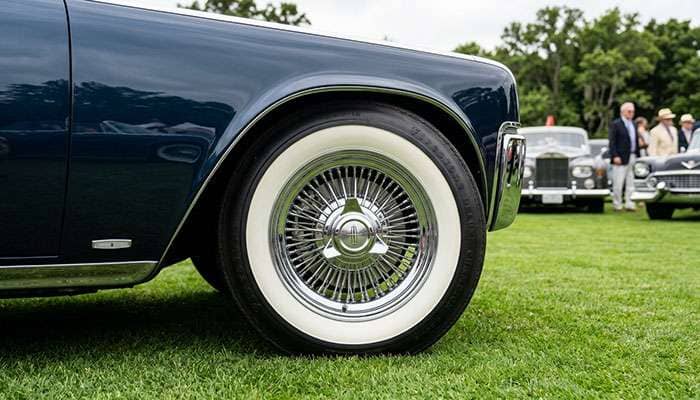
Wire wheels are the oldest wheel style on this list. They date back to the early 1900s and were standard equipment on everything from Rolls-Royces to MGs to Jaguars. In America, they became associated with luxury — Cadillacs, Lincolns, and high-end customs. A set of chrome wire wheels with knock-off spinners is still one of the most elegant looks you can put under a classic car.
Wire wheels require a bit more commitment than other styles. Most are tube-type wheels, meaning you'll need inner tubes with your tires. They need regular maintenance to keep the spokes tight and the chrome clean. And proper knock-off spinners need to be installed with a lead hammer, not a regular hammer — a detail that trips up a surprising number of first-timers.
Boyd Coddington's Forged Wire wheel gives you the wire spoke look in a forged aluminum construction, which eliminates the tube requirement and dramatically reduces maintenance. It's a modern engineering solution for a timeless aesthetic. For traditional chrome wire wheels, check out our classic wheels selection for options that fit everything from pre-war British sports cars to 1960s American luxury sedans.
With seven strong options, here's how I narrow it down when a customer calls:
Pre-war (1920s–1940s): Artillery, D-window, wire wheels, or smoothies. These are the period-correct choices. Post-war through 1950s: Smoothies, wire wheels, or Halibrand-style. Early muscle car (1960s–early 1970s): Torq Thrust, rally wheels, or Cragar-style slots. Late muscle and pro-touring: Billet, or modern takes on Torq Thrust in larger diameters.
Show car that gets trailered: Billet all day. The polished finish and CNC detail are made for trophy hunting. Weekend cruiser: Rally wheels, Torq Thrust, or smoothies — styles that look right without needing constant attention. Daily-driven classic: Rally or Torq Thrust in a quality cast or forged version that can handle potholes and parking lots. Rat rod or traditional build: Artillery, D-window, or smoothies with dog dish caps. Keep it raw.
Billet wheels can run $500-$2,000+ per wheel depending on the design and diameter. Cast versions of classic styles like the Boyd Coddington Junkyard Dog or American Racing Torq Thrust II typically run $150-$350 per wheel. Hot Rod Hanks steel wheels are some of the most affordable period-correct options on the market. Check out our Classic Wheels Guide for help matching styles to budgets, and make sure your wheel offset is correct before you order — nothing ruins a good wheel choice faster than wrong backspacing.
Need help figuring out the right setup? Call us at 888-926-2689 or browse our full classic wheel inventory. We build complete wheel and tire packages for classics every day — just tell us the car and the look you're going for.
The most popular classic car wheels by volume are the American Racing Torq Thrust II, smoothie-style steel wheels, and rally wheels. These three styles cover the majority of classic car builds because they work across a wide range of eras and vehicle types. Billet wheels from brands like Boyd Coddington dominate the show car segment, while artillery and D-window steels remain the top choice for traditional hot rod builds.
Yes. Boyd Coddington wheels carry a legacy that goes back to one of the most respected names in the hot rod industry. The two-piece billet wheels use CNC-machined 6061-T6 aluminum centers with tight tolerances and mirror-quality polished finishes. The one-piece cast wheels in the Junkyard Dog series use A356 cast aluminum with chrome or polished finishes and deliver solid quality at a more accessible price. Both lines are designed specifically for classic cars, muscle cars, and trucks with proper fitment specifications.
For a period-correct look, 15-inch wheels are the sweet spot for most 1960s and early 1970s muscle cars — they fill the wheel well without looking oversized and leave room for proper sidewall. A common setup is 15×7 front and 15×8 rear for a subtle staggered stance. If you want a more modern pro-touring look, 17-inch wheels are widely considered the best balance of style and tire availability. Going beyond 18 inches on a classic tends to look out of proportion and compromises ride quality.
Billet wheels are machined from a solid block of aluminum using CNC equipment, which produces tighter tolerances, sharper design details, and a denser metal structure. Cast wheels are made by pouring molten aluminum into a mold. Billet wheels are stronger, lighter, and can achieve more intricate designs, but they cost significantly more — often $500-$2,000+ per wheel versus $150-$350 for quality cast wheels. For show cars, billet is the standard. For daily-driven or weekend-cruiser classics, quality cast wheels provide excellent value.
The 1955-1957 Chevy is one of the most versatile platforms for wheel choices. For a traditional look, smoothie wheels with baby moon caps or dog dish hubcaps are the classic choice. For a performance angle, American Racing Torq Thrust wheels give it a timeless muscle car presence. For a custom or show build, Boyd Coddington billet wheels in 15- or 17-inch sizes elevate the car to another level. And for a factory-stock restoration, original-style steel wheels with full hubcaps and trim rings keep it period correct. The Tri-Five Chevy looks good with almost anything — just match the wheel style to the story your build is telling.
Yes. Classic cars have different suspension geometry, fender clearances, and brake setups than modern vehicles, which means backspacing requirements vary significantly by make, model, and year. Running the wrong backspacing can cause the tire to rub the fender, hit the suspension, or interfere with the brakes. Most classic car wheels use backspacing between 3.5 and 5 inches, but the exact number depends on your specific application. Always verify backspacing before ordering, and call our fitment specialists at 888-926-2689 if you're not sure what your car needs.



