What Are the Different Design Options for Custom Wheels?
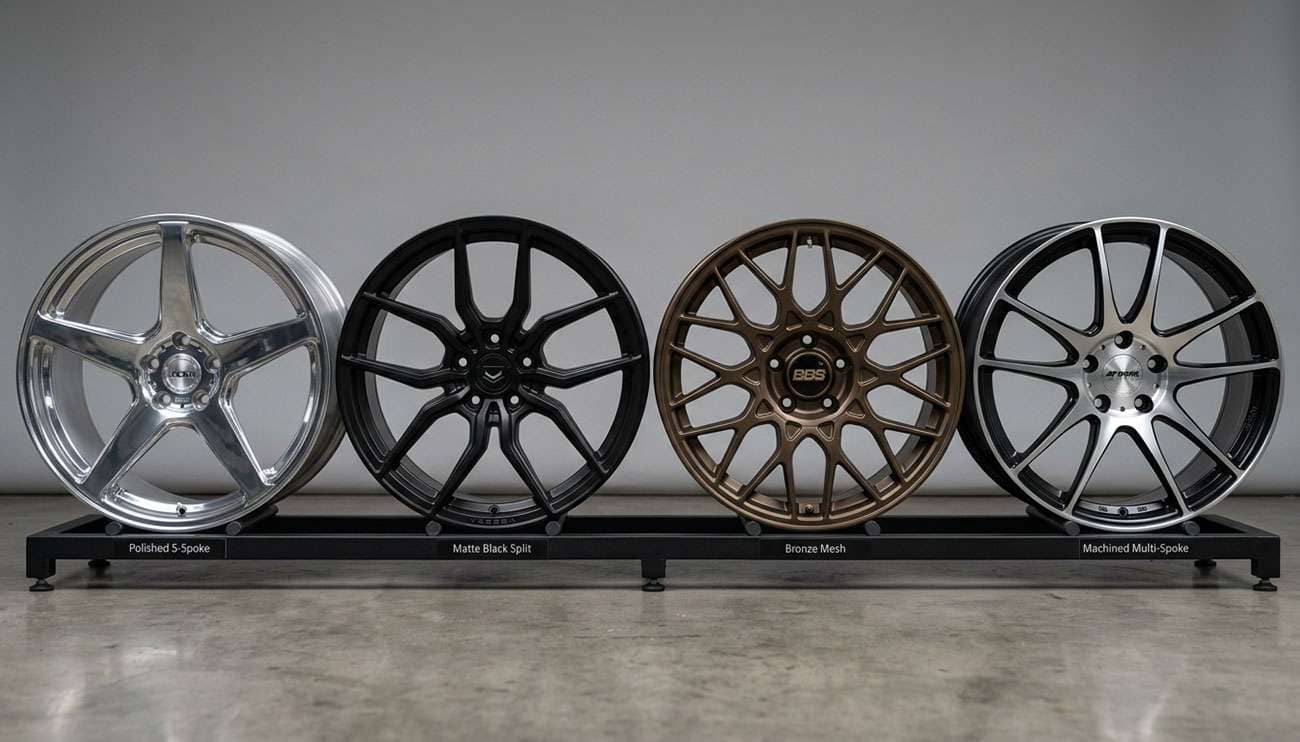
Here's the thing people don't realize when they start shopping for custom wheels: the design of a wheel isn't one choice. It's seven or eight separate choices, all stacked together. Spoke pattern, face profile, construction method, finish, customization, fitment stance, color, and size — each of those is its own decision, and they all combine into what the wheel actually looks like on your car. A 20-inch five-spoke concave forged monoblock in matte black is a completely different wheel than that same shape in polished silver with a flush fitment instead of deep-poke.
After four decades of watching customers walk through our doors trying to make sense of what they want, I can tell you the people who end up happiest are the ones who understand these decisions as separate layers. Lock in what you care about, stay flexible on what you don't. Here's what each layer actually means.
Spoke Pattern Design
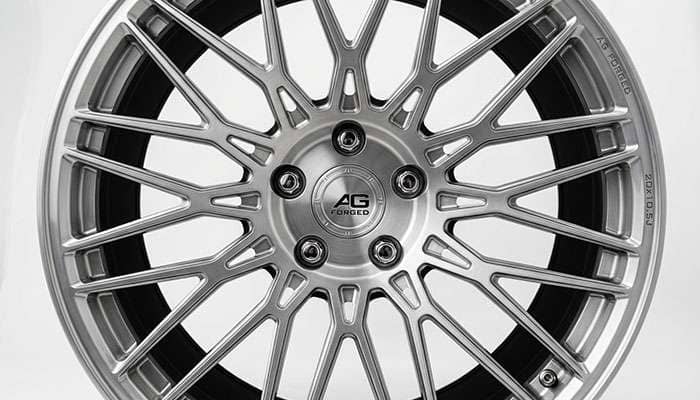
The spoke pattern is the first thing anybody sees on a wheel. It's the visual DNA. The main categories you'll see on the showroom floor:
- 5-spoke. The classic. Clean, balanced, works on nearly any vehicle. Runs the range from old-school American Racing Torq Thrust shapes up through modern track-style 5-spokes with deep concave profiles. When in doubt, 5-spoke is the safe bet.
- Multi-spoke (6, 7, 8, 10+). More spokes, more visual complexity, typically a more premium or luxury look. You'll see these heavily on European luxury cars — BMW, Mercedes, Audi. The more spokes, the busier the face reads.
- Split-spoke (double-spoke). Each "spoke" is actually two thinner spokes running parallel with a gap between them. Intricate look without the visual noise of full multi-spoke. One of the most popular styles in current catalogs.
- Mesh. Multiple thin spokes crossing each other in a woven pattern. The classic BBS RS and RC look. Works great on both vintage European and modern performance cars. Hard to clean, easy to love.
- Directional. The spokes curve in a specific rotational direction, meaning left and right sides of the car need mirror-image wheels. Aggressive, race-inspired. More expensive because you're ordering matched pairs.
- Dish / solid-face. Minimal visible spokes, lots of solid face metal. Old-school hot rod and lowrider territory. Smoothies, Cragar SS, and baby-moon hubcap looks fall in this family.
- Hybrid designs. Modern wheels often mix categories — a 10-spoke that's also split and concave, for example. Hybrid designs dominate current OE and aftermarket catalogs because they cover more visual bases.
Spoke pattern is mostly an aesthetic call, but it affects a couple of practical things: cleaning difficulty (mesh is the worst, dish is the easiest), brake clearance on big-caliper vehicles, and how the wheel reads at highway speed (more spokes blur into a solid disc). For a full rundown of wheel styles beyond just spoke patterns, the different styles of wheels covers the wider landscape.
Face Profile Design
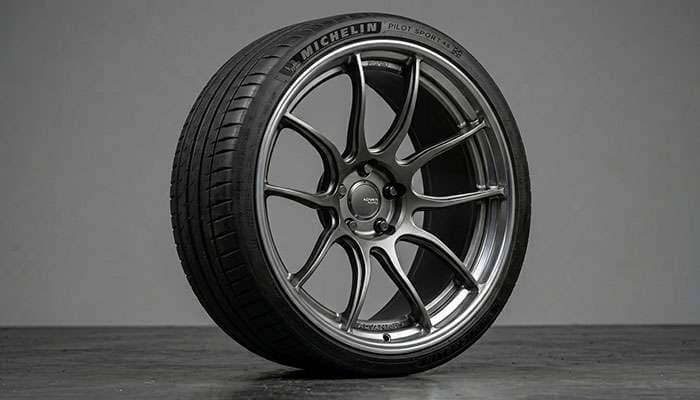
If spoke pattern is what the wheel looks like from straight on, face profile is what it looks like from a 45-degree angle. This is the dimensional shape — how deep the wheel face sits relative to the outer rim lip. From flat to deep:
- Flat face. The spokes sit level with the outer edge of the wheel. Clean, minimalist, understated. Common on older performance wheels and some modern luxury cars.
- Concave. The spokes sweep inward from the outer rim, creating a dished-out look. Modern performance signature. Available in mild, medium, and deep concave varieties.
- Deep concave. The spokes sink dramatically toward the hub. Heavy presence on BMW M-series, Porsche, and high-end aftermarket. Takes more material and machining, which pushes cost up.
- Step lip. The outer rim has a visible "step" where the face meets the barrel, creating a distinct lip. Classic multi-piece wheel look.
- Deep dish. Pronounced visible lip between the spokes and the outer edge. Strong old-school American and JDM presence. Lowered Hondas, VW builds, and Audi tuner cars love this profile.
Face profile is one of the most cost-sensitive design decisions. Deep concave and deep dish require more billet material or more complex multi-piece construction, which pushes prices significantly higher than a flat-face equivalent.
Construction Design
How the wheel is built affects weight, strength, cost — and also what design shapes are even possible. The four main construction types:
- Cast aluminum (one-piece). Most common, most affordable. Molten aluminum poured into a mold. Good for daily drivers where weight and exotic strength aren't priorities. Limited design complexity compared to forged.
- Flow-formed (one-piece). Cast wheels rolled under pressure to compress and strengthen the barrel. Lighter and stronger than standard cast, still affordable. Current sweet spot for most performance builds.
- Forged monoblock (one-piece). Machined from a single billet of aluminum. Strongest, lightest, most expensive one-piece option. Tight tolerances allow aggressive design work that cast wheels can't reproduce.
- Multi-piece (2-piece and 3-piece). The face, barrel, and (on 3-piece) inner barrel are separate pieces bolted together. Allows virtually unlimited customization — pick your face, pick your lip depth, pick your finish on each piece separately. Top of the food chain for custom work. Also the most expensive and the most service-heavy.
Construction choice determines what design options are even on the table. Deep-dish, dramatic deep-concave, and aggressive stepped-lip designs often require multi-piece construction. For the tradeoffs between multi-piece options, our custom wheel battle: 2-piece vs. 3-piece breakdown covers it in detail. For the forging methods behind the strongest wheels, see the different types of forged wheels.
One note on materials: most custom wheels today are aluminum alloy of one kind or another. You'll occasionally see magnesium alloy wheels in motorsport applications — lighter even than forged aluminum — but they're expensive, require special care, and aren't typically a street-car option.
Finish Design
The finish is the surface treatment that gives the wheel its final look and protects it from the road. Big category, lots of options:
- Painted (gloss or matte). Most common finish on modern wheels. Solid color over primer with clear coat on top. Available in every color imaginable. Cost-effective, repairable, durable when properly maintained.
- Powder coat. Dry powder electrostatically applied and baked on. Extremely durable, wider color range than paint, slightly thicker finish. Very common on off-road wheels and aggressive street builds.
- Machined face. The face of the wheel cut on a CNC lathe to expose bare aluminum, with the pockets painted (often black). The contrast between bright machined surface and painted recesses creates the look. Popular on modern trucks and performance cars.
- Polished aluminum. The aluminum polished to a mirror finish and clear-coated. Different from chrome — warmer, softer reflection. Needs regular maintenance to stay looking right.
- Chrome. Electroplated chrome over a copper-nickel base. The brightest, shiniest wheel finish, period. Luxury and show-car territory. Expensive to maintain and repair.
- Gold plating. Electroplated gold, typically on top of a polished or chrome base. Classic lowrider and show-car look. Not for the daily-driven.
- PVD (physical vapor deposition). Newer technology that creates chrome-like reflectivity in custom colors — rose gold, bronze, black chrome. More durable than traditional chrome.
- Anodized. Electrochemical process that creates a colored oxide layer integrated with the aluminum surface. Won't chip like paint. Limited color range.
- Brushed / satin. Non-polished aluminum with a consistent brushed texture. Understated, modern, growing on luxury vehicles.
Torn between polished and chrome? Our comparison on chrome vs. polished wheels covers long-term durability. For a broader look at how finish choice affects the whole build, why custom wheel finishes make or break your car's look is worth reading before you commit to anything.
Customization Methods
Beyond the factory finish, there are aftermarket customization techniques that let you change the wheel's look without replacing it:
- Hydro-dipping (water transfer printing). A printed film laid on the surface of water transfers a pattern onto the wheel as it's dipped through. Allows carbon fiber looks, camo patterns, marble, skull prints, pretty much anything. The wheel then gets clear coated. Works on one-piece wheels and individual pieces of multi-piece wheels.
- Vinyl wrapping. Thin adhesive vinyl film applied directly to the wheel face. Reversible — peel it off and you're back to the original finish. Good for trying out colors without committing, seasonal looks, or matching vehicle wraps. Won't last as long as paint or powder coat but it's not supposed to.
- Custom painting by a refinisher. Taking stock wheels to a specialty painter who can match body color, apply pinstripes, flake paint, candy coats, two-tone work, or hand-painted graphics. This is where real personalization happens for show cars and lowrider builds.
- Professional refinishing and re-powdercoating. Stripping the old finish and applying a new one. Lets you change color or refresh worn finish without buying new wheels. Common on high-dollar multi-piece wheels where replacement would cost thousands.
Hydro-dipping and vinyl wrapping are the two customization methods that have gained real traction in the last decade, especially in the street-build and enthusiast scenes. Both let you do things with wheel graphics that would have required full-custom painted wheels ten years ago, for a fraction of the cost.
Fitment and Stance Design
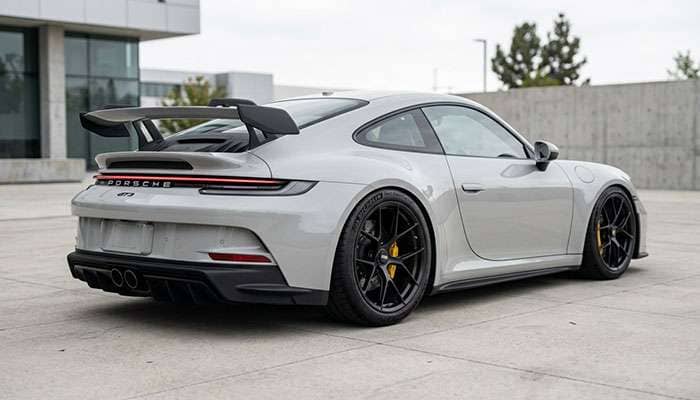
This is the dimension most people don't think about until they see it in action. Fitment and stance is about how the wheel sits in the fender well — how far in or out it pushes relative to the body. Two wheels with identical spoke pattern, finish, and face profile can look completely different on a car based on stance.
The main stance categories:
- Flush. The outer edge of the wheel sits exactly even with the fender lip. The cleanest, most "put together" look. Requires careful offset and width selection.
- Tucked. The wheel sits inside the fender, with the fender lip visible past the wheel edge. Common on lowered cars and builds going for a more OEM-plus or conservative look.
- Poke (or "poked"). The wheel sits outside the fender line. Aggressive look, popular in stance-builds and street-tuner scenes. Can rub tires on fender lip depending on how severe the poke is.
- Staggered. Different wheel widths front to rear — narrower fronts, wider rears. Classic muscle car and rear-wheel-drive performance setup. Puts the visual weight at the back, which works great on vehicles with strong rear fenders.
- Deep-concave staggered. Staggered setup combined with deep-concave face profiles, so the rears pull visually farther into the fender well. Current signature look on BMW, Audi, and Mercedes enthusiast builds.
Stance is controlled by three numbers: wheel width, wheel offset (how far the mounting face sits from the wheel's centerline), and tire sizing. Small changes to offset — often 10 or 15 millimeters — can move a wheel from tucked to flush to poked. This is where professional fitment advice matters most. A wheel that's theoretically "the right size" can still sit wrong if the offset is off for your particular vehicle and suspension setup.
Color Design
Within each finish type, color is its own decision. The color families that actually sell in the real world:
- Black family. Gloss black, matte black, satin black, black chrome, black milled (machined accents on black base). Hands-down the best-selling color category for over a decade. Works on nearly every vehicle.
- Silver family. Hyper silver, gunmetal, anthracite, dark silver. Classic performance look. Forgiving of minor curb rash and brake dust.
- Bronze family. Bronze, gold, brushed bronze, olive bronze. Huge in the JDM and European tuner world. Reads premium when done right, cheap when done wrong.
- Chrome and polished. Luxury and show-car staples. Lowriders, classic American iron, certain luxury SUVs.
- Two-tone and contrast. Black face with polished lip. Bronze face with black windows. Silver with machined accents. Any combo that creates visual separation between face and lip.
- Custom color-match. Wheels painted to match or complement the body color. Expensive, specialized, usually on high-dollar builds.
Color interacts heavily with body color. Black wheels look great on almost any body color. Bronze works beautifully on whites, silvers, and blues but fights with yellows, reds, and oranges. Chrome is timeless on whites and blacks but can feel dated on modern performance cars. When a customer is unsure, I usually steer them toward gunmetal or satin black — both work on virtually everything.
Matching Design to Your Build
Some general pairings that work in practice — not hard rules, just patterns I've watched hold up across thousands of builds:
- Muscle cars and hot rods: Five-spoke or dish styles, often with deep-dish or step-lip profiles. Finishes tend toward polished, chrome, gunmetal, or classic silver. Staggered setups match the rear-drive character.
- European luxury sedans: Multi-spoke or split-spoke, often with concave or deep-concave faces. Finishes in gloss or satin silver, anthracite, or two-tone machined/black. Typically flush fitment.
- JDM and import tuner: Mesh or multi-spoke with deep concave or deep dish. Bronze, gold, or gunmetal finishes. Aggressive stance — flush, slightly poked, or staggered.
- Modern trucks and SUVs: Aggressive deep-dish or large concave designs create the bold stance truck owners want. Matte or satin black, machined face, or two-tone finishes dominate. For a full rundown of how to choose, see how to choose custom truck wheels.
- Off-road builds: Simulated beadlock styles, heavy-duty construction, aggressive spoke designs built for strength. Matte black, gray, or gunmetal powder coat finishes that hide trail damage.
- Lowriders and show cars: Chrome, gold, or polished wire wheels, spinners, and solid-face designs. Two-tone and custom painted work where the wheel is a painted art piece. Wild colors and finishes that wouldn't work on a daily driver shine on a show car.
- Lightweight performance cars: Lightweight multi-spoke or split-spoke designs in forged monoblock construction. Handling improves noticeably with lighter wheels, so the design choice is driven by mass as much as by looks.
If you're on the fence about whether the design upgrade is worth the investment, are custom wheels worth the money digs into the real-world value question. For a full walkthrough of the wheel-buying decision from the ground up, how to choose custom wheels is our main starting point.
Key Takeaways
- Custom wheel design has seven or eight dimensions, not one. Spoke pattern, face profile, construction, finish, customization, fitment stance, color, and size all combine into the final look.
- Spoke pattern is the visual DNA. 5-spoke, multi-spoke, split-spoke, mesh, directional, and dish all read differently. Modern hybrid designs dominate current catalogs.
- Face profile controls visual depth. Flat, concave, deep concave, step lip, and deep dish create progressively more dimensional looks — at progressively higher costs.
- Construction determines what designs are possible. Cast is affordable but limited. Forged monoblock is the strongest one-piece option. Multi-piece opens up unlimited customization.
- Finishes range from painted to chrome to PVD. Powder coat and painted cover most builds. Chrome, polished, and gold plating carry luxury and show-car weight.
- Hydro-dipping and vinyl wrapping let you customize graphics without replacing wheels. Real paint and refinishing go deeper but cost more.
- Fitment stance is the dimension most people miss. Flush, tucked, poked, and staggered setups change the look more than spoke pattern ever will.
- Match the design to the build, not the other way around. Muscle cars, European luxury, JDM, trucks, off-road, and lowriders all have design languages that work — and design choices that don't.
FAQs
What's the most popular custom wheel design?
Across all vehicle types, a 5-spoke or split-spoke concave face in satin or gloss black is the best-selling combination. It works on nearly any car or truck, hides brake dust well, and pairs with almost any body color. Once you move into specific build categories — JDM, muscle, European luxury, off-road — the top-selling design shifts to match the scene.
What's the difference between concave and deep-dish wheels?
Concave refers to how the spokes sweep inward from the outer rim toward the hub — the spokes are "dished in." Deep-dish refers to the visible lip between the outer edge of the wheel and where the spokes begin — there's a flat section of rim visible past the face. A wheel can be concave, deep-dish, both, or neither. Both designs add visual depth, but deep-dish emphasizes the outer lip while concave emphasizes the inward sweep of the spokes.
Can I customize the color of my custom wheels after buying them?
Yes — several ways. Vinyl wrapping is the most reversible and affordable, typically a few hundred dollars per set, and you can peel it off later. Hydro-dipping lets you apply custom patterns like carbon fiber, camo, or graphics. Professional refinishing strips the old finish and applies a new color in paint or powder coat. Multi-piece wheels can have their face replaced or refinished separately from the barrel.
What does "flush fitment" mean?
Flush fitment means the outer edge of the wheel sits exactly even with the fender lip — not tucked inside, not poking outside. It's considered the cleanest, most "put together" stance. Achieving true flush requires careful selection of wheel width, offset, and tire size for your specific vehicle and suspension setup.
Are 2-piece or 3-piece wheels better than one-piece?
Better for customization, not automatically better for performance. Multi-piece wheels allow virtually unlimited design combinations — pick your face, lip depth, and finish on each piece separately. But they're heavier than forged monoblock wheels, require more maintenance (the bolts holding the pieces together need periodic re-torque), and cost significantly more. For pure performance, a lightweight forged monoblock usually beats a multi-piece. For custom style on a high-dollar build, multi-piece wins.
Does spoke pattern affect wheel strength or performance?
Indirectly, yes. A well-engineered 5-spoke or multi-spoke design distributes loads cleanly between the hub and the rim. More spokes generally mean a stiffer wheel face, but also more weight. Forged construction matters more for strength than spoke count. Spoke pattern mostly affects brake clearance (more open designs clear bigger calipers), cleaning difficulty, and visual impression at speed.




