
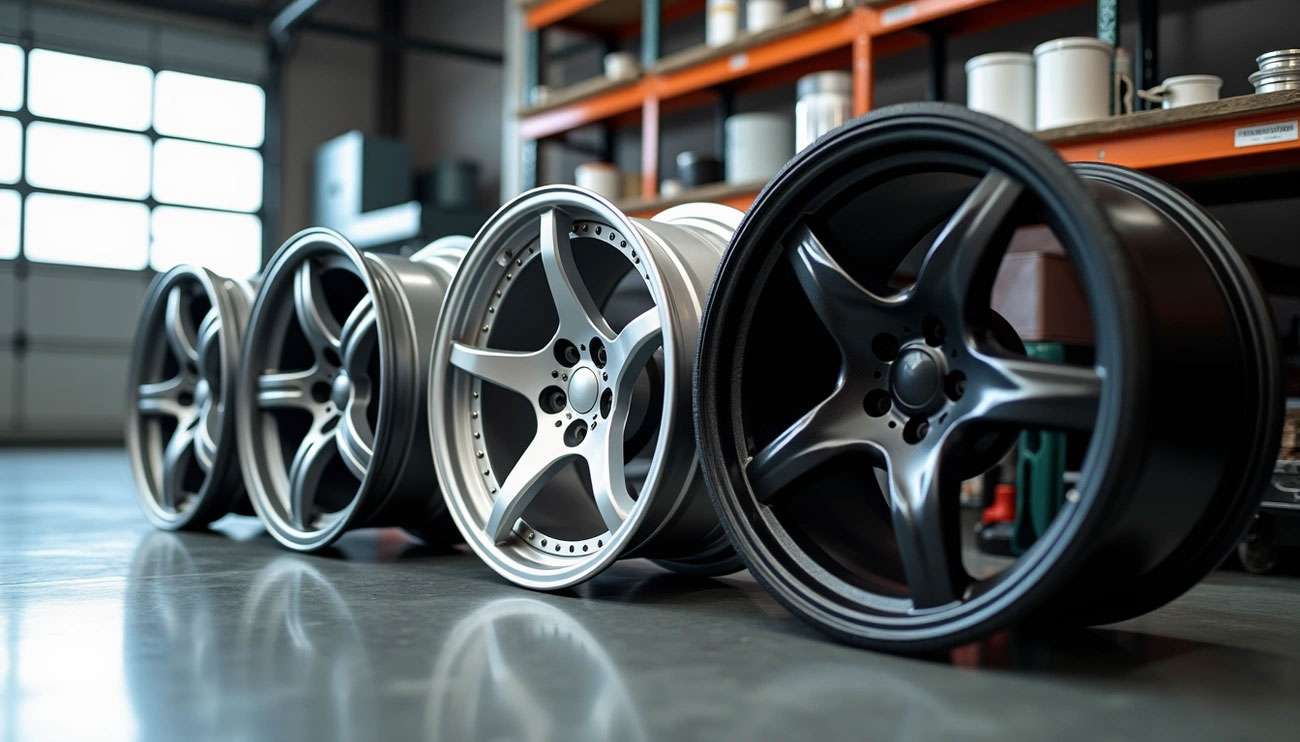
What are the different styles of wheels that can upgrade your vehicle's appearance and performance? The answer involves much more than just looks.
Modern wheels come in several distinct types, each offering unique advantages for different driving needs. Steel wheels remain the most affordable option on the market, delivering exceptional strength and durability that makes them heavier than other wheel types. Alloy wheels provide a lighter alternative to steel and are crafted from aluminum or magnesium blends. Carbon fiber wheels represent the premium choice, combining incredible strength with minimal weight and striking appearance, though they command the highest prices.
Your wheel selection directly affects vehicle performance, fuel efficiency, and overall style. Aluminum wheels have become the standard choice for most vehicles, yet each wheel type serves specific purposes based on your priorities and budget. Cast wheels make up 90% of factory-equipped wheels on today's cars, while forged wheels offer the ultimate in aftermarket wheel technology.
Understanding these key differences helps you choose wheels that match your driving style and vehicle requirements.
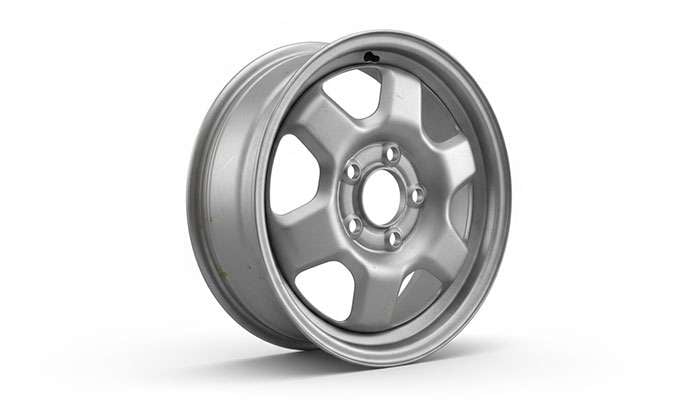
Steel wheels have served as the backbone of automotive transportation for decades. Before aluminum wheels gained popularity in the 1980s, steel wheels were the standard choice for virtually every vehicle on the road. Today, they continue to earn respect from drivers who value durability, reliability, and exceptional value over flashy aesthetics.
Steel wheels use a straightforward stamping process that sets them apart from more complex manufacturing methods. The process involves stamping two separate pieces of sheet metal—one forming the wheel barrel and another creating the lug nut mounting face—then welding them together to form the complete wheel. This simple approach contributes directly to their legendary toughness.
The material composition centers on an iron and carbon alloy that creates wheels with remarkable strength characteristics. Steel wheels resist cracking even under tremendous force, unlike aluminum wheels that can develop cracks due to porosity issues. When steel wheels do sustain damage, they bend rather than break.
Steel wheels maintain their integrity in harsh conditions that would challenge other wheel types. Proper maintenance keeps them corrosion-resistant, particularly when the painted surface stays intact. Most steel wheels feature basic spoke patterns with painted or silver finishes, emphasizing function over elaborate styling.
Pros:
Exceptional durability and strength compared to other wheel types
Superior impact resistance, making them less likely to crack or break
Nearly impossible to crack without tremendous force
Simple repair process—bent wheels can often be hammered back into shape
Enhanced traction on snowy or icy roads due to their heavier weight
Outstanding resistance to corrosion from road salt and harsh weather when properly maintained
Cons:
Much heavier than alloy alternatives—approximately 2.5-3 times the weight of aluminum wheels of the same size
Limited aesthetic options with fewer designs, styles, and finishes available
Lower fuel efficiency due to their substantial weight
Can negatively impact vehicle handling, acceleration, and braking
Limited compatibility—most steel wheels are only available in specific sizes
May affect vehicle's center of gravity and add stress to suspension components
Steel wheels offer the best value in the wheel market. Their affordable pricing stems from simpler manufacturing processes and readily available raw materials. While alloy wheels require complex casting or forging techniques, steel wheels rely on straightforward stamping that keeps production costs low.
Basic steel wheels typically start around $115-150 for standard 15" wheels. Chrome or specialized finishes increase the price, with chrome-finished steel wheels ranging from $259-275 for common sizes.
This affordability makes steel wheels particularly attractive for utility applications or as backup wheels for seasonal use.
Steel wheels shine in demanding applications where their unique properties provide clear advantages. Off-road vehicles and trucks that regularly tackle rough terrain benefit from their exceptional durability and damage resistance. Major off-road manufacturers like Land Rover, Jeep, Ford, and Ineos offer steel wheels as factory options on vehicles like the Defender, Wrangler, Bronco, and Grenadier.
Winter driving represents another ideal application for steel wheels. The extra weight provides better stability and traction in snow and ice. Many drivers switch from alloy to steel wheels during winter months specifically for this advantage. Steel wheels also resist damage from corrosive road salt better than alloy alternatives.
Heavy-duty work trucks and commercial vehicles rely on steel wheels for their ability to withstand impacts, support substantial loads, and maintain structural integrity under stress. This makes them essential for demanding industrial applications.
Agricultural machinery depends on steel wheels because they can handle severe stress without failing. Farm equipment operates in challenging conditions—from muddy fields to rocky terrain—requiring wheels that won't let you down.
Steel wheels are gaining renewed appreciation among automotive enthusiasts who value their straightforward, functional aesthetic over more common alloy designs.
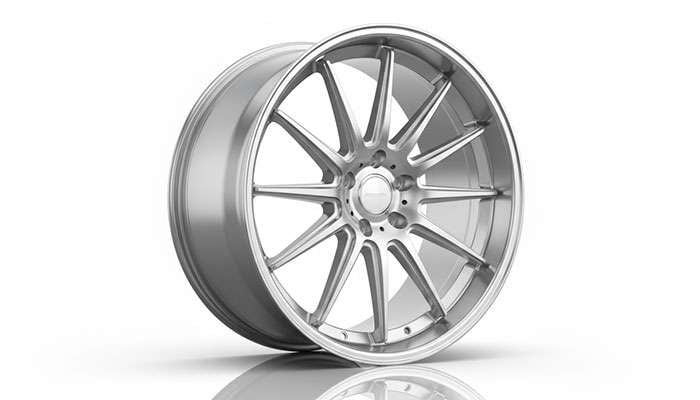
Alloy wheels represent the contemporary standard for most vehicles today. These wheels combine aluminum (sometimes with magnesium or other metals) to create a lighter, more responsive alternative to traditional steel wheels. The term "alloy" specifically refers to wheels made from aluminum alloys or magnesium alloys.
Most modern vehicles come factory-equipped with alloy wheels due to their excellent performance characteristics. The manufacturing process—whether cast or forged—allows for intricate designs that steel stamping simply can't achieve. This versatility has made alloy wheels the most popular choice across all vehicle segments, from economy cars to luxury SUVs.
Alloy wheels stand out for their significantly reduced weight compared to steel alternatives. They typically weigh 40-50% less than steel wheels of equivalent size. This weight reduction translates directly into improved vehicle performance, particularly in acceleration, braking, and handling. Less unsprung weight means suspension components can respond more quickly to road irregularities.
The material composition—usually 95-99% aluminum combined with small amounts of silicon, magnesium, or nickel—creates wheels that excel at heat dissipation. This superior thermal management helps prevent brake fade during aggressive driving or towing applications. The cooling properties of aluminum keep brake systems operating at optimal temperatures even under sustained heavy use.
Design flexibility represents another major advantage. The casting or forging process allows manufacturers to create complex spoke patterns, detailed designs, and varied finishes that enhance vehicle aesthetics. From multi-spoke designs to split-spoke arrangements, alloy wheels offer virtually unlimited styling possibilities that steel wheels can't match.
Alloy wheels also provide better corrosion resistance than steel when properly maintained. Modern protective finishes and coatings ensure long-lasting appearance and durability in various weather conditions.
Pros:
40-50% lighter than steel wheels, significantly reducing unsprung weight
Superior heat dissipation that prevents brake fade and extends brake life
Improved fuel efficiency due to reduced weight
Enhanced vehicle handling, acceleration, and braking performance
Virtually unlimited design options with intricate spoke patterns and styles
Better corrosion resistance with proper maintenance
Available in wide variety of finishes including polished, painted, and machined
Cons:
Higher cost compared to steel wheels—basic sets start around $500
More susceptible to cosmetic damage from curbs and road hazards
Potential for cracking under severe impact rather than bending like steel
More attractive to thieves due to their value and appearance
Repair costs typically higher than steel wheel repairs
Some designs can be difficult to clean due to intricate spoke patterns
Alloy wheels cover a broad price spectrum depending on manufacturing method, brand, size, and finish quality. Basic cast alloy wheels for standard vehicles typically range from $500-1,000 per set of four. These entry-level options provide the weight savings and improved performance characteristics that make alloy wheels popular.
Mid-range alloy wheels with more intricate designs or premium finishes generally cost $1,000-2,500 per set. These wheels often feature enhanced styling, better manufacturing tolerances, and more durable finishes.
Premium alloy wheels from luxury brands or featuring specialized finishes can reach $3,000-5,500 per set. These top-tier options typically include advanced designs, premium materials, and exceptional finish quality that justifies their higher price point.
Alloy wheels excel in performance applications where weight reduction directly translates to improved vehicle dynamics. Sports cars and performance vehicles benefit most from the reduced unsprung mass, which enhances suspension response and overall handling precision. The improved heat dissipation also helps maintain consistent brake performance during spirited driving.
Daily drivers of all types benefit from alloy wheels' balance of performance, style, and practicality. The fuel efficiency gains from reduced weight, combined with enhanced handling characteristics, make them ideal for commuters seeking better overall vehicle dynamics.
Show cars and vehicles where appearance matters prioritize alloy wheels for their design versatility and premium aesthetic. The nearly unlimited styling options allow vehicle owners to customize their rides with wheels that reflect their personal taste.
Luxury vehicles almost universally come equipped with alloy wheels as standard. The combination of refined appearance, improved ride quality, and better performance aligns perfectly with luxury vehicle expectations.
Towing applications take advantage of alloy wheels' superior heat dissipation properties. The ability to manage brake heat effectively becomes crucial when towing heavy loads over extended distances.
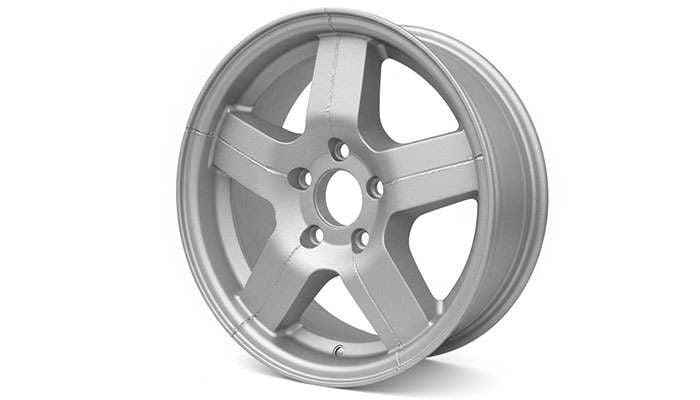
Cast wheels dominate the automotive market as the most common wheel manufacturing method. This process involves pouring molten aluminum into pre-designed molds and allowing it to cool and solidify. The straightforward manufacturing technique makes cast wheels more affordable than forged alternatives while still delivering significant performance advantages over steel wheels.
Approximately 90% of factory-equipped wheels on modern vehicles use the casting process. This manufacturing method strikes an excellent balance between cost, design flexibility, and adequate performance for most driving applications.
The casting process begins with heating aluminum to its melting point (approximately 660°C or 1220°F) and pouring it into precision molds. As the metal cools, it takes the exact shape of the mold, allowing manufacturers to create complex spoke patterns and designs that would be impossible or extremely expensive to produce through forging.
Cast wheels offer remarkable design versatility. The molten aluminum can flow into intricate mold details, enabling manufacturers to produce wheels with elaborate spoke patterns, recessed areas, and detailed styling elements. This design freedom explains why cast wheels dominate the market for style-conscious drivers.
The molecular structure of cast aluminum differs from forged aluminum. During the casting process, small air pockets can form within the metal, creating a slightly more porous structure. While this doesn't typically affect normal driving performance, it does mean cast wheels have lower strength-to-weight ratios compared to forged wheels.
Modern casting techniques like low-pressure casting and flow-forming have improved cast wheel quality significantly. These advanced methods reduce porosity and increase structural integrity while maintaining the cost advantages of traditional casting.
Pros:
More affordable than forged wheels—typically around $2,000 per set
Excellent design flexibility with virtually unlimited styling options
Significantly lighter than steel wheels with good performance characteristics
Wide availability in various sizes and fitments for most vehicles
Adequate strength for normal driving and highway use
Good balance of cost, performance, and aesthetics
Cons:
Heavier than forged wheels of equivalent size
Lower strength-to-weight ratio compared to forged alternatives
More prone to cracking under severe impact stress
Slight porosity in the metal structure can affect long-term durability
Not recommended for serious racing or extreme off-road applications
Cast wheels typically cost around $2,000 for a complete set of four wheels. This pricing positions them as the most economical option among alloy wheels, making them accessible to a broader range of vehicle owners.
The price can vary based on several factors including wheel size, design complexity, brand reputation, and finish quality. Basic cast wheels for standard vehicles might start below $2,000, while premium designs with specialized finishes can exceed this baseline.
Despite being more expensive than steel wheels, cast wheels remain significantly more affordable than forged or carbon fiber alternatives. This cost-effectiveness explains their dominance in both OEM and aftermarket applications.
Cast wheels serve as the ideal choice for daily drivers who want better performance than steel wheels without the premium cost of forged options. They provide sufficient strength and durability for regular commuting, highway driving, and typical road conditions.
Vehicles primarily used on paved roads benefit most from cast wheels. The performance characteristics suit normal driving conditions where extreme strength isn't necessary. Cast wheels deliver the weight savings and improved handling that make driving more enjoyable without requiring the investment in premium forged wheels.
Style-conscious drivers appreciate cast wheels for their design versatility. The nearly unlimited styling options available through casting allow vehicle owners to personalize their rides with wheels that match their aesthetic preferences.
Budget-conscious buyers find cast wheels offer the best value proposition. They provide the benefits of alloy wheel construction—reduced weight, better heat dissipation, improved appearance—at a price point that doesn't break the bank.
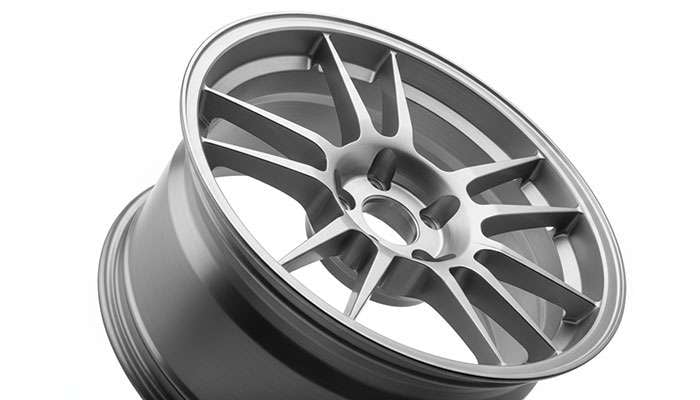
Forged wheels represent the pinnacle of metal wheel technology, offering the absolute best strength-to-weight ratio available. The forging process compresses solid aluminum billets under immense pressure, creating wheels with superior molecular density and structural integrity. This manufacturing method produces wheels that are simultaneously lighter and stronger than their cast counterparts.
The forging process fundamentally differs from casting. Instead of pouring molten metal into molds, manufacturers start with a solid aluminum billet (typically 6061-T6 grade) and use hydraulic presses applying thousands of tons of pressure to shape the material. This compression aligns the metal's grain structure, eliminating porosity and creating remarkably strong wheels.
Forged wheels achieve their exceptional properties through extreme pressure shaping. The forging process applies pressure ranging from 10,000 to 15,000 tons, compacting the aluminum into a dense, uniform structure. This molecular realignment creates wheels with up to three times the tensile strength of cast aluminum wheels of similar weight.
The weight advantage of forged wheels becomes immediately apparent. These wheels typically weigh 25-30% less than equivalent cast wheels while maintaining superior strength. This dramatic weight reduction in unsprung mass significantly improves suspension response, acceleration, and braking performance.
Strength characteristics set forged wheels apart. The compressed grain structure makes them incredibly resistant to impact damage and deformation. While cast wheels might crack under severe stress, forged wheels can withstand punishment that would destroy lesser wheels. This durability makes them the preferred choice for racing applications where wheel failure isn't an option.
Forged wheels also offer better corrosion resistance than cast wheels. The denser material structure leaves fewer spaces for moisture and corrosive elements to penetrate, extending wheel life even in harsh conditions.
Pros:
Best strength-to-weight ratio of any metal wheel option
25-30% lighter than equivalent cast wheels
Up to three times stronger than cast wheels
Superior impact resistance and durability
Enhanced performance through reduced unsprung mass
Better corrosion resistance due to denser material structure
Ideal for racing and high-performance applications
Cons:
Significantly higher cost—typically $3,000+ per set, with premium options reaching $7,850 per wheel
Limited design options compared to cast wheels
Longer production time due to complex manufacturing process
Less availability in standard sizes for everyday vehicles
May be overkill for normal street driving applications
Forged wheels command premium prices that reflect their advanced manufacturing process and superior performance characteristics. Entry-level forged wheels typically start around $3,000 per set, significantly more than cast wheel alternatives.
Premium forged wheels from top manufacturers can reach extraordinary price points. High-end options can cost $7,850 or more per individual wheel, making a complete set exceptionally expensive. These ultra-premium wheels feature cutting-edge designs, exotic finishes, and materials optimized for specific performance applications.
The investment in forged wheels makes the most sense for serious performance enthusiasts, racing applications, or owners of high-end vehicles where the cost aligns with the vehicle's overall value. For everyday driving, the price premium may be difficult to justify despite the clear performance advantages.
Racing applications represent the primary domain where forged wheels prove their worth. The combination of minimal weight and maximum strength becomes critical when vehicles operate at their performance limits. Professional race teams and serious amateur racers rely on forged wheels for their durability and performance advantages.
Track-focused street cars benefit from forged wheels' superior capabilities. Vehicles that regularly see track days or performance driving events justify the investment through improved lap times and enhanced safety margins. The weight savings directly translate to better handling and reduced stress on suspension components.
Serious off-road applications increasingly turn to forged wheels. Rock crawling, extreme off-roading, and overlanding put tremendous stress on wheels. Forged wheels resist damage from impacts with rocks, logs, and other obstacles that would crack or bend cast wheels.
High-performance sports cars and exotic vehicles often come equipped with forged wheels from the factory or make them available as premium options. The performance characteristics align with these vehicles' capabilities and owner expectations.
Vehicle owners seeking the absolute best performance regardless of cost choose forged wheels. The uncompromising strength, minimal weight, and enhanced durability justify the premium price for enthusiasts who demand the best.
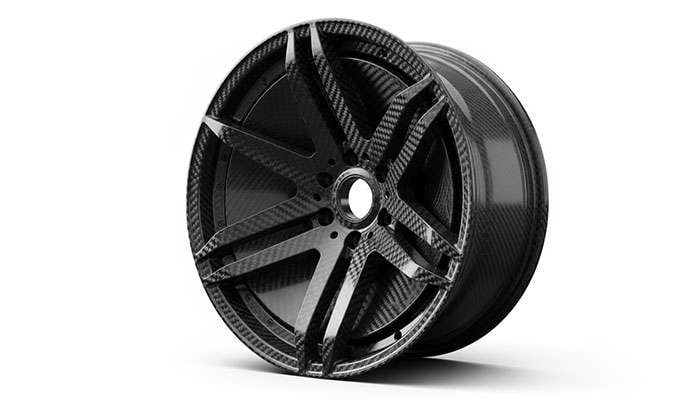
Carbon fiber wheels represent the cutting edge of wheel technology, offering performance characteristics that even forged aluminum can't match. These wheels combine carbon fiber filaments with epoxy resins to create structures that are simultaneously incredibly strong and remarkably light. The technology originally developed for aerospace and Formula 1 racing has gradually made its way into high-end automotive applications.
The construction process involves layering sheets of carbon fiber fabric, saturating them with epoxy resin, and curing under heat and pressure. This creates a composite material with exceptional stiffness and strength characteristics. The resulting wheels weigh 40-50% less than equivalent aluminum wheels while maintaining or exceeding their strength properties.
Weight reduction stands as the most compelling feature of carbon fiber wheels. They typically weigh 40-50% less than aluminum wheels of the same size. This dramatic weight savings in unsprung mass transforms vehicle dynamics, improving acceleration, braking, handling, and ride quality simultaneously.
Carbon fiber's unique material properties provide superior vibration damping compared to metal wheels. The composite structure absorbs road vibrations more effectively, resulting in a noticeably smoother, more refined ride quality. This damping characteristic also reduces stress on suspension components and improves tire contact with the road surface.
Strength characteristics of properly manufactured carbon fiber wheels exceed aluminum in many respects. The material's high tensile strength and exceptional stiffness create wheels that resist deformation under load while maintaining their lightweight properties. Carbon fiber wheels can handle the immense forces generated during high-performance driving without flexing or failing.
Heat management represents another advantage. Carbon fiber dissipates heat more effectively than aluminum, helping maintain optimal brake temperatures even during aggressive driving. This thermal efficiency contributes to consistent braking performance and extended brake component life.
Pros:
40-50% lighter than aluminum wheels, providing maximum weight reduction
Superior vibration damping for improved ride quality
Exceptional strength-to-weight ratio
Enhanced handling precision through reduced unsprung mass
Better heat dissipation than metal wheels
Distinctive, high-tech appearance with visible carbon fiber weave
Improved fuel efficiency through weight reduction
Cons:
Extremely expensive—typically $5,300-12,000 per set
Limited repairability—damage often requires complete replacement
Fewer design and finish options compared to metal wheels
Can be susceptible to impact damage from severe road hazards
Limited availability from relatively few manufacturers
May not be suitable for harsh winter conditions or severe off-road use
Carbon fiber wheels command the highest prices in the wheel market, reflecting their advanced materials and complex manufacturing processes. Complete sets typically range from $5,300 to $12,000, though some specialized applications can exceed even these premium price points.
The high cost stems from several factors: expensive raw materials, labor-intensive production methods, specialized equipment requirements, and limited production volumes. Each wheel requires careful hand layup of carbon fiber sheets and precise curing processes that can't be rushed or automated fully.
Despite the extraordinary price, carbon fiber wheels find buyers among owners of high-performance sports cars, exotic vehicles, and serious track enthusiasts who demand the absolute best performance. For these applications, the weight savings and performance improvements justify the investment.
High-performance sports cars represent the primary market for carbon fiber wheels. Vehicles like Porsche 911 GT3 RS, Chevrolet Corvette Z06, and Ferrari supercars offer carbon fiber wheels as premium options. The extreme weight reduction directly translates to improved lap times, better acceleration, and enhanced handling precision.
Electric vehicles benefit uniquely from carbon fiber wheels. The weight savings help offset heavy battery packs and extend vehicle range. Luxury electric vehicles increasingly offer carbon fiber wheels as options for owners seeking maximum efficiency and performance.
Track-dedicated vehicles justify carbon fiber wheels through their uncompromising performance advantages. When a vehicle exists purely for track use, the investment in the lightest, strongest wheels available makes perfect sense. The weight savings improve every aspect of track performance.
Luxury vehicles targeting ultimate performance offer carbon fiber wheels to differentiate themselves from competitors. The technology serves as both a functional upgrade and a status symbol, appealing to buyers who demand cutting-edge technology.
Owners seeking the absolute pinnacle of wheel technology choose carbon fiber regardless of cost. The combination of extreme weight reduction, superior performance characteristics, and distinctive appearance attracts enthusiasts willing to pay for the best.
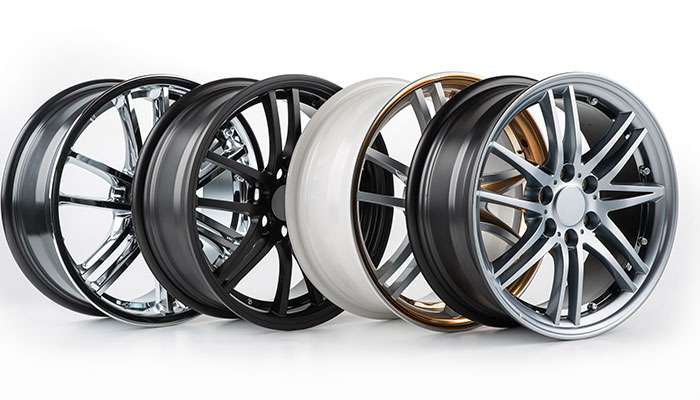
Wheel finishes serve dual purposes: enhancing appearance while providing protection against environmental damage. The finish you choose impacts not only how your wheels look but also their durability, maintenance requirements, and resistance to corrosion. Different finishing techniques offer varying levels of protection and aesthetic appeal, each with distinct advantages and drawbacks.
Chrome plating creates the most reflective, mirror-like finish available for wheels. The process involves electroplating a thin layer of chromium onto the wheel surface, creating an exceptionally shiny appearance that catches light brilliantly. Chrome-plated wheels make bold visual statements and have long been associated with luxury and custom vehicles.
The chrome plating process provides excellent corrosion resistance when properly maintained. The chromium layer acts as a protective barrier against moisture, road salt, and environmental contaminants. However, once the chrome layer is compromised through chips or scratches, the underlying metal becomes vulnerable to corrosion.
Maintenance requirements for chrome wheels exceed other finishes. The mirror-like surface shows every speck of dirt, brake dust, and water spot. Regular cleaning with appropriate chrome-safe products keeps them looking their best. Harsh chemicals or abrasive cleaners can damage the chrome plating permanently.
Chrome plating adds cost compared to painted or clear-coated finishes. The complex multi-step electroplating process requires specialized equipment and expertise. Chrome wheels typically cost 20-40% more than equivalent wheels with standard finishes.
Powder coating has become increasingly popular as a durable, attractive wheel finish. The process involves applying dry powder to the wheel surface electrostatically, then curing it in an oven at high temperatures. The heat causes the powder to flow and form a hard, uniform coating that's typically more durable than traditional paint.
Durability stands as powder coating's primary advantage. The cured finish resists chipping, scratching, and fading better than conventional paint. The coating creates a thick, uniform layer that protects against rock chips, curb rash, and environmental damage. Many powder-coated wheels maintain their appearance for years with minimal maintenance.
Powder coating offers virtually unlimited color options. Unlike chrome or polished finishes, powder coating can match any color imaginable. This versatility appeals to vehicle owners seeking custom appearances or perfect color coordination with their vehicles. Matte, satin, and gloss finishes are all achievable through powder coating.
The finish requires minimal maintenance compared to chrome or polished wheels. Powder-coated surfaces don't show water spots or fingerprints as readily. Regular washing with soap and water typically suffices to keep them looking fresh. The coating resists brake dust buildup better than some other finishes.
Repairability represents a potential drawback. While powder coating is extremely durable, any damage that does occur typically requires professional refinishing. The coating can't be easily touched up like paint, often necessitating complete re-coating of damaged wheels.
Clear coat finishes protect polished or machined aluminum wheels while maintaining their metallic appearance. This transparent protective layer allows the natural beauty of the aluminum to show through while providing a barrier against oxidation and environmental damage. Clear-coated wheels offer a refined, sophisticated look that appeals to many vehicle owners.
The clear coat preserves the wheel's machined or polished surface appearance. Bare aluminum would quickly oxidize and lose its luster without protection. The clear coating maintains the metallic sheen while preventing the dull, chalky appearance that develops on unprotected aluminum.
Maintenance requirements fall between chrome and powder coating in terms of effort. Clear-coated wheels show brake dust and dirt less prominently than chrome but more than darker powder-coated finishes. Regular washing and occasional use of wheel-specific cleaners keeps them looking their best.
Damage to clear coat exposes the underlying aluminum to oxidation. Curb rash, rock chips, or abrasive cleaning can breach the protective layer. Once compromised, the bare aluminum begins oxidizing, creating white spots or patches that detract from appearance. Professional refinishing typically becomes necessary to restore damaged clear-coated wheels.
Clear coat finishes are commonly found on factory wheels. Many vehicle manufacturers choose this finish for its attractive appearance and reasonable durability. The finish complements a wide range of vehicle colors and styles without dominating the overall aesthetic.
Traditional painted finishes remain popular for their versatility, cost-effectiveness, and wide range of color options. Modern wheel paints use advanced formulations designed specifically to withstand the harsh environment wheels face, including extreme temperatures, brake dust, road debris, and chemical exposure.
Cost-effectiveness makes painted finishes attractive for many applications. Paint typically costs less than chrome plating or powder coating, making it an economical choice for wheel refinishing projects or budget-conscious new wheel purchases. The lower cost doesn't necessarily mean lower quality, as modern paint formulations offer good durability.
Color flexibility allows perfect matching or creative customization. Painted wheels can precisely match vehicle body colors or create contrasting accent colors. Custom colors, color-shifting effects, and multi-tone designs are all achievable with paint. This flexibility appeals to vehicle owners seeking unique appearances.
Repair and touch-up work proves easier with painted wheels than other finishes. Small chips or scratches can often be touched up without complete refinishing. This repairability makes painted wheels practical for daily drivers that might accumulate minor damage over time.
Durability varies significantly based on paint quality and application technique. High-quality wheel paints applied correctly can last for years with minimal maintenance. However, painted finishes generally don't match powder coating's resistance to chipping and scratching. Lower-quality paint jobs may show wear relatively quickly.
| Steel Wheels | Alloy Wheels | Carbon Fiber Wheels | Forged Wheels | Cast Wheels | |
|---|---|---|---|---|---|
| Material Composition | Iron and carbon blend | 95-99% aluminum with silicon, magnesium, or nickel | Carbon filaments with epoxy resins | Solid aluminum billet (6061-T6 grade) | Molten aluminum |
| Weight Characteristics | 2.5-3x heavier than aluminum wheels | Significantly lighter than steel | 40-50% lighter than aluminum wheels | Lightest metal wheel option available | Heaviest wheel option |
| Key Benefits | - Outstanding durability - Impact resistant - Easy to repair - Better winter traction |
- Superior heat dissipation - Vast design options - Improved handling - Better fuel efficiency |
- Excellent vibration damping - Extreme weight reduction - Enhanced handling precision - Outstanding heat management |
- Best strength-to-weight ratio - Superior balance - Enhanced durability - Better corrosion resistance |
- Most affordable option - Wide design variety - Greater availability - Perfect for daily driving |
| Main Drawbacks | - Heavy weight - Limited designs - Reduced fuel efficiency |
- Higher cost - Lower impact resistance - Potential theft target |
- Extremely expensive - Limited repairability - Fewer style options |
- High cost - Limited design options - Longer production time |
- Heavier weight - Lower strength - More prone to cracking |
| Price Range | $115-275 per wheel | $500-1000 per set (basic) Up to $5,500 (premium) |
$5,300-12,000 per set | $3,000+ per set Up to $7,850 per wheel |
Around $2,000 per set |
| Best Use Cases | - Off-road vehicles - Winter driving - Heavy-duty trucks - Agricultural machinery |
- Performance vehicles - Daily drivers - Show cars - Luxury vehicles |
- High-performance sports cars - Electric vehicles - Luxury vehicles - Premium SUVs |
- Racing applications - Performance vehicles - Serious off-road use |
- Daily driving - Highway-focused vehicles - Budget-conscious buyers |
Selecting the right wheels comes down to matching wheel characteristics with your specific driving needs and budget. Steel wheels deliver unmatched durability and value, making them the smart choice for off-road adventures and winter driving. Alloy wheels strike the perfect balance of performance and style with lightweight construction and extensive design options. Carbon fiber wheels command premium prices but offer game-changing performance benefits through dramatic weight reduction and superior vibration control.
Manufacturing methods matter just as much as materials. Forged wheels provide the ultimate strength-to-weight ratio for high-performance applications, while cast wheels offer practical solutions for daily drivers with their affordability and design variety. Wheel finishes like chrome, powder coating, and clear coats enhance both appearance and protection against environmental damage.
Weight reduction stands out as the most significant performance factor. Lighter wheels improve acceleration, handling, and fuel economy by reducing unsprung mass. However, durability requirements shouldn't be compromised, especially for vehicles facing rough terrain or harsh weather conditions.
Your final choice should balance practical requirements with personal style preferences. The right wheels can transform your vehicle's appearance while boosting performance. For an extensive selection of wheels in all styles—steel, alloy, carbon fiber, forged, and cast—with various finishes, visit Performance Plus Tire.
At Performance Plus Tire, we understand that your vehicle represents an extension of your personality. We offer expert guidance to help you find wheels that deliver both the performance and style you're seeking. Whether you prioritize steel's rugged reliability, alloy's versatile performance, or carbon fiber's cutting-edge technology, we have the selection and expertise to match your needs with the perfect wheels.
Understanding wheel materials and manufacturing processes helps you make informed decisions that balance performance, esthetics, and budget for your specific driving needs.
• Steel wheels excel in durability and winter conditions - Nearly impossible to crack, easily repairable, and provide better traction in snow due to their heavier weight.
• Alloy wheels offer the best performance-to-price balance - 40-50% lighter than steel, improving fuel efficiency and handling while offering extensive design options.
• Carbon fiber wheels deliver revolutionary performance - 40-50% lighter than aluminum with superior vibration damping, but cost $5,300-12,000 per set.
• Forged wheels provide maximum strength - Best strength-to-weight ratio and superior durability, ideal for racing and high-performance applications despite higher costs.
• Weight reduction directly improves vehicle performance - Lighter wheels enhance acceleration, braking, handling, and fuel economy by reducing unsprung mass.
The right wheel choice depends on your priorities: choose steel for durability and budget, alloy for balanced performance, carbon fiber for ultimate performance, or forged for maximum strength in demanding applications.
The four main types of wheels are steel, alloy, carbon fiber, and forged wheels. Each type has its own unique characteristics, benefits, and drawbacks in terms of performance, durability, and cost.
Alloy wheels generally offer the best balance of performance, weight reduction, and cost-effectiveness for most drivers. However, carbon fiber wheels provide the ultimate performance benefits for those willing to invest in cutting-edge technology.
Wheel materials primarily impact performance through weight. Lighter wheels, such as those made from alloy or carbon fiber, reduce unsprung mass, improving acceleration, handling, and fuel efficiency compared to heavier steel wheels.
Consider your driving habits, budget, and priorities. Factor in aspects like durability for off-road use, weight for performance, corrosion resistance for harsh climates, and esthetic options for personalization. Also ensure compatibility with your vehicle's specifications.
The value of expensive wheels depends on your needs. For everyday driving, mid-range alloy wheels often provide the best balance of performance and cost. However, if you're seeking maximum performance or have a high-end vehicle, premium options like forged or carbon fiber wheels can offer significant benefits that justify their higher price.



