

Custom wheels are a popular way to upgrade both the look and performance of your vehicle. The choices available today are extensive - a search for replacement wheels on a 2022 Ford Bronco Wildtrak shows over 250 different options from 16 wheel brands. Many vehicle owners know they want the visual impact but question whether custom wheels deliver real value beyond appearance.
The market offers options for every budget. Vision Offroad's wheels in gloss black start at $887 for a complete set, while Fuel's premium options with matte black and bronze finish run around $1,672. The real value extends far beyond looks. Premium aftermarket wheels weigh up to 30% less than OEM alternatives, creating noticeable improvements in handling, acceleration, and overall driving dynamics.
Custom wheels made from forged aluminum or flow-formed alloys are significantly lighter and offer better ventilation compared to stock wheels. High-quality wheels from reputable manufacturers can actually increase your vehicle's value when properly installed. Poor-quality options may damage your suspension or braking system.
We'll examine whether custom wheels truly justify their price tag by analyzing performance benefits, style options, durability factors, and their impact on your vehicle's long-term value.
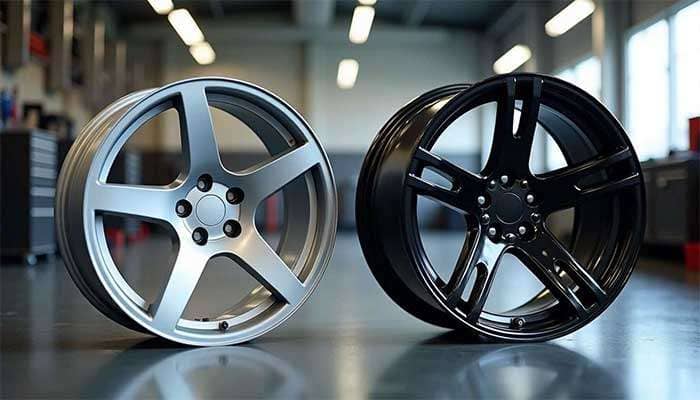
When choosing wheels for your vehicle, you have two main options: staying with factory equipment or exploring aftermarket alternatives. Understanding the key differences between these choices helps ensure you make the right decision for your specific needs.
OEM (Original Equipment Manufacturer) wheels come directly from your vehicle's factory. These wheels are engineered specifically for your exact make, model, and year. Manufacturers typically offer OEM wheels in two varieties: steel wheels for base models and trucks due to lower production costs, and aluminum alloy wheels for higher trim levels.
Most OEM wheels use low-pressure casting, where molten aluminum gets pumped into wheel molds. Factory wheels undergo strict quality control with rigorous testing including x-ray inspections and pressurized immersion tests to ensure structural integrity.
Aftermarket wheels come from third-party companies rather than your vehicle's manufacturer. Sometimes called "replica wheels" when they copy OEM styles, aftermarket options range from budget manufacturers with basic quality control to premium brands creating high-performance wheels.
These wheels use various construction methods. Basic gravity casting offers the most affordable option, while premium forged wheels compress solid aluminum under extreme pressure. Aftermarket wheels provide extensive design flexibility with multi-spoke, mesh, or split-spoke patterns, plus finishes like chrome, painted, matte, or polished.
The answer depends on what matters most to you. OEM wheels offer guaranteed fitment, proven reliability, and vehicle warranty compatibility. They maintain your vehicle's original specifications, which can help preserve resale value.
However, quality aftermarket wheels present compelling advantages. They offer greater design variety and customization options, from finishes to spoke patterns. Premium aftermarket wheels can outperform factory wheels through reduced weight and improved aerodynamics. Aftermarket wheels also provide flexibility with staggered setups and various offsets not available from the factory.
The quality spectrum for aftermarket wheels varies significantly. Premium options excel in performance and durability, while budget alternatives may compromise on materials and testing standards.
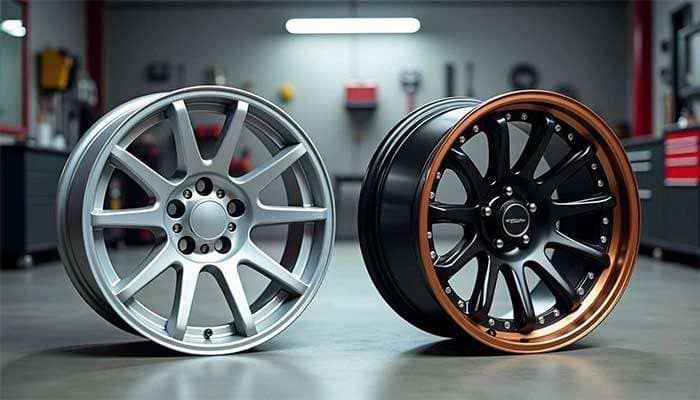
Wheel design creates real differences between premium custom wheels and factory options. These differences impact acceleration, handling, and ride quality in ways that go well beyond appearance.
Unsprung mass includes components not supported by your vehicle's suspension - wheels, tires, brakes, and parts of the suspension itself. This weight affects handling more than any other part of your vehicle. Sprung weight includes your engine, interior, and body. Unsprung mass must track road surface changes instantly without cushioning.
Every 10% reduction in unsprung mass delivers approximately 6% improvement in sprung mass acceleration. Premium aftermarket wheels use advanced manufacturing to achieve this. Flow-formed wheels reduce weight by 15-25% compared to cast alternatives. Fully forged wheels shed an impressive 25-30%.
Weight location matters enormously. Mass concentrated at the wheel's rim creates significantly more rotational inertia than the same weight near the hub. Think of an ice skater spinning faster with arms pulled in. Removing a pound from your wheels has roughly 2-3 times the impact of removing it from your vehicle's interior.
Material selection directly influences acceleration through weight reduction. Cast aluminum wheels require additional material to compensate for internal porosity, resulting in heavier wheels. Forged wheels create a denser, stronger structure that requires less material.
Real-world testing shows the performance difference. Larger, heavier wheels increased 0-60 mph times from 7.6 seconds (15-inch wheels) to 7.9 seconds (19-inch wheels) in controlled tests. One test driver noted after switching to lightweight wheels: "The car felt like it had more power everywhere, even though the engine was identical".
Quality determines durability more than whether a wheel is OEM or aftermarket. Both undergo similar testing protocols including fatigue testing, impact evaluation, and strain analysis. The critical difference lies in failure mode. Cast wheels (OEM or aftermarket) tend to crack catastrophically under extreme stress. Forged wheels typically bend without breaking.
Carbon fiber forged wheels represent the cutting edge. They offer exceptional impact resistance by absorbing and dissipating energy from impacts. Laboratory testing demonstrates these premium wheels can withstand impacts that would deform traditional aluminum wheels, maintaining structural integrity under conditions that would compromise conventional options.
Custom wheels offer style possibilities that factory wheels simply cannot match. The aftermarket wheel industry provides extensive customization options that allow you to create exactly the look you want for your vehicle.
Custom wheels come in a wide variety of finishes to suit any taste. Chrome wheels are known for their mirror-like shine that catches attention, though they require more maintenance to keep looking their best. Matte and satin finishes provide a modern, understated look that's gained tremendous popularity. Powder coating creates incredibly tough wheels through a process where fine particles of color and resin are electrically charged, sprayed, and heat-cured.
Some custom wheels feature hand-brushed finishes that require up to 8 hours of artisanal work per wheel. You can also personalize your existing wheels with titanium accessories like lug nuts and custom center cap plaques for targeted upgrades.
Custom wheels unlock fitment possibilities that OEM options don't offer. Offset—the distance between the wheel's mounting surface and centerline—comes in three varieties: negative (mounting surface behind centerline), zero (aligned with centerline), or positive (in front of centerline). This measurement affects both appearance and handling characteristics.
Staggered setups, where rear wheels are wider than front wheels, enhance both looks and performance in rear-wheel drive vehicles. This configuration improves traction during acceleration and cornering. High-performance vehicles like BMW M3s use staggered setups with 19x9.5 front and 20x10.5 rear specifications.
Your wheel selection directly impacts tire options. Custom wheels allow you to explore various plus-sizing configurations that maintain proper overall diameter. A staggered setup requires purchasing two different tire sizes, which can increase costs. It also limits rotation options since front and rear tires differ in size.
Looking for expert guidance on custom wheel and tire combinations? Visit Performance Plus Tire for professional advice tailored to your specific vehicle needs.
Understanding the financial side of wheel upgrades involves looking at both what you'll pay upfront and how the investment affects your vehicle's long-term value.
OEM wheels typically command premium prices because of their direct manufacturer connection. Aftermarket options provide remarkable price flexibility—from budget wheels under $100 per wheel to premium forged wheels exceeding $1,000 each. Vision Offroad's wheels in gloss black cost approximately $887 for a complete set, whereas Fuel's premium options run around $1,672 for four wheels. Mid-tier aftermarket wheels often provide the best value for enthusiasts seeking performance improvements without the highest price tags.
Standard car insurance typically doesn't cover aftermarket parts. You'll need custom parts and equipment (CPE) coverage to protect custom wheels, costing roughly 10% of your modification value annually. Coverage limits usually range between $2,000 and $10,000 per incident.
Aftermarket wheel manufacturers offer varied protection—some provide limited 1-year warranties, whereas others like American Racing offer lifetime structural warranties with one-year finish coverage. Premium brands like Forgelite extend 3-year finishing warranties on American-made wheels. When selecting wheels, consider both the manufacturer's reputation and their warranty coverage.
The resale value impact depends on several factors. High-quality wheels from respected manufacturers can potentially increase vehicle value when properly maintained. OEM wheels typically retain stronger value with mainstream buyers seeking original configurations. Poorly chosen or improperly installed custom wheels might deter potential buyers, lowering resale value.
Quality wheels from established brands generally hold their value better than budget alternatives. The key is selecting wheels that enhance your vehicle's appeal without making it too specialized for the broader market.
Custom wheels deliver more than just visual appeal. Quality aftermarket wheels provide real performance benefits through reduced weight and improved handling. They also offer design options that factory wheels cannot match.
The value depends on what you want from your vehicle. Performance enthusiasts benefit from the weight reduction and better acceleration. Style-focused owners appreciate the endless design possibilities. Premium custom wheels from reputable manufacturers represent a smart upgrade when you want both performance and appearance improvements.
Quality makes the difference with this investment. Budget options might save money upfront but often lack durability and performance benefits. Wheels from established brands with proper warranties protect your vehicle and your investment.
Consider both upfront cost and long-term value when making your decision. Quality aftermarket wheels require more money initially but often deliver better performance, stronger durability, and potentially higher resale value. For expert recommendations tailored to your specific vehicle, Performance Plus Tire offers professional guidance to help you choose the right options.
Factory wheels provide guaranteed compatibility and simplicity. Aftermarket alternatives open up possibilities that OEM options cannot match. Most enthusiasts find that quality custom wheels justify their price through improved performance, distinctive style, and the satisfaction of personalizing their vehicle to their exact preferences.
Custom wheels offer significant value beyond esthetics, delivering measurable performance improvements and extensive customization options that factory wheels cannot match.
The investment in quality custom wheels typically justifies itself through improved driving dynamics, personalization options, and potential value retention when properly selected and maintained.
Custom wheels, especially lightweight options, can significantly improve vehicle performance. They reduce unsprung mass, which enhances acceleration, handling, and overall driving dynamics. Premium aftermarket wheels can weigh up to 30% less than OEM alternatives, resulting in noticeable improvements in responsiveness and efficiency.
The answer depends on your priorities. Aftermarket wheels offer greater design variety, customization options, and potential performance benefits. However, OEM wheels guarantee fitment, reliability, and maintain original vehicle specifications. Quality aftermarket wheels from reputable manufacturers can outperform factory wheels in weight reduction and aerodynamics.
Custom wheel prices vary widely. Budget options can start under $100 per wheel, while premium forged wheels may exceed $1,000 each. Mid-range options, like Vision Offroad's wheels, cost around $887 for a set, while high-end choices from brands like Fuel can run about $1,672 for four wheels.
Yes, custom wheels can impact tire options. They allow for various plus-sizing configurations while maintaining proper overall diameter. Staggered setups (wider rear wheels) require purchasing two different tire sizes, which may increase costs and limit rotation options.
The impact on resale value can vary. High-quality wheels from respected manufacturers, when properly maintained, can potentially increase vehicle value. However, poorly chosen or improperly installed custom wheels might deter potential buyers. OEM wheels typically retain stronger value with mainstream buyers seeking original configurations.



