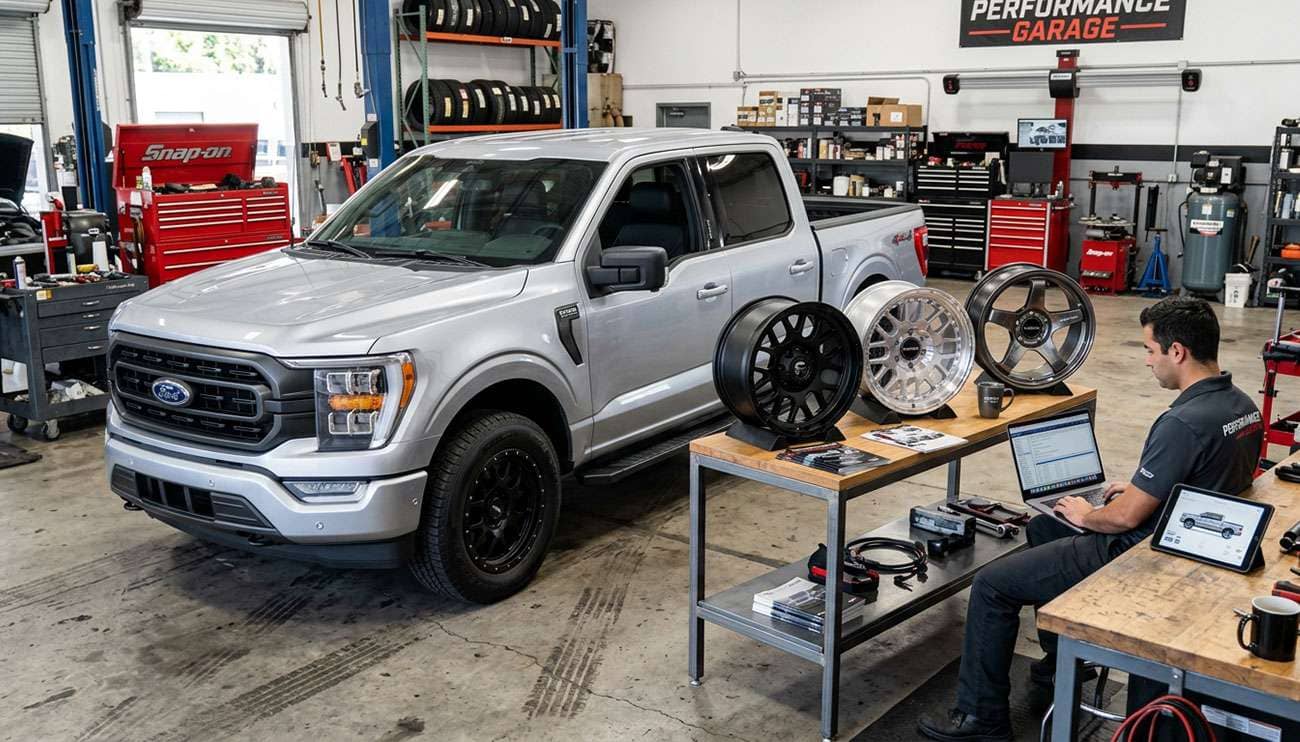
Custom truck wheels are a popular way to upgrade both the appearance and performance of your vehicle. They're not just about looks—the right wheels directly impact how your truck handles different driving conditions, affects ride quality, and can even improve braking performance. Choosing the wrong set can negatively affect these critical aspects of your driving experience.
We understand that selecting custom truck wheels can feel overwhelming with so many options available. Whether you need 20 inch custom truck wheels for that aggressive stance, 8 lug custom truck wheels for heavy-duty applications, or you're simply searching for custom truck wheels for sale near you, this guide provides the expert knowledge you need to make the right choice. From fitment specifications to material selection, we'll help you find the perfect wheels that match both your truck's requirements and your personal style preferences.
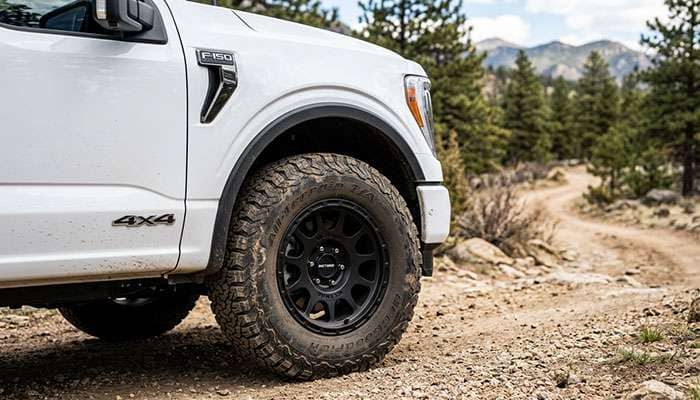
Aftermarket wheels replace your truck's factory equipment with specialized designs that offer superior options for both performance and appearance. These custom truck wheels come from manufacturers who focus exclusively on creating products that standard equipment simply cannot match. The possibilities include different designs, finishes, sizes, and materials that align with your specific style preferences and performance requirements.
Understanding the technical distinction between wheels and rims matters when shopping for your truck. The wheel refers to the entire metal assembly that connects your tire to the axle. This complete unit includes the center disk with lug holes that bolt to the hub, the spokes that provide structural support, and the outer edge.
The rim is specifically the outer edge of the wheel—the part that holds the tire in place. The tire bead sits against this rim section, creating the airtight seal that maintains proper air pressure. Damage or corrosion to the rim directly affects ride quality, safety, and tire longevity. Most people use "rims" when discussing custom or stylish wheels, a habit that car culture and media have popularized, but the wheel encompasses the complete structure.
Material composition determines how your custom truck wheels and tires will perform under different conditions. Aluminum alloys dominate the aftermarket due to their excellent strength-to-weight ratio, making them lighter than steel while maintaining durability. These alloys combine aluminum with metals like nickel, magnesium, or copper to enhance specific properties.
Magnesium alloys reduce weight even further, weighing approximately 25% less than aluminum. This weight reduction translates to improved acceleration and handling responsiveness, though these wheels typically appear in high-performance applications. Steel wheels provide maximum durability for harsh conditions, weighing 2.5 to 3 times more than comparable aluminum wheels. Carbon fiber options deliver premium strength with minimal weight, usually reserved for racing applications.
Aluminum wheels dissipate heat more efficiently than steel, which improves brake performance. Their lighter weight enhances handling, acceleration, and fuel efficiency. The casting process allows manufacturers to create intricate designs across the spokes, lips, and center caps. Steel wheels resist rusting when iron content is exposed to air and moisture, though aluminum can corrode when exposed to salt and chemicals.
Manufacturing processes significantly impact the quality and performance characteristics of your wheels. Cast wheels are created by pouring molten metal into molds, offering an affordable entry point. Gravity casting represents the most basic method, while low-pressure casting pumps metal into the mold, resulting in denser, stronger wheels than gravity casting.
Flow-formed wheels combine casting and forging techniques. The face gets cast, but the barrel is heated and spun at high speeds while steel rollers press against it. This process stretches and compresses the aluminum, making the barrel thinner, stronger, and lighter at a lower price point than fully forged options.
Forged wheels undergo compression under extreme pressure, creating superior strength while maintaining lighter weight than cast alternatives. A solid block of billet aluminum is subjected to immense pressure and heat to shape the wheel. The grain structure of the metal becomes aligned, creating the strongest and lightest wheel possible. These wheels cost more but deliver unparalleled performance for high-performance racing or luxury applications.
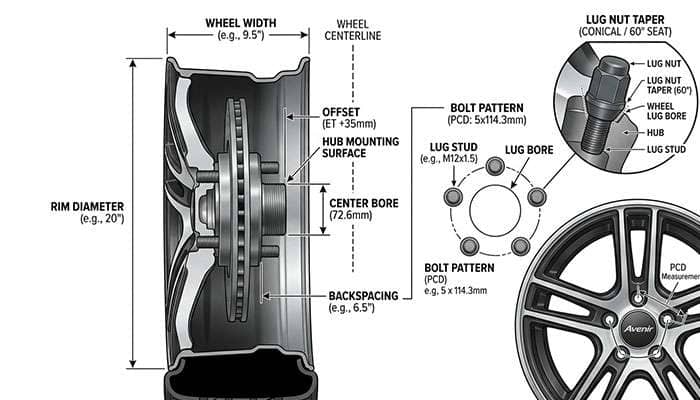
When it comes to custom truck wheels, getting the specifications right is crucial for both safety and performance. These aren't just numbers—they're the foundation of proper fitment that determines whether your new wheels will work with your truck or create expensive problems.
The bolt pattern is the most critical specification to get right. Get this wrong, and your wheels simply won't mount to your truck. The bolt pattern, also called lug pattern or Pitch Circle Diameter (PCD), tells you how many lug holes your wheel has and how they're spaced. This follows a simple two-number format: the first number shows lug hole count, while the second gives you the diameter of the circle those holes create.
A 6x5.5 bolt pattern means six lug holes arranged in a 5.5-inch diameter circle. You might see this same pattern listed as 6x139.7, which is the metric measurement in millimeters. Most trucks use either six or eight lug configurations. The popular 6x5.5 bolt pattern fits countless Chevy, Ford, Toyota, and GMC trucks. Heavy-duty applications typically require the robust 8x170 bolt pattern, designed to handle extreme loads and serious off-road use.
Measuring bolt patterns depends on lug count. For even numbers like six and eight lugs, measure from the center of one lug hole straight across to the center of the opposite hole. Five-lug patterns require a different approach since no hole sits directly opposite another—measure from center to outside edge of the farthest hole, or measure center to center and multiply by 1.05.
Wheel diameter measures straight across the face of the wheel. Start your measurement slightly inward from the lip edge, then measure across the center to the opposite side. Don't include the wheel lip in your measurement, since it's oversized to create a proper tire seal.
Wheel width measures the inside distance where the tire actually seats. Place your tape measure at the inside of one wheel lip and measure straight across to the inside of the opposite lip. This measurement directly affects tire selection and fitment.
Offset measures the distance from the hub mounting surface to the wheel's exact centerline, expressed in millimeters. Positive offset means the mounting surface sits toward the outside of the vehicle, pulling wheels inward toward the suspension. Negative offset places the mounting surface inside the centerline, pushing wheels outward toward the fender.
Backspacing measures from the hub mounting surface to the wheel's back edge in inches. More backspacing moves wheels inward, closer to suspension components, while less backspacing positions wheels outward, often beyond the fender. Getting offset and backspacing wrong can cause clearance issues with suspension components or create unsafe handling characteristics.
Hub-centric wheels feature a center bore that matches your vehicle's hub diameter exactly. This design centers the wheel on the hub for the most precise installation. Factory wheels typically use hub-centric design because manufacturers build them for specific vehicles.
Most aftermarket wheels use lug-centric design with a larger hub bore to fit multiple vehicle types. These wheels center on the lug holes rather than the hub. Hub-centric rings can fill the gap between a large bore and smaller hub, eliminating vibrations and creating a secure connection.
Wheel load rating indicates the maximum weight each wheel can safely support. This rating depends on the wheel's material, design, and construction method. Calculate your minimum requirement by finding your vehicle's Gross Axle Weight Rating and dividing by two.
Factor in additional weight from passengers, cargo, and modifications when determining your total load needs. Always choose wheels with load ratings that exceed your calculated requirements for safety and performance. Exceeding load ratings can cause catastrophic failure, including cracks, bending, or complete structural collapse.
At Performance Plus Tire, we have the most advanced custom wheel fitment search engine to help you find wheels with the exact specifications your truck requires.
When it comes to selecting custom truck wheels, matching your choice to how you actually use your vehicle makes all the difference. The specifications and materials we've discussed become meaningful only when you consider your real-world driving conditions and personal style preferences.
The type of driving you do should guide your material selection. Construction workers and vocational drivers need steel wheels that can withstand punishing job site conditions. These wheels handle impacts from debris, rough terrain, and harsh environments better than any other option.
Highway drivers benefit from lighter aluminum wheels that improve handling at speed and reduce unsprung weight. This translates to better fuel efficiency and more responsive steering during long hauls.
Off-road enthusiasts should consider smaller diameter wheels around 16 to 17 inches. These allow for larger tire sidewalls that provide better impact absorption when you're tackling rocks, ruts, and rough terrain. Highway-focused trucks perform well with 18 to 20-inch wheels that offer the best balance between aggressive looks and tire selection availability.
Your truck's weight rating influences wheel selection significantly. Half-ton and full-ton pickups typically run 20-inch wheels as the most popular size, providing excellent looks with plenty of compatible tire options.
Heavy-duty applications carrying maximum payload require wheels with higher load ratings than factory specifications. Don't forget to account for modifications like lift kits, armor plating, or roof-mounted equipment when calculating your total load requirements.
Wheel finishes range from practical matte black powder coating that resists scratches and corrosion, to show-stopping chrome plating that delivers mirror-like shine. Gunmetal and bronze finishes have gained popularity for their ability to complement specific paint colors exceptionally well.
Your local climate matters when choosing finishes. Areas that use road salt benefit from powder-coated or PVD finishes over traditional chrome, which can pit and corrode over time. Complex spoke designs look dramatic with machined faces and dark pockets, while simpler designs maintain a clean appearance in satin black or gunmetal.
Deep dish wheels feature the hub set further back, creating wide, visible lips that project an aggressive stance. These work best on rear axles where steering geometry won't be affected by the additional width.
Concave wheels have inward-angling spokes that create a recessed center, offering modern sophistication with better brake caliper clearance. Multi-spoke designs provide classic versatility that works across various truck styles and applications.
Local wheel shops offer hands-on fitment verification before you purchase. Professional installers can test-fit wheels on your specific truck, preventing costly clearance issues that online purchases sometimes create. Specialists at retailers like Performance Plus Tire provide expert guidance tailored to your vehicle's exact requirements and intended usage.
Budget builds typically start around $1,500 to $2,500 for complete wheel and tire packages. Mid-range setups run $2,500 to $4,500, while premium forged options can exceed $4,500 and reach $8,000 or more for high-end applications.
Individual wheel pricing varies by construction method. Cast aluminum wheels cost $150 to $400 per wheel, flow-formed options range from $250 to $600, and forged wheels span $500 to over $2,000 each. Remember that quality wheels are an investment that affects both performance and safety for years to come.
Proper installation determines whether your custom truck wheels deliver the performance and safety you expect. Getting this step wrong can create serious problems down the road.
Clearance verification prevents costly mistakes before you mount your new wheels. Measure backspace by laying a straightedge across the wheel's back and measuring to the mounting surface. Add this measurement to half the wheel width to determine how far inward the wheel extends. Compare this against your suspension components to verify adequate clearance.
Calculate frontspace by subtracting offset from the centerline to ensure wheels won't rub fenders during turns or suspension compression. Brake caliper clearance requires special attention, as spoke design affects fitment regardless of identical sizing. Even wheels with the same specifications can have different spoke patterns that interfere with brake components.
Custom wheels must accommodate your truck's tire pressure monitoring system. Aftermarket stems and seals adapt stock sensors to new rims while maintaining proper orientation. When original valve holes don't align, band kits mount sensors on the drop center.
Most trucks automatically recognize new sensors after driving 10 to 30 minutes at steady speeds between 30 to 50 mph. Some vehicles require scan tools for programming, especially when sensors use different frequencies than factory specifications. We recommend checking your owner's manual for specific reset procedures.
Professional installation provides calibrated torque tools and expertise that protects your investment. Technicians understand how to handle TPMS sensors located at valve stems, where damage risk is highest. They also ensure proper wheel balancing and correct torque settings that prevent safety issues.
DIY installation saves labor costs but increases risks from improper procedures. Warranty coverage often requires professional installation to remain valid. Consider the potential costs of mistakes when deciding between professional and DIY approaches.
Several common errors can turn your wheel upgrade into an expensive problem. Bolt pattern mismatches make installation impossible. Load rating specifications that don't match your truck's weight requirements compromise safety under heavy loads. Suspension modifications affect wheel compatibility in ways that aren't immediately obvious.
Verify all specifications before purchasing to avoid these costly errors. Retailers like Performance Plus Tire can help you confirm proper fitment for your specific truck and modifications.
Proper maintenance keeps your custom truck wheels looking great and performing at their best. Different wheel finishes and materials require specific care techniques to prevent damage and extend their lifespan.
Start by cleaning tires before touching wheels to prevent grime from dripping onto freshly cleaned surfaces. Apply tire cleaner, let it dwell for a minute, then scrub with a brush to remove embedded dirt. Brake dust creates the biggest maintenance challenge for custom wheels, as these metallic particles bake onto surfaces and permanently etch into finishes if left too long.
Always rinse wheels with water first to remove loose debris that could scratch during washing. We recommend using pH-neutral cleaners safe for all finishes while avoiding acidic products that can damage specific materials. Apply wheel protectant or sealant every three to four months to reduce routine cleanings to simple rinse-and-dry processes.
Chrome wheels require non-acidic cleaners and soft brushes - never use steel wool that scratches the soft metal. Polish chrome periodically to maintain shine and prevent oxidation. Alloy wheels need gentle aluminum-safe cleaners, as harsh detergents leave dull streaks. Powder-coated finishes resist damage better but still require pH-neutral products. Improper wheel cleaning accounts for over 30% of refinishing work that proper maintenance could prevent.
Winter salt aggressively attacks all wheel finishes. Rinse wheels within 24 to 48 hours after salt exposure to prevent corrosion. When storing seasonal wheels, clean them thoroughly and keep fully inflated in sealed plastic bags, stacked horizontally on plywood rather than bare concrete. Apply silicone-based tire dressing before storage to prevent dry rot.
Regular inspection helps catch problems before they become expensive repairs. Run your fingers along spokes to feel cracks invisible to the eye. Check for paint bubbling, flaking, or discoloration that signals early corrosion. Inspect rim edges for bends that cause vibrations while driving. Look for rust around lug nut holes indicating structural weakening. Porous wheels lose air gradually despite good tires and valves.
Understanding proper maintenance techniques protects your investment and ensures your custom wheels continue to enhance both your truck's appearance and performance for years to come.
Custom truck wheels can improve both the appearance and performance of your vehicle when you choose the right set for your specific needs. The key specifications we've covered—bolt pattern, offset, load rating, and material selection—determine whether your wheels will fit properly and perform as expected.
The right custom truck wheels make a significant difference in how your truck looks and handles on the road. Take time to measure your current setup, consider how you use your truck, and browse custom truck wheels that match your exact requirements.
We believe that investing in quality wheels with proper fitment provides the best value for your money. Choose wheels that meet your truck's specifications, maintain them properly, and you'll enjoy years of reliable performance and enhanced style. At Performance Plus Tire, we're here to help you find the perfect set of wheels that matches both your truck's needs and your personal preferences.
Choosing custom truck wheels requires understanding critical specifications and matching them to your specific driving needs and truck usage.
• Know your specifications first: Bolt pattern, offset, load rating, and center bore must match your truck's requirements to ensure proper fitment and safety.
• Material matters for performance: Steel wheels offer maximum durability for harsh conditions, while aluminum alloys provide better handling and fuel efficiency through weight reduction.
• Match wheels to your driving style: Off-road trucks need smaller diameter wheels (16-17") for larger sidewalls, while highway trucks perform best with 18-20" wheels.
• Professional installation prevents costly mistakes: Proper torque settings, TPMS compatibility, and clearance verification require expertise that protects your investment.
• Regular maintenance extends wheel life: Clean brake dust within 24-48 hours and use pH-neutral cleaners to prevent permanent damage to wheel finishes.
The right custom wheels enhance both performance and appearance, but only when properly selected, installed, and maintained according to your truck's specific requirements and usage patterns.
When choosing wheels for your truck, consider size and fitment specifications like bolt pattern and offset, material type (steel vs. aluminum alloy), design esthetics that match your style, your budget range, and how the wheels will impact your vehicle's performance based on your driving needs and truck usage.
Highway-focused trucks perform best with 18 to 20-inch wheels that balance esthetics with tire selection availability. Off-road trucks benefit from smaller diameter wheels around 16 to 17 inches, which allow for larger tire sidewalls that better absorb impacts from rough terrain.
17-inch wheels feature taller sidewalls that provide better cushioning against potholes and curbs, reducing the risk of rim damage from road hazards. The additional sidewall height offers improved impact absorption, making them ideal for trucks that frequently encounter rough roads or off-road conditions.
Avoid ignoring bolt pattern compatibility, overlooking load rating requirements for your truck's weight, choosing style over functionality, buying wheels without verifying proper clearance for suspension and brake components, and skipping professional installation which can lead to safety issues and warranty problems.
Clean brake dust from your wheels within 24 to 48 hours of accumulation, as these metallic particles can bake onto surfaces and permanently etch into finishes. Use pH-neutral cleaners safe for all finishes, and apply wheel protectant or sealant every three to four months to reduce the frequency of deep cleaning sessions.