
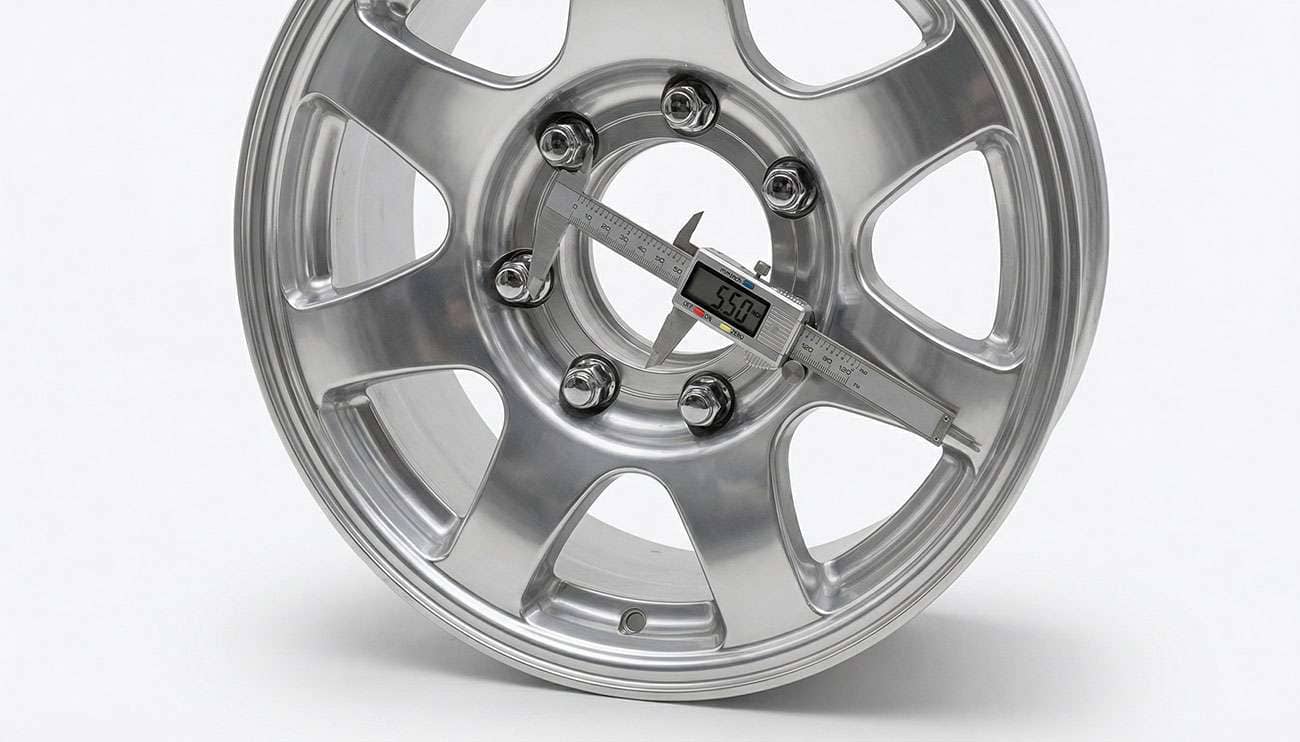
The 6x5.5 bolt pattern stands as one of the most popular wheel configurations across today's truck and SUV market. This versatile pattern appears on vehicles from Acura, BAIC, BAW, BYD, Cadillac, Changan, and Chery. Finding the right replacement wheels or custom rims starts with understanding your vehicle's bolt pattern for perfect fitment.
At Performance Plus Tire, we have extensive experience helping customers select the ideal wheels for their vehicles. Our experts know that the 6x5.5 bolt pattern (also known as 6x139.7mm) typically features a 12x1.5 stud size and a hub center bore of 108mm. These wheels require a specific torque sequence of 1, 6, 4, 2, 5, 3 and need 75 to 85 lb-ft of torque for proper installation. We'll walk you through which vehicles use this popular bolt pattern, break down the important specifications, and help you avoid costly mistakes when upgrading your wheels.
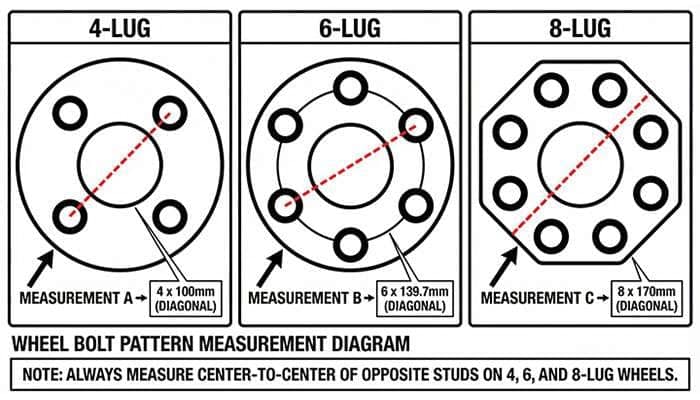
Knowing your wheel's bolt pattern specifications prevents costly purchasing mistakes and ensures proper fitment during upgrades or replacements. The numbers in a bolt pattern reveal critical compatibility information for your vehicle's hub assembly.
Manufacturers use different measurement systems to describe identical wheel specifications. The 6x5.5 bolt pattern goes by its metric equivalent: 6x139.7. This versatile configuration appears on numerous light trucks, SUVs, and select minivans.
You'll find both designations in catalogs, websites, and product packaging. North American brands typically use the imperial measurement (6x5.5), while international manufacturers prefer the metric version (6x139.7). Recognizing this dual terminology prevents confusion when shopping for compatible wheels.
Yes, absolutely. The 6x5.5 and 6x139.7 designations describe identical bolt patterns. The difference comes down to measurement units - imperial versus metric.
The conversion is simple: 139.7 millimeters divided by 25.4 (millimeters per inch) equals 5.5 inches. Whether a manufacturer lists wheels as 6x5.5 or 6x139.7, they're describing the same wheel configuration.
Understanding this equivalence eliminates unnecessary complications when selecting new wheels. Both descriptions fit the same vehicles, regardless of which measurement system appears in the specifications.
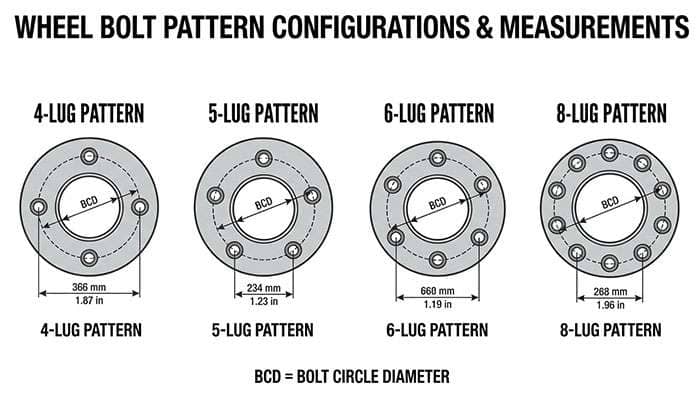
Accurate measurement ensures your new wheels will properly mount to your vehicle. For 6-lug patterns, follow this straightforward process:
Step 1: Identify the format The bolt pattern uses two numbers (like 6x5.5). The first number (6) shows how many bolt holes or studs your wheel has. The second number (5.5) indicates the diameter of the imaginary circle formed by those 6 studs, measured in inches.
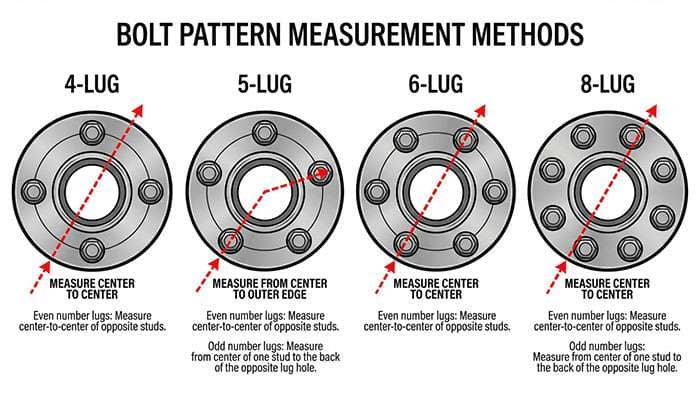
Step 2: Take the measurement Since 6-lug patterns have an even number of lugs, measurement is straightforward. Measure in a straight line from the center of one bolt hole to the center of the bolt hole directly opposite. This gives you the bolt circle diameter.
Step 3: Record both units Note your measurement in both inches and millimeters when possible, as manufacturers use different systems.
The bolt pattern provides essential compatibility information. The "6" in 6x5.5 means six lugs, while "5.5" specifies that measuring from one bolt center across to the opposite bolt center equals 5.5 inches.
Six-lug patterns allow direct measurement across opposing holes, unlike odd-numbered patterns that require more complex techniques. Professional mechanics often use specialized bolt pattern gages for precision, though a careful ruler or measuring tape works for most applications.
Proper bolt pattern identification forms the foundation of successful wheel selection. Getting this measurement right prevents purchasing mistakes and ensures your new wheels mount safely to your vehicle.
The 6x5.5 bolt pattern delivers incredible versatility across today's most popular trucks and SUVs. From heavy-duty work trucks to luxury SUVs, this industry-standard configuration creates amazing wheel interchangeability opportunities between different makes and models.
Chevrolet has made the 6x5.5 (6x139.7mm) bolt pattern a cornerstone of their truck and SUV design philosophy. The Chevy Silverado 1500 runs this pattern from 1999 through 2025 models. The Chevy Tahoe (1995-2026) and Suburban models (2000-2025) maintain this same bolt configuration across their entire production run. Both 2WD and 4WD variants use this pattern, though pre-2000 Suburban models featured this setup only on 4WD variants. Other Chevrolet vehicles sharing this pattern include the Avalanche, Colorado (2024-2025 models only), Express 1500, and TrailBlazer.
GMC mirrors Chevrolet's approach with identical bolt patterns across their lineup. The GMC Sierra 1500 (2000-2025) uses the 6x5.5 pattern on both 2WD and 4WD configurations. The Yukon and Yukon XL (2000-2025) continue this same bolt pattern. Older models (1992-1999) used this configuration exclusively on 4WD variants. The GMC Canyon joins this pattern in its newest iterations (2024-2025). The Savana 1500 and Denali 1500 complete GMC's 6x5.5 family.
Toyota embraces the 6x5.5 bolt pattern across their most trusted truck and SUV models. The Toyota Tacoma (1995-2026), 4Runner (1989-2026), and Tundra (2000-2006 and 2022-2026) all feature this configuration. Additional Toyota models include the FJ Cruiser (2007-2023), Land Cruiser (1980-2026), and Land Cruiser Prado (1990-2025). Toyota 4-Runners from 1986-2002 and Landcruisers from 1993-1997 specifically use this bolt pattern.
Nissan builds the 6x5.5 bolt pattern into their truck and SUV foundation. The Nissan Frontier (1998-2016) features this configuration. Most Hardbody trucks also run the 6x139.7 (6x5.5") bolt pattern. The Titan (2004-2024) and Titan XD (2016-2024) share this same pattern, creating excellent wheel compatibility. The Xterra (1999-2004) rounds out the core lineup. Additional Nissan vehicles include the Armada, Patrol, and NV350 Urvan.
Isuzu has long relied on the 6x5.5 bolt pattern for their vehicle designs. The D-MAX (2002-2025) and MU-X (2013-2025) both use this configuration. Several older Isuzu models like the Rodeo, Axiom, and Trooper have historically featured this same bolt pattern. For those seeking compatible wheels across different brands, you can explore our extensive selection of wheels with the 6x139.7 bolt pattern at Performance Plus Tire.
Cadillac chooses the 6x5.5 bolt pattern for their luxury SUV lineup. The Cadillac Escalade has maintained this configuration from 2002 through 2026 across all generations. Every Escalade variant - base model, ESV, and EXT - uses this common bolt pattern. The newest Vistiq (2025-2026) continues this 6x139.7mm pattern according to owner reports, though some conflicting information exists about its exact specification.
Ford applies the 6x5.5 pattern to select models in their lineup. The Ford Ranger has used this bolt pattern consistently from 1999 through 2025. The revived Bronco (2021-2026) also features this configuration. The Ford F-150 trucks use a different bolt pattern entirely.
Jeep incorporates the 6x5.5 configuration into several key models. The original Gladiator (1962-1971) used this pattern. The Grand Wagoneer from 1984-1991 and newer generations (2021-2025) both feature this bolt pattern. The Wagoneer from classic (1978-1983) and modern (2021-2025) eras shares this specification. The 1974-1992 Wagoneer/Grand Wagoneer SJ models specifically used a 6x139.7mm bolt pattern with a 108mm centerbore.
Proper wheel fitment requires more than matching the 6x5.5 bolt pattern alone. Stud sizes, hub bore measurements, torque requirements, and factory wheel dimensions all play critical roles in safe installation and optimal performance.
Vehicles with the 6x5.5 bolt pattern use one of three main stud thread sizes. Chevrolet and GMC half-ton pickups predominantly feature M14 x 1.5 threads. Many Toyota vehicles like the 4Runner and Tacoma utilize 12 x 1.5 stud threads. Older American models may use the standard SAE 7/16-RH thread pitch.
Stud thread compatibility varies by manufacturer:
Chevrolet/GMC trucks (1967-current): M14 x 1.5
Toyota 4Runner (1996-2021): 12 x 1.5
Dodge Ram 1/2-ton (2019-current): M14 x 1.5
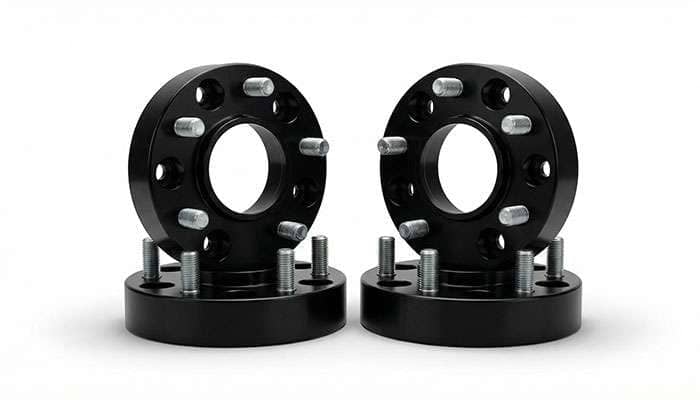
Using incorrect lug nuts can damage threads or create unsafe mounting conditions. Wheel spacers or adapters often require specific open-end lug nuts, as factory lug nuts typically won't work.
The hub center bore diameter—the central hole that centers the wheel on your vehicle—varies significantly across models using the 6x5.5 pattern. Common hub bore sizes range from 78.1mm to 108mm.
Toyota vehicles typically feature a 106mm hub bore, while many Nissan models use a smaller 78.1mm opening. Hub-centric rings can adapt wheels with larger center bores to vehicles with smaller hubs, ensuring proper centering.
Common hub bore measurements include:
78.1mm: Select Nissan models
95.1mm: Various American SUVs
106mm: Toyota 4Runner, FJ Cruiser, Sequoia
108mm: Chevy and GMC applications
Hub-centric wheels that perfectly match your vehicle's hub diameter provide superior centering compared to lug-centric alternatives that rely solely on lug nuts for alignment.
Proper torquing procedure demands following a specific cross-pattern sequence for 6-lug wheels: 1, 6, 4, 2, 5, 3. This alternating pattern ensures even pressure distribution and prevents rotor warping or uneven seating.
Torque specifications vary based on wheel material and stud size:
Wheel Material |
Recommended Torque (ft-lbs) |
|---|---|
Steel 15" 6-lug |
90-120 |
Aluminum 15" 6-lug |
100-120 |
12mm studs |
70-80 |
14mm studs |
85-100 |
Proper torquing involves three stages: snug tightening, half-torque application in sequence, then final torquing to specification. Always re-check torque after 50-100 miles of driving, especially with new wheels or replaced studs.
Factory wheels for vehicles with the 6x5.5 bolt pattern typically range from 15x6 to 17x8 in size, depending on vehicle model and trim level. Most half-ton trucks and SUVs come standard with 15" to 17" diameter wheels.
Steel wheels generally come in narrower widths (6"-7"), while aluminum options often offer wider footprints (7"-8"). When upgrading beyond OEM sizes, consider:
Proper offset to maintain steering geometry
Adequate clearance for suspension components
Appropriate tire sizing to maintain speedometer accuracy
For 6x5.5 pattern wheels, offset measurements typically range from 0 to +30mm, with most OEM applications falling between +15mm and +25mm.
Before purchasing aftermarket wheels, verify not only the bolt pattern but all these critical specifications to ensure proper fitment, safe operation, and optimal performance for your specific vehicle.
Swapping wheels between different vehicles requires more than just matching bolt patterns. Several factors determine whether wheels will actually fit and perform safely, even when vehicles share the same 6x5.5 configuration.
Most modern Chevrolet trucks and SUVs use the 6x5.5 bolt pattern as standard equipment. You'll find this configuration on Silverado 1500s, Tahoes, Suburbans, and various other Chevy vehicles. The Colorado model requires verification, as some years feature this pattern while others don't. Classic Chevy trucks typically used five-lug wheels, but contemporary models predominantly feature six-lug setups.
Chevy vehicles need wheels with a center bore between 78mm and 108mm. For 4x4 models, you'll need wheels with a sufficiently large center hole to clear the hub.
Not all 6-lug wheels fit Chevrolet vehicles. Any 6-lug GM wheel with the correct 6x5.5 (6x139.7mm) pattern will fit other GM vehicles using the same pattern. However, other 6-lug patterns won't work, including 6x115, 6x120, 6x132, and Ford's 6x135.
For proper fitment on Chevy trucks, look for wheels with:
Bolt pattern: 6x5.5 (6x139.7mm)
Offset range: -25mm to +18mm
Hub diameter: 90mm (for proper centering)
Certain model years might have different offset requirements despite sharing the same bolt pattern. Always verify complete specifications before purchasing replacement wheels.
The 6x5.5 bolt pattern will not fit a Ford F-150. F-150s from 2004 to present use the 6x135 bolt pattern. This 4.7mm difference in bolt circle diameter prevents direct fitment.
Wheels advertised as "6x135 / 6x5.50" create confusion. These measurements are fundamentally different:
6x5.5 = 6x139.7mm (Chevy, GMC, Toyota pattern)
6x135 = 6x5.315" (Ford F-150 pattern)
Attempting to mount 6x5.5 wheels on an F-150 without adapters will result in misaligned lug holes and unsafe mounting conditions. Similarly, 6x135 wheels cannot fit vehicles with the 6x5.5 pattern without proper adapters.
Toyota and Chevrolet both use the 6x5.5 pattern, but cross-brand compatibility faces several challenges. The centerbore size creates the primary fitment issue. Toyota vehicles typically have a larger hub diameter compared to Chevy models, which means:
Toyota wheels may fit on Chevy vehicles if properly centered with hub rings, though using correct lug nuts remains essential.
Chevy wheels generally won't fit Toyota vehicles because the centerbore of Chevy wheels is often too small to fit over Toyota's larger hub.
For those seeking to explore wheels with the 6x5.5 bolt pattern, Performance Plus Tire offers a comprehensive selection of compatible options across various sizes and styles.
Cross-compatibility between brands often requires additional considerations like hub-centric rings, correct lug nuts, and proper offset matching. Factory wheels from one vehicle make are usually not recommended for use on another make without these adaptations.
Accurate bolt pattern identification prevents costly wheel purchasing mistakes. For trucks and SUVs with the 6x5.5 configuration, the right tools make this process straightforward and reliable.
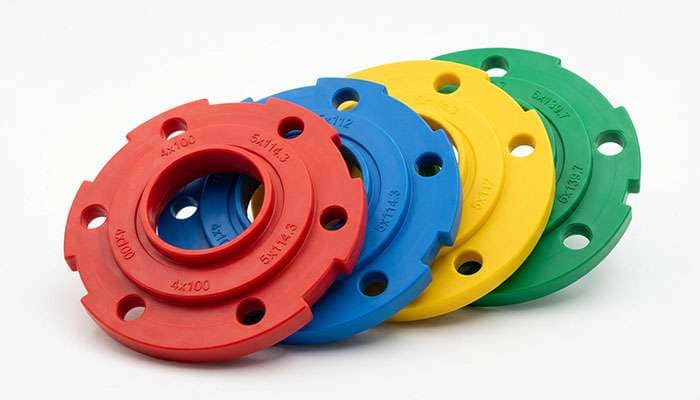
A PCD (Pitch Circle Diameter) gage provides the most accurate method for measuring bolt patterns on wheels. This tool features pre-marked holes and measurements designed for 4, 5, 6, and 8-lug patterns. PCD gages remove the guesswork when determining if your vehicle uses the 6x5.5 pattern.
Here's how to use a bolt pattern gage correctly:
Place the gage over your wheel's lug holes
Align the center point with your wheel's hub
Rotate until the gage's holes match your wheel's lug pattern
Read the measurement directly from the tool
These gages deliver much more accurate results than rulers or measuring tapes, while remaining affordable for home mechanics. Many professionals consider them essential tools for proper wheel fitment.
Modern websites offer databases where you enter your vehicle's year, make, and model to find its bolt pattern instantly. These lookup tools show your vehicle's complete specifications, including confirmation of the 6x5.5 pattern.
Most reliable online tools let you "select options like year, make, model and option from drop-downs to find bolt patterns for your vehicle". This method works particularly well when shopping for wheels online, as you can filter results to show only compatible options for your specific vehicle.
Specialized calculators handle conversions between 6x139.7mm and 6x5.5 inches automatically. These digital tools help determine proper wheel fitment by considering all important factors beyond just bolt pattern.
Advanced wheel fitment calculators compare your current setup with potential new wheels, highlighting possible clearance problems. The best apps "show the OEM wheel size and specifications based on the trim of your vehicle".
For trucks with the 6x5.5 bolt pattern, check out this dedicated page for compatible wheel options across multiple brands and styles.
Wheel swapping mistakes can create serious safety hazards and expensive component damage, even when you match the bolt pattern correctly. Understanding these critical errors helps you avoid dangerous situations when upgrading wheels on vehicles with the 6x5.5 bolt pattern.
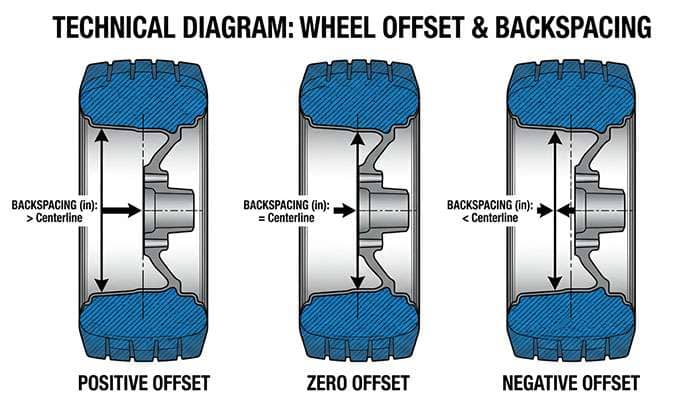
Wrong wheel offset completely changes how your wheel positions relative to the suspension and creates major problems. Excessive positive offset pushes wheels inward, causing constant rubbing against suspension parts and brake components. This grinding wears down essential components and makes your vehicle unsafe to drive. Too much negative offset has the opposite effect, forcing wheels outward and creating steering wheel kickback plus extra stress on your suspension system. Most trucks with the 6x5.5 pattern need backspacing between 4.0-4.5 inches for safe operation.
Hub bore size matters just as much as bolt pattern when swapping wheels between different vehicle brands. Your wheel's center bore must match or be larger than your vehicle's hub diameter. Lug-centric wheels that rely only on lug nuts for centering provide poor alignment compared to hub-centric designs. When wheel bores are too large, hub-centric rings fill the gap and ensure proper wheel centering on the hub.
Poor lug nut torquing creates extremely dangerous driving conditions. Always use the correct star pattern sequence (1-6-4-2-5-3) and follow manufacturer torque specifications exactly. Impact guns should never be used for final tightening because they produce inconsistent torque that ranges from dangerously loose to wheel-damaging tight. Check your torque again after 50-100 miles of driving, especially with new wheels.
The 6x5.5 bolt pattern opens up a world of wheel options for truck and SUV owners across multiple brands. From Chevy Silverados to Toyota Tacomas, this versatile configuration makes finding the perfect custom wheels easier than ever. We've shown you that whether manufacturers list wheels as 6x5.5 or 6x139.7mm, you're looking at the same specifications - just measured differently.
Getting the right wheels means looking beyond just bolt patterns. Stud sizes, hub bores, offset measurements, and proper torque specs all matter for safe, proper installation. While many trucks share this bolt pattern, each vehicle has specific requirements that affect which wheels will work best.
At Performance Plus Tire, we've helped thousands of customers find wheels that fit perfectly the first time. Our extensive selection includes wheels for every vehicle using the 6x5.5 pattern, from work trucks to luxury SUVs. We know the exact specifications for each application, so you can shop with confidence knowing your new wheels will mount correctly and perform as expected.
Ready to upgrade your ride? Whether you're driving a GMC Sierra, Nissan Frontier, or Cadillac Escalade, the right 6x5.5 wheels can transform your vehicle's appearance and performance. Use the knowledge from this guide to make an informed decision, and remember that proper fitment ensures both safety and satisfaction. Your truck or SUV deserves wheels that look great and perform even better.
Understanding the 6x5.5 bolt pattern opens up wheel compatibility across multiple popular truck and SUV brands, but proper fitment requires attention to several critical specifications beyond just matching lug patterns.
• 6x5.5 equals 6x139.7mm - These measurements describe identical bolt patterns, just in different units (imperial vs metric)
• Cross-brand compatibility exists but has limitations - While Chevy, Toyota, Nissan, and Ford Rangers share this pattern, hub bore differences often require adapter rings
• Proper torque sequence prevents damage - Always follow the 1-6-4-2-5-3 pattern and manufacturer torque specs (typically 75-85 lb-ft)
• Offset and backspacing matter as much as bolt pattern - Incorrect offset causes suspension rubbing, steering issues, and premature component wear
• Hub bore sizes vary significantly - Common ranges from 78.1mm to 108mm across different manufacturers, requiring hub-centric rings for proper centering
The 6x5.5 bolt pattern appears on popular models like Chevy Silverado, Toyota Tacoma, GMC Sierra, Nissan Frontier, and Cadillac Escalade. However, successful wheel swapping depends on matching all specifications - not just the bolt pattern - to ensure safe operation and optimal performance.
Several popular trucks and SUVs use this bolt pattern, including the Chevrolet Silverado, GMC Sierra, Toyota Tacoma, Nissan Frontier, Cadillac Escalade, and certain Ford Ranger models. It's common across many brands for their larger vehicles.
No, these are the same bolt pattern expressed in different units. 6x139.7 is the metric measurement in millimeters, while 6x5.5 is the imperial measurement in inches. They refer to identical wheel configurations.
Generally, no. While some Ford Rangers use the 6x5.5 pattern, most Ford trucks (like the F-150) use a different 6x135mm pattern. Always verify the exact specifications for your vehicle before attempting to swap wheels between brands.
When changing wheels, you need to consider the hub bore size, wheel offset, backspacing, and stud size in addition to the bolt pattern. Ignoring these factors can lead to fitment issues and potentially unsafe driving conditions.
Proper torque is crucial for safe wheel installation. Use a torque wrench to tighten lug nuts in the correct sequence (typically 1-6-4-2-5-3 for 6-lug wheels) to the manufacturer's specified torque value. Recheck the torque after 50-100 miles of driving with new wheels.



