
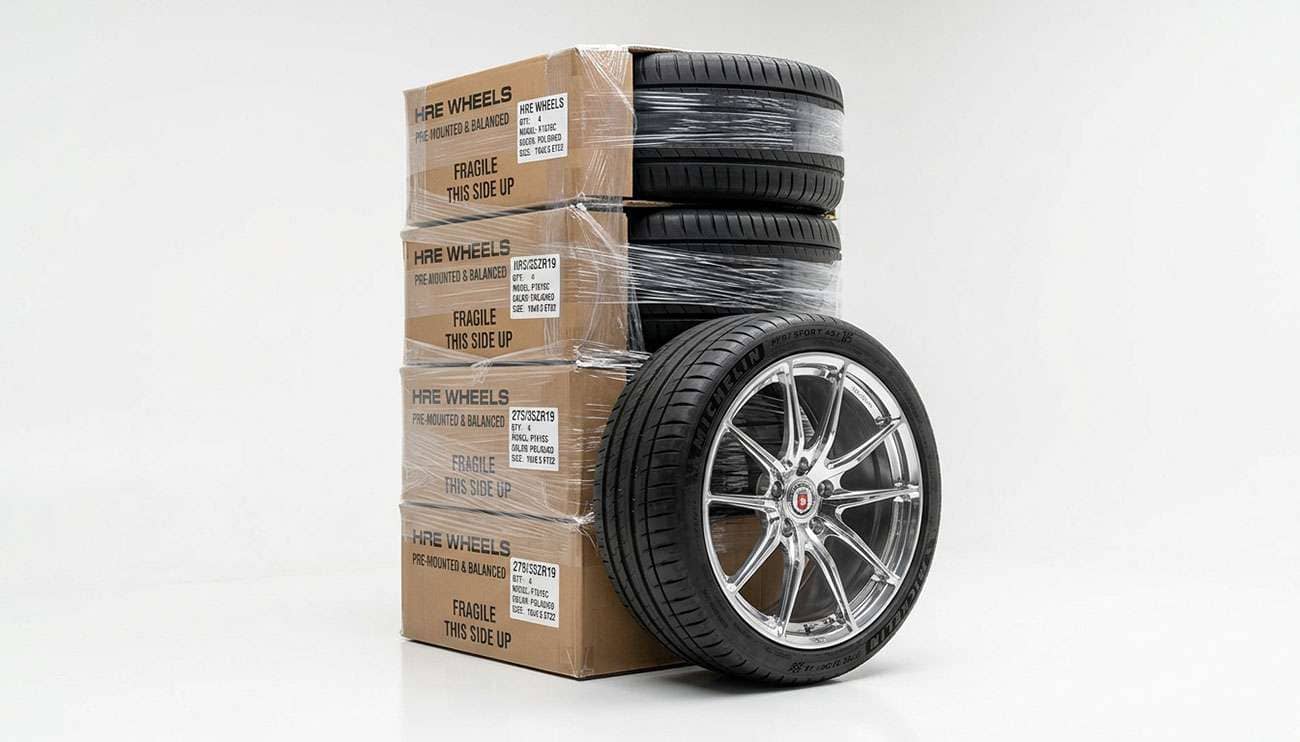
I've been doing this a long time, and I'll tell you, a wheel and tire package is about the best deal going. You pick your wheels, pick your tires, we mount and balance the whole set, and it shows up at your door ready to bolt on. Most folks have zero trouble. But every so often a set comes back to the shop, and when it does, it's almost never because the wheels were bad. It's because something small got skipped at the order stage.
So let me save you the headache. Here are the mistakes I've watched folks make over the years, the ones that turn a slam-dunk purchase into a return slip. None of them are complicated. They just need a minute of attention before you click that buy button. If you want the broader picture first, our guide on what is included in a wheel and tire package is a good warm-up.
This is the big one. The bolt pattern is the number and spacing of the lug holes, written like 5x114.3 or 6x139.7, and the wheel has to match your hub exactly. I can't tell you how many times someone's ordered off a buddy's say-so, or grabbed the pattern off a different trim of the same car, and ended up with a beautiful set of wheels that won't bolt up. Close doesn't count here. A 5x114.3 will not go on a 5x120 hub, period.
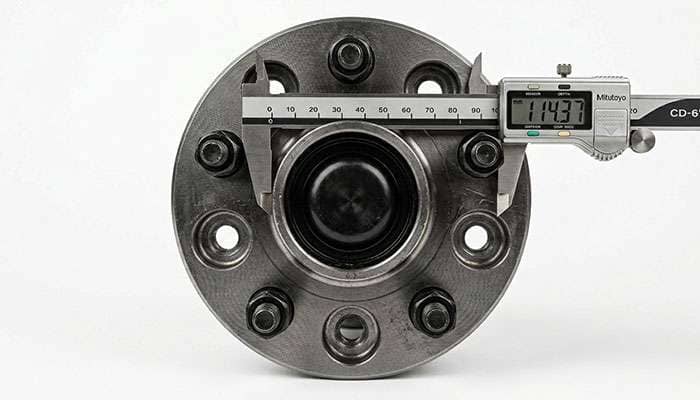
Get the pattern straight from your vehicle or your owner's manual, not from memory. If you're not sure how to read or measure it, the lug pattern explained guide spells it out. And honestly, the easiest fix of all: tell us your year, make, and model when you build the package, and the fitment gets handled for you. That's what the team is here for.
Here's the sneaky one, because a wheel can have the right bolt pattern and still be wrong. Offset is how far the mounting face sits from the wheel's centerline, and it decides whether the wheel tucks in nicely or pokes out and rubs. I've had folks bolt up a set that fit the studs perfectly, then call me because the tire's eating the inside of the fender at every bump, or scrubbing the strut on a turn.
Offset and backspacing are what keep the tire where it belongs in the wheel well. Too much the wrong way and you've got rubbing, or the wheel sticks out past the fender. Our write-up on wheel offset explained how to get the perfect fit every time walks through it in plain language. The short version: don't just match the bolt pattern and call it done. Match the offset your vehicle wants too.
If your vehicle's a 2008 or newer, odds are it's got a tire pressure monitoring system, those little sensors inside each wheel that talk to your dash. When you put a fresh set of wheels on, those sensors don't just teleport over. The new wheels need their own sensors, and the system usually needs a relearn so the car knows they're there.
The mistake is assuming a package automatically comes sorted for this. Sometimes folks order, bolt everything on, and then the TPMS light glares at them the whole drive home. It's an easy thing to add at order time, but a real annoyance to chase down after. Our guide on TPMS sensors for aftermarket wheels explained covers what you need, and again, just ask us when you order. We'd rather set it up right than have you driving around with a warning light.
A tire has to live on a rim that's the right width for it. Every tire size has a range of rim widths it's designed to work with. Mount a tire that's too wide on a skinny rim and the tread bulges and rolls under in corners. Stretch a narrow tire onto a wide rim and you've got a bead that's working too hard and a ride that suffers. Neither one is doing your handling or your tire life any favors.
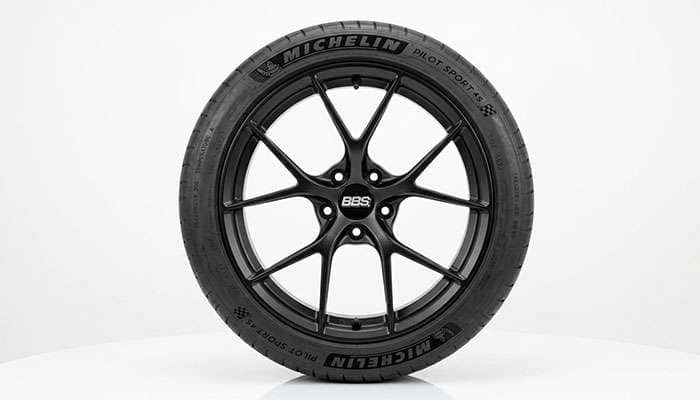
When you build a package, the tire and the wheel have to make sense together, not just look good in two separate browser tabs. Our breakdown on tire size for wheel width shows the proper pairings. This is another spot where building the package with our help saves you grief, because we won't put a tire on a rim it doesn't belong on.
I get it. You see a set, you fall in love, you want it on your car yesterday. But the wheel that looks killer in the photo still has to clear your brakes, your suspension, and your fenders. Bigger calipers, lowered suspension, a wider tire than stock, those all eat into the room you've got. I've seen a gorgeous set go on and the spokes kiss the brake caliper, or the tire rub the fender lip on a full-load bump.
The fix is simple: think about what's behind and around the wheel before you commit, not after. Brake clearance, suspension travel, and fender room all matter. If you've modified anything, or you're going bigger than stock, tell us. A package is supposed to bolt on and go, and it will, as long as the set you picked actually fits the car you've got and not just your imagination.
This one causes a complaint I hear a lot: "I got my package, everything's balanced, and there's still a vibration." Nine times out of ten it's the hub bore. The center hole of the wheel needs to seat properly on the hub so the wheel rides centered. Aftermarket wheels often come with a larger center bore to fit many vehicles, and they use hub-centric rings to take up the difference and center everything right.
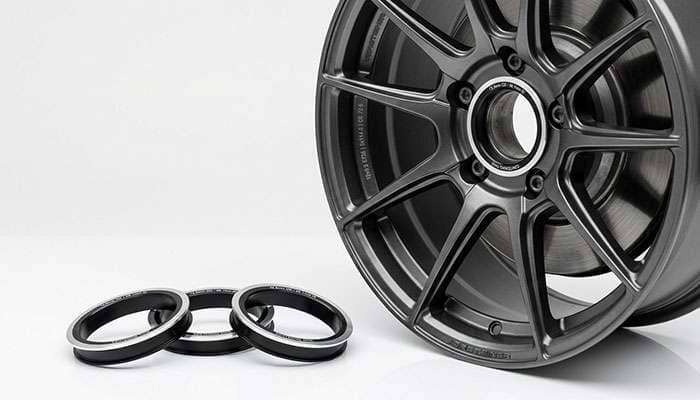
Skip those rings, or get the wrong ones, and the wheel can sit slightly off-center even with perfect balance, and you'll feel it in the steering wheel. Folks chase that vibration to the balancer over and over when the real fix is proper centering. Our piece on hub-centric vs lug-centric wheels explains the difference. Get the centering right up front and a balanced package rides smooth, like it should.
This is really the thread running through all of them. A package is a tremendous convenience, no question, and the savings are real, as our comparison on whether wheel and tire packages are cheaper lays out. But "package" doesn't mean "no decisions." It means the mounting, balancing, and shipping headaches are handled for you. The fitment choices are still yours, and the few minutes you spend getting them right are what makes the whole thing land smooth.
So before you click buy: confirm the bolt pattern, mind the offset, sort the TPMS, match the tire to the rim, check your clearances, and handle the hub centering. Or skip all that worry and just give us the year, make, and model and let us build it for you. That's the whole point of doing this with a shop that's been at it a while. We've made every one of these mistakes so you don't have to.
A wheel and tire package is one of the smartest ways to outfit your ride, and the folks who have trouble almost always tripped on something small and avoidable at the order stage. Bolt pattern, offset, TPMS, tire-to-rim width, clearance, and hub centering, that's the whole list. Get those six things straight and your package shows up ready to bolt on and look right. When you're ready to build one, browse our Wheel and Tire Packages, pick from our Custom Wheels and Modern Tires, and lean on us for the fitment. That's what we're here for.
Guessing the bolt pattern. A wheel has to match your hub's lug count and spacing exactly, and a wheel that's even slightly off won't bolt up. Always confirm the pattern from your actual vehicle, or just provide your year, make, and model when ordering.
Not automatically. New wheels need their own sensors, and most vehicles need a relearn so the system recognizes them. If your vehicle is a 2008 or newer, ask about adding TPMS sensors at order time so you don't end up driving with a warning light.
Most often it's the hub bore. Aftermarket wheels frequently have a larger center bore and need hub-centric rings to seat centered on the hub. Without the right rings, the wheel can sit slightly off-center even when perfectly balanced, and you'll feel a vibration in the steering wheel.
No. Every tire size has a range of rim widths it's designed for. A tire too wide for the rim will bulge and roll, and a tire stretched onto too wide a rim strains the bead and hurts the ride. The tire and wheel have to be paired correctly, which is part of what a shop handles when building your package.
A package handles the mounting, balancing, and shipping for you, but the fitment choices, bolt pattern, offset, tire-to-rim width, clearance, and centering, still matter. The easiest path is to give the shop your year, make, and model and let them confirm the fit.



