
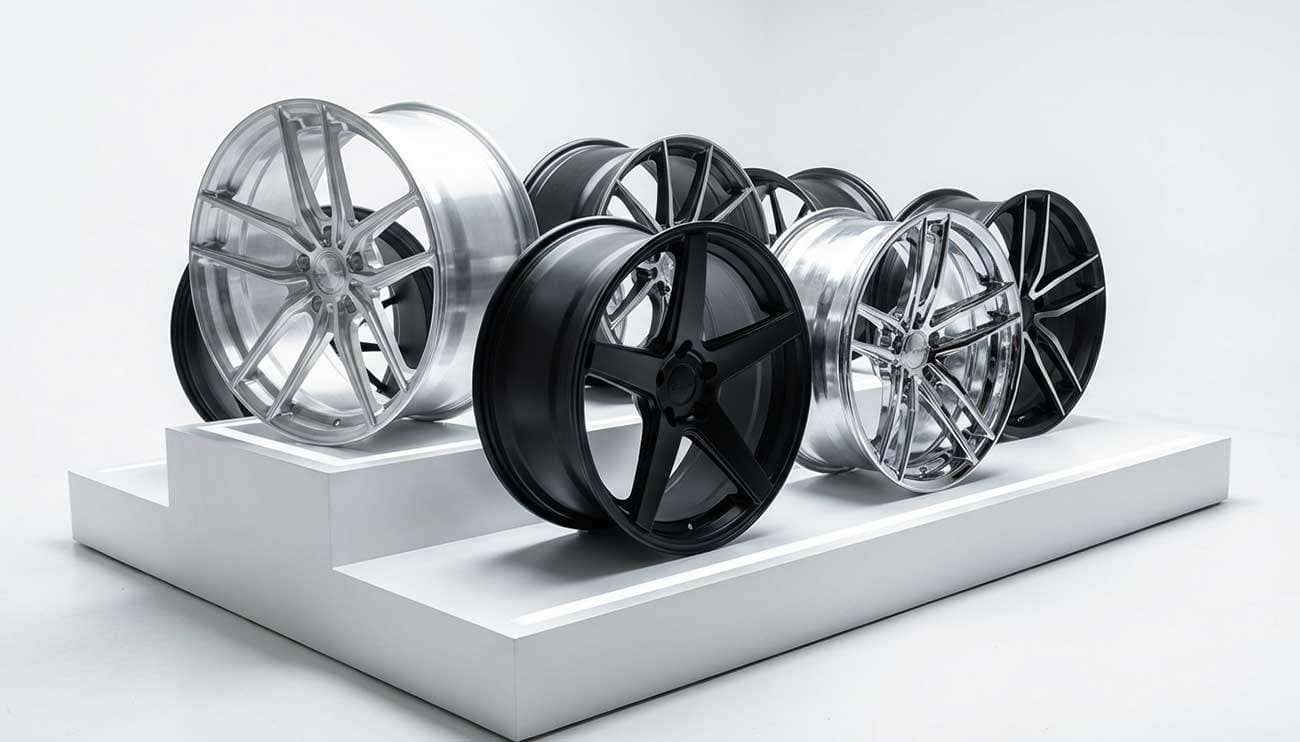
Custom rims are aftermarket wheels designed to replace your vehicle's factory-installed wheels. They represent one of the most popular vehicle modifications, allowing you to enhance both appearance and performance far beyond what standard wheels can offer.
At Performance Plus Tire, we understand that choosing the right custom rims can transform your driving experience. These specialized wheels come from aftermarket manufacturers who focus on providing options that factory wheels simply can't match. The key difference lies in the extensive customization possibilities available through different designs, finishes, sizes, and materials that suit your specific style and performance needs.
Custom rims utilize several material compositions, each offering distinct advantages for different driving applications. Aluminum alloys dominate the market due to their excellent strength-to-weight ratio, making them lighter than steel while maintaining durability. Magnesium alloys take weight reduction further, weighing approximately 25% less than aluminum, which translates to improved acceleration and handling responsiveness. Steel wheels provide maximum durability for harsh conditions, though they add weight to your vehicle. Carbon fiber options deliver premium strength with minimal weight, typically reserved for high-performance racing applications.
The way custom rims are manufactured significantly impacts their quality and performance characteristics. Cast wheels are created by pouring molten metal into molds, offering an affordable entry point into custom wheels while carrying slightly more weight. Forged wheels undergo compression under extreme pressure, resulting in superior strength while maintaining lighter weight than cast alternatives. Multi-piece construction allows maximum customization by combining separately manufactured components, giving you more options for achieving the exact look and fit you want.
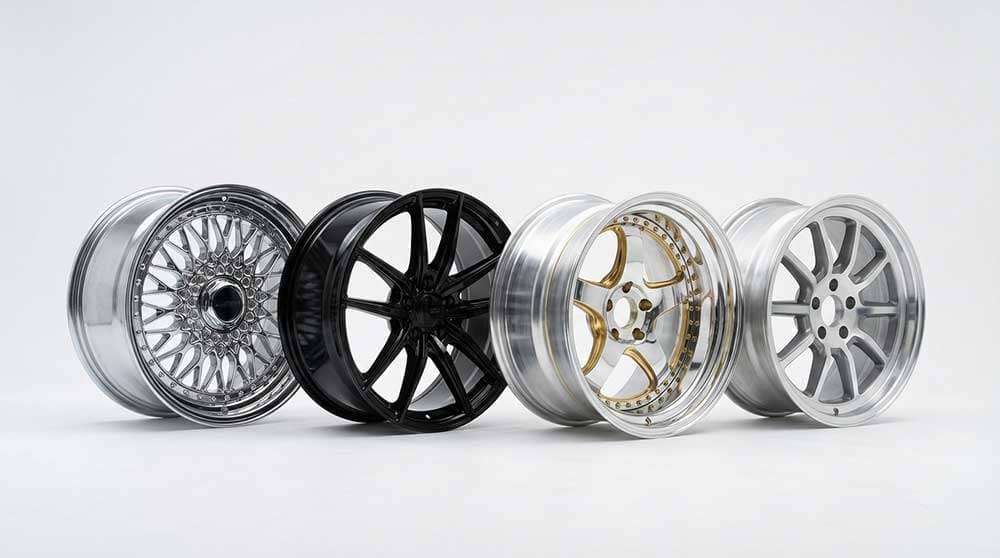
Custom rims dramatically change your vehicle's appearance through various design elements and finishes. Chrome provides a mirror-like shine that catches attention, while polished aluminum offers a refined metallic appeal. Painted surfaces come in numerous colors, with silver and black being the most popular choices. Modern matte finishes create contemporary styling that stands apart from traditional glossy options. Design variations include multiple spoke patterns ranging from clean, minimalist looks to intricate configurations, mesh styles, split-spoke arrangements, and deep-dish profiles that create bold visual impact.
Beyond aesthetics, custom rims deliver measurable performance improvements. Their lighter construction reduces unsprung weight, which means better acceleration and superior handling characteristics. Quality alloy wheels dissipate heat more effectively than steel alternatives, helping maintain consistent brake performance during demanding driving conditions or extreme temperatures.
Custom rim sizes typically range from 16 to 22 inches in diameter, with specialized applications using sizes from 12 to 30 inches. This sizing flexibility lets you achieve specific performance goals and visual preferences through plus-sizing, where you install larger wheels while maintaining similar overall wheel and tire height.
When selecting custom rims, several critical specifications ensure proper fitment and performance. These include diameter, width, offset (distance from mounting surface to centerline), backspacing (distance from mounting surface to inner lip), bolt pattern, and center bore measurements. Getting these specifications right ensures your new wheels fit perfectly and function as intended while delivering the appearance you want.
Custom rims create measurable performance improvements through several key factors. The most important benefit comes from weight reduction - lighter wheels mean less unsprung weight for your suspension to control. When you reduce wheel weight by 12 pounds per wheel, you can see 0-60 mph acceleration improvements of 0.29 seconds.
Material choice makes a real difference in how your vehicle performs. Aluminum alloy wheels weigh about 30% less than standard steel wheels, allowing your suspension to react faster to road conditions. This weight savings delivers sharper steering response and better fuel efficiency. Alloy wheels also conduct heat better than steel, helping your brakes stay cooler during hard driving or stop-and-go traffic.
Wheel size directly impacts how your vehicle handles. Larger wheels with low-profile tires reduce tire flex during cornering, giving you better stability and grip. Wider custom wheels create a larger contact patch between tire and road, which means better cornering grip, stronger acceleration traction, and shorter stopping distances. The trade-off is a firmer ride since there's less tire sidewall to absorb road impacts.
Wheel offset - the distance from the mounting surface to the wheel centerline - changes how your vehicle handles corners. Proper offset helps optimize your vehicle's center of gravity and improves cornering stability. Reducing offset widens your vehicle's track, which can improve grip by reducing weight transfer during turns, as long as you have clearance for fenders and suspension components.
Custom wheels often provide better brake cooling than factory options. Wheels with open spoke designs allow more airflow over your brake components, helping them run cooler. This cooling advantage becomes important during aggressive driving or when towing heavy loads.
Poor wheel selection can hurt performance. Oversized wheels add stress to your transmission and engine, leading to worse fuel economy, slower acceleration, and premature wear. Changing wheel offset incorrectly can mess with your steering geometry, making proper alignment difficult and causing uneven tire wear.
Fuel economy changes depending on your wheel choice. Larger, heavier wheels increase rolling resistance, making your engine work harder and burn more fuel. Testing shows that upsizing wheels typically reduces fuel economy by 4-10%, while lightweight alloy wheels can improve efficiency by 2-3% compared to steel wheels.
Understanding the different types of custom rims is essential before making a purchase. Each construction method and material offers distinct advantages depending on your vehicle's needs and your driving style.
One-piece wheels are forged from a single piece of aluminum, creating the strongest possible construction. This manufacturing method eliminates joints and seams, making them ideal for high-performance applications where reliability matters most. The seamless design also makes them lighter and easier to maintain.
Multi-piece wheels use separate components bolted together to create the final wheel. Two-piece designs combine a center section with an outer rim, while three-piece wheels add an inner rim for maximum customization. This modular approach lets manufacturers create different widths and offsets by mixing components. While multi-piece wheels offer more customization options, they require precise assembly and tend to be heavier than one-piece alternatives.
Beadlock rims use a mechanical ring system to clamp the tire bead directly to the rim. This design prevents tire separation when running extremely low air pressures, essential for serious off-road driving where you need maximum traction and flotation. Standard wheels rely on air pressure alone to seal the tire, becoming unsafe below 12-16 psi depending on vehicle weight.
Most beadlock designs feature 16 to 32 bolts that secure the tire's outer bead between inner and outer rings. Keep in mind that many beadlock rims are designed for off-road use only and may not be DOT approved for street driving.
Staggered configurations use different wheel sizes front to rear, typically wider wheels on the back axle. A sports car might run 19x9.5 wheels with 275/35/R19 tires up front and 20x10.5 wheels with 285/30/R20 tires in the rear. This setup improves rear traction for better acceleration and cornering, especially beneficial for rear-wheel drive vehicles.
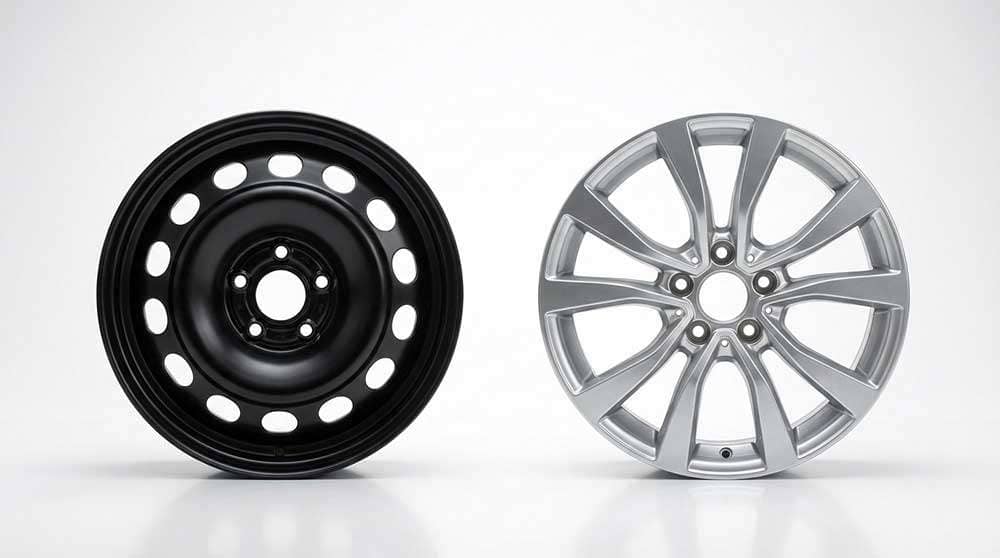
Steel wheels, commonly called "steelies," are pressed and welded from two steel pieces. They provide exceptional durability and impact resistance at lower cost, making them perfect for winter driving and tough use. However, steel wheels weigh 2.5 to 3 times more than comparable aluminum wheels.
Aluminum alloy wheels combine aluminum with metals like nickel, magnesium, or copper. They dissipate heat more efficiently than steel, improving brake performance while their lighter weight enhances handling, acceleration, and fuel efficiency. Alloy wheels also offer more intricate designs and finish options, though at a higher price point.
When choosing between construction types, consider your driving needs, budget, and performance goals. Each type serves specific applications best.
When selecting custom wheels, proper fitment specifications make the difference between a successful upgrade and costly problems. These measurements determine whether wheels will mount correctly on your vehicle and perform safely.
Rim width measures the distance between bead seats where your tire creates an airtight seal. The actual wheel width typically runs one inch wider than advertised—an 8-inch wheel actually measures 9 inches from face to face. Diameter indicates wheel size in inches, commonly ranging from 16 to 22 inches, though specialized applications use sizes from 12 to 24 inches. This measurement directly affects brake caliper clearance and determines appropriate tire sidewall height.
Offset measures the distance between the wheel's mounting surface and centerline in millimeters. It can be positive (mounting surface toward the outer edge), zero (mounting surface at centerline), or negative (mounting surface toward the inner edge). Backspacing measures the distance from mounting surface to inner wheel lip in inches.
These specifications determine wheel positioning within your fender wells and affect clearance for suspension components. Incorrect offset can cause wheels to rub against fenders or suspension parts, creating safety hazards and tire wear issues.
Bolt pattern describes the number of lug holes and the diameter of their circle. Written as "5x114.3," the first number shows five lug holes while the second represents the circle diameter in millimeters. Center bore refers to the machined opening that fits over your vehicle's hub.
Proper center bore alignment ensures precise wheel centering, reducing vibration and stress. Many aftermarket wheels use centering rings to adapt larger center bores to specific vehicle hubs.
The bead seat creates an airtight seal between tire and rim. Standard wheels feature a 5° bead seat taper with safety humps that help retain tire beads if pressure loss occurs. Flanges—the raised outer edges—provide lateral support for tire sidewalls. The drop center design between flanges makes tire mounting and removal easier.
These components must match tire specifications precisely to ensure safety and performance. Understanding these measurements helps you select wheels that fit properly and function as intended.
When choosing between custom rims and standard wheels, understanding the key differences helps you make the right decision for your vehicle. Standard OEM (Original Equipment Manufacturer) wheels come pre-installed from the factory, designed specifically for the vehicle's make and model. Custom rims are manufactured by third-party companies, offering greater personalization possibilities.
Fitment presents the most significant difference between these options. OEM wheels provide exact specifications for your vehicle, including proper size, offset, bolt pattern, and load rating. These wheels undergo rigorous testing to meet manufacturer safety standards. Aftermarket wheels may require additional research to ensure proper fit, sometimes necessitating spacers, hub rings, or other modifications.
Price considerations often drive purchasing decisions. OEM wheels typically command premium prices due to their direct manufacturer connection. Aftermarket options offer greater pricing flexibility—from budget options under $100 per wheel to premium forged wheels exceeding $1000 each.
Material quality creates another important distinction. Quality custom wheels made from forged aluminum or flow-formed alloys weigh significantly less than stock options. This weight reduction up to 30% compared to standard steel wheels creates immediate benefits in handling responsiveness.
Warranty implications require consideration before modification. Installing aftermarket wheels may void vehicle warranties, particularly if they fail to meet the vehicle's load limits or cause suspension issues.
Understanding custom rims helps you make informed decisions about upgrading your vehicle's wheels for both performance and esthetic benefits.
• Custom rims reduce unsprung weight by up to 30%, improving acceleration, handling, and fuel efficiency compared to standard steel wheels.
• Proper specifications matter: offset, bolt pattern, and center bore must match your vehicle to avoid rubbing, vibration, and safety issues.
• Material choice impacts performance: forged aluminum offers the best strength-to-weight ratio, while steel provides durability at higher weight.
• Larger wheels with low-profile tires enhance cornering grip and brake cooling but create a stiffer ride and potential fuel economy decrease of 4-10%.
• Multi-piece wheels allow maximum customization through modular components, while one-piece forged wheels deliver superior strength for performance applications.
When selecting custom rims, prioritize proper fitment specifications over esthetics alone. The right combination of size, material, and construction can transform your vehicle's performance while maintaining safety and reliability.
Custom rims are aftermarket wheels that replace or modify a vehicle's original wheels. They offer greater personalization options in terms of design, size, and materials compared to standard factory-installed wheels. Custom rims can enhance both the esthetic appeal and performance of a vehicle.
Custom rims can significantly impact vehicle performance. Lightweight custom rims reduce unsprung weight, improving acceleration, handling, and fuel efficiency. They can also enhance brake cooling, cornering grip, and overall stability. However, improperly selected rims may negatively affect performance and fuel economy.
The main types of custom rims include one-piece and multi-piece constructions, beadlock rims for off-road use, and staggered setups with wider rear wheels. Materials commonly used are aluminum alloys, steel, and in some cases, carbon fiber. Each type offers different benefits in terms of strength, weight, and customization options.
Key specifications to consider include rim width and diameter, offset and backspacing, bolt pattern, and center bore. These measurements ensure proper fitment and function. It's crucial to match these specifications with your vehicle's requirements to avoid issues like rubbing, vibration, and safety concerns.
The cost of custom rims varies widely based on factors such as material, construction method, and brand. Prices can range from under $100 per wheel for budget options to over $1000 per wheel for premium forged designs. Additionally, you may need to factor in the cost of new tires and potential modifications to ensure proper fitment.



