
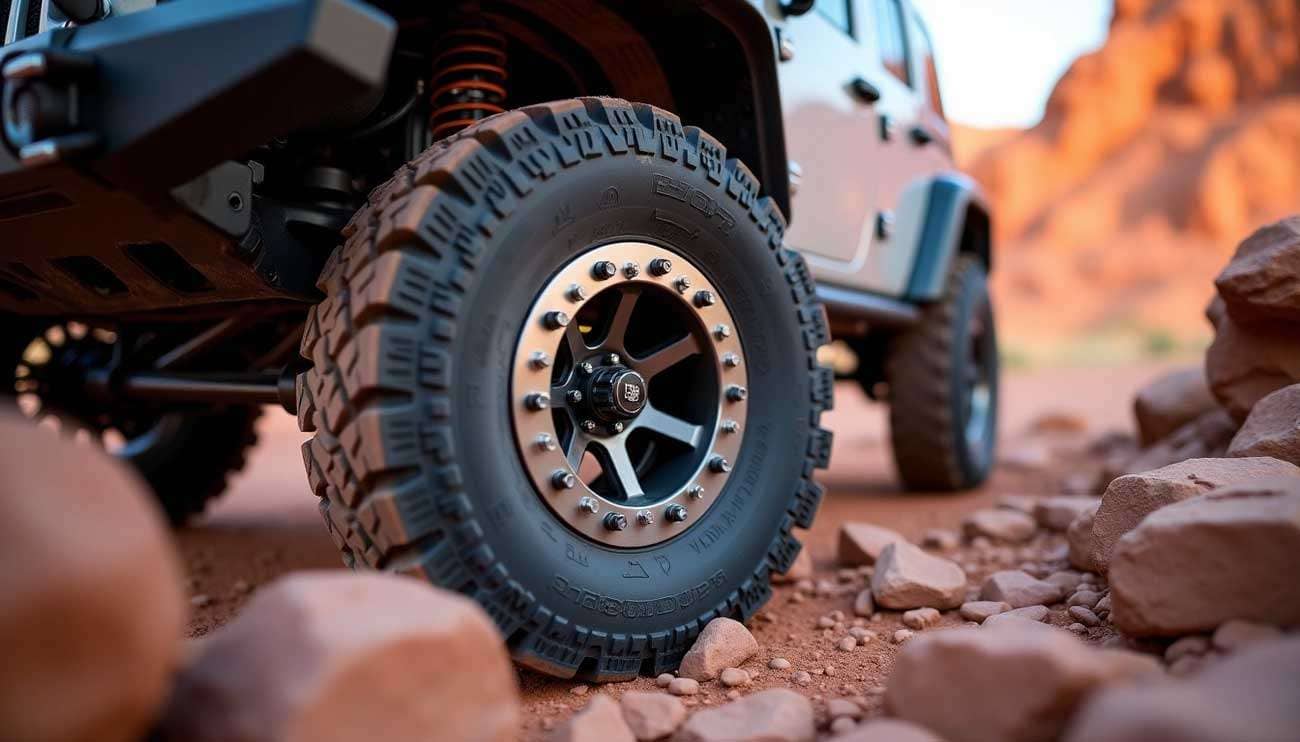
When you're pushing through challenging terrain at 5 PSI, the difference between standard wheels and beadlocks becomes immediately apparent. Factory wheels limit you to around 12-16 PSI before risking dangerous tire bead separation from the rim. Beadlock wheels change this equation entirely, allowing you to safely drop tire pressure as low as 5-7 PSI without any risk of de-beading.
Beadlock wheels work through a mechanical clamping system that physically secures the tire bead to the wheel using a bolt-on ring. Standard wheels depend entirely on air pressure to keep the tire bead seated against the rim. Beadlocks add a ring of bolts that mechanically lock the tire in place, preventing slippage or complete dismounting during extreme off-road conditions at ultra-low pressures.
We've worked with numerous off-road enthusiasts who made the switch to beadlocks after dealing with the frustration of de-beaded tires on difficult trails. Originally developed for military applications, beadlock wheels were designed to prevent tire dismounting under heavy loads, maintain tire integrity in combat situations, and allow quick tire replacements. Today's serious off-roaders rely on beadlocks to maintain tire pressure integrity when aired down for maximum traction on challenging terrain.
Understanding beadlock wheels means knowing how they work, their real-world advantages, and their limitations. Whether you're considering your first set of beadlocks or want to understand these specialized wheels better, we'll guide you through everything you need to make an informed decision for your off-road setup.
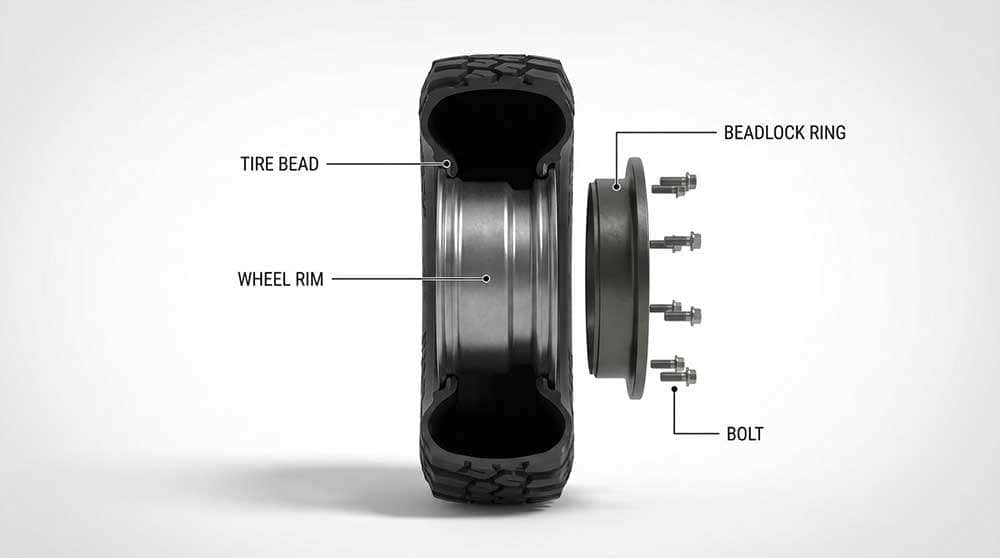
Beadlock wheels accomplish one critical task: mechanically securing the tire bead to the wheel rim through physical clamping rather than air pressure alone. Conventional wheels rely entirely on tire pressure to keep the bead seated against the rim. This mechanical connection changes tire behavior under extreme conditions, especially when running ultra-low pressures where standard wheels fail.
Beadlock wheels use a mechanical clamping system that sandwiches the tire bead between two rigid components. Standard wheels depend on tire pressure pushing the bead against the wheel's inner rim to maintain the seal. When pressure drops below critical levels, conventional wheels lose the clamping force needed to keep the tire properly seated.
The beadlock solution involves direct mechanical force. The tire bead sits between an outer clamping ring and the wheel itself, creating a secure connection that works regardless of internal tire pressure. This mechanical grip enables operation at pressures as low as 5-7 PSI without bead separation. The clamping action also prevents tire rotation on the rim during high-torque situations, benefiting both off-road driving and drag racing applications.
Most beadlock configurations focus on securing the outer bead, which is most prone to unseating during off-road use. The complete system includes these essential components:
Outer beadlock ring positioned on top of the tire bead
Machined inner surface that properly centers the tire on the wheel
Threaded holes with bolts that clamp the rings together
Grade 8 bolts, typically 5/16-inch diameter, providing the clamping force
The system works like a precision vise, with the tire bead held firmly between the clamping surfaces. Between 16 and 32 bolts are torqued to approximately 18 ft-lbs using a specific tightening pattern for even pressure distribution. Proper installation demands attention to torque specifications—over-tightening damages components while under-tightening allows slippage.
Beadlocks prevent tire slippage using two key mechanisms. The primary function maintains tire bead position against the wheel rim when internal pressure cannot create an adequate seal. This becomes crucial at extremely low pressures where conventional tires would unseat completely.
The mechanical clamping also resists rotational forces. During heavy acceleration or difficult terrain situations, ground traction can exceed the friction between tire and rim. Standard wheels allow tire slippage around the rim under these conditions. Beadlocks eliminate this problem by physically securing the bead position.
Beadlocks also address the fundamental safety issue of de-beading. Conventional wheels feature small safety beads approximately one inch inside the outer rim to prevent inward tire slippage. These safety features become ineffective below certain pressure thresholds. Beadlocks provide superior mechanical security that maintains tire position regardless of pressure or external forces.
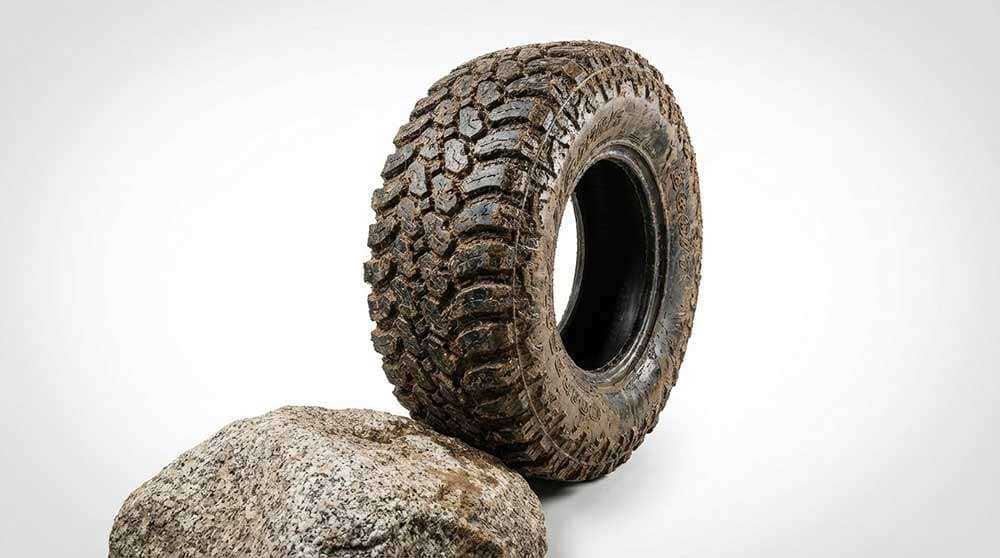
The true value of beadlock wheels becomes clear when you tackle challenging off-road terrain. These specialized wheels deliver performance advantages that go far beyond simple tire retention, creating dramatic improvements in traction and capability across demanding conditions.
Beadlock wheels excel at ultra-low tire pressures where standard wheels simply can't operate safely. You can confidently run 5-7 PSI with beadlocks compared to the 12-20 PSI minimum required for conventional wheels. This pressure difference creates immediate traction improvements in multiple ways.
Lower pressure increases the tire's contact patch with the ground. A larger contact area means more rubber gripping the terrain at any moment. The tire conforms better to uneven surfaces like rocks and roots at reduced pressures. This conforming action creates superior grip that helps your vehicle maintain momentum over obstacles that would stop trucks running higher pressures.
The specific pressure you choose depends on conditions: around 10 PSI for sand and snow where you need flotation, down to 5-7 PSI for rock crawling where maximum surface contact matters most. Without beadlocks limiting your minimum safe pressure, you lose this crucial tuning capability for different terrain types.
Rock crawling demonstrates the most dramatic benefits of beadlock wheels. The ability to run 5-7 PSI transforms tire behavior on technical terrain. Tires at these pressures mold around rocks and obstacles rather than trying to roll over them. This conforming action provides multiple advantages during difficult climbs.
The enhanced grip at ultra-low pressures gives you better control during precise wheel placement. You maintain traction on angled surfaces where higher-pressure tires would slip. The tire sidewalls flex to grip irregular rock surfaces, creating contact points that wouldn't exist at normal pressures. This additional grip can mean the difference between completing an obstacle and getting stuck.
Beadlocks also prevent dangerous de-beading situations during extreme articulation. When your suspension flexes to extreme angles, the tire can twist significantly on the rim. Standard wheels risk bead separation in these situations, especially at lower pressures. Beadlocks maintain the tire-wheel connection regardless of suspension position or twist forces.
Sand and snow driving benefits significantly from the flotation characteristics that beadlocks enable. Running 8-12 PSI in deep sand creates a larger tire footprint that spreads your vehicle's weight across more surface area. This prevents the sinking that occurs with higher-pressure tires.
The flotation effect becomes even more pronounced in powder snow conditions. Lower pressures allow tires to stay on top of the snow surface rather than cutting through and getting bogged down. The tire sidewalls bulge outward at reduced pressures, effectively widening your track and improving stability in loose conditions.
Snow and sand also create lateral forces that can cause tire slippage on the rim with standard wheels. The mechanical clamping of beadlocks prevents this slippage, maintaining proper tire positioning even during aggressive cornering or acceleration in loose terrain.
Tire de-beading creates dangerous situations on remote trails. When a tire bead separates from the rim, you face immediate loss of control and potential vehicle damage. Standard wheels become increasingly prone to de-beading as pressure decreases below 15 PSI. Sharp impacts against rocks or logs can also cause sudden de-beading with conventional wheels.
Beadlocks eliminate de-beading risk entirely through mechanical clamping. The physical connection between tire and wheel cannot separate regardless of pressure levels or impact forces. This security allows aggressive driving over obstacles without constant worry about tire integrity.
The prevention of de-beading also means fewer trail interruptions. Re-seating a tire bead on a conventional wheel requires tools, portable air compressors, and significant time. Some trail situations make proper re-seating nearly impossible without specialized equipment. Beadlocks remove this concern entirely, letting you focus on driving rather than equipment failure.
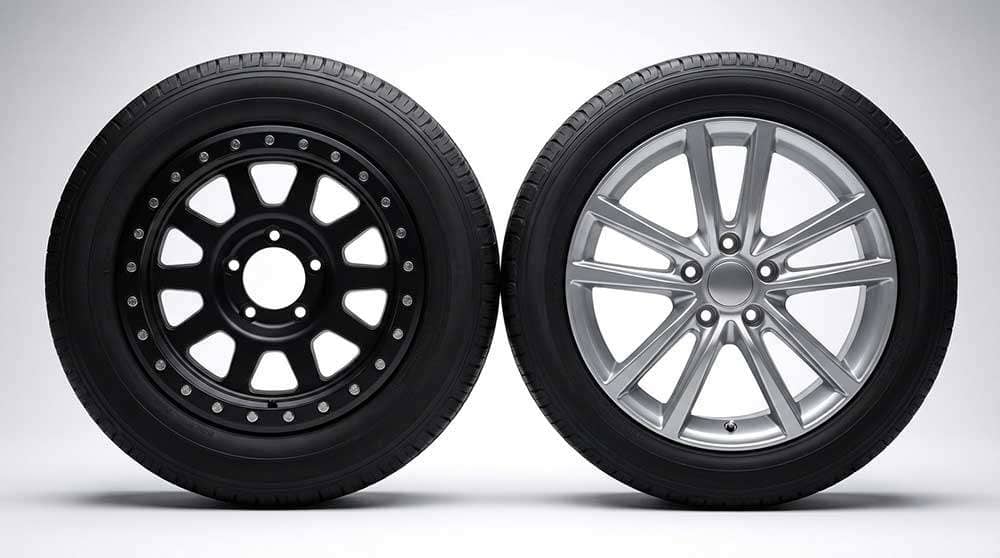
Understanding the differences between beadlock and standard wheels helps you make informed decisions about your off-road setup. The performance gap becomes obvious in specific situations while remaining minimal in others.
Beadlock wheels typically weigh 5-10 pounds more per wheel than comparable standard wheels. The additional weight comes from the beadlock ring, extra bolts, and reinforced construction needed to handle clamping forces. A quality 17-inch beadlock might weigh 35-40 pounds compared to 28-32 pounds for a similar standard wheel.
This weight penalty affects performance differently depending on your priorities. For rock crawling at slow speeds, the extra weight creates minimal disadvantages. However, the additional unsprung weight reduces acceleration and handling response during higher-speed driving. The rotating mass also increases fuel consumption slightly and creates more stress on suspension components.
Some manufacturers produce lightweight beadlock designs using aluminum rings and optimized construction. These premium options reduce the weight penalty to 3-5 pounds per wheel while maintaining structural integrity. The cost increase for lightweight beadlocks runs 20-30% higher than standard designs.
Beadlock wheels command significant price premiums over standard off-road wheels. Quality beadlocks typically cost $300-600 per wheel compared to $150-300 for comparable standard wheels. The additional manufacturing complexity, precision machining requirements, and included hardware justify higher prices.
Budget beadlock options exist in the $200-300 range, but quality concerns make careful brand selection important. Cheap beadlocks may use inferior bolt materials, inadequate ring thickness, or poor machining tolerances that create safety hazards. The cost savings rarely justify the performance and safety compromises.
Premium beadlock wheels from established manufacturers provide better long-term value through superior construction and warranty support. Brands like Method Race Wheels, KMC, and Raceline offer proven designs with extensive testing and quality control. These wheels typically include replacement rings and hardware for future maintenance.
The minimum safe tire pressure represents the most significant performance difference between wheel types. Standard wheels require 12-20 PSI minimum to maintain bead seating, depending on tire construction and rim design. Dropping below these thresholds risks sudden de-beading that creates dangerous control loss.
Beadlocks allow safe operation down to 5-7 PSI without any de-beading risk. Some extreme rock crawlers run as low as 3-4 PSI for maximum articulation and grip, though most manufacturers recommend staying above 5 PSI for tire sidewall protection. This pressure advantage transforms capability on technical terrain.
The practical impact varies by driving style. Weekend overlanders who rarely drop below 15 PSI see minimal benefit from beadlocks. Serious rock crawlers who regularly air down to single-digit pressures gain substantial performance improvements that justify the expense and maintenance requirements.
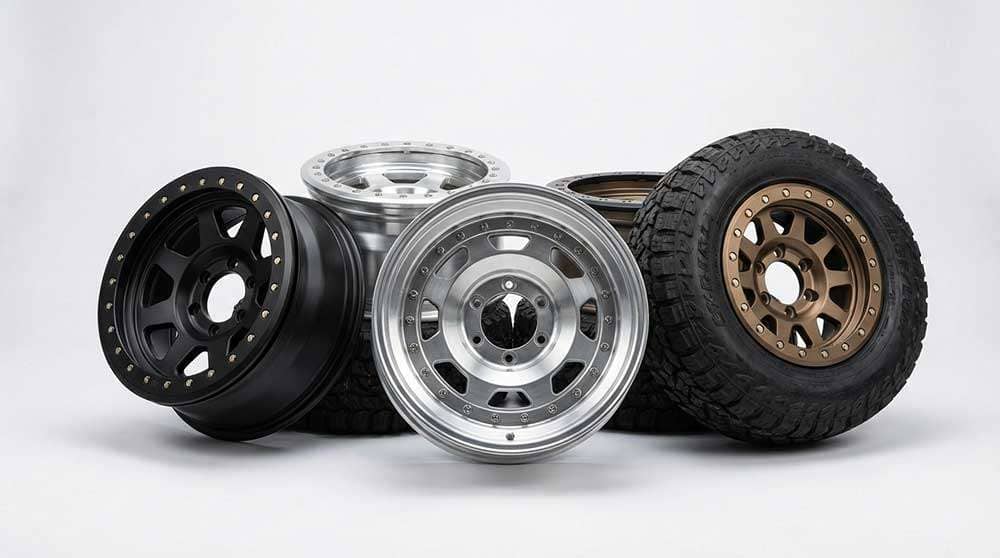
Several beadlock designs exist, each offering different advantages and limitations. Understanding these variations helps you select the right option for your specific needs and budget.
External beadlock rings represent the most common design, using a visible outer ring bolted to the wheel face. This configuration clamps the outer tire bead between the ring and wheel rim. The design offers straightforward installation and maintenance since all components remain accessible.
External beadlocks provide the most secure clamping force and work effectively at extremely low pressures. The bolt-on ring can be removed for maintenance or replaced if damaged. Most external beadlocks feature 16-32 bolts around the ring perimeter, with each bolt contributing to the overall clamping force.
The main drawback of external beadlocks involves their typically non-DOT compliant status. The exposed bolt heads can collect mud and debris, requiring regular cleaning. Some designs also create aesthetic concerns if you prefer a cleaner wheel appearance without visible hardware.
Internal beadlock systems clamp the tire bead using mechanisms hidden inside the wheel assembly. Hutchinson manufactures the most recognized internal beadlock design, offering DOT compliance for street legal use. The internal system works similarly to external beadlocks but keeps all hardware protected within the wheel structure.
Internal beadlocks provide clean exterior appearance without visible bolts or rings. The DOT compliance allows legal highway driving without concerns about law enforcement or insurance complications. The enclosed design protects clamping components from trail damage and contamination.
However, internal beadlocks cost significantly more than external designs—often $500-800 per wheel. The added weight runs 8-12 pounds per wheel higher than standard wheels. Installation and maintenance require specialized procedures since you can't access components from outside. Tire mounting also becomes more complex, with many tire shops refusing to service internal beadlock wheels.
Simulated beadlocks mimic the appearance of true beadlocks without providing actual mechanical clamping. These wheels feature decorative rings and bolt patterns that create a beadlock aesthetic while functioning like standard wheels. The "bolts" are typically non-functional caps or cosmetic elements.
Simulated beadlocks offer several advantages for certain users. They provide the aggressive beadlock appearance for show vehicles or mild off-road use. The wheels maintain DOT compliance since they lack actual clamping mechanisms. Prices run lower than true beadlocks while still offering distinctive styling.
The critical limitation: simulated beadlocks provide zero performance benefits. They cannot prevent tire de-beading or enable ultra-low pressure operation. Anyone planning serious off-road use requiring low tire pressures will find simulated beadlocks inadequate. These wheels work best for appearance-focused builds or vehicles that rarely venture beyond maintained trails.
Beadlock-capable wheels represent a middle ground between standard wheels and dedicated beadlocks. These designs allow conversion to true beadlocks through aftermarket ring kits. The wheels come from the factory as standard wheels but feature the mounting holes and reinforced construction needed for beadlock conversion.
This option provides flexibility for users uncertain about beadlock needs. You can purchase and use the wheels as standard wheels initially, then add beadlock rings later if your off-road demands increase. The conversion typically costs $100-200 per wheel for quality ring kits and hardware.
Beadlock-capable wheels work well for users transitioning into more aggressive off-roading. However, the compromise design sometimes results in heavier standard wheels without the full benefits of purpose-built beadlocks. Quality varies significantly between manufacturers, making careful research important before purchase.
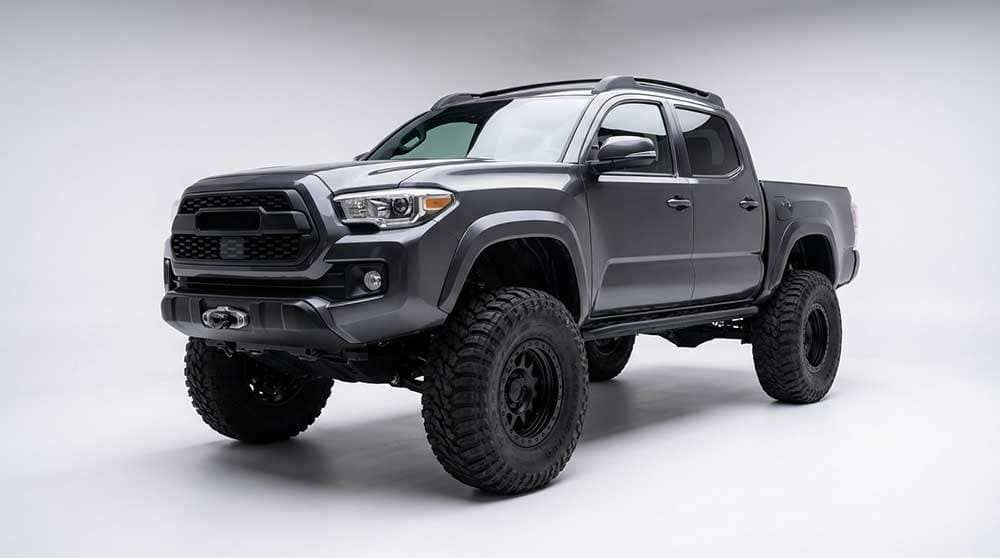
Selecting appropriate beadlock wheels requires evaluating your vehicle specifications, driving needs, and quality priorities. The wrong choice can result in performance issues or safety concerns.
Proper wheel sizing starts with understanding your vehicle's bolt pattern, hub bore size, and backspacing requirements. Beadlock wheels must match your vehicle's specifications exactly to ensure safe mounting and proper clearance. Common bolt patterns include 5x5.5, 6x5.5, and 5x4.5, though many other configurations exist.
Backspacing determines how far the wheel sits inward or outward from the hub mounting surface. Incorrect backspacing can cause tire rubbing on suspension components or fenders. Most off-road applications benefit from wheels with less backspacing to widen the track and improve stability. However, excessive negative offset can create steering and handling problems.
Wheel diameter and width affect tire selection and vehicle performance. Larger diameter wheels (17-20 inches) work better with low-profile tires for mixed street and trail use. Smaller diameter wheels (15-17 inches) accommodate taller sidewalls that provide better off-road performance and protection. Width should match your tire's recommended wheel width range for proper bead seating and sidewall support.
Every wheel carries a load rating indicating the maximum weight it can safely support. This specification becomes especially important for heavier vehicles like full-size trucks and SUVs. Beadlock wheels must meet or exceed your vehicle's per-wheel weight requirements, accounting for cargo, passengers, and equipment.
Calculate your vehicle's per-wheel load by dividing the Gross Vehicle Weight Rating (GVWR) by four. Add a safety margin of 20-30% for off-road use where impacts create additional stress. For example, a vehicle with an 8,000-pound GVWR needs wheels rated for at least 2,500 pounds each (2,000 pounds per wheel plus 25% safety margin).
Quality beadlock manufacturers clearly specify load ratings for their wheels. Avoid any manufacturer that doesn't provide this critical information. Budget beadlocks sometimes skimp on structural reinforcement to reduce costs, creating safety hazards for heavier vehicles. The additional expense for properly rated wheels provides important peace of mind during demanding off-road situations.
Beadlock wheel construction quality directly impacts safety and longevity. Premium wheels use forged or flow-formed aluminum alloys that provide superior strength-to-weight ratios. These construction methods create dense, uniform material structures that resist cracking and deformation better than cast wheels.
Cast aluminum wheels cost less but generally offer lower strength and durability. However, quality cast wheels from reputable manufacturers can still provide adequate performance for most off-road situations. The key lies in selecting established brands with proven track records rather than unknown budget options.
Critical construction details include beadlock ring thickness, bolt hole reinforcement, and overall wheel structure. Quality rings measure at least 1/4-inch thick, with some premium designs reaching 3/8-inch for maximum strength. The bolt holes should feature reinforced threading or hardened inserts to prevent stripping during regular maintenance. Examine how the wheel barrel connects to the face—proper reinforcement prevents stress cracks at this critical junction.
Established beadlock manufacturers like Method Race Wheels, KMC, Raceline, and Walker Evans invest heavily in testing and quality control. These brands typically offer limited lifetime structural warranties that protect against manufacturing defects. The warranty coverage demonstrates the manufacturer's confidence in their product quality.
Research customer experiences and professional reviews before purchasing beadlocks. Look for consistent reports of quality manufacturing, good customer service, and reliable performance. Forums and off-road communities provide valuable real-world feedback about different brands and specific wheel models.
Avoid no-name imports or suspiciously cheap beadlocks from unknown manufacturers. These wheels may use inferior materials, poor machining tolerances, or inadequate testing. The cost savings disappear quickly if wheels fail during off-road use or create safety hazards. Quality beadlocks represent a long-term investment in your vehicle's capability and your safety.
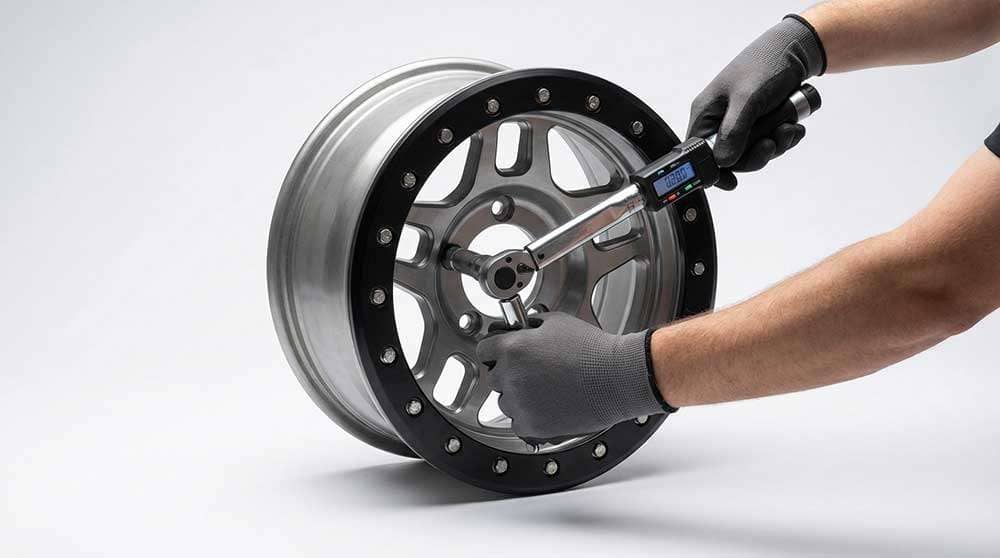
Proper beadlock installation requires specific procedures and tools to ensure safe, reliable performance. Incorrect installation can lead to dangerous failures during off-road use.
Beadlock installation demands several specialized tools beyond standard tire mounting equipment. A calibrated torque wrench is absolutely essential—ideally a beam-style or click-type wrench rather than digital models that can lose calibration. Most installations require 18 ft-lbs torque for 5/16-inch bolts, making a wrench with 10-40 ft-lbs range appropriate.
You'll need the proper socket size for your wheel's bolts—typically 1/2-inch or 9/16-inch. A ratchet with short extension helps reach bolts in tight spaces. Anti-seize compound prevents bolt seizure during future maintenance. A tire bead lubricant aids proper seating. Some installers prefer an air compressor with bead seater attachment, though careful installation often works with standard inflation.
Have cleaning supplies ready including brake cleaner, shop towels, and a wire brush. The mounting surfaces must be completely clean for proper bead seating. Any dirt, old sealant, or debris can prevent the tire from seating correctly or cause premature bolt loosening.
Begin by thoroughly cleaning the wheel mounting surface and beadlock ring. Remove any debris, old lubricant, or corrosion using brake cleaner and a wire brush. Both surfaces must be completely clean and dry before proceeding.
Mount the tire on the wheel without the beadlock ring installed. Position the tire so the outer bead sits properly in the wheel's bead seat. The inner bead should seat normally as with any tire installation. Inflate slightly to help position the tire correctly—around 5-10 PSI works well.
Apply anti-seize compound to bolt threads before installation. Position the beadlock ring over the tire bead and wheel. Start all bolts by hand, threading them just finger-tight. This initial placement ensures everything aligns properly before applying torque.
Follow the manufacturer's specific torque sequence pattern—typically a star or cross pattern similar to lug nut tightening. This even distribution prevents ring warping and ensures consistent clamping force. Torque all bolts to the specified value in three stages: first to 30% of final torque, then 60%, finally to full specification. This progressive tightening prevents ring distortion.
After initial torquing, inflate the tire to operating pressure and let it sit for 30 minutes. Then re-torque all bolts to specification, as they may have settled slightly. This re-torque step is critical for long-term reliability.
Torque specifications vary by bolt size and manufacturer recommendations. Most common specifications include:
5/16-inch bolts: 18 ft-lbs
1/4-inch bolts: 10 ft-lbs
3/8-inch bolts: 25-30 ft-lbs
Always follow your wheel manufacturer's specific recommendations rather than generic guidelines. Over-torquing can strip threads or crack the beadlock ring. Under-torquing allows bolt loosening and potential tire slippage. Proper torque creates the necessary clamping force without damaging components.
Use a quality torque wrench and verify its calibration periodically. Cheap or uncalibrated torque wrenches can be significantly inaccurate, leading to improper bolt tension. The torque wrench should click or indicate clearly when reaching the specified value. Never exceed the specification trying to ensure "extra" security—proper torque provides optimal clamping without overstressing components.
Beadlock wheels require a break-in period with scheduled re-torquing. New installations should be re-torqued after the first 25 miles of driving. Components settle during initial use, often causing slight bolt loosening even with perfect installation.
Subsequent re-torquing depends on usage intensity. For daily drivers using beadlocks for convenience rather than extreme low-pressure operation, monthly checks usually suffice. Serious off-road vehicles that regularly air down to very low pressures should be checked before each major trail run.
Develop a regular inspection routine. Visually check for loose bolts before significant drives. Perform full torque verification monthly or after particularly demanding off-road sessions. The few minutes spent checking bolts prevents catastrophic failures that could strand you on remote trails or cause dangerous control loss.
Keep detailed records of torque checks and any bolt replacements. Replace any stripped or damaged bolts immediately with exact replacements meeting the manufacturer's specifications. Grade 8 bolts are typically required—never substitute lower-grade hardware that could fail under stress.
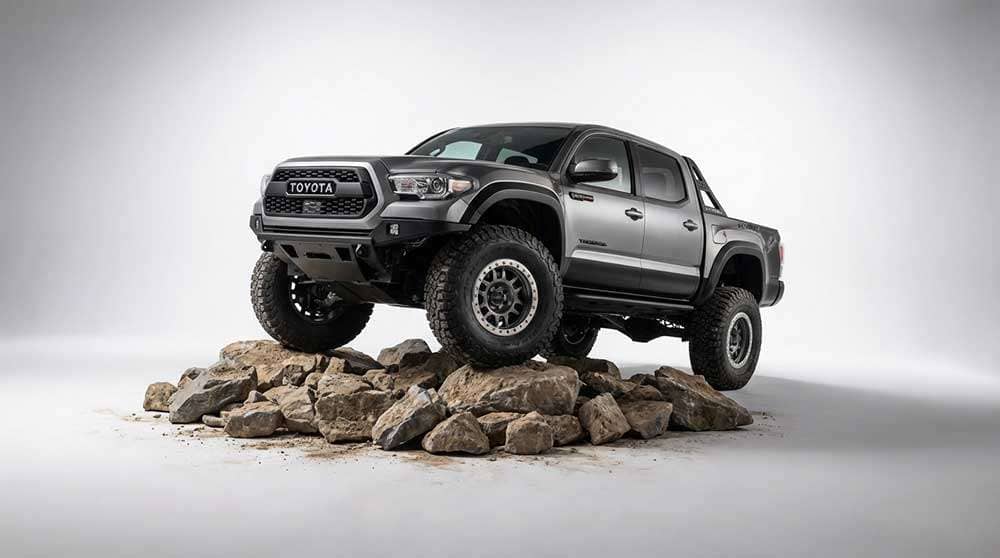
Several persistent myths about beadlock wheels create confusion for potential buyers. Understanding the reality behind these misconceptions helps you make better decisions about whether beadlocks suit your needs.
Many off-road enthusiasts believe beadlocks are essential for any serious trail driving. This misconception oversimplifies the reality of off-road tire performance. Standard wheels work perfectly well for most recreational off-roading, overlanding, and moderate trail driving.
The truth: beadlocks become necessary only when you regularly need to run extremely low tire pressures below 10-12 PSI. Casual weekend warriors who maintain 15-20 PSI on trails gain minimal practical benefit from beadlocks. The added expense, weight, and maintenance requirements outweigh any advantages for these users.
Consider your actual driving style before investing in beadlocks. If you stick to established trails without extreme technical sections, standard wheels serve you well. Rock crawlers, competitive off-road racers, and extreme terrain enthusiasts benefit most from beadlock capabilities. Match your equipment to your actual needs rather than perceived requirements.
The blanket statement that "beadlocks are illegal" oversimplifies a complex legal situation. While most external beadlock wheels lack DOT approval for street use, this doesn't automatically make them illegal everywhere or in all situations.
The reality involves nuanced regulations that vary by jurisdiction. Some states have specific laws prohibiting non-DOT wheels on public roads. Other areas lack clear regulations about beadlock use. Law enforcement typically focuses on more obvious safety violations rather than wheel type, though this varies by location.
Internal beadlock systems like those from Hutchinson carry DOT approval and remain fully street legal. Some manufacturers claim their external beadlocks meet DOT standards, though these assertions deserve scrutiny. The safer approach involves treating most external beadlocks as off-road-only equipment unless you've verified DOT compliance and local regulations.
Insurance complications present a more practical concern than legal status. Accidents involving non-DOT wheels could create coverage issues regardless of legal technicalities. This risk factor matters more for daily drivers than occasional street use between trailheads.
The maintenance reputation of beadlock wheels gets exaggerated in some discussions. While beadlocks do require more attention than standard wheels, the actual time commitment remains manageable for most users.
Monthly torque checks take 10-15 minutes per wheel using a torque wrench. This routine maintenance is straightforward and doesn't require special skills. Many off-roaders incorporate bolt checks into their normal vehicle inspection routine before trail runs. The maintenance becomes second nature after a few months of ownership.
The maintenance burden increases primarily if you daily drive beadlock-equipped vehicles. Frequent street miles create more opportunities for bolt loosening through vibration and thermal cycling. Off-road-only vehicles used a few times monthly need less frequent attention.
Compare beadlock maintenance to other vehicle upkeep: changing differential fluid, checking suspension bolts, maintaining air systems. The time investment remains similar to other routine procedures. The key lies in establishing consistent habits rather than viewing maintenance as an excessive burden.
Simulated beadlocks create confusion by mimicking the appearance of true beadlocks without providing any functional benefits. Some buyers mistakenly believe these wheels offer at least partial beadlock advantages. This misconception leads to disappointment when simulated beadlocks perform identically to standard wheels.
Simulated beadlocks are purely cosmetic. The decorative rings and bolt patterns serve no mechanical purpose. The wheels cannot prevent tire de-beading or enable low-pressure operation. Anyone expecting performance improvements from simulated beadlocks will be severely disappointed during actual off-road use.
These wheels do serve legitimate purposes for show vehicles or street-focused builds where beadlock aesthetics enhance appearance. However, marketing these wheels as "beadlocks" creates false expectations. Always verify whether wheels feature actual mechanical clamping before purchase if you need genuine beadlock capabilities.
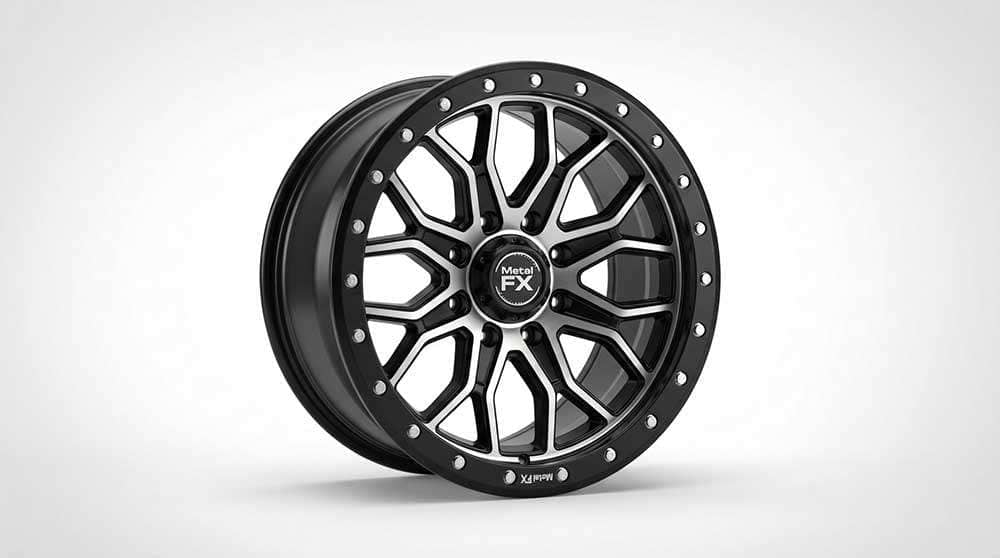
Beadlock wheels deliver excellent off-road performance, but they come with significant drawbacks and legal restrictions that you need to understand before making a purchase decision.
Most beadlock wheels lack Department of Transportation (DOT) approval, making them illegal for highway use. This restriction exists because the design creates potential safety hazards at highway speeds. The bolts securing the beadlock ring could loosen or fail during regular road use. The DOT also requires wheels to retain deflated tires when traveling at 60 mph in a straight line—a standard most beadlocks cannot meet. Even when manufacturers claim "DOT compliance," true external clamping ring beadlocks generally don't meet federal regulations.
Some enthusiasts do drive beadlock wheels on the street despite legal restrictions. However, this practice creates several serious issues. Insurance complications can arise if an accident occurs while using non-DOT compliant wheels. Many tire shops refuse to service beadlock wheels, making routine maintenance difficult. Hutchinson produces DOT-compliant internal beadlocks, but these tend to be expensive and heavy.
Beadlock wheels require significantly more maintenance than standard wheels. You must regularly check and retorque the bolts—typically monthly for daily drivers. Manufacturers specify different torque values: 18 ft-lbs for 5/16-inch bolts or 10 ft-lbs for 1/4-inch bolts. Many users apply anti-seize compound to prevent bolt seizure. Poor maintenance can lead to catastrophic failures, while proper care includes periodic bolt replacement due to fatigue. All beadlocks demand considerably more attention than standard wheels, regardless of manufacturer.
These maintenance requirements and legal limitations are important factors to consider when deciding whether beadlock wheels are right for your vehicle and driving needs.
Beadlock wheels deliver exceptional performance advantages for serious off-roaders who regularly tackle extreme terrain. The mechanical clamping system allows you to safely run tire pressures as low as 5-7 PSI, creating superior traction and performance impossible with standard wheels. Rock crawlers, sand enthusiasts, and extreme terrain drivers benefit most from this specialized wheel technology.
Casual off-roaders may find standard off-road wheels adequate for their adventures. The decision comes down to your specific driving needs, terrain challenges, and maintenance commitment. Regular bolt checks and torque verification are essential responsibilities that come with beadlock ownership.
Legal and safety considerations play a significant role when selecting beadlocks for your vehicle. Most external beadlocks lack DOT compliance, creating potential complications for daily driving. Simulated beadlocks or beadlock-capable wheels offer better options for mixed street and trail use.
Quality matters when choosing any wheel setup. At Performance Plus Tire, we carry the best selection of off-road wheels at the lowest prices, including beadlock options suited to your specific off-road applications and vehicle requirements. Our extensive inventory includes wheels from top brands designed for maximum durability and performance.
Understanding beadlock capabilities and limitations helps you make informed decisions about your off-road build. These specialized wheels deliver remarkable performance when matched properly to your driving style and terrain preferences. The right wheel choice - whether beadlock or standard off-road - makes the difference between conquering challenging trails confidently and dealing with frustrating equipment failures.
Whether you choose beadlocks for extreme terrain or quality standard wheels for general off-roading, Performance Plus Tire offers expert guidance to help you find the perfect setup for your adventures.
Understanding beadlock wheels can transform your off-road experience by enabling ultra-low tire pressures that dramatically improve traction and performance on challenging terrain.
• Beadlock wheels mechanically clamp tire beads to prevent separation, allowing safe operation at 5-7 PSI versus 12-20 PSI with standard wheels • Rock crawlers and extreme terrain enthusiasts benefit most, while casual overlanders may not need the added complexity and maintenance • Most beadlocks are not DOT-approved for street use, creating legal and insurance complications for daily driving • Regular maintenance is critical - bolts must be checked and retorqued monthly to prevent catastrophic failure • Consider beadlock-capable wheels or simulated beadlocks as compromise options for mixed street and trail use
The decision to invest in beadlocks should align with your specific off-road activities and maintenance commitment level. For serious rock crawling or extreme terrain where maximum traction is essential, beadlocks provide unmatched capability. However, weekend warriors and casual off-roaders may find standard wheels adequate for their adventures while avoiding the legal restrictions and maintenance demands that come with true beadlock systems.
Beadlock wheels are not necessary for all off-roading situations. They become essential when you need to run extremely low tire pressures (5-7 PSI) for maximum traction in challenging terrain like rock crawling or deep sand. For casual off-roading or overlanding, standard off-road wheels are usually sufficient.
The primary advantage of beadlock wheels is the ability to safely run ultra-low tire pressures without risking tire bead separation. This allows for a larger tire contact patch, improved traction, and better performance in extreme off-road conditions like rock crawling, deep sand, or snow.
While some enthusiasts use beadlock wheels for daily driving, it's not recommended due to legal and practical concerns. Most beadlock wheels are not DOT-approved for street use, which can lead to insurance complications. They also require frequent maintenance, including regular bolt checks and retorquing.
Beadlock wheels are typically not approved by the Department of Transportation (DOT) for street use because their design presents potential safety hazards at highway speeds. The bolts securing the beadlock ring could loosen or fail during regular road use, and most beadlocks cannot meet the DOT requirement of retaining deflated tires at 60 mph.
Beadlock wheels require more maintenance than standard wheels. Owners must regularly check and retorque the bolts, typically on a monthly basis for daily drivers. Different manufacturers specify various torque values, and some users recommend applying anti-seize compound to prevent bolt seizure. Periodic bolt replacement may also be necessary due to fatigue.



