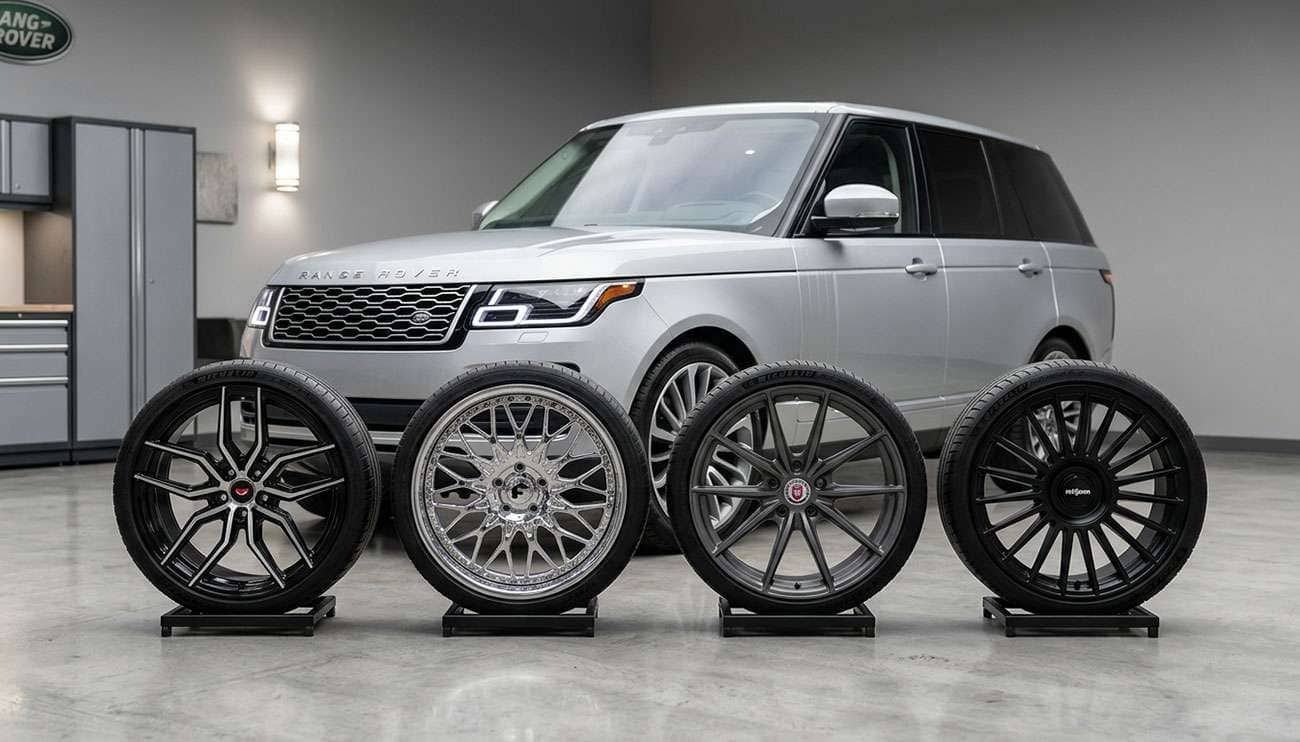
Range Rover aftermarket wheels offer incredible opportunities to enhance both performance and style, but proper fitment is everything. The essential specifications you need are straightforward: bolt pattern (typically 5×120), wheel diameter (19 to 22 inches), and precise offset measurements. Get these right, and you'll have wheels that perform beautifully and look exceptional.
Range Rover customization has become increasingly popular, not just for enhanced appearance, but because more owners want their vehicles to reflect their personal style. Whether you're looking for aftermarket wheels that boost performance or Range Rover wheels for sale that match your vision, understanding the key specifications makes all the difference. We'll guide you through every critical detail, from Discovery bolt pattern compatibility to budget considerations.
This guide provides the expertise you need to select Range Rover aftermarket wheels that deliver outstanding performance and turn heads wherever you drive.
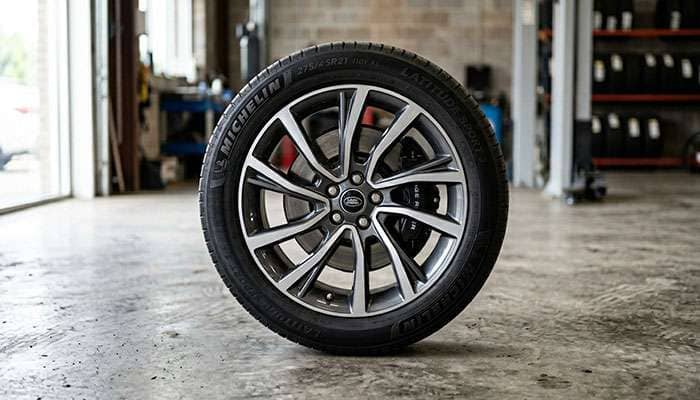
Range Rover stock wheel sizes range from 19×8 inches to 22×9.5 inches across current model generations. Models produced between 2013-2017 offer slightly wider configurations, spanning 19×8.5 to 22×10.5 inches. Diameter directly affects ride comfort and ground clearance, while width determines tire contact patch and overall handling characteristics.
Range Rover models maintain a consistent PCD 5×120 bolt pattern from 1994 through 2026. This configuration features five lug holes positioned on a precise 120mm diameter circle. Lug nut specifications measure M14 x 1.5 across these model years. Exact bolt pattern matching eliminates off-center wheel mounting that creates vibrations and accelerates tire wear.
Offset represents the distance in millimeters between the wheel's centerline and mounting surface. Positive offset moves the mounting surface toward the wheel face, positioning wheels inward for increased outer clearance while reducing inner suspension space. Negative offset shifts the mounting surface behind centerline, pushing wheels outward for greater inner clearance. Backspacing measures from the mounting surface to the wheel's inner edge in inches, providing less precision than offset measurements. Incorrect offset specifications place excessive stress on suspension components and wheel bearings, leading to premature failure.
The center bore diameter must match your vehicle's hub exactly to eliminate vibrations and ensure proper wheel centering. Mismatched center bores create stability issues that become particularly noticeable during braking and cornering maneuvers.
Range Rover aftermarket wheels must meet specific load capacity requirements based on vehicle weight. Discovery models require the highest load ratings at 940kg per wheel. Full-size Range Rover wheels carry 925kg load ratings, while Range Rover Sport wheels handle 900kg. Installing wheels with insufficient load ratings compromises safety margins and may void insurance coverage.
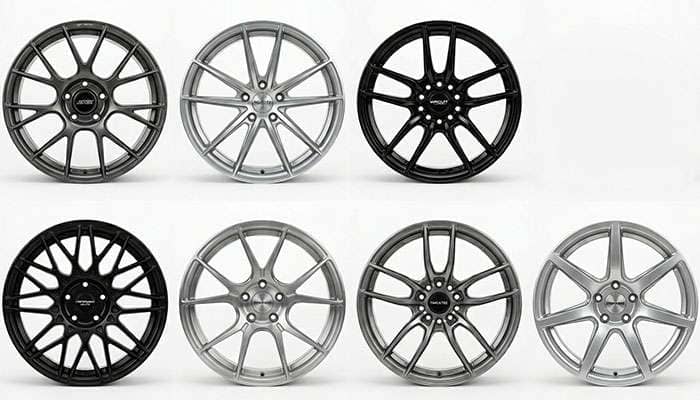
Material selection directly impacts both performance and durability for your Range Rover. Steel wheels weigh significantly more than aluminum options, being three times denser. This extra weight affects acceleration and braking performance, especially noticeable on rough terrain.
Steel wheels excel in repairability. You can repair bent steel wheels in the field, while alloy wheels crack under extreme stress and require complete replacement. Steel wheels rust when scratched, though corrosion usually stays surface-level. Aluminum wheels combine aluminum with nickel, offering lightweight strength without rust issues.
For serious off-road use, steel or forged wheels outperform cast alloy designs. Aluminum wheels provide better fuel economy and heat dissipation for daily driving.
Cast wheels use molten aluminum poured into molds, making them budget-friendly but heavier due to air pockets in the material. Forged wheels use intense pressure on solid aluminum billets, creating tighter grain structure. This manufacturing process produces wheels 25-30% lighter than comparable cast versions.
Forged construction reduces unsprung weight considerably. Premium options like the 23-inch Style 5128 with carbon fiber inserts reduce unsprung mass by approximately 8%, enhancing handling response. Forged wheels bend under extreme stress rather than cracking, while cast wheels tend to be more brittle.
Flow-forming technology combines both methods, stretching cast wheels under pressure to achieve forged-like strength at reduced cost. This process compresses aluminum along the barrel, delivering performance approaching forged quality.
Chrome finishes deliver mirror-like shine for luxury applications. Painted options provide the widest color selection, from gloss black to custom color matches. Matte and satin finishes resist showing dust but need specific cleaning products.
Enkei employs proprietary MAT technology that combines casting and forging processes, supported by lifetime structural warranties. Konig's flow-forming achieves tensile strength similar to forged construction. When shopping, look for land rover range rover aftermarket wheels from established manufacturers with proven track records.
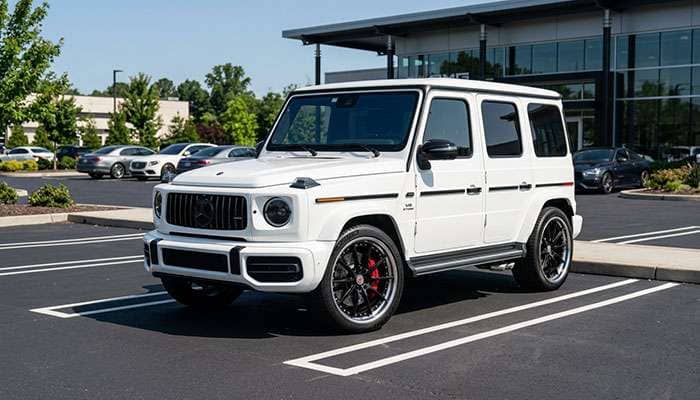
Your specific model year determines wheel compatibility, so verify this before ordering. Models from 1999 through 2022 share the same PCD 5×120 bolt pattern and M14 x 1.5 lug nut size, though rim dimensions vary between generations. This consistency makes finding compatible aftermarket wheels much easier than with other luxury SUVs.
Land Rover switched from 315 MHz to 433 MHz radio frequency for TPMS in North America. Your aftermarket sensors must match your vehicle's exact frequency to function properly. After installation, drive 25-30 miles for complete sensor calibration. Many sensors arrive in 'Ship' mode and need switching to 'Park' mode using handheld tools available at most tire shops.
Wheel clearance becomes critical with suspension components, especially on models equipped with Dynamic Response systems. When replacing any suspension parts, have your four-wheel alignment checked to ensure optimal performance with your new wheels.
Hub-centric rings eliminate the gap between your wheel's center bore and hub diameter, preventing vibrations that can develop after installation. These rings don't support vehicle weight but keep wheels perfectly centered before you tighten the lug nuts. This simple step makes a significant difference in ride quality.
Professional installers have specialized torque wrenches and alignment equipment that ensure perfect mounting. DIY installation saves money but requires mechanical knowledge and the right tools. We recommend professional installation for your Range Rover to maintain warranty coverage and ensure safety.
Lug nuts require exactly 140Nm (103 Lb-Ft) torque applied in a star pattern for even pressure distribution. Use a deep 22-23mm socket to prevent scratching your new wheels. Proper torque prevents both loose wheels and damaged threads.
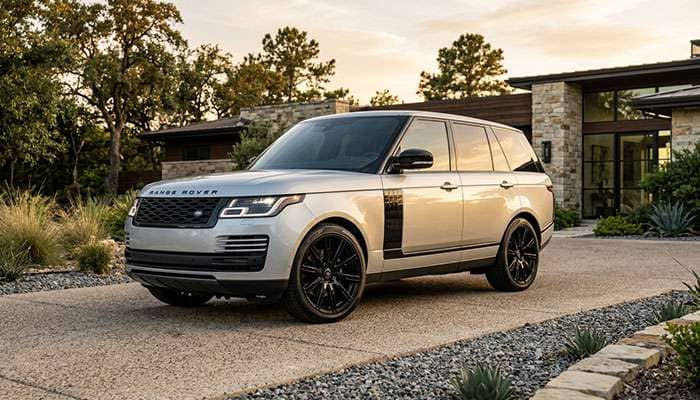
Smart budgeting starts with understanding the real cost differences between factory and aftermarket options. OEM wheel sets range from $1,200 to $3,200+, while Range Rover aftermarket wheels cost $700 to $2,500+. However, aftermarket purchases require additional components that add to your total investment. Lug hardware adds $30 to $120, hub-centric rings cost $10 to $40, and TPMS sensors or service can reach $320.
We carry the best selection of Range Rover aftermarket wheels at competitive prices. Discount Tire maintains over 1,000 stores nationwide with extensive Range Rover inventory. Performance Plus Tire offers expert fitment assistance and post-sale support to ensure you get exactly what you need. Many retailers provide free shipping on wheel purchases, though tire and accessory shipments may incur charges.
Installation costs vary significantly depending on where you go. Tire changes at Land Rover dealerships cost $1,200 to $2,800 depending on model. Spare tire installation averages $95. Mount and balance services range from $0 to $160, while alignment checks cost up to $140. Keep in mind that replacing a single damaged wheel and tire can exceed $2,000.
Protection for your investment matters. Most retailers accept returns within 30 days, though restocking fees reach 20%. The Magnusson Act requires manufacturers to prove aftermarket parts caused failures before denying warranty claims. At Performance Plus Tire, we stand behind our products and provide the support you need to make confident purchasing decisions.
You now have the complete knowledge needed to select Range Rover aftermarket wheels that deliver outstanding performance and exceptional style. Getting the essential specifications right—bolt pattern, offset, and load rating—ensures a perfect upgrade that enhances both your vehicle's capabilities and appearance.
Use this guide as your reference when exploring options, whether you choose lightweight forged wheels for maximum performance or quality cast alternatives that fit your budget. We recommend focusing on proper fitment first, then selecting the style that matches your vision.
When you choose wheels with the correct specifications and quality construction, your Range Rover will provide years of reliable performance while turning heads wherever you drive. At Performance Plus Tire, we're confident that following these guidelines will help you find the perfect wheels that exceed your expectations.
Master the essential specifications before shopping: Range Rovers use 5×120 bolt pattern, require specific load ratings (900-940kg), and need precise offset measurements to avoid costly fitment issues.
• Verify your Range Rover's exact specifications including bolt pattern (5×120), load rating, and TPMS frequency before purchasing aftermarket wheels • Choose forged wheels for 25-30% weight reduction and superior durability, or cast wheels for budget-friendly styling upgrades • Factor in total costs including TPMS sensors ($320), installation ($95-160), and potential alignment services ($140) beyond wheel prices • Professional installation ensures proper torque specifications (140Nm) and prevents warranty issues from improper mounting • Purchase from established retailers offering fitment guarantees and 30-day return policies to protect your investment
Getting wheel specifications wrong can cost thousands in returns, damage, and compatibility issues. Focus on proper fitment first—your Range Rover's performance and safety depend on matching exact manufacturer requirements for bolt pattern, offset, and load ratings.
No, not all Range Rover models share the same bolt pattern. The full-size Range Rover and Range Rover Sport use a 5×120 bolt pattern, which has been consistent from 1994 through 2026. However, other models like the Range Rover Velar and Evoque use a different 5×10⁸ bolt pattern. Always verify your specific model's bolt pattern before purchasing aftermarket wheels.
While larger wheels can enhance appearance, they may compromise ride comfort and increase the risk of wheel damage during off-road use. Stock wheel sizes ranging from 19 to 22 inches are optimized for both comfort and performance. If you do upgrade, avoid increasing diameter significantly, as low-profile tires on larger wheels are more susceptible to damage and provide a harsher ride.
Aftermarket wheels offer significant cost savings, typically ranging from $700 to $2,500+ compared to OEM sets at $1,200 to $3,200+. However, you'll need to factor in additional costs for lug hardware ($30-120), hub-centric rings ($10-40), and TPMS sensors (up to $320). Quality aftermarket wheels from reputable brands can provide excellent performance and styling while maintaining proper fitment and safety standards.
Forged wheels are created by applying intense pressure to solid aluminum billets, resulting in wheels that are 25-30% lighter than cast alternatives with superior strength and durability. They bend rather than crack under stress. Cast wheels use molten aluminum poured into molds, making them more affordable but heavier and more brittle. For serious off-road use, forged wheels offer better performance, while cast wheels work well for primarily on-road driving.
Beyond the wheel cost, expect to pay $95-160 for mounting and balancing, up to $140 for alignment services, and potentially $320 for TPMS sensor service or replacement. Professional installation at a Land Rover dealership can range from $1,200 to $2,800 depending on your model. When purchasing aftermarket wheels, always account for these additional expenses and verify the retailer's return policy, as restocking fees can reach 20%.