
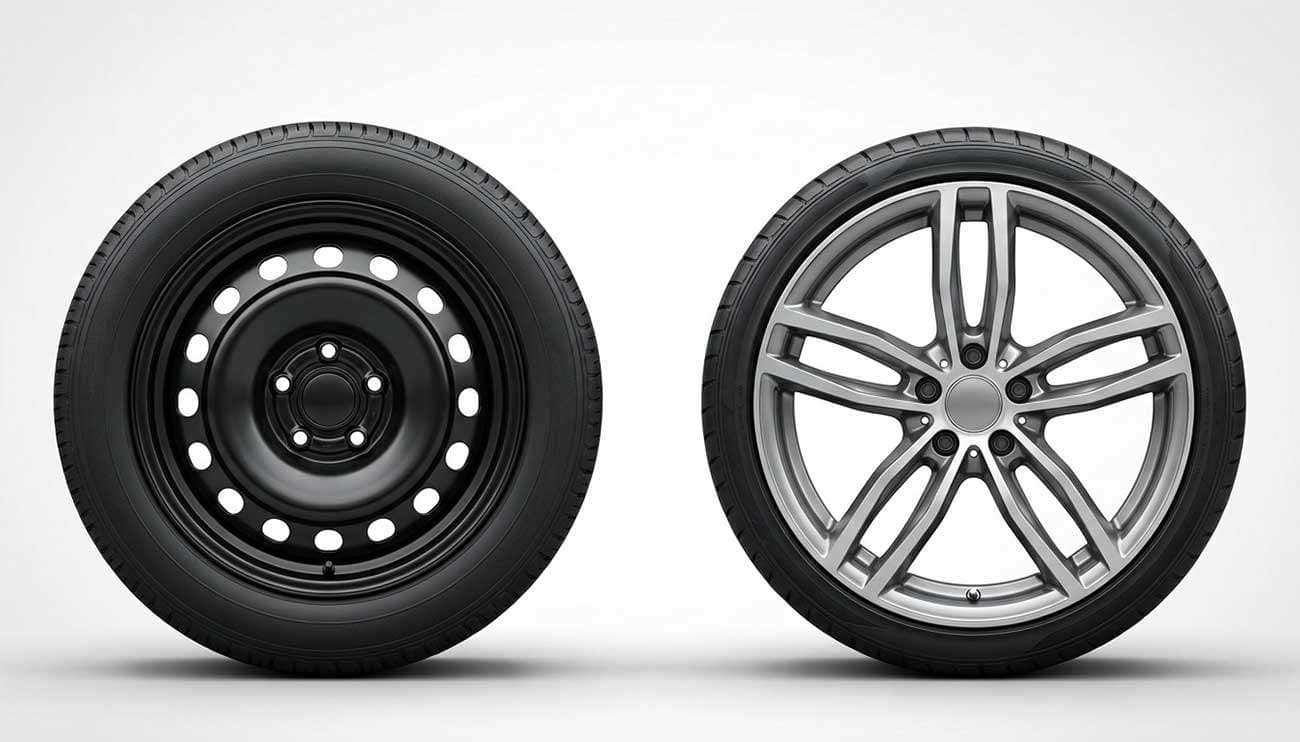
Alloy wheels are wheels made from a mixture of aluminum or magnesium combined with other metals, rather than traditional steel construction. This combination creates a product that delivers superior strength compared to pure metals, which tend to be softer and less durable. The term "alloy wheel" refers specifically to wheels made from nonferrous metal combinations, even though steel itself is technically an alloy of iron and carbon.
The composition of these wheels centers around aluminum mixed with metals like copper, silicon, magnesium, manganese, and zinc. Each element brings specific properties to the final product. Most cast wheels use A356 aluminum alloy, which contains silicon along with copper and magnesium as the main strengthening elements. Forged wheels, representing the strongest and lightest option available, rely on 6-series aluminum alloys with magnesium and silicon as primary additives.
The history of alloy wheels dates back to early magnesium alloy designs that remained popular through the 1960s, despite limited production numbers. During the mid-to-late 1960s, advances in aluminum casting technology solved the brittleness problems that plagued earlier designs. Before these improvements, most aluminum wheels suffered from poor flexibility, typically showing only 2-3% elongation before failure. Once manufacturers perfected aluminum casting techniques, these wheels replaced magnesium as the go-to choice for high-performance motorsport applications.
Alloy wheel production uses several distinct techniques:
Casting: Molten metal gets poured into molds to create complex, lightweight designs
Forging: High pressure shapes solid metal into the desired form, producing stronger and lighter wheels at higher cost
Flowforming: A newer hybrid approach that combines casting and forging elements
Alloy wheels come in different construction styles based on how they're assembled. One-piece wheels are formed as a single unit, while two-piece wheels feature a separate center section attached to an outer barrel. Three-piece wheels consist of a center piece plus two separate shells all bolted together. These different construction methods allow for various design possibilities and performance characteristics.
Alloy wheels weigh approximately 21% less than steel alternatives, delivering significant performance improvements across multiple areas. The metals used in alloy construction create wheels that are both lightweight and durable. This weight reduction improves vehicle handling by decreasing unsprung mass, which enhances suspension response, acceleration, and braking performance.
Alloy wheels have evolved from specialty items found mainly on sports cars and luxury vehicles to standard equipment on most passenger vehicles today. Their popularity comes from both their visual appeal and functional benefits, making them the preferred choice in today's automotive market.
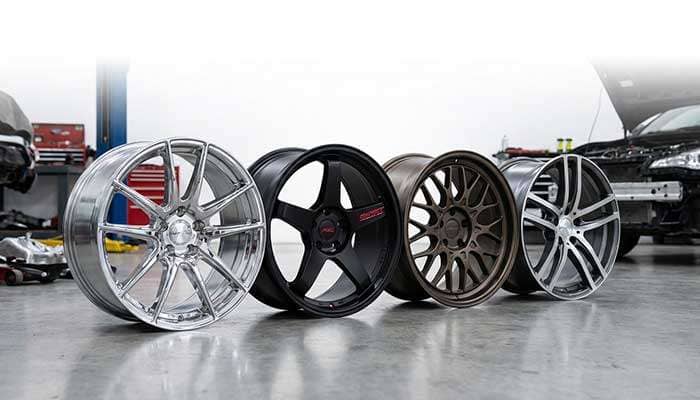
Alloy wheels deliver substantial advantages that go far beyond appearance. These benefits make them the preferred choice for drivers who want to upgrade both performance and style. We see customers discover these advantages every day, and the results speak for themselves.
The performance benefits of alloy wheels come from their dramatically reduced weight. Quality alloy wheels weigh up to 50% less than steel alternatives, dropping from approximately 26 kg to just 12.15 kg per wheel. This weight reduction creates immediate improvements in how your vehicle responds.
Lighter wheels reduce unsprung weight—the portion of your vehicle not supported by the suspension. This allows your suspension to work more effectively, giving you more precise steering input and better control. Your vehicle responds more accurately to driver commands, making every drive more engaging.
Heat dissipation represents another major advantage. Alloy wheels conduct heat excellently, drawing thermal energy away from your brakes. This cooling effect prevents brake fade during demanding driving conditions, keeping your braking power consistent when you need it most.
The increased strength and rigidity of alloy wheels also reduces wheel and tire deflection during cornering. This becomes particularly important with high-performance tires where lateral forces may approach 1.0g.
The lightweight construction of alloy wheels directly improves fuel efficiency. Industry data shows that alloy wheels can improve fuel efficiency by roughly 1% for every 100 pounds of weight reduction. When you combine alloy wheels with low rolling resistance tires, you can reduce fuel consumption by 3% or more.
These improvements add up over time. A vehicle achieving 25 MPG could gain an extra 0.1-0.15 MPG with alloy wheels, saving 40-60 gallons of fuel over 100,000 miles. That's real money back in your pocket.
The environmental benefits are equally impressive. A 2012 study found that trucks switching from steel to aluminum wheels reduced carbon emissions by 16.3 metric tons over the wheels' lifespan—equivalent to a U.S. household's annual carbon footprint.
Alloy wheels offer dramatically better visual appeal than standard steel wheels. Unlike steel wheels that require plastic hubcaps, alloy wheels are designed to be the star of the show. The manufacturing process allows for intricate spoke patterns and designs impossible with traditional steel construction.
You'll find alloy wheels available in various designs, finishes, and colors, allowing you to personalize your vehicle according to your style. This customization potential makes alloy wheels particularly popular among enthusiasts who want their vehicle to stand out from the crowd.
While not completely immune to corrosion, alloy wheels resist damage far better than steel alternatives. Aluminum alloys form a self-healing oxide layer that acts as a protective shield for the underlying metal. This natural barrier keeps your wheels looking great longer, especially in harsh weather conditions or areas with road salt exposure.
Proper maintenance remains important for maximum longevity. Regular cleaning and protective coatings help prevent corrosion and extend your alloy wheels' lifespan. If corrosion does develop, prompt attention and professional refurbishing can restore both appearance and performance.
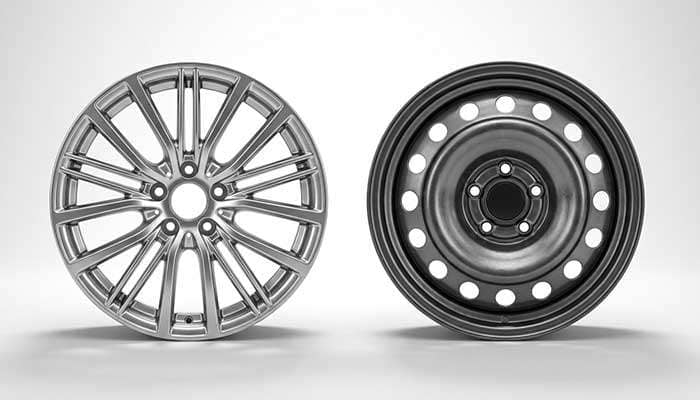
Understanding the differences between steel and alloy wheels helps you make the right choice for your vehicle and driving needs. Each wheel type offers distinct advantages depending on your priorities and how you use your vehicle.
Steel wheels typically weigh 21-25 pounds compared to alloy wheels at 16-20 pounds, with high-performance alloys dropping to just 13-15 pounds. This weight difference affects rotational mass—the energy needed to spin, stop, and turn your wheels. Rotational mass matters more than static weight because spinning wheels create resistance to directional changes.
Alloy wheels reduce unsprung weight, allowing your suspension to respond 10-15% faster to road conditions. This means better handling, more precise steering, and improved ride quality. Alloy wheels also dissipate heat 20-30% more effectively than steel, preventing brake fade during hard driving.
Steel wheels have their own strengths. Their flexibility lets them bend instead of crack when you hit potholes or rough terrain. This makes steel wheels the better choice for harsh driving conditions where durability trumps performance.
Steel wheels bend when damaged, while alloy wheels often crack. This difference matters when you consider repair options and costs. Steel wheel repairs typically run 30-50% less than alloy wheel fixes because the straightening process is simpler and available at most shops.
Alloy wheel repairs require specialized welding and reshaping equipment that maintains structural integrity. Not every repair shop has this capability, and the process costs more due to the technical expertise required.
For everyday durability, steel wheels handle curb scrapes and impact damage better. Alloy wheels offer superior performance but need more careful handling to avoid costly damage.
Basic steel wheels range from $50-$100 per wheel, making them the budget-friendly option. Entry-level alloy wheels start around $75-$150, while premium performance alloys can reach $300-$500 per wheel.
Steel wheels are widely available everywhere, making replacement easy and affordable. This universal availability makes steel wheels practical for fleet vehicles or cars operating in remote areas where specialized parts access is limited.
Steel wheels offer limited style options due to manufacturing constraints. Most require wheel covers or hubcaps for visual appeal, which add 1-2 pounds and potential noise issues.
Alloy wheels provide extensive design flexibility through casting, forging, and multi-piece construction. You can choose from:
Multiple spoke patterns from classic 5-spoke to intricate multi-spoke designs
Various finishes including polished, painted, machined, and anodized surfaces
Size ranges typically from 15 to 22+ inches with different width options
This design freedom has driven alloy wheels to become standard equipment on roughly 70% of new passenger vehicles, expanding beyond their original performance and luxury applications.
When choosing alloy wheels, your driving conditions and vehicle purpose determine the best selection. Understanding these applications helps you make the right choice for your specific needs.
Cast alloy wheels provide the perfect balance for everyday drivers who want improved performance without breaking the bank. These wheels deliver noticeable fuel efficiency gains while handling normal road conditions with ease. Your daily commute benefits from alloy wheels' reduced weight, which makes your vehicle more responsive to steering inputs and provides better acceleration.
For most passenger vehicles, one-piece alloy wheels offer the ideal combination of performance enhancement and attractive styling without requiring special maintenance. We recommend cast alloy wheels for drivers who prioritize value, reliability, and moderate performance improvements over their factory steel wheels.
Performance enthusiasts need wheels that maximize every aspect of handling and appearance. Forged alloy wheels excel when every ounce matters, directly improving your vehicle's handling response, acceleration, and braking performance. These premium wheels strike the perfect balance between weight reduction and strength, making them ideal for spirited driving.
Sports cars benefit significantly from alloy wheels' superior heat dissipation properties, which keep your brakes cooler during demanding driving situations. Two-piece wheels offer exceptional value for performance applications where precise fitment and custom styling are priorities. Choose forged or flow-formed alloy options when maximum performance is your goal.
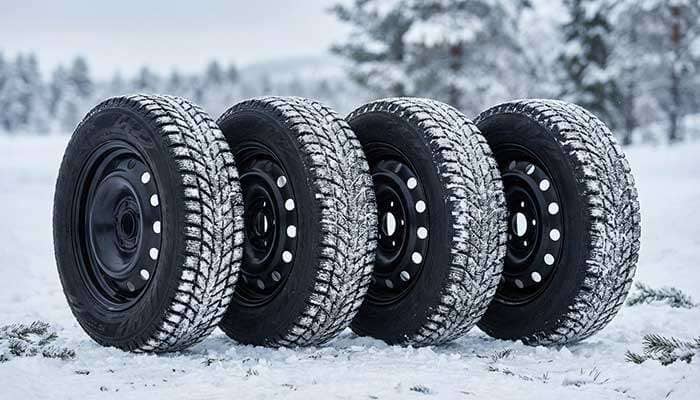
Alloy wheels require extra care during winter months to maintain their appearance and performance. Most modern alloy wheels feature protective coatings designed to resist winter road chemicals. However, once these protective finishes get scratched, corrosion can spread quickly when exposed to road salt and harsh winter conditions.
Many experts recommend mounting winter tires on dedicated steel wheels during colder months. This approach protects your premium alloy wheels while providing cost-effective seasonal tire changes. If you prefer year-round alloy wheels, look for powder-coated, anodized, or ceramic-coated options specifically engineered to resist corrosion.
Vehicles that regularly tackle challenging terrain benefit from specialized alloy wheel designs. Forged wheels provide superior durability and resistance to the bending or cracking that can occur during off-road impacts. Many off-road alloy wheels feature reinforced construction specifically designed to handle rocks, dirt, and the stresses of rough terrain.
Modified trucks and Jeeps often use two-piece alloy wheels that deliver improved performance while maintaining the aggressive appearance off-road enthusiasts prefer. However, steel wheels remain the better choice for extremely rough conditions where impact resistance outweighs performance benefits, since steel tends to bend rather than crack under severe impact.
Choose alloy wheels based on your specific terrain and driving style, balancing performance benefits with durability requirements for your off-road adventures.
Proper care extends alloy wheel life significantly, typically delivering five to ten years of reliable performance when maintained correctly. Your investment in quality alloy wheels deserves protection through smart maintenance practices.
Quality construction determines how long your wheels will perform at their best. Wheels featuring premium powder coating, chrome plating, or diamond-cut finishes resist damage and corrosion far longer than basic alternatives. Your driving environment plays a crucial role—frequent encounters with rough roads, potholes, or curb contact accelerates wear and potential damage. Vehicles operated in areas with heavy moisture or winter road salt face increased corrosion challenges that can shorten wheel lifespan.
Regular cleaning prevents brake dust and road contaminants from causing permanent damage to your wheels. We recommend these proven maintenance steps:
Choose pH-balanced wheel cleaners designed specifically for alloy finishes
Use soft-bristled brushes rather than harsh abrasive materials
Apply quality wheel sealant or ceramic coating for ongoing protection
Dry completely after washing to prevent water spots and mineral deposits
Quality protective products create an invisible barrier against harmful contamination. Professional-grade wheel sealants provide 2-3 months of protection, while ceramic coatings can defend against contaminants for up to 12 months.
Alloy wheel corrosion typically starts when protective coatings fail, particularly around scratched or damaged areas. For minor corrosion, carefully sand the affected area, clean thoroughly, and apply appropriate primer before refinishing. Curb damage needs immediate attention since it exposes bare metal underneath, potentially leading to spreading deterioration.
Minor issues like surface scratches, small cracks, or slight bending usually justify repair over replacement. Repair represents both the more affordable and environmentally responsible choice. However, replacement becomes necessary when:
Structural integrity is compromised
Cracks spread and create safety concerns
Severe corrosion weakens the wheel's ability to seal properly with the tire
Professional assessment helps determine the right approach for your specific situation. Addressing problems early through regular inspection prevents costly repairs or premature replacement down the road.
The wheel industry continues to push performance boundaries through groundbreaking materials and advanced manufacturing techniques. These innovations deliver superior performance while addressing environmental concerns that matter to today's vehicle owners.
Carbon fiber technology represents the most exciting development in modern wheel construction. Hybrid-tech wheels combine carbon fiber's lightweight properties with proven metal alloy strength, featuring a carbon fiber outer rim paired with precision-machined forged metal centerpieces. These cutting-edge wheels achieve up to 40% weight reduction compared to cast aluminum and 20% lighter than forged aluminum options.
Magnesium and titanium alloys are gaining popularity in high-performance applications. Magnesium delivers excellent strength-to-weight ratios without adding substantial mass, making it ideal for sports car enthusiasts. Titanium provides exceptional corrosion resistance and longevity for drivers seeking maximum durability.
Eco-conscious manufacturing has become essential, with manufacturers developing wheels using recycled materials. Recycled aluminum reduces mining requirements while maintaining structural integrity, requiring approximately 90% less energy to produce than virgin aluminum. Companies like Maxion are pioneering ultra-low carbon wheel options using green energy and green aluminum.
Manufacturing innovations include 3D printing technology, enabling more complex and customizable designs than ever before. Advanced forging techniques produce wheels under immense pressure, resulting in denser, stronger products that allow for intricate designs previously impossible to achieve.
These technological advances deliver concrete performance benefits: reduced unsprung mass improves handling, shorter stopping distances enhance safety, and decreased rotational mass helps vehicles accelerate faster. The future of alloy wheels promises even lighter, stronger, and more environmentally responsible options for drivers who demand the best performance from their vehicles.
Understanding alloy wheels helps you make informed decisions about vehicle performance, maintenance, and cost-effectiveness for your specific driving needs.
• Alloy wheels are 21% lighter than steel wheels, improving fuel efficiency by roughly 1% per 100 pounds of weight reduction and enhancing handling through reduced unsprung mass.
• While alloy wheels cost more upfront ($75-$500 vs $50-$100 for steel), they offer superior performance, esthetics, and heat dissipation for better brake performance.
• Proper maintenance extends alloy wheel lifespan to 5-10 years: use pH-balanced cleaners, apply protective sealants, and address scratches promptly to prevent corrosion.
• Choose wheel type based on use: cast alloy for daily driving, forged alloy for performance vehicles, and consider steel for harsh winter or off-road conditions.
• Future innovations include carbon fiber hybrids (40% lighter than cast aluminum) and eco-friendly recycled materials, pushing performance boundaries while reducing environmental impact.
The key is matching wheel type to your driving conditions and priorities—whether that's maximum performance, durability, cost-effectiveness, or environmental consciousness.
Alloy wheels are approximately 21% lighter than steel wheels, which improves fuel efficiency, handling, and overall vehicle performance. They also offer better heat dissipation, enhancing brake performance, and provide more esthetic options for customization.
With proper maintenance, alloy wheels can last between 5 to 10 years. However, their longevity depends on factors such as design quality, driving conditions, and regular care.
While alloy wheels can be used in winter, they may require additional protection against corrosion from road salt and chemicals. Many experts recommend using dedicated winter or steel wheels for the colder months to protect alloy wheels from damage.
Regular cleaning with pH-balanced wheel cleaners, using soft-bristled brushes, applying wheel sealant or ceramic coating, and thoroughly drying after washing are effective ways to maintain alloy wheels. Promptly addressing scratches and minor damage can also prevent corrosion and extend wheel life.
Emerging trends include the use of carbon fiber technology in hybrid-tech wheels, which can be up to 40% lighter than cast aluminum wheels. Other innovations involve eco-friendly manufacturing processes, the use of recycled materials, and advancements in 3D printing technology for more complex and customizable designs.



