
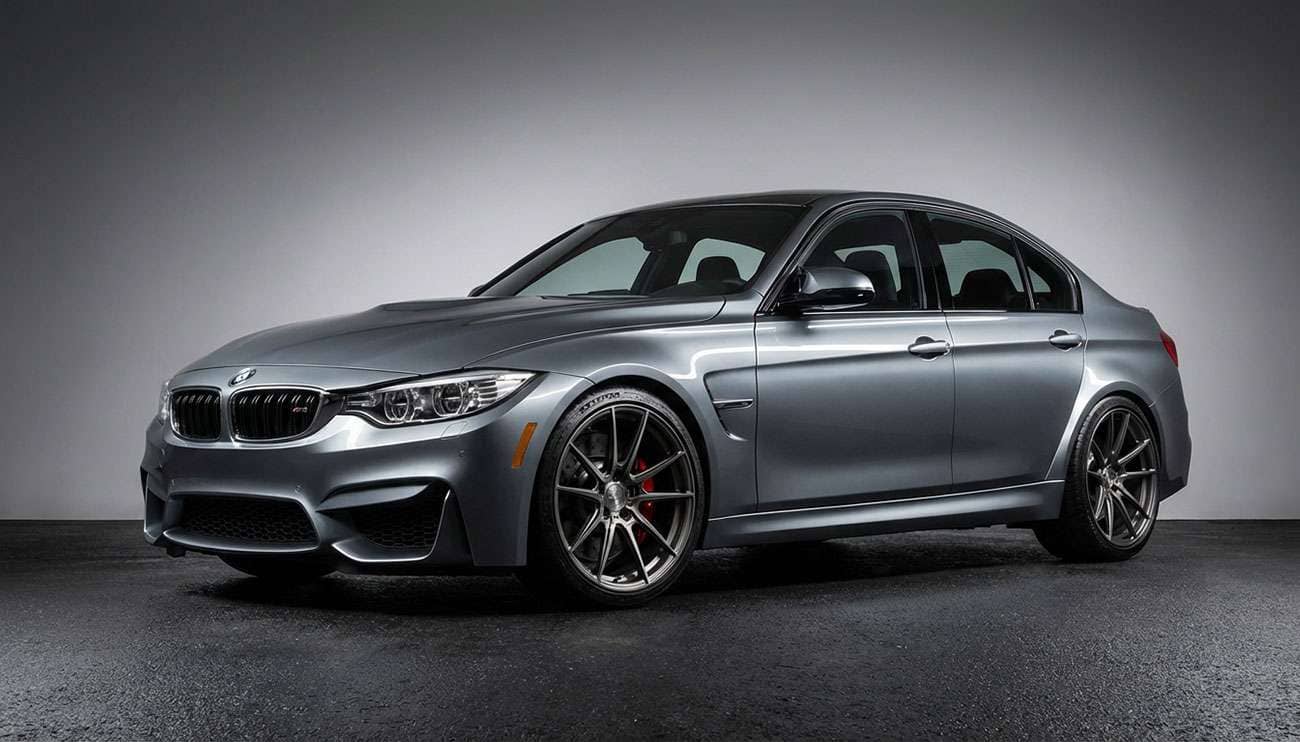
BMW M Series aftermarket wheels deliver serious performance gains that transform how your car handles on the street and track. Forged wheels can be up to 40 percent lighter than conventional cast rims. This weight reduction creates sharper handling and improved acceleration, as M Sport alloys can shave 3 to 5 kg off each corner.
We carry the best selection of BMW M3 wheels, M4 wheels, and complete M Series wheel options at the lowest prices. However, selecting the right aftermarket BMW wheels requires more than choosing a design that catches your eye.
Our expert team has created this step-by-step wheel fitment guide to help you make informed decisions. We'll walk you through every critical factor to ensure your BMW M wheels deliver both stunning looks and track-ready performance. Whether you're looking for lightweight forged options or budget-friendly alternatives, this guide covers everything you need to know about BMW M Series wheel upgrades.
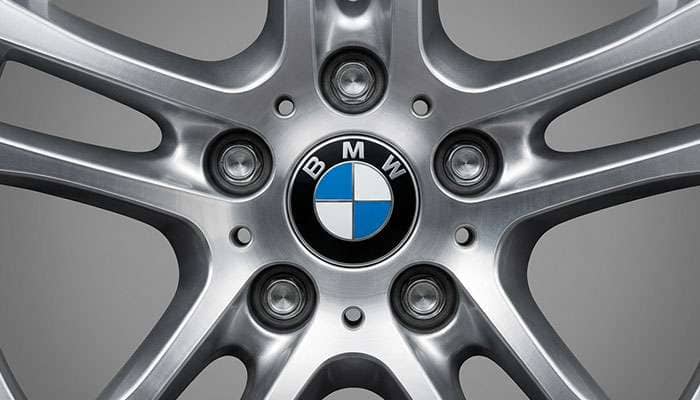
Getting your specifications right from the start prevents costly mistakes and clearance problems down the road. Before shopping for aftermarket BMW wheels, grab your owner's manual and locate your car's exact measurements. These numbers determine whether a wheel bolts on safely or creates clearance nightmares.
Most M Series models use a 5x120mm bolt pattern. This measurement refers to five lug bolts arranged in a 120mm circle, and this specification remains consistent across the M1, M2, M4, M5, M6, and M8 lineups. The "5x" indicates the number of bolt holes, while the "120" represents the diameter in millimeters of the circle connecting those holes.
You can verify your bolt pattern by measuring from the center of one lug hole to the center of the hole directly across from it. When you measure 120mm, you've confirmed the 5x120 specification. This standardization across BMW's performance lineup means you have access to a wide selection of aftermarket options designed specifically for this bolt pattern.
The center bore measurement determines how the wheel sits on your hub. Most M Series models feature a hub bore measuring 72.6mm. This dimension allows the wheel to fit snugly over the hub without requiring additional hub-centric rings.
Hub-centric fitment means the wheel centers itself on the protruding lip from your hub and brake rotor. When this measurement matches precisely, the wheel sits securely without wobbling. Using wheels with a larger center bore requires hub-centric rings to fill the gap and maintain proper centering. Never install wheels with a smaller center bore than your hub specification—they simply won't fit over the hub assembly.
Offset defines where the mounting surface sits relative to the wheel's centerline, measured in millimeters. M Series vehicles typically run offsets between 20mm and 45mm depending on the specific model and trim. Higher offsets from 40mm to 45mm suit stock configurations and maintain proper suspension clearance. Lower offsets from 20mm to 35mm create a more aggressive stance by pushing the wheels outward.
Understanding offset calculations prevents fitment disasters. Here's an example: replacing an 8.5-inch wide wheel with ET40 offset using a 9.0-inch wheel at ET40 adds 6mm toward both the suspension and fender. That half-inch width increase splits equally on both sides of the centerline. Install a 9.0-inch wheel with ET30 instead, and you gain 4mm of clearance from the strut but move 16mm closer to the fender.
BMW M3 and M4 models use staggered wheel setups with different sizes front and rear. Standard wheels measure 9.5Jx19 inches at the front and 10.5Jx20 inches at the rear. The front axle runs one inch smaller, creating a higher tire sidewall that generates a larger contact patch under cornering loads.
Load ratings indicate the maximum weight each tire can safely support. M Series vehicles demand proper load ratings to handle their performance capabilities and vehicle weight. When selecting tires for your new wheels, verify the load index matches or exceeds your factory specification. A load rating of 98 supports 750kg per tire, while a rating of 102 handles 850kg.
Calculate your requirements by checking your vehicle's gross weight and axle distribution. Each tire must support its share of the total load plus a safety margin. For heavily loaded vehicles, the rear axle typically carries more weight, so those tires need adequate load capacity to prevent failure under spirited driving or track conditions.
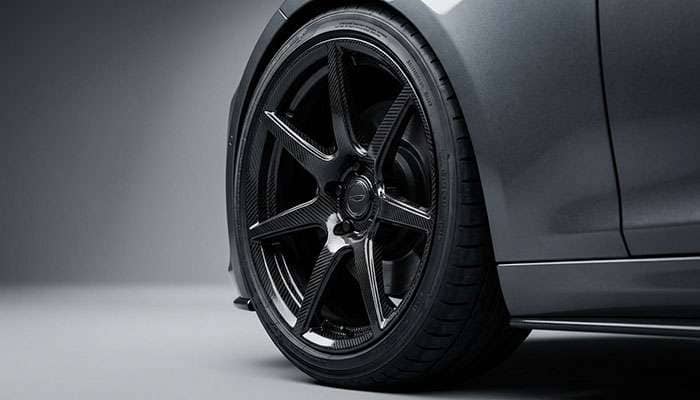
Manufacturing methods determine how your BMW M Series aftermarket wheels perform under stress. Each construction type offers distinct trade-offs between weight, strength, and cost that directly affect your M car's capabilities.
Cast aluminum wheels form when molten aluminum fills a mold through either gravity or low-pressure methods. Gravity casting relies on earth's pull to distribute material, creating wheels with adequate strength for street use but higher weight due to less dense aluminum packing. Low-pressure casting injects aluminum under positive pressure, producing denser wheels with better mechanical properties than gravity-cast alternatives. This process dominates the OEM market and accounts for 90% of factory-equipped wheels.
Cast wheels typically cost between USD 150 and USD 400 per wheel. The manufacturing simplicity keeps prices accessible, but the cooling process can create porosity within the material structure. Manufacturers add extra material to compensate for potential weak spots, resulting in heavier wheels with bulkier spoke designs. For BMW M3 wheels and M4 wheels used primarily on public roads, cast construction provides sufficient durability without premium pricing.
Flow-forming starts with a low-pressure cast wheel face that includes a shortened, thickened barrel section. The blank spins at high speed while heated beyond 400 degrees, with steel rollers pressing against the barrel to stretch it into final dimensions. This combination of heat, pressure, and rotation aligns the aluminum grain structure, creating barrel strength similar to forged wheels.
The process reduces barrel thickness from 4.5mm in standard cast wheels to 3.1-3.2mm, achieving a 30% reduction without sacrificing structural integrity. Flow-formed wheels deliver 10-20% weight savings compared to cast alternatives and cost between USD 300 and USD 650 per wheel. Brands like Enkei, Konig, and Stage Wheels demonstrate how this technology suits drivers seeking performance improvements without forged wheel expenses.
Forged construction begins with aerospace-grade 6061-T6 aluminum billets pressed under 8,000 to 10,000 tons of pressure. This intense compression aligns the metal's grain structure uniformly, eliminating the microscopic voids found in cast wheels. The resulting material density allows engineers to use 30-35% less material while maintaining superior strength.
Forged wheels weigh 25-30% less than cast wheels of identical size. BMW's factory 963M forged wheels weigh 9.9kg front and 10.9kg rear, saving approximately 3.5kg per set compared to cast alternatives. Prices range from USD 600 to USD 2,500+ per wheel. The premium cost reflects specialized equipment requirements and CNC machining that creates spoke patterns with precise tolerances.
Reducing unsprung rotational mass affects handling more dramatically than cutting static weight. Shaving unsprung weight delivers benefits up to four times greater than equivalent sprung weight reductions. Drivers report immediate improvements in throttle response, suspension reaction, and steering feedback after installing lighter wheels. A 12-pound reduction per corner creates noticeable changes in how M Series vehicles respond to inputs.
When choosing construction types, consider your primary use. Cast wheels handle daily driving demands at budget-friendly prices. Flow-formed options provide the sweet spot between performance gains and reasonable costs. Forged wheels deliver maximum performance benefits for serious track enthusiasts who demand the lightest, strongest option available.
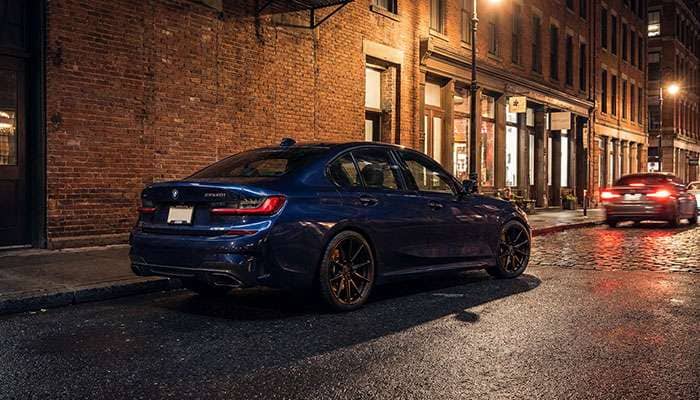
Sizing decisions affect how your M car handles and looks. Factory BMW M3 wheels and M4 wheels arrive with specific front-to-rear sizing that balances performance with comfort.
BMW equips M Series vehicles with staggered configurations from the factory. The 3 Series G20 platform uses 8Jx20 front wheels with 9Jx20 rears, mounting 245/35R20 front tires and 275/30R20 rears. The X5 G05 runs 9Jx20 fronts paired with 10.5Jx20 rears, accommodating 275/45R20 and 305/40R20 tire sizes respectively. Smaller diameter options exist as well, such as 7.5Jx18 fronts with 8.5Jx18 rears for street-focused setups.
When choosing between square and staggered setups, consider your primary driving conditions and performance goals.
A square setup mounts identical wheel and tire sizes at all four corners. This configuration adds front grip and reduces the understeer inherent in stock staggered arrangements. Track enthusiasts prefer square setups because rotating tires between sessions extends their usable life. For BMW M2 owners, 18x9.5-inch wheels with 265/35/18 tires create balanced handling without clearance issues.
Staggered setups maintain wider rear wheels and tires, preserving the factory's intentional understeer for street safety. Front tires cost less in staggered configurations and weigh less than their rear counterparts. However, wider front tires in square setups can feel twitchy on public roads and increase tramlining over rough pavement. The M2 specifically benefits from square configurations paired with increased camber for maximum track performance.
Proper clearance prevents costly damage to both wheels and brake components. Brembo recommends maintaining 3mm minimum clearance between calipers and wheel spokes. M Sport brake calipers demand careful attention, particularly with 18-inch wheels where some aftermarket designs fail to clear properly. Test every wheel by spinning it slowly by hand while checking clearance at brake calipers, inner valve stems, and balancing weights.
Understanding offset helps you achieve your desired look while maintaining proper function. Lower offsets push wheels outward from the hub mounting surface. M Series models accept offsets ranging from 20mm to 45mm depending on width and desired stance. An 18x9.5-inch wheel at ET22 delivers aggressive fitment on stock suspension, whereas ET35 sits extremely close to front struts and may require 5mm spacers for clearance.
Proper testing prevents expensive fitment mistakes. Place bare wheels on hubs to verify bolt patterns align with studs. Turn steering fully left and right while watching for contact with fenders, suspension components, and wheel wells throughout the entire range of motion. Suspension compresses during driving, reducing clearance beyond static measurements.
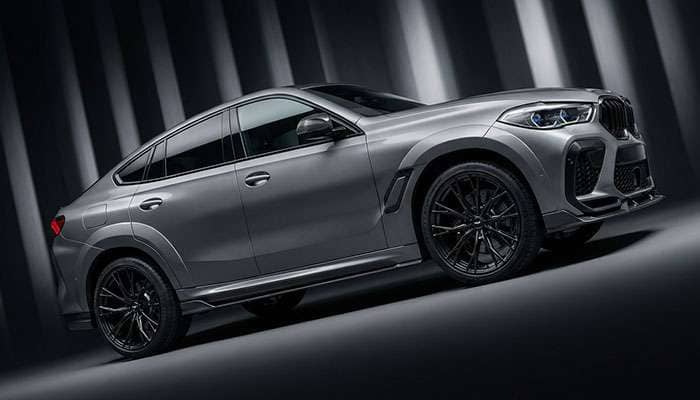
Visual appeal separates ordinary wheel upgrades from those that capture BMW M's racing heritage. Y-spokes and cross-spokes originated in motorsport and remain part of BMW M DNA. These spoke patterns feature deeper rim dishes, shifting tires further outward and creating the aggressive stance M enthusiasts recognize.
Multi-spoke designs like Style 37 and Style 42 stretch slender spokes from hub to rim, delivering refined layered appearances suited to classic aesthetics. BMW designs each wheel to its maximum potential, finding solutions even when constraints seem impossible.
Modern M Performance wheels, including Styling 963M and 1000M, receive complete CNC milling after forging. This process produces surfaces so precise that no diamond finishing is needed. The result is wheels that match the engineering excellence of your M car.
Wheel concavity describes how the face curves inward when viewed from the side. Most OEM wheels feature flat face profiles, while concave designs create dramatic visual depth between the outer edge and hub.
Three factors determine concavity levels: wheel width, offset, and brake clearance. A 20x12 wheel at ET35 shows more concavity than a 20x8.5 at the same offset due to increased width. Similarly, a 20x10 wheel at ET15 appears far more concave than ET50 because the mounting hub sits 35mm closer to the centerline. Front wheels typically display less concavity than rears because larger brake calipers require flatter face profiles for clearance.
Powder coating wraps wheels in solid protective layers that resist chips and scratches better than paint. All BMW M3 and M4 summer wheels receive powder coating in series production.
Gunmetal finishes mask brake dust effectively while delivering bold modern aesthetics. A 2-mil clearcoat blocks UV rays, moisture, and road salt, preventing color fade and corrosion. This protection becomes essential if you drive in harsh winter conditions or coastal areas with salt exposure.
BMW M prioritizes creating iconic rims optimally suited to each model's requirements rather than standardized designs. Aerodynamics influences future wheel development, whereas rigidity remains essential for precision under high dynamic track forces.
Consider your driving style when selecting designs. Track-focused setups benefit from spoke patterns that maximize brake cooling airflow. Street-driven M cars can prioritize aesthetic impact while maintaining the structural integrity these high-performance vehicles demand.
Safety certifications separate quality BMW M Series aftermarket wheels from dangerous counterfeits. Understanding these standards protects your investment and prevents catastrophic failures.
JWL (Japan Light Alloy Wheel) standards require manufacturers to pass rigorous radial fatigue, bending fatigue, and impact tests. VIA (Vehicle Inspection Association) adds independent third-party verification beyond manufacturer self-testing, inspecting factories periodically to ensure consistent production quality.
TUV certification from Europe demands manufacturer facility audits every three years plus vehicle-specific testing for each wheel style, width, offset, and load rating combination. These certifications prove wheels survived stress tests that simulate years of real-world abuse under demanding conditions.
Forged genuine wheels weigh 21 pounds whereas replicas weigh 24 pounds. Check the stamps on the rear of the wheel carefully. Factory forged 763M wheels read 19x9 ET29 and 19x10 ET40, not the alternative measurements you'll find on counterfeit versions.
Look for BMW barcodes or quality control stickers near the valve stems on genuine wheels. Replica wheels typically feature generic green stickers instead of proper BMW markings. We recommend purchasing only from authorized dealers to ensure authenticity.
M models require load ratings above 700kg per wheel to handle their performance capabilities safely. The xDrive40 specifically demands 775kg minimum per rear wheel due to its all-wheel-drive system and weight distribution.
Reputable manufacturers warrant their wheels against structural failure for as long as the original purchaser owns them. Chrome and painted finishes typically receive one-year coverage, whereas PVD finishes get two years of protection.
When selecting BMW M Series wheels, choose suppliers with proven track records and proper certifications. Quality wheels cost more initially but deliver superior safety and long-term value for your investment.
You now have the knowledge to select BMW M Series aftermarket wheels that deliver both stunning looks and track-ready performance. From checking your 5x120mm bolt pattern to choosing between cast, flow-formed, and forged construction, each step ensures you make the right choice for your M car.
Our customers regularly tell us how much this systematic approach has helped them avoid costly fitment mistakes. Whether you want lightweight forged wheels for maximum performance or budget-friendly cast options for daily driving, following these guidelines protects your investment and ensures proper fitment.
Start with your vehicle's specifications, then focus on reputable manufacturers with proper JWL or TUV certifications. Your BMW M Series deserves wheels that match its engineering excellence.
At Performance Plus Tire, we're here to help you through every step of this process. Our expert team can verify fitment, recommend the best options for your specific model, and ensure you get wheels that enhance both performance and style. Ready to upgrade your M car? Contact our specialists today and discover why we're the go-to source for BMW M Series wheels and tires.
Selecting the right aftermarket wheels for your BMW M Series requires careful attention to specifications, construction quality, and safety standards to maximize both performance and esthetics.
Verify exact specifications first: Check your M model's 5x120mm bolt pattern, 72.6mm center bore, and factory offset (20-45mm) before shopping to ensure proper fitment.
Choose construction based on use: Cast wheels suit daily driving, flow-formed offer 30% weight savings for balanced performance, forged provide maximum strength for track use.
Consider square vs staggered setups: Square configurations reduce understeer and allow tire rotation, while staggered maintains factory handling characteristics for street driving.
Prioritize certified safety standards: Only buy wheels with JWL, VIA, or TUV certifications and proper load ratings above 700kg to prevent dangerous failures.
Test fitment thoroughly: Verify brake caliper clearance (3mm minimum) and check steering lock-to-lock before final installation to avoid costly mistakes.
Remember that forged wheels can reduce unsprung weight by up to 40%, delivering handling improvements worth four times their weight reduction compared to static weight savings. Quality aftermarket wheels transform your M car's performance while maintaining the safety standards these high-performance vehicles demand.
Before purchasing aftermarket wheels, confirm your M model's bolt pattern (typically 5x120mm), center bore measurement (usually 72.6mm), factory wheel offset (ranging from 20mm to 45mm), and required load rating. These specifications ensure proper fitment and safe operation on your specific BMW M vehicle.
Cast wheels are the most affordable option suitable for daily driving. Flow-formed wheels offer 30% weight reduction and balanced performance at mid-range prices. Forged wheels provide the lightest weight (25-30% lighter than cast) and maximum strength for track use, but come at premium prices ranging from $600 to $2,500+ per wheel.
Square setups use identical wheel and tire sizes at all four corners, reducing understeer and allowing tire rotation for extended life—ideal for track enthusiasts. Staggered configurations maintain wider rear wheels like factory specs, preserving intentional understeer for street safety and stability, though front tires cannot be rotated to the rear.
Star-marked tires feature compounds specifically engineered for BMW vehicles with tighter tolerances and optimized performance characteristics. For xDrive models especially, these tires help maintain the required 1% circumference tolerance between front and rear to prevent drivetrain damage and ensure warranty coverage.
Look for JWL (Japan Light Alloy Wheel), VIA (Vehicle Inspection Association), or TUV certifications, which verify that wheels have passed rigorous radial fatigue, bending, and impact tests. These certifications ensure the wheels meet safety standards and can handle the performance demands of BMW M Series vehicles, which require load ratings above 700kg per wheel.



