
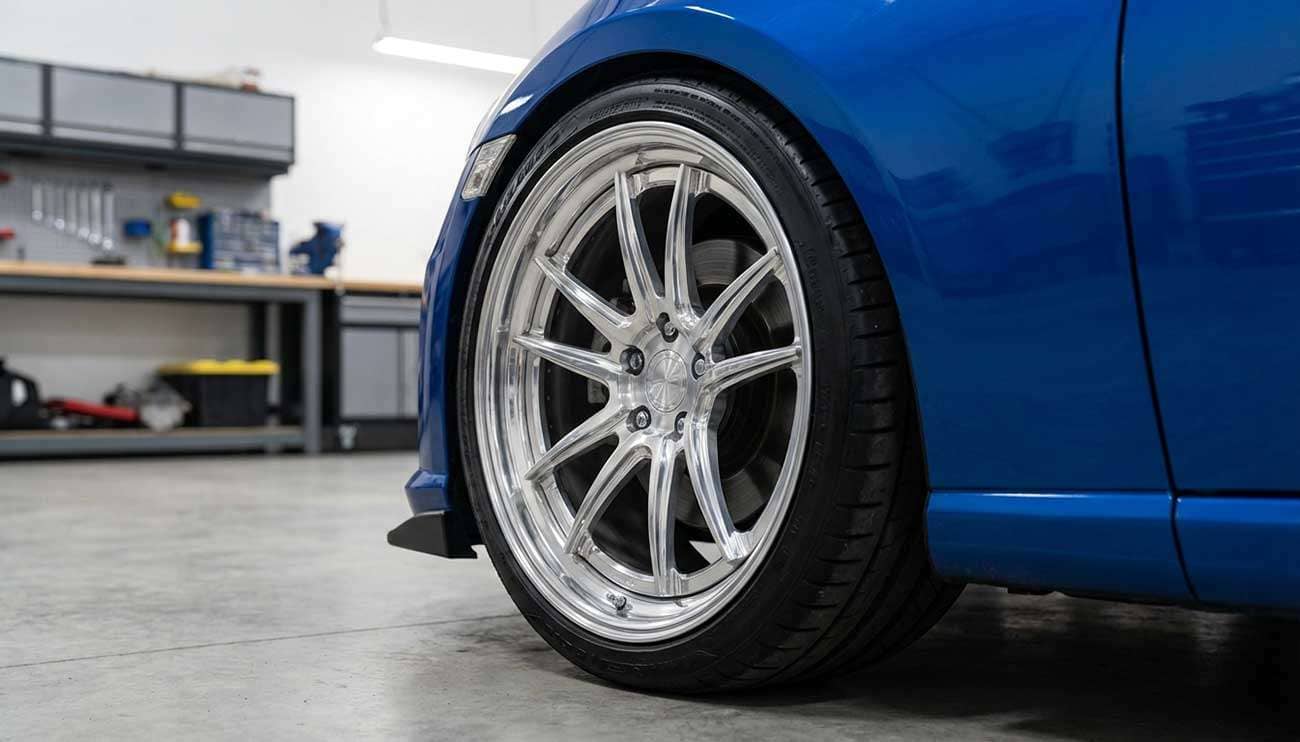
Are billet rims good? This question comes up frequently among enthusiasts, and it deserves a straightforward answer based on real-world performance data. Billet wheels have been around since automotive pioneer Boyd Coddington first developed them in his garage back in 1979.
When it comes to construction methods, most custom wheels today use cast aluminum - a process where molten metal gets poured into molds. Billet wheels take a different approach. They're machined directly from solid aluminum blocks, which preserves the material's original grain structure. This manufacturing process creates wheels that are significantly stronger and more durable than their cast counterparts. The customization possibilities are extensive - you can specify everything from backspacing and bolt patterns to finishes and widths. The trade-off comes in cost, as billet wheels typically run more expensive than mass-produced cast options.
We'll break down exactly what makes billet wheels different, examine their performance advantages, and help you determine whether the premium price delivers real value for your specific application. Understanding these factors will help you make an informed decision about whether billet rims are right for your vehicle.
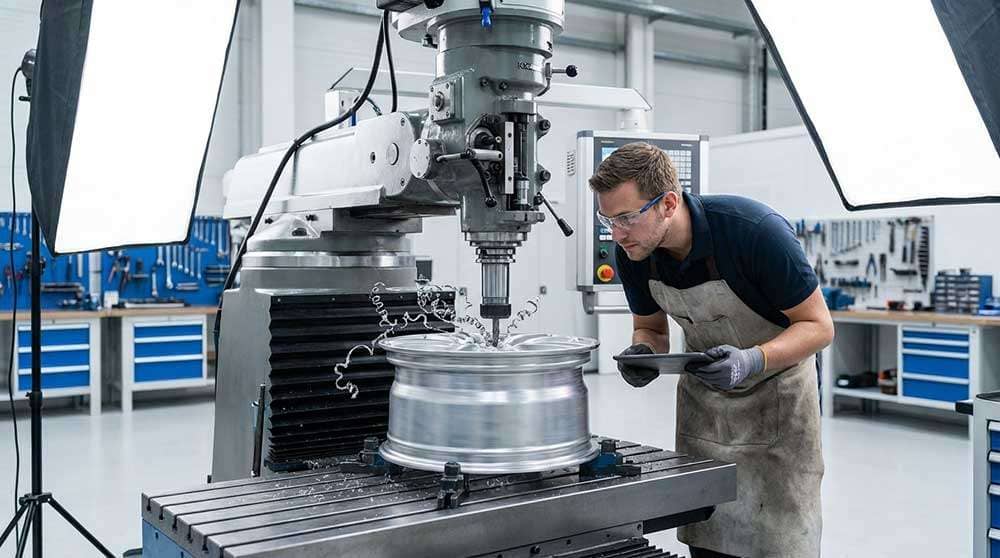
Understanding billet wheels starts with knowing what sets them apart from standard manufacturing methods. These wheels represent precision engineering at its finest, with each component carefully machined to exact specifications.
A billet is a solid block of metal that serves as raw material for precision components. When manufacturers create billet wheels, they start with solid aluminum blocks that maintain consistent density throughout. This eliminates the internal voids and weak spots commonly found in cast wheels, resulting in superior load-bearing capacity and reliability under stress.
Most quality billet wheels use 6061-T6 aluminum alloy - the same grade found in aircraft components and precision equipment where strength and tight tolerances are critical. The material properties remain consistent because there's no casting process to introduce inconsistencies.
The term comes from traditional metalworking, where "billet" refers to a solid piece of metal cut from a larger block. Originally, it described an ingot ready for extrusion or a short length of bar stock.
Boyd Coddington popularized the term "billet wheel" when he started milling wheels from solid aluminum blocks as an alternative to casting methods. The concept is simple - billet means carving away material from a solid chunk. Think of it like sculpting, where you remove everything that doesn't belong.
The process begins with extruded aluminum alloy where metal grains run through the stock like fibers in wire. Here's how it works:
Material Preparation: Aluminum stock gets cut into precise sections called "slugs"
CNC Machining: Computer-controlled equipment machines either complete wheels or wheel centers
Surface Finishing: Various treatments provide appearance and corrosion protection
Many billet wheels actually combine billet centers with stamped or spun rim halves. This hybrid construction allows manufacturers to create custom backspacing and specifications that one-piece designs cannot accommodate.
The key advantage lies in preserving the original grain structure from the extruded material. This retention creates exceptional strength without adding unnecessary weight - the foundation of billet wheels' performance reputation.
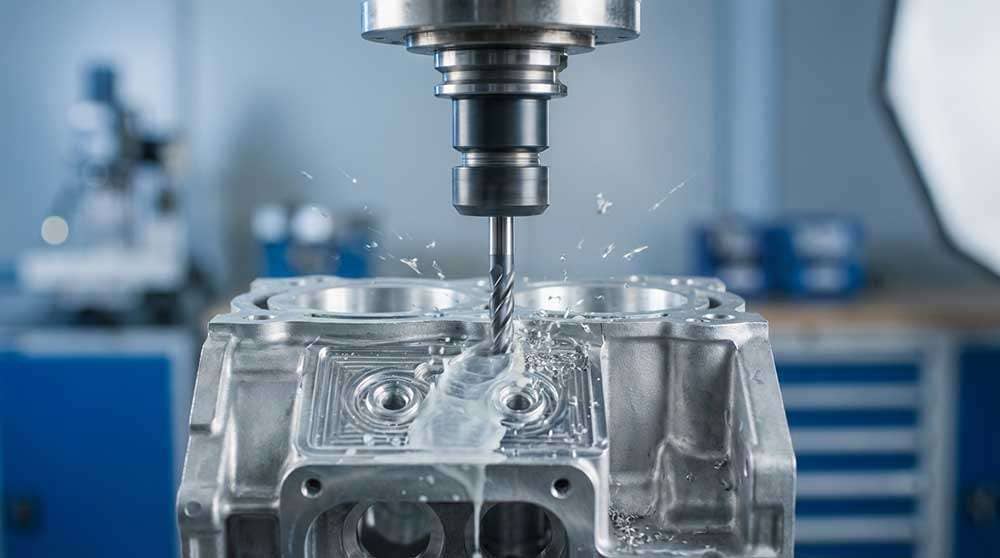
When it comes to performance advantages, billet wheels deliver measurable benefits in two critical areas: structural strength and manufacturing precision. These advantages stem directly from how they're made and why the process matters for your vehicle's performance.
Billet aluminum's uniform grain structure creates strength advantages that cast wheels simply cannot match. The material maintains consistent density throughout, with no internal voids, porosity, or weak spots that plague cast construction. This uniform structure delivers reliable performance under stress.
The numbers tell the story clearly. Billet aluminum typically delivers 30,000 to 45,000 psi in tensile strength, while cast aluminum ranges from just 23,000 to 34,500 psi. For premium applications, manufacturers use 6061-T6 aluminum with even better specifications: 45,000 psi ultimate tensile strength, 40,000 psi yield strength, and 30,000 psi shear strength.
What makes this strength reliable is how the manufacturing process preserves the material's original properties. Since the wheel gets carved from solid stock, the grain structure stays intact with minimal disruption. You get the full theoretical strength of the material, not a compromised version.
CNC machines can hold tolerances and create complex geometries that traditional manufacturing methods cannot achieve. This precision means every wheel meets exact specifications for backspacing, bolt patterns, and overall dimensions. The result is consistent quality and perfect fitment across every wheel produced.
For custom applications, this precision becomes invaluable. Billet aluminum excels for machining complex features and tight tolerance requirements, which explains why it's the preferred choice for performance parts that demand precision.
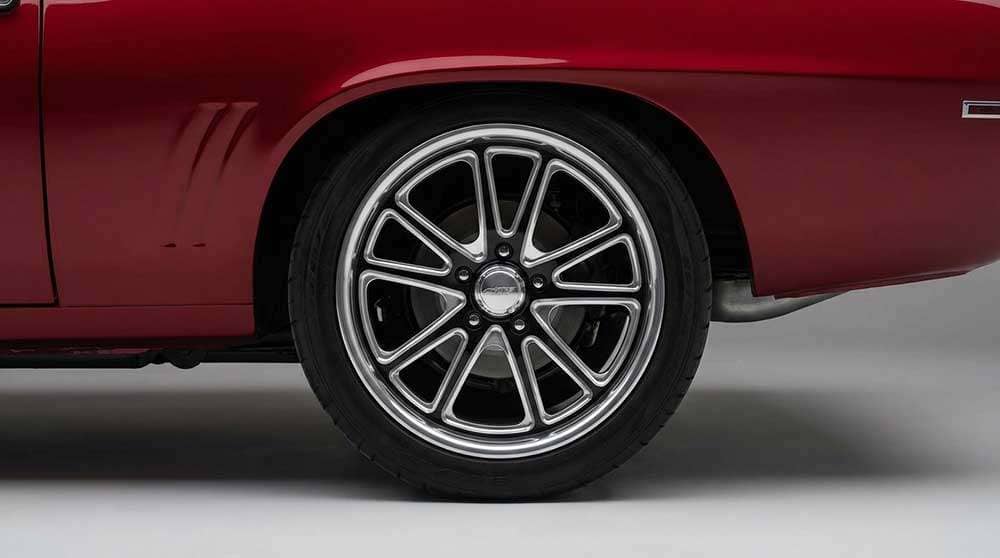
The customization possibilities with billet wheels go far beyond what traditional manufacturing allows. When you machine wheels from solid aluminum blocks, you gain creative freedom that mass-produced options simply cannot provide.
Billet wheel manufacturers can produce virtually any backspacing dimension, usually in half-inch increments. This flexibility becomes essential when fitting wheels to modified suspensions, widened fenders, or vehicles with non-standard configurations. You're not limited to the standard offsets that cast wheels offer - your exact specifications become the production standard.
Multiple bolt patterns pose no problem for CNC-machined wheels. Need an unusual bolt pattern for a vintage vehicle? Want hub-centric boring to match your exact hub diameter? These options come standard with billet construction. Some manufacturers even offer dual-drilled patterns for owners who swap wheels between different vehicles.
Surface finish options range from high-polish to brushed, anodized to powder-coated. Some builders even specify multiple finishes on a single wheel - polished lips with brushed faces, for example. The machining process itself creates clean lines and sharp details that casting cannot replicate consistently.
Three-piece billet wheels take customization further. These designs separate the center from the inner and outer rim sections, allowing extreme width combinations and easier repair access. Damaged a lip? Replace just that section instead of the entire wheel. Three-piece construction also allows you to update wheels with different widths or offsets by replacing individual components, making future modifications much easier.
For exploring the complete range of customization options available, visit Performance Plus Tire.
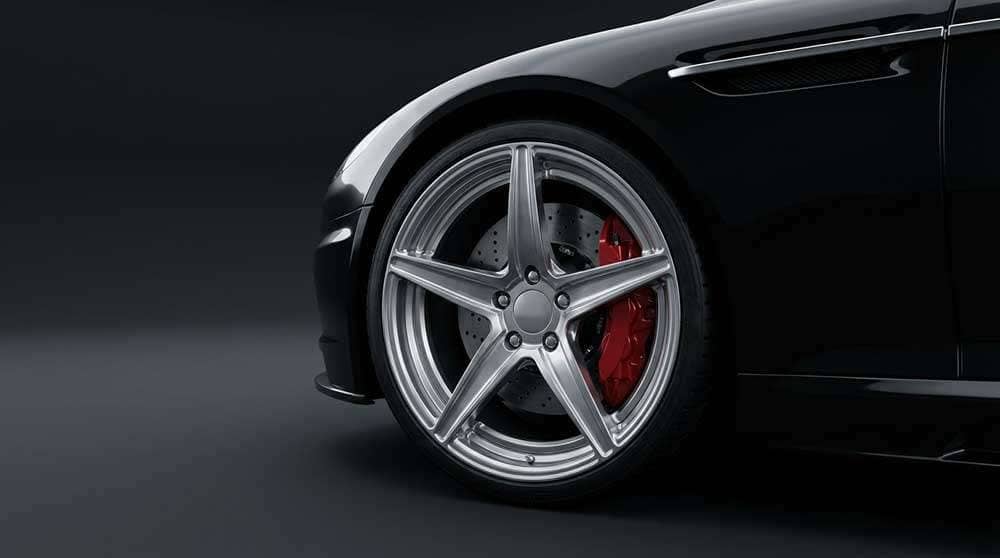
While billet wheels offer impressive customization options, they come with real drawbacks that you need to understand before spending your money.
The high cost comes directly from the manufacturing process. Machining wheels from solid blocks wastes significant material and requires extensive machine time. Three-piece designs add even more complexity - expect to pay three times more than conventional single-piece wheels. Entry-level two-piece wheels start around $800-$1200 each, while quality three-piece options run $1500 or more per wheel. That means you're looking at $3000-$6000 for a complete set before installation.
Weight becomes a real issue with multi-piece construction. The hardware and multiple components make three-piece wheels heavier than single-piece alternatives, which can hurt acceleration and handling. You'll also need to check bolt tensions regularly - something you never worry about with one-piece wheels.
The repair situation gets complicated. Three-piece wheels can be rebuilt when damaged, but costs vary widely. Simple bend repairs start around $105, while major work like re-rimming can exceed $450. Welded two-piece designs are stronger than bolted versions but sacrifice easy repairability. Here's the real problem: only the center section typically uses premium forged material - not the outer rim where most damage happens.
At Performance Plus Tire, we help customers weigh these trade-offs against their specific needs and budget requirements.
Billet rims represent premium wheel options for enthusiasts who prioritize customization and durability over budget considerations. The machining process delivers exceptional strength and unlimited personalization possibilities, but these benefits come at significant cost and weight penalties.
The answer to "Are billet rims good?" depends on your specific application and budget. These wheels excel for show vehicles, custom builds, and specialized projects where standard fitment options won't work. When you need precise backspacing, custom bolt patterns, or unique widths, billet wheels often provide the only solution.
Performance drivers should consider the weight trade-offs carefully. Multi-piece billet wheels typically add unsprung weight, which can impact handling and acceleration. However, their exceptional strength provides confidence during aggressive driving situations. Three-piece designs also require periodic hardware inspections - something to factor into your maintenance routine.
Cost remains the biggest hurdle for most buyers. Expect to spend $3,000-$6,000 for a complete set of quality billet wheels. While this investment delivers distinctive appearance and perfect fitment, it requires serious commitment. For those ready to explore billet wheel options, Performance Plus Tire offers extensive selections to match your vision and specifications.
Our honest assessment? Billet wheels deliver outstanding quality and customization capabilities at premium prices. They make the most sense for show cars and specialized builds where their unique advantages justify the expense. Daily drivers seeking performance improvements may find better value in other wheel technologies. Base your decision on your actual needs, budget, and priorities rather than the prestige factor alone.
Billet wheels offer exceptional strength and customization but come with significant trade-offs that every buyer should understand before investing.
• Billet wheels are machined from solid aluminum blocks, creating superior strength (30,000-45,000 psi) compared to cast wheels (23,000-34,500 psi)
• Unlimited customization options include custom backspacing, bolt patterns, finishes, and widths that standard wheels cannot accommodate
• Premium pricing ranges from $800-$1,200 for two-piece designs to $1,500+ for three-piece wheels, making complete sets cost $3,000-$6,000
• Multi-piece construction typically adds weight and requires regular maintenance checks of hardware connections
• Best suited for show cars and specialized builds rather than daily drivers seeking pure performance value
While billet wheels deliver unmatched customization and durability, their high cost and weight penalties make them ideal for enthusiasts prioritizing unique fitment and appearance over budget considerations. For most performance applications, other wheel technologies may offer better value propositions.
Billet wheels offer superior strength, precision, and customization options. They are machined from solid aluminum blocks, resulting in a uniform grain structure that provides excellent durability and performance under stress. The manufacturing process also allows for precise specifications in backspacing, bolt patterns, and overall dimensions.
The value of billet wheels depends on your specific needs and budget. They excel for show cars, custom builds, and unique applications where standard wheels won't suffice. While expensive, many enthusiasts find the investment worthwhile for the distinctive appearance and perfect fitment. However, for daily drivers seeking performance improvements, other wheel technologies might offer better value.
While billet wheels are extremely strong, forged wheels often claim the title of strongest wheel construction. Forged aluminum can exceed 50,000 psi in strength, compared to billet aluminum's typical range of 30,000 to 45,000 psi. The forging process aligns the metal's grain with the shape of the part, creating an optimized structure that's denser and more resistant to damage.
Billet wheels, especially multi-piece designs, require regular maintenance checks. Three-piece wheels need periodic inspection of hardware connections to ensure they remain tight. Additionally, while three-piece wheels can be rebuilt if damaged, repair costs can be significant depending on the extent of the damage and the wheel's construction type.
Billet wheels offer unparalleled customization possibilities. Manufacturers can produce custom backspacing in half-inch increments, accommodate various bolt patterns, and offer a wide range of finishes from high-polish to custom powder coating. They can also be made in extreme widths for unique builds, and three-piece designs allow for future modifications by replacing individual wheel components.



