
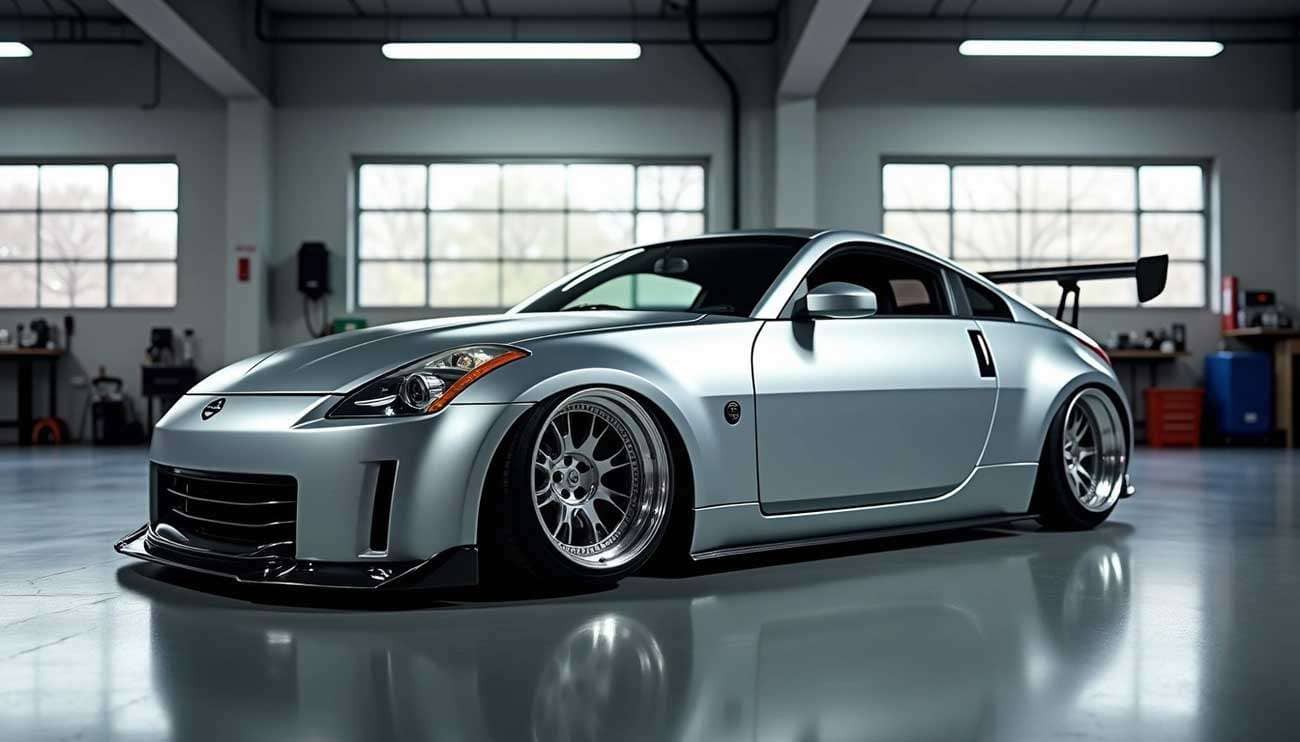
Different types of fitment are a crucial aspect of any custom wheel upgrade. Wheel fitment refers to how wheels and tires are positioned in relation to your vehicle's fenders. Whether you're building your first custom setup or upgrading an existing one, understanding these fitment styles is essential for achieving both the look and performance you want.
The automotive world recognizes four main fitment styles that define how your wheels sit. Flush fitment creates a clean appearance where wheels align perfectly with the fender, making it the most popular choice for enthusiasts upgrading to aftermarket wheels. Tucked fitment positions the wheels behind the fenders for a more aggressive, lowered appearance. Poke fitment occurs when wheels and tires extend beyond the fender line. Stance fitment typically features negative camber, where wheels tilt visibly inward at the top.
Selecting the right fitment style affects more than just appearance. Each approach influences your vehicle's handling characteristics, performance capabilities, and safety. A flush-mounted wheel setup drives completely differently than one that's aggressively tucked or poking out past the fenders.
We'll guide you through each fitment style, covering their advantages, potential drawbacks, and best applications. Whether you're planning your next wheel purchase or want to understand the terminology better, this guide covers what car enthusiasts need to know about wheel fitment.
Wheel fitment forms the foundation of your vehicle's stance, handling characteristics, and overall appearance. Fitment refers to how wheels and tires are positioned in relation to your vehicle's wheel wells or fenders. Understanding these concepts is important before selecting different fitment styles that can change your driving experience.
Achieving proper fitment requires understanding several interconnected factors. The bolt pattern represents the arrangement of lug nuts that secure your wheel to the vehicle. This pattern uses two numbers: the first indicates the number of lugs, while the second represents the diameter of the circle they form. A "5×114.3mm" pattern means five lugs arranged in a circle with a 114.3mm diameter.
Wheel dimensions are typically expressed as diameter (18 or 20 inches) and width (9 or 10 inches). These measurements determine how the wheel fits within your wheel well and interacts with suspension components.
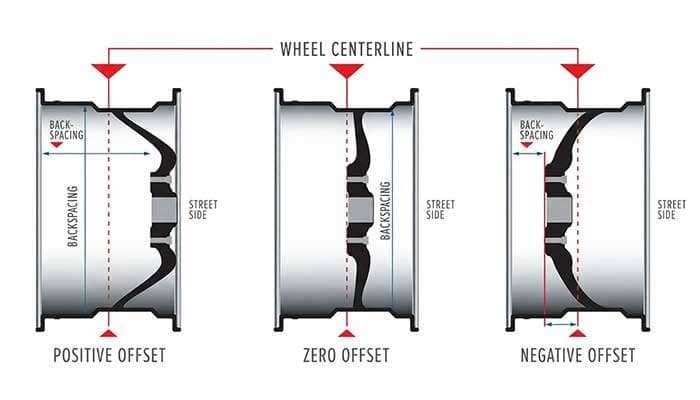
Offset plays a critical role in wheel fitment. Measured in millimeters, offset is the distance between the wheel's mounting surface and its centerline. Three primary types exist:
Positive offset - The mounting surface sits closer to the wheel's front, positioning it further inside the wheel well (common in modern vehicles)
Negative offset - The mounting surface sits closer to the back, pushing the wheel outward for a more aggressive stance
Zero offset - The mounting surface aligns perfectly with the wheel's centerline
PCD (Pitch Circle Diameter) measures the diameter of an imaginary circle passing through the wheel bolts or studs. This ensures proper alignment between wheels and vehicle hub - a parameter manufacturers design to meet structural and performance requirements.
Backspacing refers to the distance from the wheel's mounting surface to its back edge. Unlike offset which measures from centerline, backspacing helps determine if your wheel will clear suspension components under the fender.
Proper wheel fitment affects your vehicle's performance and safety beyond just appearance. Incorrect PCD creates misalignment between wheel and hub, leading to handling and stability issues. Even minor discrepancies cause uneven tire wear, increasing maintenance costs over time.
Proper fitment ensures optimal traction for acceleration, braking, and cornering performance. The size, weight, and construction of wheels directly impact handling and steering response. Larger wheels may improve cornering stability but can compromise ride comfort.
From a safety perspective, incorrect fitment creates serious consequences. Poor handling from misaligned wheels increases accident risk, particularly in situations requiring precise maneuvering. Wheels with improper offset might rub against suspension components, brake calipers, or fenders, causing damage over time.
The weight of your wheels also affects fuel efficiency, as heavier wheels require more energy to rotate. Selecting the right fitment requires balancing your desired appearance with functional considerations like comfort, performance, and long-term maintenance needs.
At Performance Plus Tire, we understand these fundamental components provide the foundation needed to explore different fitment styles - whether flush, tucked, poked, or stanced - with confidence and knowledge.
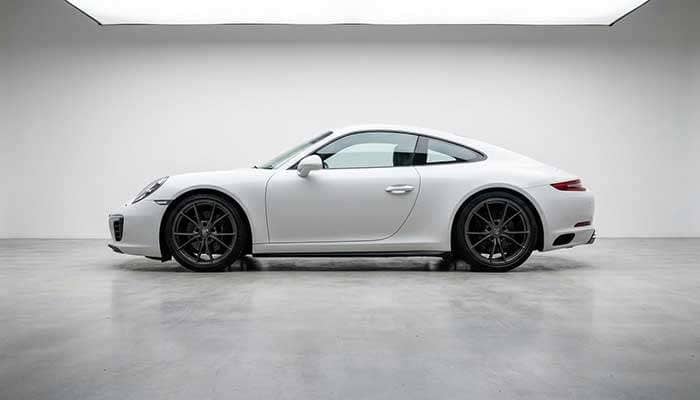
Flush fitment stands out as the most popular choice among different types of fitment for good reason. This setup strikes the perfect balance between aggressive styling and everyday usability, making it the go-to option for enthusiasts who want their vehicle to look great without sacrificing performance.
Flush fitment occurs when a wheel's outer edge sits perfectly aligned with the fender lip. The wheel face creates a seamless extension of the body line rather than tucking inside the wheel well or sticking out past the fender. Think of it as the wheel being "flushed" with the vehicle's natural contour.
Achieving this precise alignment demands exact measurements. Even a few millimeters off can result in wheels that either sink too far into the wheel well or extend beyond the fender. Most flush setups use moderate wheel widths paired with carefully calculated offsets that position the wheel face level with the fender line.
Flush fitment delivers real performance advantages beyond just looking good. This setup increases your vehicle's track width, widening the stance and improving stability during high-speed cornering. Many performance vehicles come with this configuration from the factory because of these handling benefits.
The wider wheels and tires possible with flush fitment provide:
Increased grip through a larger contact patch with the road
Better cornering forces distribution across the outside tires
Improved overall handling dynamics
From an appearance standpoint, flush fitment creates what many call an "OEM+" look—factory-inspired but more aggressive. This style gives your vehicle a purposeful stance without the extreme appearance that some other fitment styles create. While enthusiasts seeking dramatic stance might find this too conservative, most appreciate the clean, intentional appearance.
You'll find flush fitment most commonly on performance vehicles straight from the factory. Sports cars designed for track use often utilize this style to maximize handling capabilities while maintaining a sleek appearance.
For daily drivers and weekend track cars, flush fitment represents the ideal compromise. It provides enhanced performance characteristics without requiring extensive modifications or sacrificing practicality. This explains why many aftermarket wheel manufacturers target this fitment when developing new wheel sizes.
Achieving proper flush fitment occasionally requires minor modifications like fender rolling or slight negative camber adjustments to prevent rubbing. However, the minimal rubbing risk compared to more extreme fitments makes flush the top choice for those wanting outstanding looks while maintaining full drivability and suspension clearance.

Moving beyond flush fitment, tucked style takes a more dramatic approach where wheels retreat behind the fender line. This distinctive look creates a unique visual impact that many enthusiasts seek for their show builds and custom projects.
Tucked fitment occurs when wheels and tires sit tucked behind the fenders, creating an aggressive appearance that makes the vehicle look wider than it actually is. Achieving this look typically requires a significant drop in ride height from stock positions.
Creating this effect involves wheels with higher offsets, pushing them further inside the wheel wells. The wheel's outer lip sits close to the fender, sometimes completely hidden when viewed from certain angles. Some cars come with a tucked look from the factory, though aftermarket modifications usually enhance this style considerably.
True tucked fitment often requires generous negative camber adjustment, where the top of the wheel tilts inward. This modification allows the wheel to tuck further under the fender while maintaining necessary clearance during suspension movement.
Air suspension plays a crucial role in achieving the perfect tucked fitment. This system allows drivers to adjust ride height on demand, making it the preferred choice for this style. When "aired out" (lowered completely), the vehicle sits dramatically low with wheels tucked precisely behind fenders, creating a striking appearance for shows and photographs.
Air suspension provides essential flexibility – allowing the vehicle to be raised for normal driving and clearing obstacles like speed bumps, then lowered again when parked. Without this capability, extremely lowered vehicles with tucked fitment become nearly undriveable.
Fender modifications typically accompany tucked setups. These may include rolling the fender lips, modifying wheel wells, or installing aftermarket fenders to accommodate the wheels without rubbing against tires. Some enthusiasts even replace standard mounting hardware with flat-headed screws to eliminate potential tire damage from protruding bolt heads.
The primary advantage of tucked fitment is purely visual – it creates a distinctive, aggressive appearance that stands out at car shows and in photographs. The dramatic, low-slung look makes a bold statement about the owner's style preferences.
This visual appeal comes with performance trade-offs. A tucked fitment fails to utilize all available fender clearance, effectively leaving "untapped performance on the table". The extreme negative camber often required reduces the tire's contact patch with the road, diminishing mechanical grip.
Extremely lowered vehicles risk bottoming out over bumps and uneven surfaces. Many enthusiasts address this issue by switching from stock wheels to aftermarket options with wider dimensions and lower offsets, pushing the setup closer to flush fitment for improved grip and performance.

When you move into the more extreme end of wheel positioning, poke and stance fitments offer bold styling choices that make a dramatic statement. These attention-grabbing styles require careful planning and understanding of their limitations.
Poke fitment happens when wheels extend beyond the fender line, creating an aggressive look that's impossible to miss. While some enthusiasts joke that nobody intentionally creates poke fitment, it actually has legitimate roots in drag racing, where wider rear tires improved grip on the track. Muscle car culture eventually embraced this aggressive style, making it a signature look of the scene.
Poke fitment works particularly well on muscle cars and pickup trucks where a bolder stance enhances the vehicle's character. You achieve this style through wheels with lower offsets or wider dimensions that push outward from the fenders. The key is careful planning to avoid rubbing issues when turning or during suspension compression.
Stance fitment focuses primarily on appearance, featuring wheels tilted dramatically within the wheel well to create that distinctive "squared off" look. The defining feature is negative camber—where the bottom of the wheel tilts outward while the top angles inward. While most vehicles have some factory camber for handling purposes, stance setups take this to dramatic extremes.
Creating proper stance fitment requires extensive modifications to camber, toe, suspension components, and often air suspension systems. You're essentially coordinating multiple elements to achieve a cohesive look that turns heads at car shows.
Both styles come with significant trade-offs that you need to consider. Poke setups risk tire rubbing against fenders during turns and suspension travel. They also expose wheels and tires to more road debris, increasing the chance of damage.
Stance setups create accelerated tire wear by concentrating pressure on specific areas of the tire. The extreme negative camber reduces the contact patch with the road, which diminishes grip and handling performance. You'll also put additional strain on bearings, ball joints, tie rods, and bushings, which increases maintenance requirements.
Both styles work best for show builds or weekend cruisers rather than daily drivers. If you're considering these fitment types, factor in the increased maintenance costs and performance compromises before making your decision.
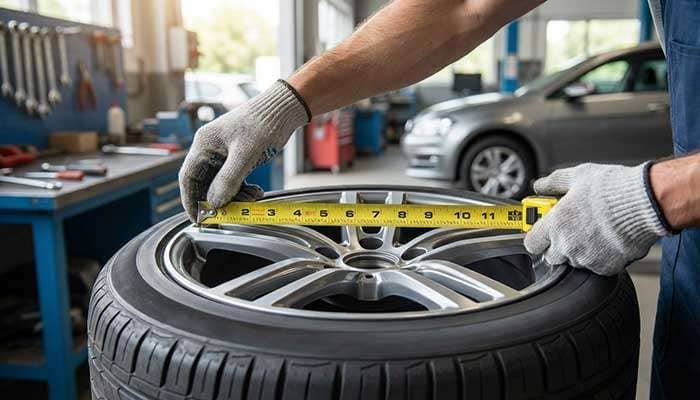
Selecting the right fitment for your vehicle requires balancing multiple priorities to achieve both the appearance and performance you want. After understanding the different fitment types, you need to determine which approach works best for your specific situation and driving needs.
Start by determining your main priorities - whether you want maximum performance, show-stopping looks, or practical daily driving capability. Daily drivers benefit from staying close to factory specifications to maintain ride quality and avoid problems. Keep tire diameter within ±3% of your OEM specifications to protect your vehicle's gearing and maintain accurate speedometer readings. Wheel offset should generally stay within ±5-10mm of stock unless you've verified proper clearance.
Performance applications require different considerations. Track width directly affects handling characteristics - wider front track promotes oversteer while wider rear track creates understeer. Your wheel's load rating must meet or exceed your vehicle's axle weight rating divided by two, plus an additional 10% safety margin.
Fitment tools like WheelWise™ can simplify the selection process by simulating different tire heights and widths within your wheel opening. Here's how to use these tools effectively:
Measure your ride height with the vehicle on the ground
Raise the vehicle, remove the wheel, and use a floor jack to restore the suspension to ride height
Set the tool to match your desired wheel specifications
Check clearance by rotating the tool through the wheel well
Our wheel experts will get you into the perfect fitment at Performance Plus Tire if you prefer professional guidance.
The biggest mistake enthusiasts make is selecting wheels based purely on appearance, ignoring critical factors like weight, offset, and load rating. Poor fitment choices can cause fender rubbing, suspension clearance problems, or alignment issues that affect handling.
Many buyers also overlook brake clearance, especially on performance vehicles with larger calipers. Remember that wheel construction varies significantly - cast, flow-formed, and forged wheels offer different strength, weight, and performance characteristics even when dimensions appear similar.
Wheel fitment selection comes down to matching the right style with your specific needs and driving habits. Flush fitment offers the best balance between appearance and performance for most enthusiasts. Tucked fitment creates that dramatic show car look many desire. Poke and stance represent the extreme end, prioritizing visual impact over daily driving practicality.
Daily drivers benefit most from flush or mild tucked setups that maintain handling while upgrading appearance. Show cars and weekend builds can explore more dramatic options when you understand the maintenance requirements involved.
Proper fitment requires more than choosing a style you like. Offset, backspacing, clearance, and load ratings all affect how your vehicle performs. Getting these measurements right prevents costly mistakes and ensures your setup works as intended.
Our wheel experts at Performance Plus Tire can help you select the perfect fitment for your vehicle and driving style. We carry the best selection of custom wheels at the lowest prices, with the knowledge to match you with wheels that deliver both the look and performance you want.
The right fitment comes from understanding your priorities. Whether you prefer the clean look of flush fitment or the aggressive stance of extreme setups, making an informed choice ensures satisfaction with your wheel upgrade.
Understanding wheel fitment is crucial for achieving the perfect balance between style, performance, and safety in your vehicle customization journey.
• Flush fitment offers the best balance - Wheels align perfectly with fenders, providing improved handling and a clean esthetic without sacrificing daily drivability.
• Tucked fitment prioritizes show over go - Creates dramatic lowered appearance but requires air suspension and sacrifices performance for visual impact.
• Poke and stance are high-maintenance styles - These extreme fitments accelerate tire wear, strain suspension components, and work best for show cars rather than daily drivers.
• Proper measurements prevent costly mistakes - Stay within ±5-10mm of stock offset and ±3% of OEM tire diameter to maintain performance and avoid clearance issues.
• Consider your priorities before choosing - Daily drivers benefit from conservative flush setups, while weekend show cars can explore more dramatic tucked or stance options.
The key to successful fitment lies in understanding that each style serves different purposes - from the practical performance benefits of flush mounting to the show-stopping appeal of extreme stance setups. Choose based on how you actually use your vehicle rather than esthetics alone.
There are four primary types of wheel fitment: flush, tucked, poke, and stance. Flush fitment aligns the wheel's edge with the fender, tucked places wheels behind the fenders, poke extends wheels beyond the fender line, and stance focuses on negative camber for a distinctive look.
Wheel fitment significantly impacts vehicle handling, stability, and safety. Proper fitment can improve traction, cornering ability, and overall performance. However, extreme fitments like stance or poke can reduce tire contact with the road, potentially compromising handling and accelerating tire wear.
Flush fitment is when the wheel's outer edge aligns perfectly with the fender lip. It's popular because it offers an attractive, balanced look while maintaining or even improving vehicle performance. This style is often favored for daily drivers and performance-oriented vehicles.
Yes, extreme fitments like poke or stance can pose risks. These styles may cause tire rubbing, accelerated wear on suspension components, reduced tire contact with the road, and potential damage from road debris. They're generally better suited for show cars rather than daily drivers.
To choose the right fitment, consider your priorities (style, performance, comfort), use fitment tools for accurate measurements, and avoid common mistakes like ignoring brake clearance or load ratings. For daily drivers, staying close to OEM specifications is often recommended. When in doubt, consult with wheel fitment experts for personalized advice.



