
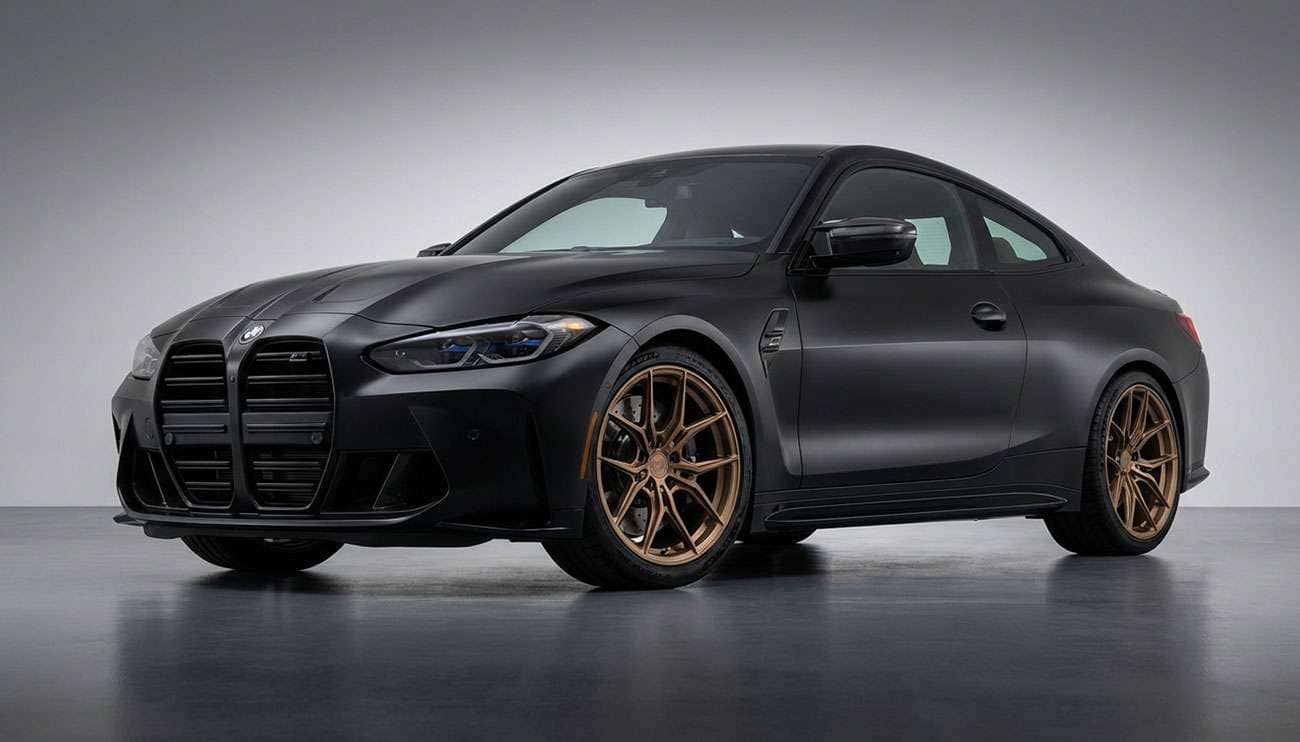
Aftermarket BMW wheels deliver the perfect combination of style and performance enhancement for your vehicle. We understand that selecting the right wheels requires more than just picking an attractive design – proper fitment is absolutely essential for both safety and performance.
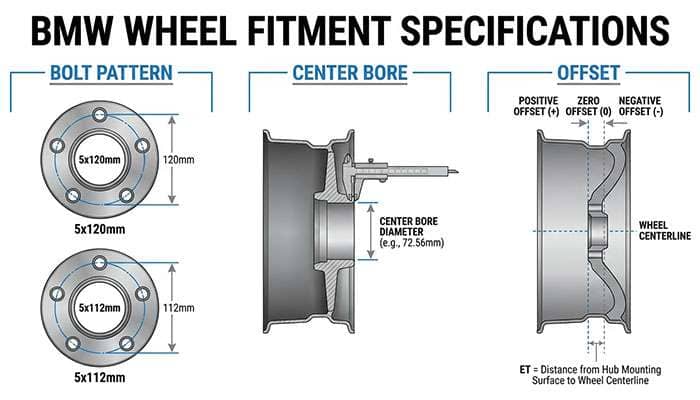
Most BMW models feature a standard 5x120 bolt pattern, with five lug bolts arranged in a 120mm bolt circle. This specification has been BMW's standard for decades. However, newer G-chassis models produced since 2009 use a different 5x112 bolt pattern, making compatibility verification crucial before any purchase.
When shopping for BMW wheels, understanding the technical specifications makes all the difference. The 6061-T6 alloy has become the material of choice for performance applications due to its excellent strength-to-weight ratio. Every quality BMW wheel must support at least 1,000kg to handle your vehicle's full load capacity safely. Genuine BMW wheels include distinctive markings – look for an official BMW stamp on the back and potentially an 'M' badge below the front center cap.
At Performance Plus Tire, we carry the best selection of aftermarket BMW wheels at competitive prices. Our extensive inventory includes wheels specifically designed for BMW fitment requirements, ensuring both proper function and outstanding appearance. Whether you're upgrading for performance, style, or both, we have the expertise to guide you through the selection process.
This guide covers everything you need to know about BMW wheel upgrades. We'll explain bolt patterns and center bore specifications, explore different wheel construction methods and finishes, and discuss important safety considerations. Our goal is to help you make the best choice for your specific BMW model and driving needs.
Proper wheel fitment determines whether your BMW upgrade succeeds or fails. Getting these measurements wrong can damage your vehicle, create safety hazards, or simply waste your money. Understanding the key specifications ensures your new wheels fit correctly and perform as intended.
Wheel offset measures the distance in millimeters between the wheel's centerline and the mounting surface where it bolts to the hub. This single measurement affects your BMW's handling, appearance, and clearance issues more than any other specification.
Three offset types determine your wheel position:
Positive offset: Mounting surface toward the wheel's face (factory BMW standard)
Negative offset: Mounting surface toward the wheel's back, creating a wider stance
Zero offset: Mounting surface at the wheel's exact centerline
Lower offset pushes wheels outward, increasing track width and potentially improving cornering stability. However, incorrect offset creates clearance problems between tires and suspension components – a costly mistake that can damage both.
The visual impact is equally important. Offset controls whether wheels sit flush with fenders, tuck inward, or extend outward with an aggressive stance. Most BMW enthusiasts target a flush appearance for that clean, purposeful look.
Bolt pattern describes the lug arrangement, also called PCD (Pitch Circle Diameter). Most BMWs use a 5x120mm pattern – five lugs arranged in a 120mm circle. Starting in 2009, G-chassis BMWs switched to 5x112mm, matching other German manufacturers.
The center bore – the large center hole – centers the wheel on your hub. BMW typically uses 72.56mm center bore, except E39 5-series models which require 74.1mm. This hub-centric design prevents wobble and potential wheel failure.
Aftermarket wheels often have larger center bores than your BMW requires. Hub-centric rings fill this gap, available in plastic or aluminum. These inexpensive adapters prevent vibration at highway speeds.
Finding your BMW's specifications is straightforward. Check your owner's manual first – factory wheel specs are listed there. Many BMW models also have specifications stamped on the back of factory wheels.
For direct measurement, use calipers to measure center bore diameter. Calculate offset by measuring backspacing (mounting surface to inner edge distance) and subtracting half the wheel width. An 8-inch wheel with 4.5 inches backspacing has positive offset.
Performance models like the M3 or M4 require special attention to brake caliper clearance. Insufficient clearance causes handling problems, component wear, and dangerous driving conditions.
Choose wheels designed specifically for your BMW model with correct bolt pattern, center bore, and appropriate offset. This ensures both safety and optimal performance for your investment.
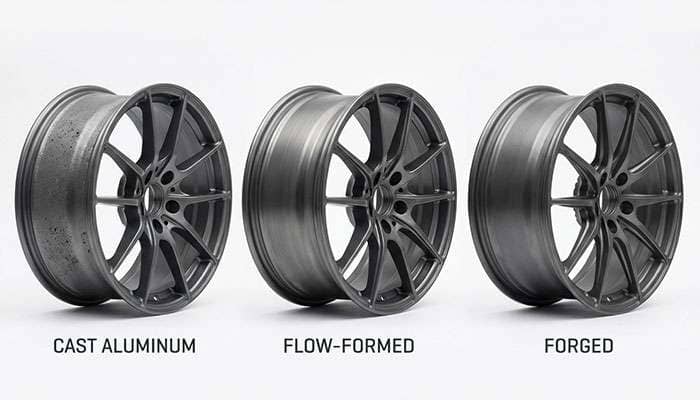
Understanding wheel manufacturing methods is essential when selecting aftermarket BMW wheels. Each construction type offers different advantages in terms of performance, weight, and value. The right choice depends on your driving style, budget, and performance goals.
Cast wheels represent the most popular choice in the aftermarket BMW wheel market. Manufacturers create these wheels by pouring molten aluminum into molds, where it cools and hardens into the desired shape. This proven process delivers extensive design variety at accessible price points.
We offer cast wheel options starting around $150 per wheel from trusted brands like Motiv Street Wheels. Cast wheels provide excellent value for daily driving, offering good shock absorption properties that handle imperfect road conditions well. The manufacturing process allows for countless design options to match virtually any style preference.
Cast wheels do require more material to achieve adequate strength, making them heavier than alternatives. For BMW owners prioritizing budget-friendly upgrades without compromising safety, cast wheels deliver reliable performance with extensive style choices.
Flow-formed wheels offer the ideal middle ground for performance-oriented BMW drivers. The manufacturing process begins with a cast wheel that receives additional treatment – the barrel is heated and spun under high pressure using steel rollers. This process rearranges the metal's grain structure, creating properties similar to forged wheels at a more accessible price.
Flow-forming technology produces wheels approximately 15-25% lighter than comparable cast options. Brands like TSW utilize this technology to create lightweight, aerodynamic wheels specifically designed for performance vehicles, with prices typically ranging from $294 to $438 per wheel.
The improved strength-to-weight ratio provides better handling characteristics and acceleration compared to cast alternatives. Flow-formed wheels strike an excellent balance between performance enhancement and cost-effectiveness, making them perfect for BMW enthusiasts seeking noticeable improvements without premium pricing.
Forged wheels represent the pinnacle of aftermarket wheel technology for serious BMW enthusiasts. Created by applying massive pressure to compress solid aluminum billets, this manufacturing process produces wheels with uniform, dense grain structure. The result is exceptional strength using less material – creating the lightest possible option for your BMW.
Lighter wheels reduce unsprung weight, allowing your suspension to react more quickly to road surface changes. Forged wheels also dissipate heat better, enhancing braking performance during demanding driving conditions.
The premium manufacturing process commands higher investment than cast or flow-formed alternatives. However, performance-focused drivers consider forged wheels worthwhile due to their superior durability, reduced rotating mass, and customization options that allow precise fitment for specific BMW models.
Our selection includes forged options from leading manufacturers, ensuring you get the best performance enhancement for your investment.
Selecting aftermarket BMW wheels requires careful consideration of multiple technical factors beyond just appearance. The right choice ensures optimal performance, safety, and the exact look you want for your vehicle.
Understanding your BMW's specific requirements is the foundation of any successful wheel upgrade. Wheel width and offset are critical factors that determine both fitment and performance. When replacing standard 8.5" ET40 wheels with identical specifications, you maintain the current wheel position. However, choosing 8.5" ET50 wheels moves them 10mm further inboard, potentially creating clearance issues with brakes or suspension components. An ET30 offset has the opposite effect, pushing wheels 10mm outward and possibly causing fender interference.
Before making any purchase, measure the clearance between your current wheel and tire combination and the fender. Place a straight edge against the outermost point of your wheel and measure the distance to the inner fender. This measurement represents your maximum available clearance – always select spacers slightly narrower than this measurement to accommodate suspension movement during driving.
Your wheel configuration choice significantly impacts both performance and appearance:
Square setups use identical wheels at all four corners and offer distinct advantages. This configuration allows complete tire rotation, extending tire life and reducing long-term costs. Square setups typically provide more neutral handling characteristics with reduced understeer compared to factory staggered configurations. This makes them an excellent choice for track enthusiasts who want balanced performance.
Staggered setups feature wider rear wheels and deliver superior rear traction – particularly beneficial for high-horsepower BMWs. This configuration enhances straight-line acceleration while providing the classic BMW rear-wheel-drive appearance that many enthusiasts prefer. Most rear-wheel-drive BMWs come with staggered setups from the factory, maintaining their intended handling characteristics.
All-wheel-drive BMWs require special attention when selecting wheels and tires. The xDrive system distributes torque based on traction conditions, making proper front-to-rear tire size ratios crucial. Mismatched tire sizes can cause the AWD system to distribute torque incorrectly, potentially leading to premature wear on differentials and transfer cases.
xDrive owners should consider purchasing a fifth matching wheel and tire for the spare. This allows proper rotation according to your maintenance schedule, extending component life. Check Performance Plus Tire's BMW-specific wheel selection for perfectly matched xDrive-compatible options.
Quality wheel spacers can fine-tune your BMW's stance and fitment when used properly. Choose high-quality hub-centric spacers made from forged aluminum rather than cast alternatives. These distribute weight evenly across the hub instead of placing stress solely on wheel bolts.
During installation, ensure spacers sit completely flush against the hub with no gaps. Always torque bolts to manufacturer specifications using a torque wrench, then recheck torque after driving 50-100 miles. When installed and maintained correctly, spacers provide years of reliable performance.
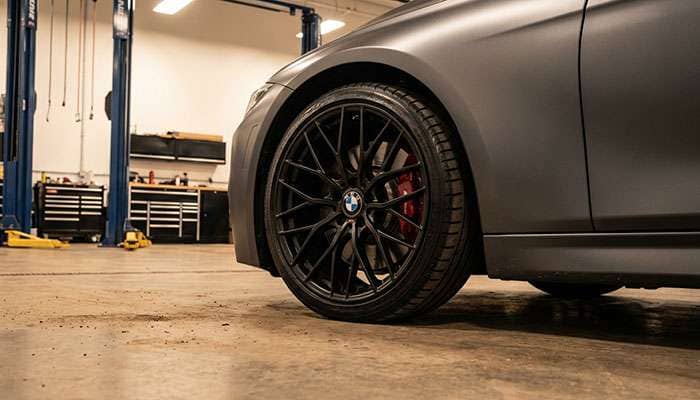
Your BMW's appearance deserves wheels that make a statement. The right style and finish can transform your vehicle from ordinary to extraordinary, creating the exact look you've been envisioning.
BMW wheel designs reflect decades of automotive artistry. Multi-spoke wheels feature elegant thin spokes radiating from the center to the rim edge, creating sophisticated visual appeal with excellent weight distribution. These designs offer timeless elegance that works beautifully on both classic and modern BMWs.
Double-spoke wheels deliver a more aggressive, performance-oriented character. Their distinctive paired spoke arrangement has become synonymous with BMW M models and sport-focused trims. Y-spoke designs merge contemporary aesthetics with structural strength, offering dynamic visual impact that suits everything from sleek coupes to luxury sedans.
Ready to make your BMW stand out from the crowd? Concave wheels create an aggressive, deep-dish appearance that commands attention. Their inward-curving face provides a bold stance while potentially improving aerodynamic properties.
Multi-spoke wheels offer refined elegance through numerous thin spokes that create intricate patterns. These designs provide both visual sophistication and practical benefits like improved brake cooling through better airflow.
Mesh wheels showcase an intricate web-like spoke pattern that bridges classic and modern styling. This design appeals to enthusiasts who appreciate both vintage character and contemporary performance.
The finish you choose dramatically changes your wheels' entire character. Gunmetal finishes provide a bold, modern appearance while practically concealing brake dust buildup – perfect for daily drivers who want low-maintenance style.
Polished wheels undergo extensive buffing to achieve mirror-like brilliance that turns heads wherever you drive. This premium finish makes your wheels the focal point of your vehicle's appearance.
Powder coating creates a durable protective layer that resists chips, scratches, and corrosion far better than traditional paint. Available in countless colors and textures, powder coating offers unlimited personalization possibilities.
BMW's signature floating center caps represent engineering elegance inspired by Rolls-Royce heritage. These clever caps use weighted mechanisms to keep the BMW roundel perfectly upright while driving, adding that premium touch that separates BMW from other manufacturers.
For those seeking personalization, custom center caps offer unique finishing touches. Options range from gloss black versions to completely stealth "murdered-out" designs that create a more aggressive appearance.
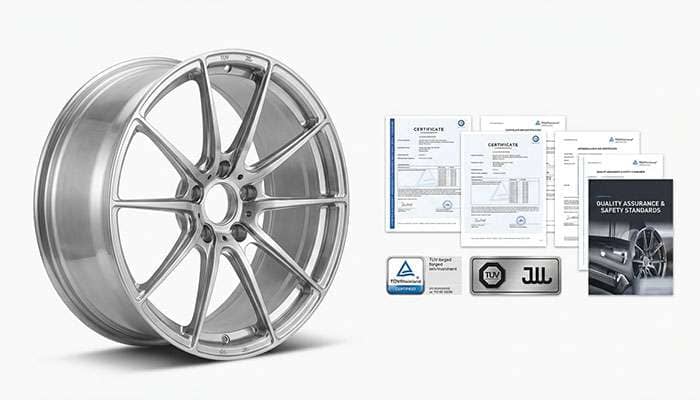
Quality certifications protect your investment and ensure your safety on the road. Certified aftermarket BMW wheels have passed rigorous testing protocols designed to simulate real-world stress conditions.
JWL (Japan Light Alloy Wheel) certification represents extensive testing by the Vehicle Inspection Association of Japan. These wheels undergo dynamic cornering fatigue tests for at least 100,000 revolutions and radial fatigue tests applying 2.25x the load rating for over 500,000 revolutions. TÜV certification, administered by German regulatory authorities, stands as one of the most respected quality guarantees in the automotive industry.
Look for permanent certification markings stamped directly on certified wheels. These stamps verify the wheels meet strict safety and performance standards.
Wheel load ratings must accommodate not only your BMW's weight but also additional forces from cornering, braking, and road impacts. A fully loaded X3 with passengers requires each wheel to handle approximately 1,490 pounds. Quality manufacturers calculate load ratings based on precise weight distribution and intended use patterns.
Insufficient load capacity can result in catastrophic wheel failure during emergency maneuvers or unexpected impacts. This makes proper load rating verification essential for safe operation.
Genuine BMW wheels include specific identification markers that replicas cannot legally reproduce. Look for OEM part numbers stamped on the back of spokes, around the flange, or near lug holes. Authentic wheels typically display manufacturer names like BBS, Ronal, or Borbet.
Replica wheels often use "universal" fitments rather than BMW-specific specifications. Watch for misleading descriptions such as "BMW Style Wheel" or "M3 Look Wheel," which indicate replica products. Despite similar appearances, replica wheels typically receive minimal quality testing and may not meet safety standards.
When selecting aftermarket wheels, choose options with proper certifications to ensure both performance and safety for your BMW.
Upgrading your BMW with aftermarket wheels transforms both appearance and performance when done correctly. The key to success lies in understanding your specific BMW's fitment requirements and selecting wheels that match your driving style and budget.
Remember that bolt pattern verification is non-negotiable. Most BMWs use 5x120 fitment, but newer G-chassis models require 5x112 wheels. Getting this wrong means your wheels simply won't fit, regardless of how great they look.
Construction type determines your wheel's performance characteristics and price point. Cast wheels provide affordability for daily driving, flow-formed wheels offer performance benefits without premium costs, and forged wheels deliver maximum strength for serious enthusiasts. Each serves different needs and budgets.
Style choices let you express your personality through your BMW. Multi-spoke designs offer elegance, concave wheels provide aggressive stance, and various finishes like gunmetal or powder coating add the perfect finishing touch. The right combination creates a truly unique vehicle that reflects your taste.
Quality and safety certifications protect your investment and your life. Look for JWL/VIA or TÜV markings that prove your wheels have passed rigorous testing standards. Genuine wheels from reputable manufacturers include proper load ratings and BMW-specific engineering.
Ready to upgrade your BMW's appearance and performance? Performance Plus Tire offers an extensive selection of aftermarket BMW wheels designed specifically for proper fitment and outstanding results. Our knowledgeable team can help you find the perfect wheels that combine style, performance, and safety for years of driving enjoyment.
The right wheels don't just change how your BMW looks – they enhance handling, reduce weight, and make every drive more enjoyable.
Understanding proper fitment specifications is crucial for safe and successful BMW wheel upgrades, covering everything from bolt patterns to manufacturing quality.
Proper wheel selection transforms both your BMW's appearance and performance while maintaining the safety and engineering excellence that defines the brand.
Aftermarket wheels can be safe if you choose high-quality options with proper certifications like JWL/VIA or TÜV. These certifications ensure the wheels have undergone rigorous testing for durability and safety. Always verify the wheel's load rating matches your BMW's requirements and avoid replica wheels that may compromise safety.
No, installing aftermarket wheels does not automatically void your entire car warranty. The Magnuson-Moss Warranty Act protects consumers, requiring manufacturers to prove that aftermarket parts directly caused a specific failure to deny warranty coverage for that issue. Your warranty remains intact for unrelated components.
To ensure proper fitment, check your BMW's specific bolt pattern, offset, and center bore. Most BMWs use a 5x120mm bolt pattern, but newer G-chassis models require 5x112mm. Verify the wheel's width and offset are compatible with your model, and consider using online fitment tools or consulting with a professional to guarantee compatibility.
Cast wheels are the most affordable but heaviest option. Flow-formed wheels offer a balance of performance and cost, being lighter and stronger than cast wheels. Forged wheels are the premium choice, providing the highest strength-to-weight ratio but at a higher price point. Your choice depends on your budget and performance needs.
Yes, quality wheel spacers can be used to fine-tune your BMW's wheel fitment when used correctly. Choose high-quality, hub-centric spacers made from forged aluminum. Ensure they sit flush against the hub, use proper torque specifications, and recheck after driving 50-100 miles. When installed correctly, spacers can safely adjust your wheel position for improved stance or clearance.



