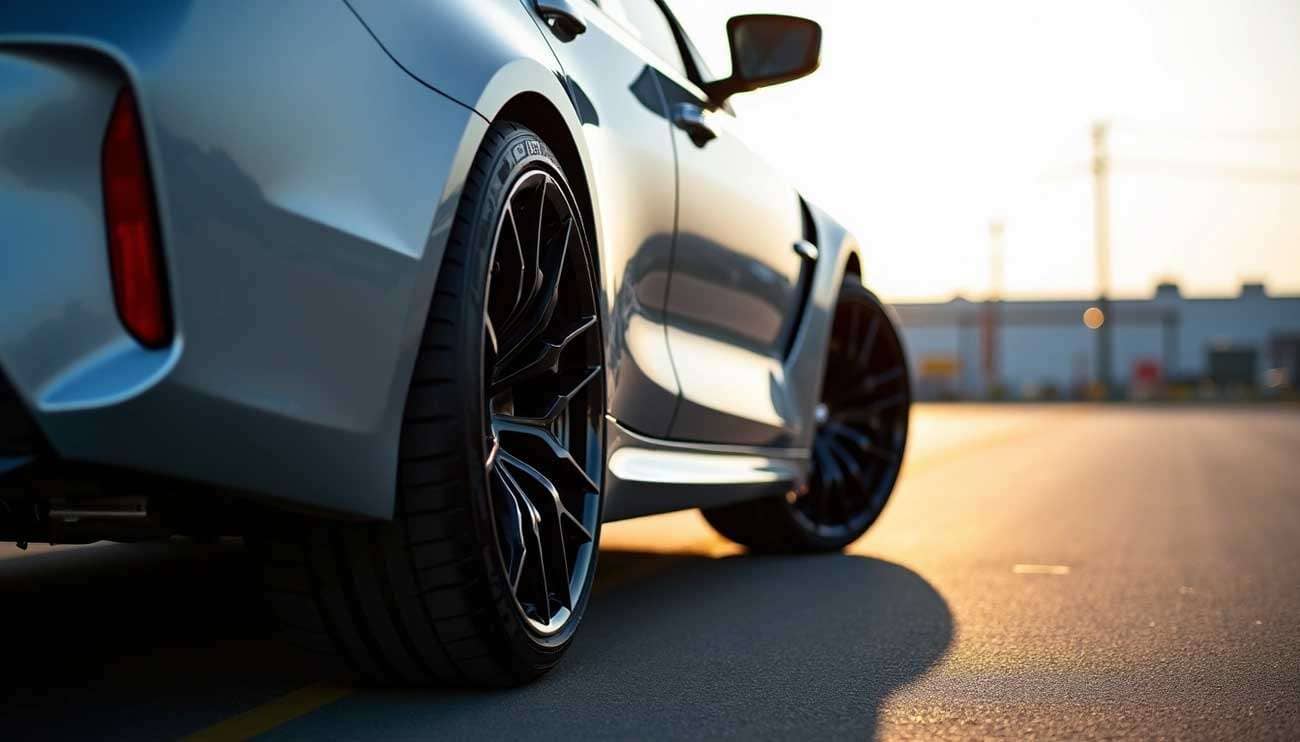
Staggered wheels are a popular choice for sport and performance vehicles, featuring wider rear wheels than front wheels. This setup delivers both serious performance benefits and that aggressive stance that makes heads turn. We see staggered wheels on everything from BMWs and Porsches to Corvettes, and there's a good reason why.
The concept is straightforward - wider tires on the rear axle, narrower ones up front. This isn't just about looks, though the muscular appearance certainly gets attention. Those wider rear tires provide significantly better traction, which means improved handling and acceleration. Performance vehicles have used this arrangement since the 1990s because it works.
Before you invest in staggered wheels for your ride, there are important factors to consider. Most tire manufacturers will reduce the mileage warranty by up to 50% on staggered tire applications. This means higher costs over time, but many enthusiasts find the performance and appearance benefits worth it.
At Performance Plus Tire, we understand that choosing the right wheel setup can transform your vehicle's performance and style. Whether you're looking to upgrade your current setup or need guidance on fitment, our team has the expertise to help you make the right choice. From performance benefits to maintenance considerations, we'll help you understand everything about staggered wheels before you buy.
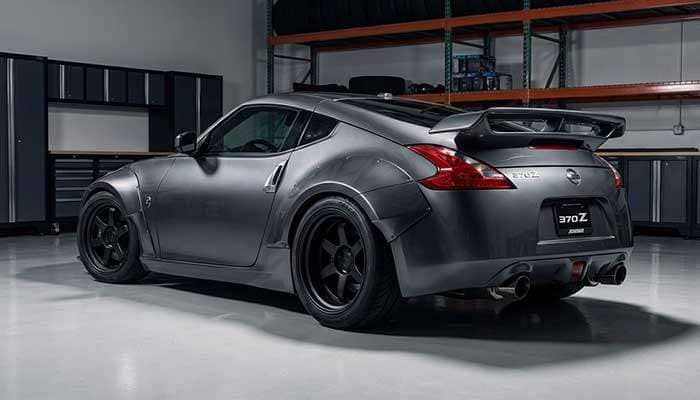
Ever wonder why some sports cars look so planted and aggressive from behind? That distinctive appearance comes from staggered wheel setups, where the rear wheels are wider than the fronts. This configuration is more than just a styling choice - it's engineered performance.
Staggered wheels feature different sized wheels on each axle of your vehicle. The rear wheels and tires are wider than those at the front, while typically maintaining the same diameter. You'll find this setup on rear-wheel drive performance vehicles like Ford Mustangs, BMWs, Mercedes, and Porsches.
The wider rear tires serve a specific purpose beyond looks. When you fit wider tires on the drive axle, you get more available traction and better rear grip - crucial for vehicles with serious horsepower. This extra grip shows up most during hard acceleration and when powering out of corners.
Understanding staggered wheels means knowing how they differ from a "square" setup. Square configurations use identical wheels and tires on all four corners - same diameter, width, offset, and tire specifications. Square setups work well for front-wheel drive and all-wheel drive vehicles.
Here's how they compare:
Square Setup Benefits:
More neutral handling characteristics
Ability to rotate tires for even wear
Simplified tire replacement since all four tires are identical
Staggered Setup Benefits:
Enhanced rear traction for better acceleration
Improved stability during cornering
Aggressive stance that enthusiasts love
Most everyday vehicles come with square setups from the factory, but dedicated performance cars often feature staggered configurations from the manufacturer. This choice reflects both performance engineering and brand styling.
Identifying staggered wheels is straightforward. Check if the rear tires are wider than the front ones. Look at the tire size information printed on the sidewall.
For example, you might see 245/40R18 on front tires and 275/40R18 on rear tires. The first three digits (245 vs. 275) show the tire's width in millimeters. If these numbers differ between front and rear, you have staggered wheels.
Some performance vehicles use "double-staggered" configurations, where rear wheels have both larger width and diameter than fronts. This arrangement serves specific styling goals or accommodates limited tire selection options.
There's also "reverse staggered," where front wheels are actually wider than rears. This unusual setup typically accommodates oversized front brake packages or enhances front-wheel drive drag racing performance.
Most manufacturers choose staggered setups on rear-wheel drive vehicles because wider rear tires improve traction without compromising front-end grip. Drivers get both performance benefits and that distinctive, muscular appearance that makes staggered wheels so popular.
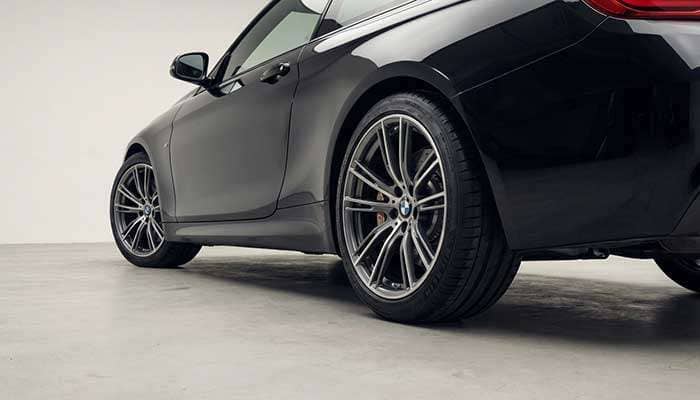
Staggered wheels deliver real performance advantages that go far beyond just looking good. While the aggressive stance certainly turns heads, the functional benefits make this setup the choice for serious performance vehicles. Here's why enthusiasts and manufacturers choose staggered wheels.
Wider rear tires mean more rubber on the road where it counts most. The increased contact patch creates superior grip during acceleration, which is exactly what you need when putting power to the pavement.
For rear-wheel-drive vehicles, this advantage becomes even more significant. The engine sends power to the rear wheels, and those wider tires can handle more of that power without spinning. Less wheel spin means better acceleration and more control when you need it.
The narrower front wheels reduce rolling resistance while still providing plenty of grip for steering and braking. This balance gives you maximum performance without adding unnecessary weight or drag up front.
Staggered wheels change how your vehicle handles corners, and the difference is noticeable. The wider rear track provides better stability during aggressive driving, keeping your car planted through turns.
One of the biggest benefits is reduced understeer - that frustrating condition where the front tires lose grip and the car pushes wide in corners. With more grip at the rear wheels, your vehicle maintains better balance when cornering hard.
This tire size difference creates handling characteristics that let you push through corners with confidence. BMW, Porsche, and other performance car manufacturers use staggered setups specifically to enhance their vehicles' handling dynamics.
The performance benefits are compelling, but let's be honest - staggered wheels look incredible. The wider rear wheels create that muscular, planted appearance that screams performance.
This "fat-rear-tire" look has become iconic in automotive culture. Even front-wheel-drive vehicles sometimes adopt staggered setups purely for the visual impact, despite limited performance gains.
The aggressive stance communicates serious performance potential even when parked. From classic muscle cars to modern sports sedans, this distinctive appearance has lasting appeal among automotive enthusiasts.
Staggered wheels offer the perfect combination of function and form. For vehicles that prioritize rear-wheel traction, cornering ability, and that aggressive look, this setup provides benefits that justify its popularity in performance applications.
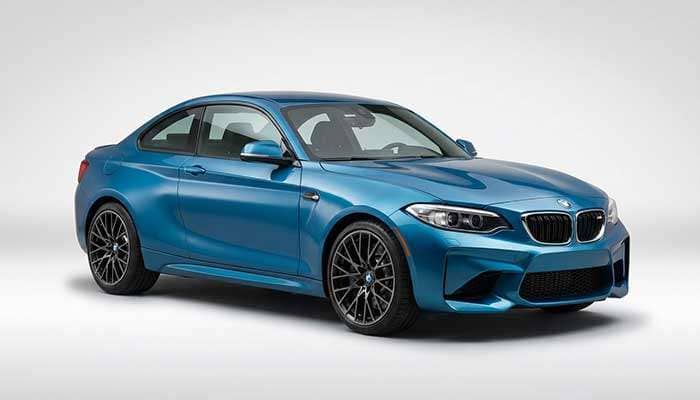
Staggered wheels work best on specific types of vehicles where the performance benefits really shine. We carry staggered wheel setups for all the major vehicle categories that benefit most from this configuration.
Rear-wheel drive sports cars are where staggered wheels truly excel. These vehicles need that extra rear traction to put their power to the pavement effectively. Porsches, Corvettes, and Mustangs come standard with staggered setups for good reason. Nearly every serious RWD sports car uses this configuration, either from the factory or as an upgrade.
The best candidates for staggered wheels include:
BMW M cars (especially the M3/M4 series)
Toyota GR Supra
Dodge Scat Pack models
Nissan Z models
Mercedes-AMG performance vehicles
Corvettes take it even further with "double staggered" setups, where the rear wheels are both wider and larger in diameter than the fronts. This maximizes traction for high-horsepower applications while maintaining that aggressive look.
Performance sedans represent another huge market for staggered wheels. BMW sedans like the M340i, Mercedes-AMG models, and Maserati Ghibli frequently use this setup. The BMW M3 Competition pairs its 503-horsepower inline-6 with staggered wheels to handle all that power.
These sedans benefit because they need to perform double duty - comfortable daily driving with serious performance potential when you want it. The wider rear tires deliver the goods when you're pushing hard but stay out of the way during regular driving.
Many performance vehicles come with staggered wheels right from the factory. Manufacturers engineer these setups specifically for each vehicle's suspension, power delivery, and handling characteristics.
For aftermarket upgrades, companies like Turner Motorsport offer wheel sets designed for specific models. Their BMW E46 M3 setup uses 8.5" front and 9.5" rear widths with no spacers or fender modifications needed.
Factory setups have been extensively tested for your specific vehicle, but quality aftermarket wheels often allow more aggressive fitments and unique styling options while maintaining proper brake clearance.
The key with either factory or aftermarket setups is getting the wheel width, offset, and tire sizing right to avoid rubbing issues. At Performance Plus Tire, our fitment experts can help you choose the right staggered setup for your specific vehicle and driving needs.
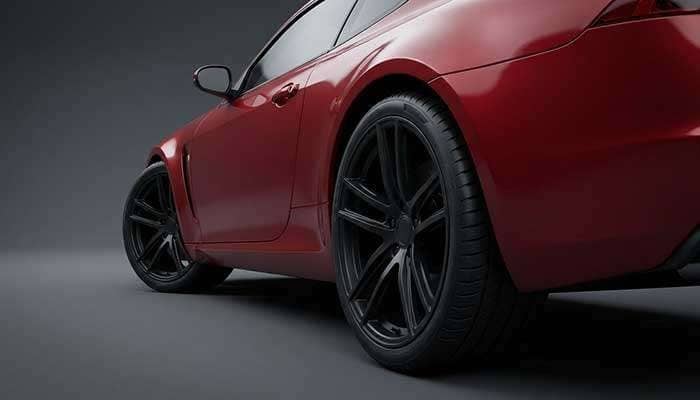
Understanding both the advantages and drawbacks of staggered wheels is essential before making this investment. Here's what you need to know about this popular wheel configuration.
Staggered wheels deliver measurable performance improvements beyond just acceleration gains. Enhanced braking power comes from larger rear wheels that can accommodate bigger brake components, helping high-performance vehicles stop faster. The setup naturally promotes understeer rather than oversteer, creating more predictable handling that most drivers find easier to manage.
The visual impact cannot be overstated. That aggressive stance created by wider rear wheels has become iconic in automotive culture. The muscular, planted appearance turns heads and communicates serious performance intent. For many enthusiasts, this aesthetic appeal alone justifies the investment.
Staggered wheels cost more upfront since you're buying different sizes for front and rear. The long-term expenses prove even more significant:
Replacement tire options become limited and more expensive
Fuel efficiency decreases due to increased rolling resistance
Components experience additional stress, shortening maintenance intervals
The National Highway Traffic Safety Administration (NHTSA) reports that staggered wheels cause faster wear on rear tires due to their larger size and increased load. This uneven wear pattern means more frequent tire replacements compared to square setups.
Traditional front-to-back rotation becomes impossible with staggered setups. You're limited to side-to-side rotation:
Front Left ↔ Front Right
Rear Left ↔ Rear Right
This pattern helps even out wear from cornering loads and alignment differences. Directional tires create even more challenges, often requiring remounting to rotate effectively. Many owners skip rotation entirely and focus on proper alignment and tire pressure maintenance.
The right amount of stagger depends on your vehicle and driving style. A stagger of 2+ inches is aggressive territory, typically reserved for serious performance vehicles like Porsche GT3s and Corvette Z06s. Too little stagger causes push toward the outside wall, while excessive stagger creates a loose, unpredictable condition.
For guidance on selecting the optimal staggered wheel setup for your specific vehicle, the experts at Performance Plus Tire can help you find the right balance between performance enhancement and practical everyday driving needs.
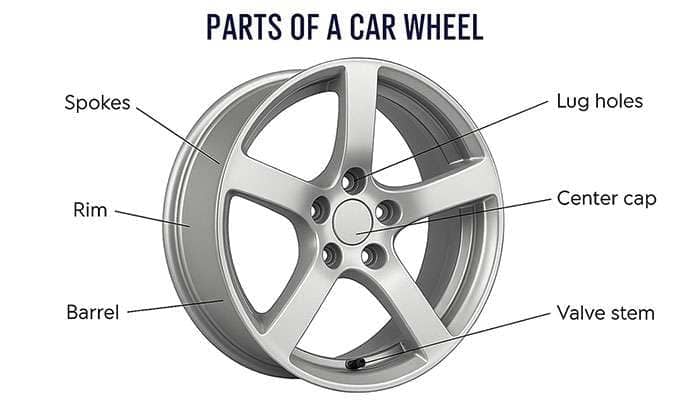
Understanding staggered wheels before making your purchase will save you from costly mistakes and ensure you get the right setup for your vehicle. Here are the essential factors that every buyer should consider.
Staggered wheels come in three main configurations. Traditional staggered setups feature wider wheels and tires on the rear axle, perfect for rear-wheel drive vehicles where you want maximum traction. Reverse staggered puts the wider wheels up front - this works best for front-wheel drive vehicles that need extra grip for acceleration. Double staggered setups use different widths AND diameters between front and rear, commonly found on Corvettes and other high-performance vehicles.
Staggered wheels change how your vehicle behaves on the road. The wider rear track provides better stability during hard cornering but can create some understeer. Narrower front wheels reduce rolling resistance and improve steering response while cutting down on unsprung weight. This combination creates predictable handling that works great for performance driving, though it might feel less forgiving on rough roads.
Here's what many buyers don't expect - most tire manufacturers reduce mileage warranties by up to 50% for staggered applications. You can't rotate tires front-to-back, which significantly affects how long they last. Rear tires typically wear twice as fast as fronts on high-performance rear-wheel-drive vehicles. When shopping for replacement tires, remember that warranty adjustments often exclude alignment and mechanical wear issues.
All-wheel-drive vehicles require extra care with staggered setups. Front and rear tire diameters must stay nearly identical to prevent transfer case damage. Most experts recommend keeping diameter differences below 1% between axles. Factory-equipped staggered AWD vehicles have engineered tolerances for slight variations, but aftermarket modifications require precise calculations to avoid expensive drivetrain repairs.
Check if performance packages were available for your specific model - these give you valuable guidance on appropriate specifications. Many vehicles with factory staggered wheels come with specific engineering considerations built in. For winter driving, consider switching to a square setup regardless of your normal configuration, as staggered setups perform poorly in snow conditions. For personalized guidance on selecting the optimal staggered wheel configuration for your specific vehicle, visit Performance Plus Tire.
Staggered wheels deliver real performance benefits for rear-wheel drive sports cars and performance sedans. The wider rear tires provide better traction, improved acceleration, and that aggressive stance that sets your vehicle apart from the crowd. We've seen how this setup enhances cornering stability and reduces understeer, making it a popular choice for performance enthusiasts.
The trade-offs are important to understand before you buy. You'll face higher upfront costs and ongoing expenses due to faster rear tire wear. Most tire manufacturers cut warranty coverage by up to 50% for staggered applications, and you can't rotate tires front-to-back to even out wear patterns.
Your vehicle type matters significantly when deciding on staggered wheels. Rear-wheel drive performance vehicles benefit most from this configuration, while AWD vehicles need careful consideration to prevent drivetrain damage from diameter differences between axles.
For many enthusiasts, the performance gains and visual impact make the additional costs worthwhile. Better power delivery, enhanced handling, and that muscular appearance justify the investment for drivers who prioritize performance and style.
The choice comes down to your priorities and driving habits. If you value maximum performance and aggressive styling, staggered wheels offer compelling advantages. If you prefer simpler maintenance and lower long-term costs, a square setup might better suit your needs.
At Performance Plus Tire, our experienced team can help you determine the right wheel configuration for your specific vehicle and driving goals. We understand fitment requirements, performance characteristics, and the practical considerations that matter for your investment. Whether you're looking to upgrade your current setup or need guidance on the best approach for your ride, we have the expertise to help you make the right choice.
Understanding staggered wheels is crucial before making this significant investment, as they offer distinct performance benefits but come with important trade-offs that affect long-term ownership costs and maintenance.
• Staggered wheels feature wider rear tires than front, providing better traction and acceleration for rear-wheel drive vehicles while creating an aggressive esthetic stance.
• Performance benefits include enhanced cornering stability, reduced understeer, and improved power delivery, making them ideal for sports cars and performance sedans.
• Major drawbacks include 50% reduced tire warranty coverage, inability to rotate tires front-to-back, and significantly higher replacement costs due to uneven wear patterns.
• AWD vehicles require extreme caution with staggered setups to prevent costly drivetrain damage from diameter differences between front and rear tires.
• Consider your driving priorities carefully—staggered wheels excel for performance enthusiasts but square setups offer better practicality and maintenance simplicity for daily drivers.
The decision ultimately depends on whether you prioritize maximum performance and visual appeal over long-term cost efficiency and maintenance convenience.
Staggered wheels offer improved traction and acceleration, enhanced cornering and handling, and an aggressive esthetic appeal. The wider rear tires provide better grip, especially for rear-wheel drive vehicles, resulting in improved performance and a sportier look.
With staggered wheels, traditional front-to-back tire rotation is not possible. You're limited to side-to-side rotation for non-directional tires. Some owners choose to forgo rotation entirely and focus on maintaining proper alignment and tire pressure instead.
Staggered wheel setups typically lead to faster wear on rear tires due to their larger size and increased load. Most tire manufacturers reduce mileage warranties by up to 50% for staggered applications. This often results in more frequent tire replacements compared to standard setups.
Staggered wheels are most beneficial for rear-wheel drive sports cars and performance sedans. They can enhance performance and esthetics for these vehicle types. However, for all-wheel drive vehicles, extreme caution is needed as significant differences in tire diameters between front and rear can potentially cause drivetrain damage.
Before purchasing staggered wheels, consider your vehicle type, driving habits, and priorities. Factor in the potential impact on handling, tire lifespan, and maintenance costs. Also, research manufacturer recommendations for your specific model and consider whether the performance benefits outweigh the practical considerations for your needs.