
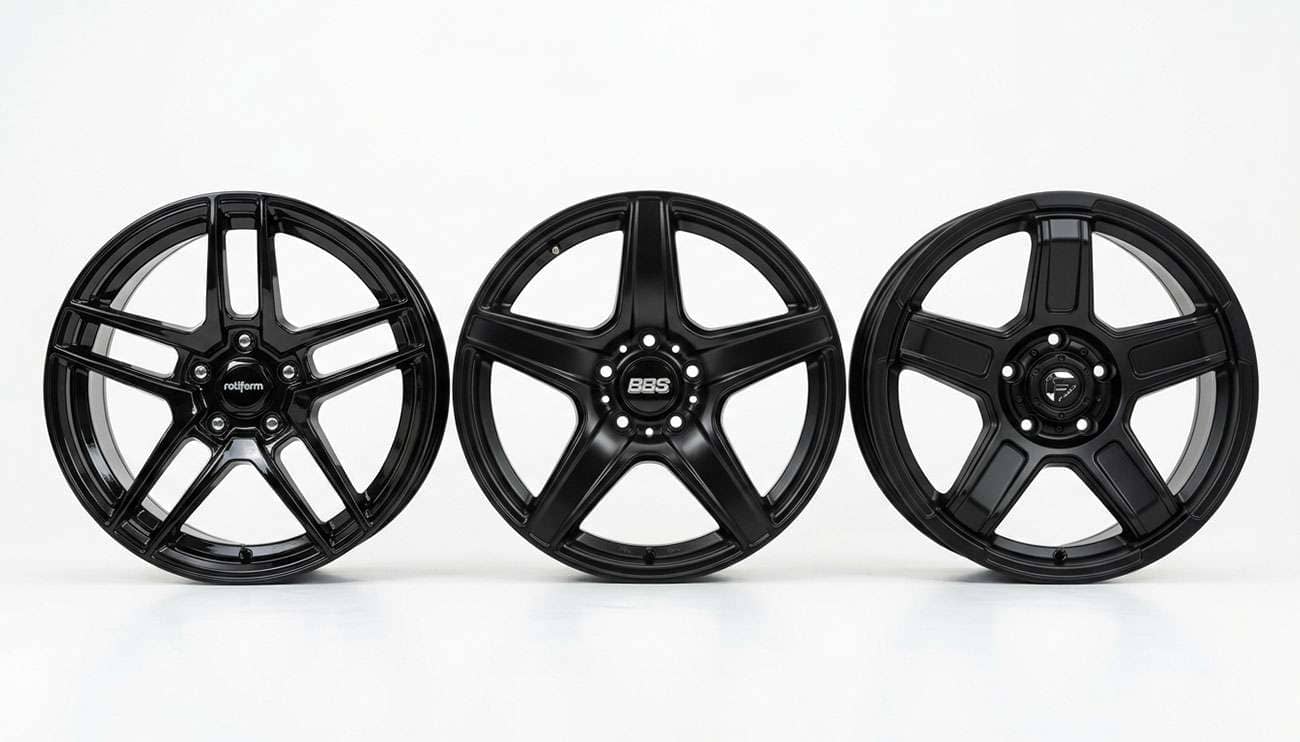
Pull up a page of black wheels and scroll fast, and most of them read as one color: black. But the finish line item next to each one — gloss black, satin black, matte black — is not a marketing flourish. Those three words describe three different surfaces that scratch differently, clean differently, show dirt differently, and hold their value differently over a few years of real driving. I have measured and mounted enough of them to tell you the gap between them is bigger than the photo suggests.
If you are shopping a set and trying to decide, the right answer depends less on which one looks best in a studio shot and more on how you drive, where you park, and how much time you actually want to spend with a wheel brush. Let's break down what separates the three, where each one wins, and how to pick the finish you won't regret.
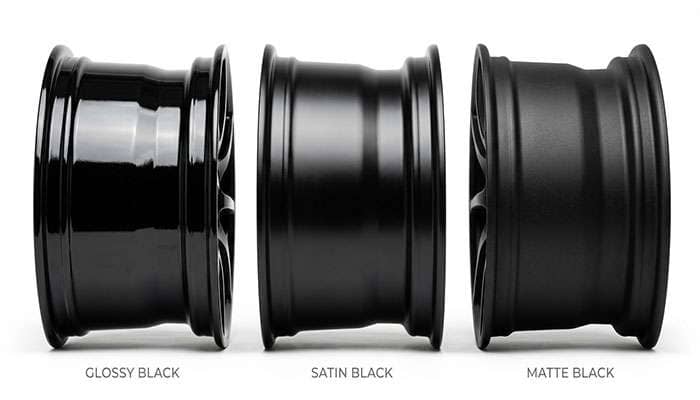
The difference between these finishes comes down to one variable: how much light the clear coat reflects. Every quality powder-coated or painted wheel gets a base color layer followed by a clear top coat. The texture of that top coat is what your eye reads as gloss, satin, or matte.
Gloss black uses a smooth, highly reflective clear coat. Light bounces off it cleanly, so the wheel looks wet, deep, and mirror-like. It is the closest black equivalent to a freshly waxed paint job. Matte black sits at the opposite end: the clear coat is loaded with flattening agents that scatter light instead of reflecting it, producing a dead-flat, non-reflective surface with a stealth, tactical look. Satin black — sometimes labeled semi-gloss — lands in the middle, with a soft, low sheen that is neither mirror nor flat. Think of it as the eggshell of wheel finishes.
That single difference in surface texture drives almost everything else. A smooth gloss surface is easy to wipe clean but shows every scratch because light catches the edge of the damage. A textured matte surface hides minor blemishes because there is no consistent reflection to interrupt — but that same texture grabs and holds contaminants, and it can't be buffed back to life once it's marred. Satin splits the difference on both counts. If you want the deeper background on how coatings are applied and why that matters for longevity, our breakdown of powder coating wheels explained is worth a read before you buy.
Here is where the conventional wisdom gets it half right. People assume matte is the toughest because it hides damage so well, and gloss is the most fragile because every flaw shows. The hiding part is true. The toughness part is more nuanced.
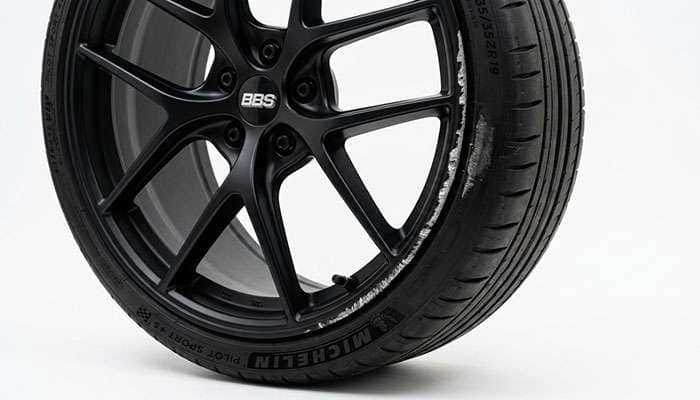
A matte finish is genuinely better at concealing light scuffs, swirl marks, and the haze of daily road grit, because its scattered surface has no mirror to disrupt. A gloss finish, by contrast, advertises every curb kiss and rock chip the moment light hits it at an angle. So in the "looks fine after a year of abuse" category, matte and satin win on appearance.
But there's a catch that matters more than the photos let on: a gloss clear coat can be polished, color-sanded, and buffed back to a clean finish when it picks up a scratch. A matte clear coat cannot. The moment you take a polishing pad or even an aggressive compound to matte, you create a shiny spot that ruins the flat look permanently. So while matte hides the hit better up front, gloss is the only finish you can truly repair at home. Satin is in between — light correction is possible but risky, and it's easy to leave an uneven sheen.
If you run aggressive setups that take real abuse off pavement, finish choice rides alongside construction choice. The way a wheel is built — covered in our guide to cast vs forged vs flow formed wheels — determines how it survives an impact, while the finish only determines how the damage looks afterward. For trail-bound builds specifically, our rundown of black off-road wheels covers why matte dominates that segment.
Brake dust is the daily reality of owning any wheel, and the finish you pick changes how visible it is between washes. Brake dust is fine, dark, and clings to the wheel face. On a gloss black wheel, the dust sits on a reflective surface, so it dulls the shine and reads as a gray film that's obvious the second the sun hits it. You'll notice it fast, but you'll also wipe it off fast.
On matte black, the dust blends into the flat, dark surface far better — the wheel can carry a surprising amount of grime before it looks dirty. That's the upside. The downside is that the textured surface actually holds onto that dust and road film more tenaciously, so when you do clean, the contamination has worked deeper into the finish. Satin again lands in the middle: it disguises dust better than gloss but releases it more easily than matte.
The practical takeaway is about your tolerance, not the color. If you want a wheel that looks clean longer between washes, matte or satin buys you that breathing room. If you want a wheel that cleans up to perfect in five minutes with a wash mitt, gloss is your friend. Black wheels in general carry a few ownership trade-offs worth understanding, and our honest look at the benefits of using black rims lays them out before you commit.
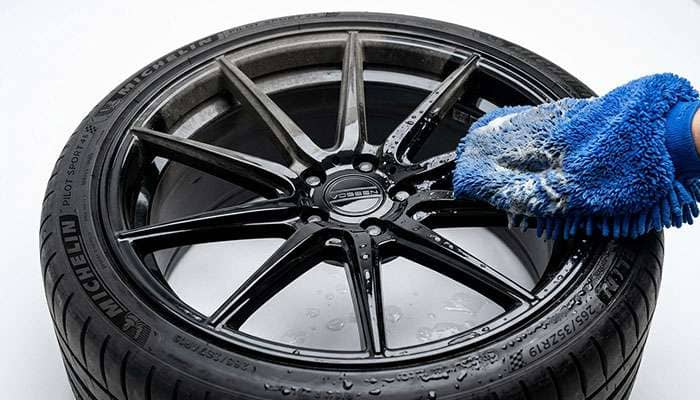
This is the section that should drive your decision more than aesthetics, because the maintenance rules for each finish are genuinely different — and breaking them is how people ruin an expensive set.
Gloss black is the most forgiving. You can use standard pH-balanced wheel cleaners, clay it to pull embedded contaminants, polish out light scratches, and apply a ceramic coating or sealant to make future washes easier. It behaves like painted body work, so anything safe for your car's clear coat is generally safe here.
Matte black plays by stricter rules. You cannot polish it, you cannot clay it aggressively, and you should never use a cleaner that leaves a glossy residue or a tire dressing that slings onto the face — those create permanent shiny spots. Matte demands a dedicated matte-safe cleaner, gentle agitation, and prompt drying so water spots and chemicals don't stain the porous surface. Satin sits closer to matte on the caution scale: skip the polish, use finish-safe products, and don't let anything dry on it.
Because the cleaning method changes so much from one finish to the next, we keep a dedicated, finish-by-finish walkthrough rather than cram it in here — see how to clean aftermarket wheels by finish for the exact products and steps for each surface. The short version: gloss tolerates mistakes, matte and satin do not.
When it comes time to refresh or sell, the finishes diverge again. A scratched or curbed gloss wheel can often be touched up or fully refinished to look new, and a good refinisher can match gloss black reliably because the surface is uniform. That repairability protects resale value — a clean, glossy set photographs well and sells fast.
Matte is the harder case. A damaged matte wheel almost always needs a complete strip and re-coat rather than a spot repair, because you can't blend a patch into a flat surface without it showing. That makes matte repairs more expensive and refinishers less willing to guarantee a perfect match. Resale-wise, a matte set in good shape still commands strong interest in the right market — trucks, SUVs, and stealth builds — but a marred matte set is a tougher sell than a marred gloss set you can simply polish.
This repairability gap is the same reason finish lifespan comes up so often in finish comparisons across the board. Our test-driven look at chrome vs polished wheels and which finish lasts longer covers the same durability-versus-repairability tension on the brighter end of the spectrum, and the logic carries straight over to black.
With the technical differences clear, the choice gets practical. Match the finish to your vehicle's color and your real-world habits, not to a single beauty shot.
Gloss black is the most versatile across body colors. It pops hardest against white, silver, red, and bright paint, where the wet-look depth creates strong contrast. It also reads as the most "premium" on luxury sedans, coupes, and show-oriented builds. Pick it if you wash regularly, park in a garage, and want a finish you can keep flawless and repair when needed.
Matte black is the stealth, aggressive choice and looks strongest on trucks, SUVs, off-road rigs, and blacked-out builds. It disappears into dark body colors for a monochrome look and stands out boldly against light paint. Pick it if you want a low-shine, modern look, you drive in conditions that scuff wheels, and you're disciplined about using only matte-safe products. The popularity of low-sheen factory finishes mirrors what's happening with other muted colors — the same trend that explains why bronze wheels are so popular right now.
Satin black is the compromise pick, and it's the one I steer a lot of daily-driver owners toward. It gives you most of the stealth of matte with more cleaning forgiveness, and it photographs better than flat matte while hiding more grime than gloss. Pick it if you can't decide, drive daily, and want the widest margin for error.
Feature |
Gloss Black |
Satin Black |
Matte Black |
|---|---|---|---|
Look |
Wet, mirror-like, premium |
Soft low sheen, modern |
Flat, stealth, aggressive |
Hides scratches/dirt |
Poor — shows everything |
Good |
Best |
Can be polished/repaired |
Yes — fully |
Limited, risky |
No — needs re-coat |
Cleaning ease |
Easiest, any safe cleaner |
Finish-safe products only |
Matte-safe products only |
Best for |
Show cars, light paint, garage keepers |
Daily drivers, the undecided |
Trucks, off-road, blacked-out builds |
Whichever way you lean, you'll find every one of these finishes across our full range of black custom wheels — from gloss and satin tuner sets like the Katana Racing KR series to matte off-road designs from Lock Off-Road and premium satin builds from ADV.1. Use the wheel visualizer to preview the finish on your specific vehicle before you commit.
There is no single best black finish — there's the one that fits how you live with your car. Gloss black gives you depth and repairability at the cost of showing every flaw and demanding regular washes. Matte black gives you stealth and grime-hiding at the cost of strict maintenance rules and no easy repairs. Satin black splits the difference and forgives the most mistakes. Decide based on your parking, your washing habits, and your tolerance for wheel care, and you'll pick a finish you're still happy with three years from now.
Yes. Matte black's flat, non-reflective surface blends with dark brake dust, so the wheel looks clean longer between washes. The trade-off is that the textured surface holds onto that dust more tenaciously, so it takes more care to remove when you do clean.
No. Polishing a matte finish creates a permanent shiny spot that ruins the flat look. Matte and satin scratches typically require a full strip and re-coat, whereas gloss black can be polished or color-sanded back to a clean finish at home.
Gloss black is the easiest to maintain because it tolerates standard pH-balanced wheel cleaners, claying, polishing, and ceramic coatings. Matte and satin require dedicated finish-safe products and prompt drying, and you must avoid anything that leaves a glossy residue.
Not quite. Satin black has a soft, low sheen — sometimes called semi-gloss — that sits between flat matte and reflective gloss. It hides grime better than gloss while cleaning up more easily than true matte, which is why it's a popular compromise for daily drivers.
Gloss black generally protects resale value best because it can be repaired and refinished to look new, and it's easy to color-match. A matte set in good condition sells well in truck and stealth-build markets, but a damaged matte set is harder to sell since it needs a full re-coat rather than a spot repair.



