
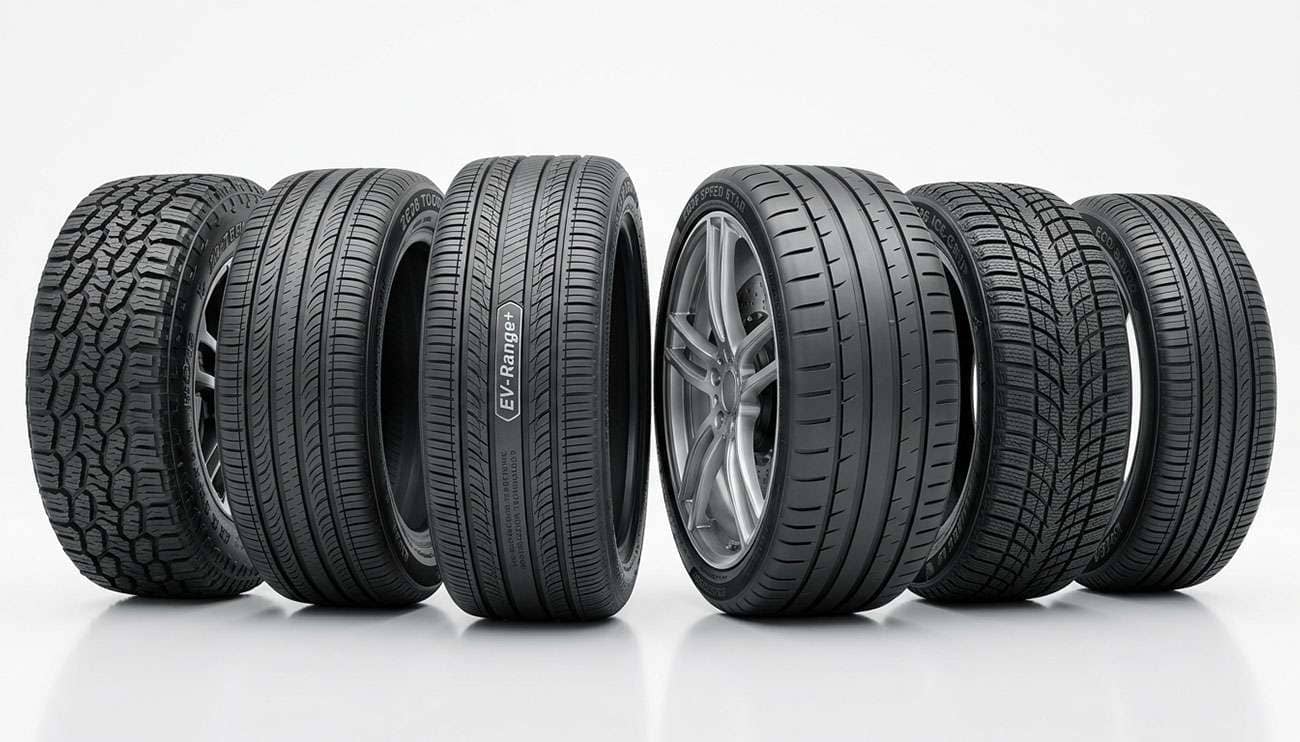
Every year the team at Performance Plus Tire tracks where the tire industry is heading, and 2026 is one of the more interesting years I have watched in a while. The global tire market now sits somewhere north of 187 billion dollars, and the pressure driving product design is not styling anymore. It is physics: heavier electric vehicles, tighter efficiency rules, quieter cabins, and buyers who want one tire to cover more of the calendar. I am Dennis Feldman, and this is our Tire Edition of the 2026 trends series. Here are the seven developments that will actually change what goes on your car this year, with the data behind them and the tires we stock that already reflect the shift. If you followed our Custom Wheel Edition, this is the rubber-side companion.
Trend |
Where It Stands in 2026 |
What It Means for You |
|---|---|---|
EV-specific tires |
Standard on new EVs, growing aftermarket |
Match load and rolling resistance to protect range |
Quiet / acoustic tires |
Spreading from EVs to premium touring |
Foam liners cut cabin noise on rough pavement |
Sustainable materials |
Rising renewable and recycled content |
Greener tires with no performance penalty |
Smart sensor tires |
Early, mostly fleets and premium OE |
Real-time pressure, temperature, and wear data ahead |
Airless tires |
Limited launch, niche and low-speed |
Puncture-proof, but not a mainstream option yet |
Larger diameters |
OE sizes keep climbing, sidewalls shrink |
Plus-size fitment and load ratings matter more |
R/T and all-weather |
Fastest-growing consumer categories |
One tire covering more of the year and terrain |
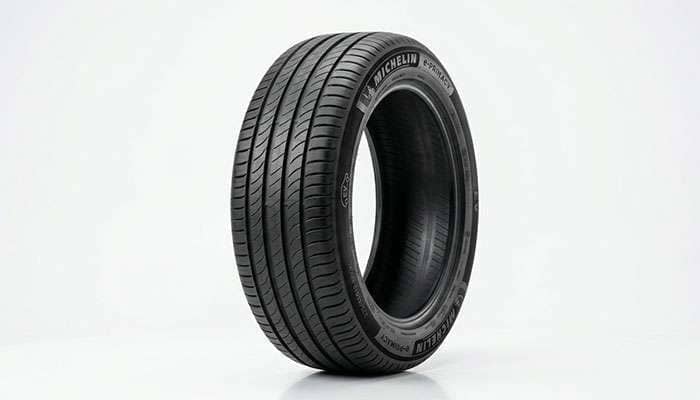
Three years ago an EV tire was a marketing label. In 2026 it is an engineering requirement. Electric vehicles carry battery packs that add several hundred pounds, they deliver instant torque that chews through tread, and their advertised range lives or dies on rolling resistance. The result is a purpose-built tire class with higher load ratings, reinforced sidewalls, low-rolling-resistance compounds, and noise-canceling foam. Analysts put the EV tire market on a path toward roughly 93 billion dollars by the end of the decade, and the reason is simple: automakers now lock in tire specifications during vehicle design because the tire directly sets the range number on the window sticker.
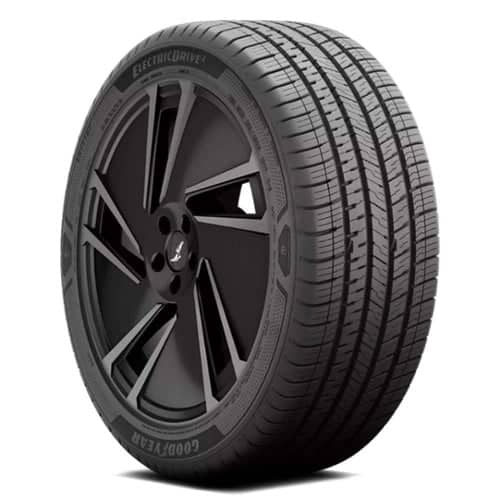
The catch for owners is wear. Because of the weight and torque, EV tires can wear noticeably faster than the same-size tire on a comparable gas car, which is why matching the correct load index and construction on replacement is not optional. When a customer brings in a Tesla, a Mustang Mach-E, or an Ioniq, we fit tires built for the job: the Goodyear ElectricDrive 2 around 357 dollars, the Hankook Ion Evo AS near 322 dollars, or the more affordable Bridgestone Turanza EV around 222 dollars. If you want the full engineering breakdown, we cover it in why EV tires are different.
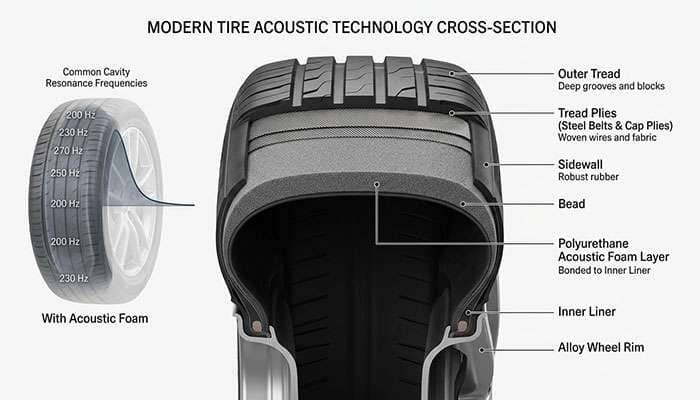
Take the engine noise out of a car and you suddenly hear the tires. That is exactly what happened with EVs, and it pushed acoustic tire technology into the mainstream faster than anyone expected. The fix is a layer of polyurethane foam bonded to the inner liner that absorbs the air-cavity resonance responsible for that droning hum on coarse pavement. Manufacturers report meaningful cabin-noise reductions, and one recent EV tire co-development program was benchmarked to cut noise while adding about five percent of range at the same time.
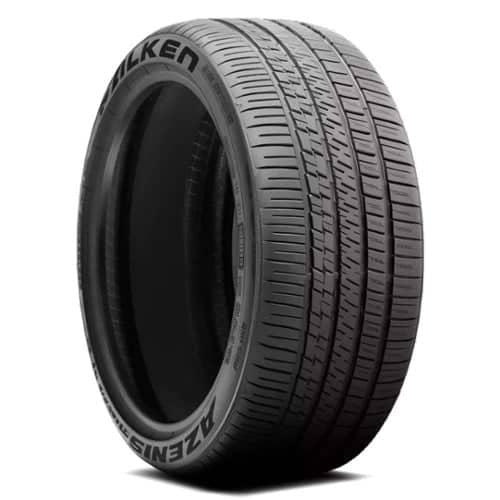
Here is the trend worth noticing: foam liners are no longer an EV-only feature. They are spreading into premium touring and performance tires because every driver appreciates a quieter highway. We stock options like the Falken Azenis FK460 A/S Silent Core around 227 dollars, which puts the foam-liner treatment on a genuine ultra-high-performance all-season. For the science behind how these liners work, see our guide to foam-lined quiet tires.
A modern tire is roughly a couple dozen raw materials, and for over a century most of them came from petroleum and imported natural rubber. That is changing under real regulatory and cost pressure. Continental has publicly targeted 40 percent renewable and recycled content by 2030, and Michelin has shown prototype tires already past 40 percent sustainable materials. The sourcing is genuinely creative: bio-based rubber from guayule and dandelion, recovered carbon black reclaimed from end-of-life tires, silica made from rice husk ash, and recycled polyester from plastic bottles.
For a buyer, the important part is that none of this requires giving up performance. The newest sustainable compounds meet the same wet-grip, rolling-resistance, and treadwear targets as conventional rubber, which is why the major brands are folding recycled content into mainstream lines rather than selling it as a niche eco product. Expect the renewable percentage printed on spec sheets to climb every model year from here, and expect closed-loop recycling of worn tires to become a standard part of how the industry manages material.
Tire pressure monitoring has been mandatory for years, but that system only watches pressure. The next step is the smart tire, with a sensor bonded inside the casing that reports pressure, temperature, load, and even tread depth in real time. The smart tire market is still small in dollar terms, on the order of several billion and climbing, but the direction is clear because connected and autonomous fleets treat the tire as a data source, not just a consumable. European safety regulation is accelerating adoption on the OE side.
For now this technology lives mostly in commercial fleets and premium factory fitments rather than the replacement aisle, so it is a trend to understand rather than one you will buy off our shelf this week. If you want to see where sensor tires, self-healing compounds, and connected monitoring are heading, we go deep in futuristic tires and smart materials. The practical takeaway: the tire is becoming an active part of the vehicle's electronics, and that raises the value of correct fitment and calibration.
The airless tire, or non-pneumatic tire, is the trend everyone asks about. The pitch is compelling: a structure of flexible spokes replaces air, so a puncture cannot flatten it and you never check pressure again. It matters because roughly one in five tires is pulled from service early due to a puncture or sidewall damage, which adds up to hundreds of millions of tires a year that never reach their tread limit. Michelin took a real step in 2025 by launching its UPTIS airless design on select passenger vehicles in Europe, and Goodyear continues to develop its own non-pneumatic architecture.
Temper the excitement with engineering reality. Airless designs still face challenges with high-speed heat buildup, ride harshness, and cost, so for now they make the most sense in low-speed, autonomous, and industrial applications rather than your daily commuter. I do not expect airless tires in most driveways for years, but the technology has moved from concept to limited production, which is a genuine milestone. When they are ready for the street, we will be fitting them.
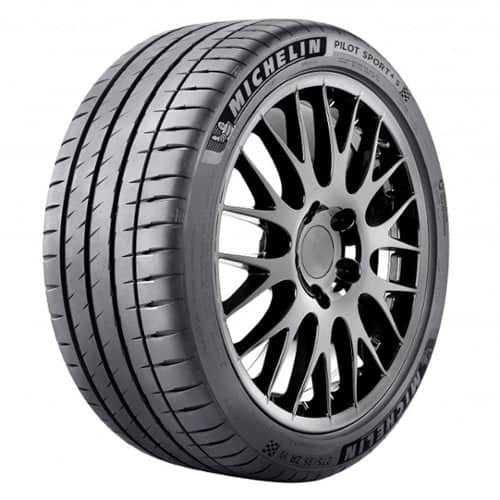
Look at what rolls off the assembly line and the trend is unmistakable: original-equipment wheel diameters keep growing, and tire sidewalls keep shrinking. What used to be a 17 or 18 inch fitment is now routinely 19, 20, or larger, with lower-profile tires to match. That is driven partly by styling and partly by handling, because a shorter, stiffer sidewall improves steering response and lets engineers fit bigger brakes underneath. The ultra-high-performance and performance all-season categories have grown right along with it.
The trade-off is that low-profile tires are less forgiving of potholes and demand precise load and speed ratings, so plus-sizing correctly is more important than ever. When drivers want that modern performance fitment we reach for tires like the Michelin Pilot Sport 4S or the Pirelli P Zero PZ4, both engineered for large diameters and short sidewalls. If wet grip is the priority in this class, our team's tested picks are in the best tires for wet roads.
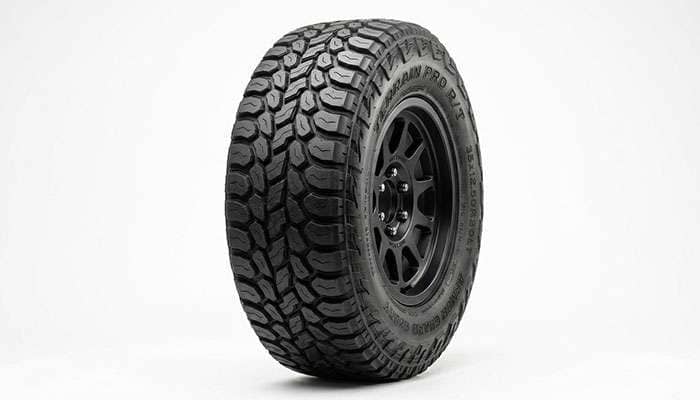
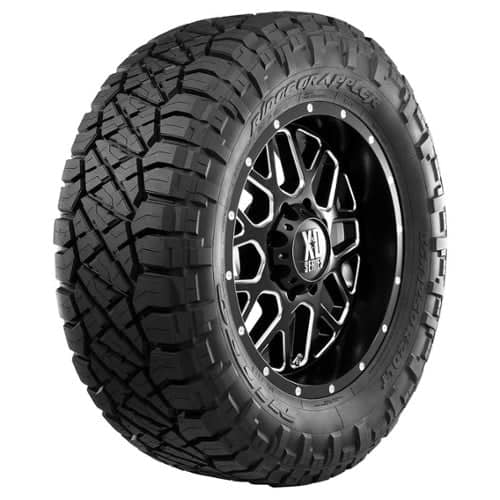
Two consumer categories are growing faster than anything else on the tire wall, and both exist because drivers want one tire to do more. The first is the rugged-terrain, or R/T, class, a hybrid that splits the difference between an all-terrain and a mud-terrain. It gives a truck or overlanding build the aggressive sidewall look and off-road bite of an M/T with far less road noise, which is exactly what the booming truck and adventure market is after. Popular examples we stock include the Nitto Ridge Grappler around 229 dollars and the Falken Wildpeak R/T01 near 322 dollars.
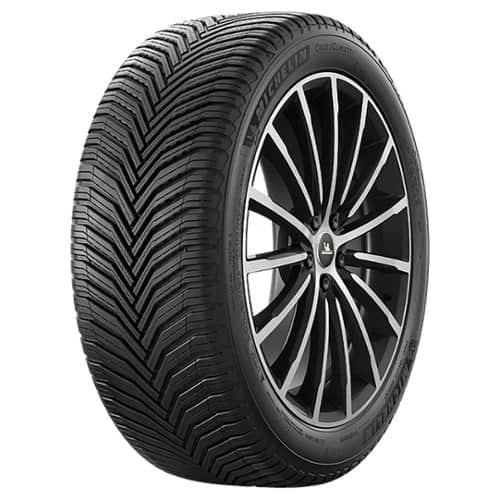
The second is the all-weather tire, which carries the three-peak mountain snowflake severe-snow rating yet still works all summer, so one set covers most of the year in regions that see real winter but not brutal cold. The Michelin CrossClimate 2 around 273 dollars and the Goodyear Assurance WeatherReady 2 near 221 dollars lead this category. To understand what that snowflake symbol actually certifies, read the snowflake tire symbol guide, and if you split time between pavement and trail, our take on daily driving on off-road tires is worth a look.
EV tires are now a distinct engineering class. Heavier vehicles and instant torque demand higher load ratings, low rolling resistance, and reinforced construction. Match the spec on replacement to protect range and tread life.
Quiet tech is going mainstream. Foam-lined acoustic tires started on EVs and are spreading into premium touring and performance lines because every driver wants a quieter cabin.
Sustainable materials are climbing with no performance penalty. Renewable and recycled content is being folded into mainstream tires, with major brands targeting 40 percent by 2030.
Smart and airless tech are real but early. Sensor tires live mostly in fleets and premium OE, and airless designs are in limited launch for niche uses. Understand them now; you will buy them later.
Fitment keeps growing, and categories keep merging. Diameters rise and sidewalls shrink, while R/T and all-weather tires surge because drivers want one tire to cover more of the year and terrain.
EV-specific tires are the biggest shift. As electric vehicles become mainstream, tires engineered for their weight, torque, and range requirements have moved from a marketing label to a genuine engineering class, with the EV tire market on a path toward roughly 93 billion dollars by the end of the decade. Matching load rating and rolling resistance on replacement is now essential.
Yes. The added battery weight and instant electric torque put more stress on the tread, so EV tires can wear noticeably faster than the same size on a comparable gas car. Purpose-built EV tires use tougher compounds and reinforced construction to offset this, which is why fitting the correct EV-rated tire on replacement matters for both range and tread life.
A layer of polyurethane foam is bonded to the inside of the tire to absorb the air-cavity resonance that creates the low droning noise you hear on rough pavement. The result is a measurably quieter cabin. The technology started on EVs, where road noise is more noticeable, and is now spreading into premium touring and performance tires.
Only in limited form. Michelin launched its UPTIS airless design on select passenger vehicles in Europe in 2025, and Goodyear continues to develop its own version, but airless tires still face challenges with high-speed heat, ride comfort, and cost. For now they make the most sense in low-speed, autonomous, and industrial uses rather than the typical daily driver.
A rugged-terrain tire is a hybrid that sits between an all-terrain and a mud-terrain. It delivers an aggressive look and strong off-road traction with far less road noise and better on-road manners than a full mud-terrain. That balance is why R/T tires like the Nitto Ridge Grappler and Falken Wildpeak R/T01 are one of the fastest-growing categories for trucks and overlanding builds.
Yes. Modern sustainable tires use renewable and recycled materials such as bio-based rubber, recovered carbon black, and rice-husk silica while still meeting the same wet-grip, rolling-resistance, and treadwear targets as conventional tires. Because there is no performance penalty, major brands are building recycled content into mainstream lines rather than selling it as a separate eco product.
Trends are useful, but the right tire always comes down to your specific vehicle, driving, and budget. Browse the full range and let our fitment team confirm the details at Performance Plus Tire.



