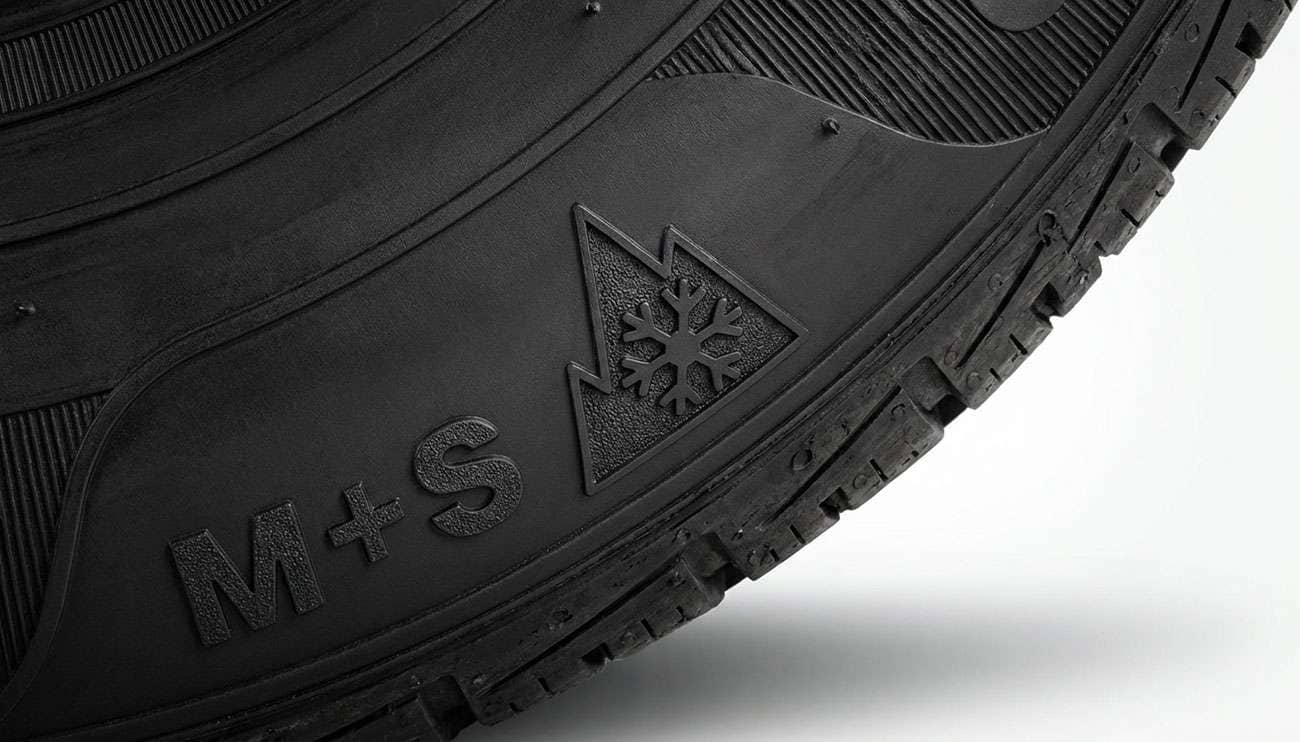
The snowflake tire symbol, officially known as the Three-Peak Mountain Snowflake (3PMSF), is a certification mark that tells you a tire has passed rigorous performance tests for winter driving conditions. You'll find this symbol on the tire's sidewall as a pictograph showing a snowflake inside a three-peaked mountain outline. The U.S. Tire Manufacturers Association (USTMA) and the Rubber Association of Canada (RAC), now called the Tire and Rubber Association of Canada (TRAC), created this standardized marking back in 1999.
This symbol represents something completely different from the "M+S" (Mud and Snow) marking you might see on other tires. While M+S marking is based only on tread pattern design with no actual performance requirements, the snowflake symbol means the tire has proven itself in real testing. Tires with this symbol have achieved a traction index of at least 110% compared to a reference tire rated at 100 during standardized snow tests. For 16-inch reference tires, that threshold jumps to 112%.
The testing follows the American Society for Testing and Materials (ASTM) F1805 protocol, which measures how well a tire accelerates on medium-packed snow. The test doesn't check braking, cornering, or ice performance - just straight-line acceleration traction. This focused approach helps you identify tires built for serious winter conditions.
All dedicated winter tires carry the 3PMSF symbol, but you'll also find it on certain all-terrain, all-weather, and some all-season tires that meet the traction requirements. More manufacturers are producing all-season and all-terrain tires that qualify for this severe snow service rating.
Tires bearing the snowflake symbol use specialized rubber compounds that stay flexible when temperatures drop below 40°F (4°C), unlike standard tires that get hard and lose grip in cold weather. These tires also feature heavy siping - small cuts in the tread blocks that create additional biting edges for better traction on snow and ice.
Several Canadian provinces and U.S. mountain states require vehicles to use tires with this certification during winter months. The symbol was specifically designed to help drivers identify tires that deliver enhanced snow traction beyond what regular tires can provide.
While tires with the 3PMSF marking generally outperform standard all-season tires in winter conditions, the certification alone doesn't guarantee optimal performance in every winter scenario. The symbol primarily indicates the tire meets minimum traction standards on medium-packed snow, which is just one part of winter driving challenges.
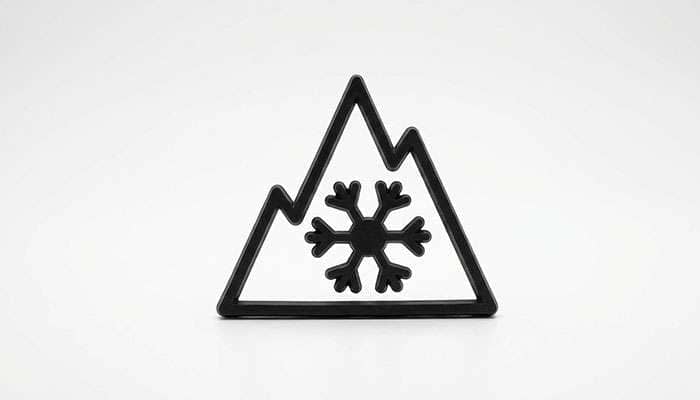
The snowflake tire symbol isn't just handed out to any tire that looks winter-ready. Earning this certification requires passing rigorous testing that proves real-world winter performance. Here's exactly how tires qualify for this important designation.
The certification process centers on the ASTM F1805 test method, which measures how well tires grip snow-covered roads. This standardized procedure uses a specially equipped four-wheel rear-wheel drive test vehicle with instruments that measure the exact forces acting on a single test tire. The test focuses specifically on acceleration traction - how well you can get moving on snowy surfaces - but doesn't measure braking distances or cornering ability. Think of it as determining whether your tires can get you unstuck and moving when winter hits.
To earn the Three-Peak Mountain Snowflake symbol, a tire must outperform the industry standard by at least 10%. Specifically, tires must achieve a traction index of 110 or higher for 14-inch reference tires, or 112 for 16-inch reference tires, compared to the baseline reference tire rated at 100. This performance gap ensures certified tires deliver noticeably better snow traction than standard options.
The certification testing takes place exclusively on medium-packed snow under controlled conditions. During testing, the tire gets mounted to a weighted trailer that simulates real vehicle weight and traction demands, then tested on this carefully prepared snow surface. While this controlled environment ensures consistent testing standards, it represents just one of many winter driving challenges you might face.
The U.S. Tire Manufacturers Association (USTMA) and the Rubber Association of Canada (now TRAC) established this performance standard in 1999. These organizations, along with European Union regulatory bodies, oversee the entire certification process. Their oversight ensures testing remains consistent and reliable across different manufacturers and markets. As tire technology advances, these authorities continuously update standards to maintain the symbol's credibility.
Understanding this certification process helps you recognize why the snowflake symbol carries more weight than simple tread pattern markings - it represents proven winter performance you can count on.
Understanding where and when 3PMSF tires are legally required is important for both safety and compliance. Legal requirements for tires bearing the snowflake tire symbol vary significantly by region, with regulations typically reflecting local weather patterns and road safety concerns.
Mountain regions in several U.S. states enforce strict traction laws requiring vehicles to use 3PMSF tires or equivalent traction devices. Utah's Big and Little Cottonwood Canyons require two-wheel drive vehicles to have tires with the Three Peak Mountain Snowflake symbol on all four wheels. Colorado, Oregon, and California mandate either chains or traction-rated tires when road signage indicates hazardous conditions. These requirements remain active from October through April, helping prevent accidents on snow-covered mountain roads.
Quebec stands as the only Canadian province with mandatory province-wide winter tire regulations. The province requires 3PMSF-certified tires from December 1 to March 15 annually. British Columbia enforces winter tire requirements on designated highways from October 1 through April 30. The effectiveness of these regulations is clear—Quebec saw a 19% decrease in winter collisions after implementing updated standards.
Commercial vehicles face stricter regulations in many jurisdictions. Utah classifies traction requirements differently based on vehicle weight, with vehicles over 12,000 GVW following Class I Traction Segment rules. These enhanced requirements reflect the greater stopping distances and control challenges faced by heavier commercial vehicles in winter conditions.
Road signage typically indicates when and where traction laws are in effect. Drivers who fail to comply may face fines or be denied road access entirely. Authorities can implement these requirements 24 hours before expected storms, giving drivers time to prepare but ensuring roads remain accessible for emergency vehicles and properly equipped traffic.
Tires with the snowflake symbol deliver superior winter performance across various challenging conditions. These tires consistently outperform standard all-season options when the weather turns harsh.
3PMSF-certified tires provide exceptional grip on snow-covered and icy surfaces. These tires reduce stopping distances by approximately 30% in snowy conditions compared to standard all-season alternatives. Winter tires with the snowflake symbol maintain solid grip even on packed snow or icy roads. Their deeper tread patterns feature specialized biting edges that dig into snow for better control and shorter braking distances.
When dealing with slush or freezing rain, 3PMSF tires excel at water dispersal and maintaining road contact. Their advanced tread designs efficiently channel away slush and water, significantly reducing hydroplaning risk. This becomes crucial since standard tires lose effectiveness in these wet, cold conditions. The deeper grooves and specialized siping patterns help maintain consistent contact with the road surface despite challenging precipitation.
On dry but frozen pavement, 3PMSF tires remain flexible and effective. Standard all-season tires begin losing grip at temperatures below 45°F (7°C), but 3PMSF-rated tires use specialized rubber compounds that stay pliable in freezing weather. This flexibility maintains optimal traction and grip even when temperatures drop significantly.
For trucks engaged in winter towing, 3PMSF-rated tires provide enhanced stability and control. These tires help ensure towing safety by delivering dependable traction while maintaining balance on slippery surfaces. Off-road performance varies among 3PMSF options, with certain all-terrain variants offering better snow grip while preserving year-round capability.
Despite both carrying the snowflake symbol, dedicated winter tires outperform all-weather variants in severe conditions. All-weather tires with 3PMSF certification provide improved snow traction compared to standard all-season tires but cannot match dedicated winter tires in extreme environments. Winter tires deliver superior braking power, enhanced control, and optimal performance in temperatures below 46°F.
Understanding the snowflake tire symbol can help you make informed decisions about winter driving safety and legal compliance.
• The Three-Peak Mountain Snowflake (3PMSF) symbol certifies tires have passed rigorous snow traction tests, achieving at least 110% better performance than standard reference tires.
• Many U.S. mountain passes and Canadian provinces legally require 3PMSF tires during winter months, with Quebec mandating them province-wide from December to March.
• 3PMSF tires reduce stopping distances by approximately 30% in snowy conditions and maintain flexibility in freezing temperatures below 45°F.
• While all winter tires carry the snowflake symbol, some all-season and all-terrain tires also qualify, though dedicated winter tires still outperform in severe conditions.
The snowflake symbol represents a performance-based standard that goes beyond simple tread pattern markings, providing drivers with a reliable indicator of enhanced winter traction capabilities.
The snowflake tire symbol, officially known as the Three-Peak Mountain Snowflake (3PMSF), indicates that a tire has passed specific performance tests for winter driving conditions. It certifies that the tire provides superior snow traction compared to standard tires.
It's not recommended to use winter tires with the snowflake symbol year-round. These tires are designed with special rubber compounds that perform best in cold temperatures below 45°F (7°C). Using them in warm weather can lead to faster wear and reduced performance.
3PMSF tires are often required in regions with severe winter conditions. For example, they're mandatory in Quebec from December to March, and on many mountain passes in the western United States during winter months. Some Canadian provinces and U.S. states have specific regulations for commercial vehicles as well.
3PMSF tires generally outperform standard all-season tires in winter conditions. They provide better traction on snow and ice, reduce stopping distances by about 30% in snowy conditions, and maintain flexibility in freezing temperatures. They also perform well in slush and on dry, frozen asphalt.
While M+S (Mud and Snow) marking is based solely on tread pattern geometry, the 3PMSF symbol represents a performance-based standard. Tires with the 3PMSF symbol have demonstrated superior snow traction in standardized testing, providing at least 10% better performance than a reference tire in snowy conditions.