Looking for last year's guide? See our 2025 EV tire guide.
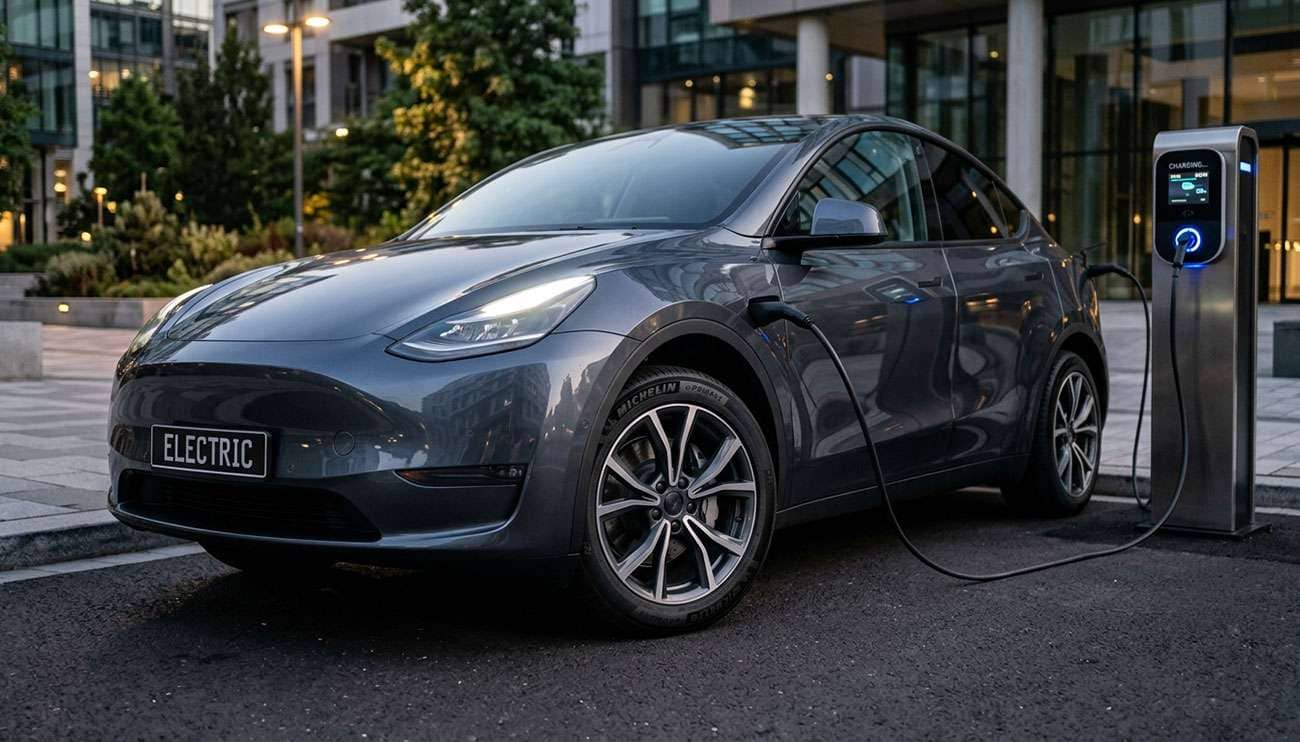
Electric vehicles create engineering challenges for tires that standard rubber wasn't designed to handle. The Tesla Model 3 weighs approximately 4,034 pounds — a thousand pounds heavier than a comparably-sized Toyota Corolla at 3,000 pounds. The Ford F-150 Lightning weighs up to 6,500 pounds versus the gasoline F-150 at approximately 5,000 pounds. The Hyundai Kona Electric weighs 3,758 pounds versus the gas Kona at 3,053 pounds. Across the EV market, the pattern is consistent: electric vehicles run 20-30% heavier than equivalent internal combustion vehicles due to the battery pack mass that simply doesn't exist in gasoline cars.
Weight alone doesn't tell the whole story. Electric motors deliver peak torque the moment you press the accelerator — instant torque physics that produces stress patterns on tire contact patches that gasoline engines (which need to spool up to generate similar power) don't create. Independent testing shows standard tires installed on electric vehicles experience 5-20% faster tread wear than EV-specific tires. The range impact from running non-EV tires typically lands at approximately 10% range loss due to higher rolling resistance. The cabin noise from non-EV tires becomes the dominant sound in an electric vehicle that's already 8-12 dB quieter than ICE alternatives.
This guide breaks down exactly what makes EV tires different at the engineering level, explains why regular tires fall short on electric vehicles, and recommends five specific EV-engineered tires across categories — UHP summer, touring, all-season grand touring, UHP all-season, and all-terrain — covering virtually every popular EV application from Tesla Model 3 through Rivian R1T and Ford F-150 Lightning. Every tire is in current stock at Performance Plus Tire.
Question |
Answer |
Detail |
|---|---|---|
Do EVs need special tires? |
Strongly recommended |
EV-specific tires last 5-20% longer with 10% range advantage |
Can I use regular tires on my EV? |
Yes, but with real trade-offs |
Must meet load rating; expect faster wear and reduced range |
What's the HL load designation? |
High Load — new for EVs |
Allows heavier vehicle loads at standard tire pressures |
Best Tesla Model 3/Y tire? |
Michelin Pilot Sport EV |
Or Hankook K127E for value alternative |
Best F-150 Lightning tire? |
Toyo Open Country A/T III EV |
Built for heavy EV trucks with all-terrain capability |
How much faster do EV tires wear? |
Standard tires wear 5-20% faster on EVs |
Instant torque and weight accelerate wear |
Does tire choice affect EV range? |
Yes, ~10% difference typical |
Low rolling resistance compounds are critical |
The verdict: EV-specific tires aren't a marketing category — they're a genuine engineering response to physics that standard tires weren't designed to handle. The combination of higher curb weight (requiring HL load capacity or reinforced construction), instant torque delivery (requiring optimized tread block geometry), low rolling resistance requirements (for range optimization), and cabin noise sensitivity (because EVs are quiet enough that tire noise becomes dominant) means EV tires solve a different problem than standard tires. For Tesla, Rivian, Ford Lightning, Hyundai IONIQ, Kia EV6/EV9, Mustang Mach-E, and similar EV applications, EV-specific tires deliver meaningful real-world advantages.
Battery packs add substantial weight to electric vehicles compared to their internal combustion counterparts. The pattern is consistent across the EV market, and it matters because tire load capacity must scale to match the vehicle weight or the tire fails — either through accelerated wear, structural failure under load, or both.
Vehicle Comparison |
ICE Weight |
EV Weight |
Difference |
|---|---|---|---|
Tesla Model 3 vs Toyota Corolla |
3,000 lb |
4,034 lb |
+1,034 lb (+34%) |
Hyundai Kona Electric vs Kona |
3,053 lb |
3,758 lb |
+705 lb (+23%) |
F-150 Lightning vs F-150 gas |
~5,000 lb |
~6,500 lb |
+1,500 lb (+30%) |
Volvo XC40 Recharge vs XC40 |
3,627 lb |
4,747 lb |
+1,120 lb (+31%) |
Rivian R1T (no ICE equivalent) |
N/A |
~7,000 lb |
Heavier than any half-ton ICE pickup |
GMC Hummer EV (extreme) |
N/A |
~9,000 lb |
Battery pack alone weighs 2,923 lb |
For tires, additional weight produces additional structural load on every component — sidewall plies, belt construction, bead reinforcement, and tread blocks all experience higher forces under load. Standard tires designed for ICE vehicle weight ranges may operate near or beyond their structural limits when installed on heavier EVs, accelerating wear and creating potential safety risks. EV-specific tires use reinforced sidewall construction, stronger internal cap plies, and heavier bead reinforcement specifically engineered to handle the higher curb weight without compromising performance.
Gasoline engines produce peak torque at specific RPM ranges — typically 2,000-5,000 RPM for most modern automotive applications. Drivers gradually apply power as the engine spools up, which gives tires a chance to gradually deform under load and find optimal contact patch geometry. Electric motors don't work this way. From zero RPM, electric motors produce 100% of their available torque instantly. Press the accelerator on a Tesla Model 3 Performance and you get 471 pound-feet of torque at the wheels in milliseconds — essentially before the tire has time to find its optimal loading geometry.
This instant torque delivery creates stress patterns on tire tread blocks that conventional tires weren't engineered to handle. The first impact is accelerated wear — when tire compound experiences sudden high-shear forces, the rubber degrades faster than under gradual loading conditions. The second impact is reduced traction at the contact patch — sudden torque application can cause tread blocks to deform out of optimal contact geometry, producing momentary grip reduction that ICE vehicles don't experience. The third impact is increased noise — sudden contact patch deformation produces noise frequencies that drivers in quiet EV cabins hear clearly.
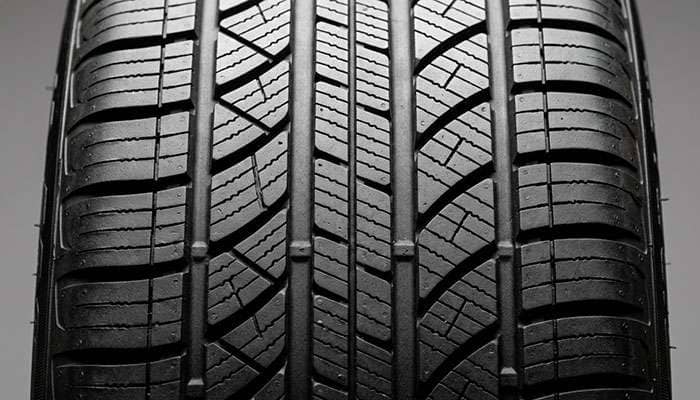
EV-specific tires address these challenges through several engineering choices. Stiffer center tread block geometry reduces deformation under sudden torque loading. Optimized tread block pitch sequences spread noise frequencies across a broader spectrum to reduce perceived loudness. Reinforced shoulder construction maintains contact patch integrity during high-shear cornering loads. Compound chemistry uses functionalized silica blends that maintain grip across the wider temperature ranges that EV regenerative braking creates (regenerative braking heats and cools tire compounds differently than friction braking).
EV owners pay attention to range in ways that ICE drivers rarely think about fuel economy. Every percentage point of additional rolling resistance means roughly one percentage point of range reduction — and rolling resistance differences between EV-specific tires and standard tires can produce range differences of approximately 10% in real-world driving. For a Tesla Model 3 Long Range with EPA-estimated 358 miles of range, 10% means 36 fewer miles per charge. Over 100,000 miles of ownership, that's approximately 4,000 additional charging sessions worth of inconvenience.
Rolling resistance is determined by three factors: compound chemistry (how easily the rubber deforms and recovers as the tire rotates), tread depth and pattern (deeper tread with more void produces more rolling resistance), and tire pressure (higher pressure reduces rolling resistance but degrades ride comfort and grip). EV-specific tires optimize all three factors. The compound chemistry uses functionalized silica polymers with reduced hysteresis loss — meaning the rubber returns more efficiently from deformation back to its original shape, losing less energy as heat in the process. The tread geometry uses shallower starting depths and more continuous rib designs that minimize void without sacrificing wet performance. Tire pressure recommendations from EV manufacturers typically run slightly higher than equivalent ICE specifications to optimize the range-versus-comfort balance.
For drivers who track their EV's energy consumption in kWh per mile, switching from standard tires to EV-specific tires typically produces measurable improvement of 0.02-0.04 kWh per mile — meaningful efficiency gains over the tire's service life. The economic impact of better range, less frequent charging, and reduced electricity costs can offset much of the EV tire price premium over the tire's full service life.
Electric vehicles are dramatically quieter than internal combustion vehicles — typically 8-12 dB quieter at typical driving speeds. ICE vehicles produce engine sound and exhaust sound that masks much of the tire noise that's always present; EVs eliminate that masking effect entirely. The result is that tire noise becomes the dominant sound source in an EV cabin, which makes tire noise characteristics meaningfully more important for EV owners than ICE drivers.
Standard tires that produce 70 dB of road noise in an ICE vehicle (where it's largely masked by engine sound) become 70 dB of obvious tire noise in an EV (where there's nothing else competing for attention). EV-specific tires use multiple engineering choices to address this. Optimized tread block pitch sequences (varying the size and spacing of tread blocks) spread noise across multiple frequencies rather than concentrating it at one resonant frequency, which makes the noise perceptually quieter even when the dB measurement is similar. Foam-lined inner cavities (used by Continental, Pirelli, and other premium EV tire manufacturers) absorb resonant noise inside the tire chamber before it transmits to the vehicle. Compound chemistry tuned for reduced compound hysteresis produces less compound-vibration noise during normal operation.
The cabin noise difference between EV-specific tires and standard tires on the same EV is typically 3-5 dB at highway speeds — equivalent to the difference between conversation-level speech and quiet conversation. For EV owners who appreciate the cabin quietness that justifies the EV ownership experience, the noise difference is meaningful enough to drive purchase decisions independently of range or wear considerations.
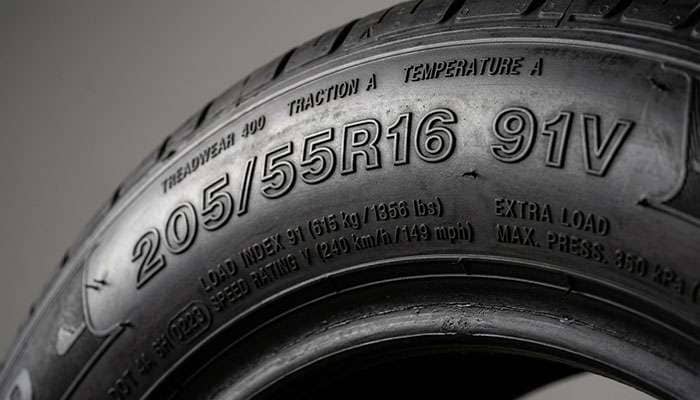
The tire industry created a new load index designation specifically to address EV requirements. The HL (High Load) designation appears alongside the load index on EV-specific tires and indicates that the tire can carry higher loads at standard pressures than equivalent Standard Load (SL) or Extra Load (XL) tires of the same size. The designation matters because EV manufacturers often spec tires that need to carry approximately 10-15% more weight than equivalent ICE applications would require, and the HL designation provides this capability without requiring substantially higher inflation pressures.
Load Designation |
Typical Use |
Pressure Required |
|---|---|---|
SL (Standard Load) |
Standard ICE passenger cars |
Max load at 36 PSI typical |
XL (Extra Load) / Reinforced |
Heavier ICE vehicles, performance applications |
Max load at 41-42 PSI typical |
HL (High Load) |
Electric vehicles requiring extra load capacity |
Higher load capacity at standard pressures |
LT (Light Truck) |
Pickup trucks, large SUVs, electric trucks |
Designed for high load capacity |
For typical EV applications, look for HL designation or Extra Load (XL) construction at minimum. The HL designation isn't yet universal across all EV-specific tires — some EV tires use XL construction with increased load index ratings instead — but the designation indicates the tire was specifically engineered for EV weight requirements. When replacing tires on an EV, verifying the load index matches or exceeds the OE specification is essential. Installing standard SL tires on a heavy EV that requires HL or XL load capacity creates real safety risks alongside accelerated wear.
Five engineering choices separate EV-specific tires from standard tires.
Reinforced sidewall construction. EV tires use additional sidewall plies, thicker bead reinforcement, and stronger internal cap plies to handle the higher curb weight and instant-torque stress patterns. The reinforcement adds slightly to tire weight (and rolling resistance) but provides the structural integrity that EVs require.
Optimized tread compound chemistry. EV tires use functionalized silica compound blends tuned for low rolling resistance, instant torque grip, and wider operating temperature ranges. The compound chemistry differs from standard touring tires in ways that produce measurably better EV-specific performance — better range, slower wear under instant torque, more consistent grip across temperature ranges.
Tread pattern geometry optimized for low rolling resistance. EV tire tread patterns typically use shallower starting depths, more continuous rib designs, and less aggressive void ratios than equivalent standard tires. The geometry minimizes rolling resistance for range optimization while maintaining acceptable wet performance through optimized sipe networks.
Cabin noise engineering. EV tires use varied tread block pitch sequences, foam-lined inner cavities, and optimized tread block geometries to reduce cabin noise. The noise engineering specifically addresses the dominant tire noise that EVs produce because there's no engine sound to mask it.
Higher load capacity (HL or XL designation). EV tires carry HL (High Load) or Extra Load (XL) designations to handle the 20-30% higher curb weight of typical electric vehicles. The higher load capacity requires specific engineering that standard tires don't provide.
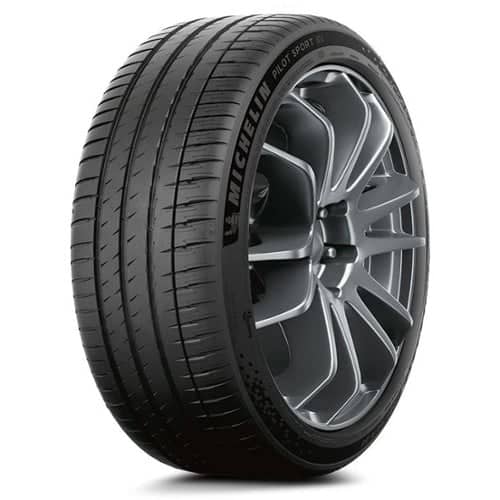
Category: UHP Summer EV • Best For: Tesla Model S Plaid, Porsche Taycan, Audi e-tron GT, BMW i4 M50 • Typical Price: $310-410 per tire
The Michelin Pilot Sport EV represents Michelin's premium UHP engineering applied specifically to high-performance electric vehicles. The Acoustic Technology foam-lined inner cavity reduces cabin noise by approximately 20% versus standard UHP construction — meaningful in EVs where tire noise is the dominant cabin sound. The Energy Performance compound delivers up to 60% better tread life than standard UHP summer tires while maintaining peak grip characteristics. The EV Performance compound chemistry uses functionalized silica polymers tuned for the instant torque delivery and higher curb weight that EVs produce.
The tread design uses Michelin's Variable Contact Patch 3.0 with optimized geometry for high-performance EV applications. The reinforced sidewall construction handles the additional weight of EV battery packs without compromising steering response. For top-tier performance EVs (Tesla Model S Plaid, Porsche Taycan, Audi e-tron GT, BMW iX M50, Audi RS e-tron GT), the Pilot Sport EV maintains the chassis tuning that the manufacturer engineered around premium summer UHP characteristics. The trade-off versus premium standard UHP alternatives (Pilot Sport 4S) is slightly higher pricing and the EV-specific tuning that's not relevant for ICE applications. Browse Michelin Pilot Sport EV sizes, or see the full Michelin Tires lineup.
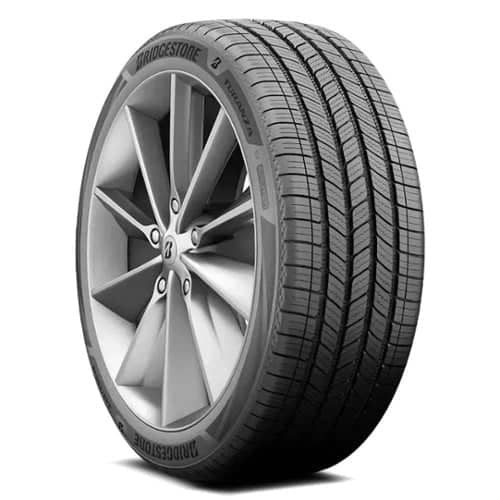
Category: Grand Touring All-Season EV • Best For: Tesla Model 3, Model Y, Hyundai IONIQ 5/6, Kia EV6, Polestar 2 • Typical Price: $230-310 per tire
The Bridgestone Turanza EV brings premium grand touring engineering to the EV category specifically. The B-Silent foam-lined inner cavity (Bridgestone's noise reduction technology) reduces cabin noise meaningfully in the quiet EV environment. ENLITEN compound technology uses optimized polymer blends for low rolling resistance — Bridgestone claims approximately 30% lower rolling resistance than equivalent standard touring tires, which translates to meaningful range improvement on typical EV applications. The compound also uses recycled and bio-sourced materials, addressing sustainability priorities that resonate with many EV buyers.
The tread pattern uses Bridgestone's continuous center rib design with optimized sipe geometry for wet performance without rolling resistance penalty. The asymmetric shoulder design provides acceptable dry handling characteristics suitable for typical sedan and crossover EV applications. Tread life typically runs 50,000-60,000 miles, with the construction reinforced for HL load capacity required by typical EV applications. For Tesla Model 3 and Model Y owners, Hyundai IONIQ 5 and IONIQ 6 drivers, Kia EV6 buyers, and similar mid-segment EV applications, the Turanza EV delivers premium engineering specifically tuned for EV requirements. Browse Bridgestone Turanza EV sizes.
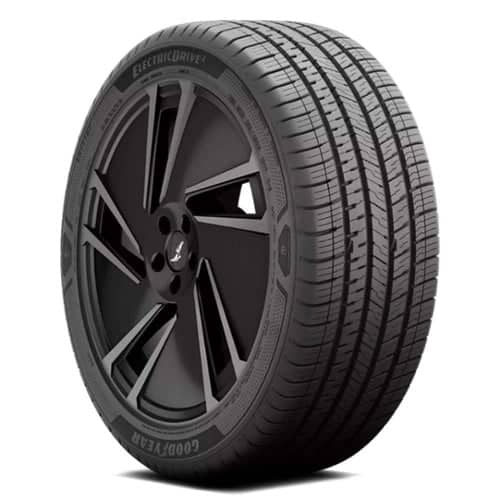
Category: All-Season Grand Touring EV • Best For: Tesla Model 3/Y, Volkswagen ID.4, Chevrolet Equinox EV, Nissan Ariya • Typical Price: $180-280 per tire
The Goodyear ElectricDrive 2 brings Goodyear's EV-specific engineering to the all-season grand touring category at competitive pricing versus the premium Bridgestone and Michelin alternatives. SoundComfort Technology reduces cabin noise through foam-lined inner cavity construction. The Electric Drive compound uses functionalized silica blends tuned for low rolling resistance and the higher curb weight of typical EVs. The tread pattern incorporates a continuous center rib for stability and asymmetric shoulder design for handling.
What gives the ElectricDrive 2 its position is value pricing — typically 10-25% below the Bridgestone Turanza EV at comparable sizes while delivering competitive EV-specific performance. For value-conscious EV owners who want EV-engineered tires without paying premium-tier pricing, the ElectricDrive 2 delivers strong economics. The tread life typically lands 50,000-65,000 miles, with HL load designation on most popular sizes. For Volkswagen ID.4, Chevrolet Equinox EV, Nissan Ariya, and similar mid-segment EV applications, the ElectricDrive 2 is consistently the right answer in the value-EV-tire tier. Browse Goodyear ElectricDrive 2 sizes.
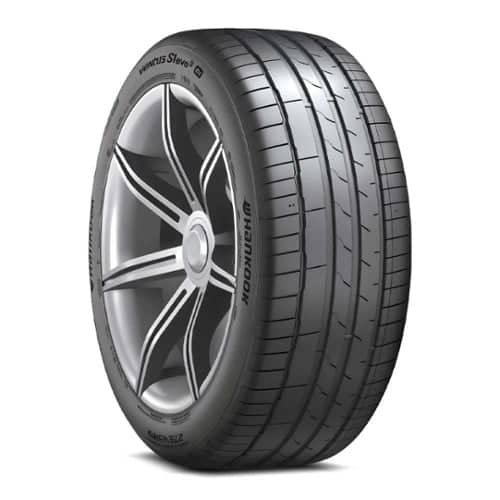
Category: UHP Summer/All-Season EV • Best For: Tesla Model 3 Performance, Polestar 2, BMW i4, Ford Mustang Mach-E GT • Typical Price: $170-240 per tire
The Hankook Ventus S1 EVO3 EV K127E represents the value-tier alternative to Michelin's Pilot Sport EV with purpose-built EV engineering at meaningfully lower pricing. The compound technology uses Hankook's silica blend tuned for both grip performance and reduced rolling resistance — capturing approximately 85-90% of the Pilot Sport EV's peak performance at typically 50-60% of the price. The tread design uses asymmetric pattern with reinforced shoulder construction for the higher curb weight that EVs produce.
What makes the K127E meaningful for EV buyers is the OE positioning. Hankook supplies tires as original equipment to Tesla, Volkswagen, BMW, and several other automakers — meaning the K127E reflects Hankook's deep understanding of EV requirements developed through OE supply contracts. For Tesla Model 3 Performance, BMW i4, Polestar 2, Mustang Mach-E GT, and similar mid-segment performance EVs, the K127E delivers EV-engineered performance at meaningful savings versus premium alternatives. For deeper Hankook vs Michelin EV-specific analysis, see our Hankook vs Michelin head-to-head. Browse Hankook Ventus S1 EVO3 EV sizes.
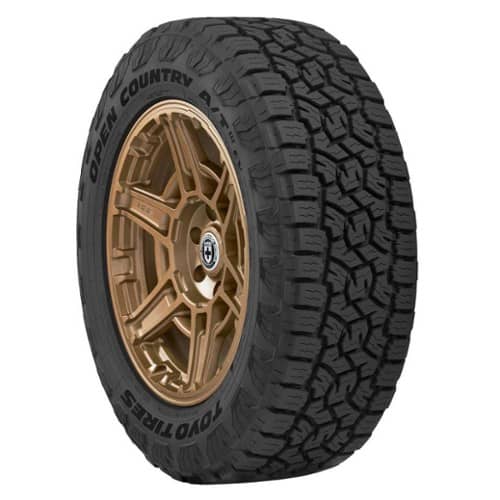
Category: All-Terrain EV (LT-rated) • Best For: Ford F-150 Lightning, Rivian R1T/R1S, GMC Hummer EV, Tesla Cybertruck • Typical Price: $270-410 per tire
The Toyo Open Country A/T III EV addresses the unique requirements of electric trucks and SUVs that need genuine off-road capability alongside EV-specific engineering. Electric trucks weigh substantially more than equivalent ICE alternatives — the F-150 Lightning at 6,500 lb versus the gas F-150 at 5,000 lb represents a 30% weight increase that requires meaningfully different tire engineering. The Open Country A/T III EV uses reinforced construction specifically tuned for electric truck weight while delivering the all-terrain capability that EV truck owners expect.
The tread design carries Toyo's signature Open Country aggressive aesthetic with the cut and chip resistance that the Long Wear technology compound delivers. The 3PMSF rating qualifies the tire as a true winter-capable tire for severe weather use. The construction uses Toyo's e-balance technology — proprietary compound blends that maintain low rolling resistance for range optimization while delivering acceptable off-road grip. For Ford F-150 Lightning, Rivian R1T and R1S, GMC Hummer EV, Tesla Cybertruck, and similar heavy electric trucks where off-road capability matters alongside EV-specific requirements, the Open Country A/T III EV is one of the few tires that addresses both requirements in a single product. Browse Toyo Open Country A/T III EV sizes, or see the full Toyo Tires lineup.
Technically, yes — standard tires can be installed on electric vehicles as long as the size and load rating match the OE specification. Practically, the trade-offs are substantial enough that most EV owners benefit from EV-specific alternatives even at higher purchase prices.
Load rating must match or exceed OE specification. Installing standard SL (Standard Load) tires on an EV that specifies XL or HL construction creates real safety risks — the tire operates near or beyond its structural limits, accelerating wear and creating potential failure scenarios. Verifying the load index matches or exceeds OE specification is essential regardless of whether you choose EV-specific or standard alternatives.
Wear rate is approximately 5-20% faster on standard tires. The combination of higher curb weight and instant torque delivery accelerates wear on standard tires compared to EV-engineered alternatives. Over a typical 50,000-mile tire service life, the difference can translate to 2,500-10,000 miles of additional service that EV-specific tires would have delivered.
Range impact is approximately 10% on typical EVs. The higher rolling resistance of standard tires (compared to low-rolling-resistance EV tires) produces measurable range reduction. For drivers who track range carefully, the 10% difference can determine whether longer trips require additional charging stops.
Cabin noise is meaningfully louder. Standard tires produce noise that becomes the dominant cabin sound in an EV's quiet environment. The noise difference between standard tires and EV-specific tires on the same vehicle is typically 3-5 dB at highway speeds — perceptually significant for drivers who value EV cabin quietness.
For drivers whose primary concern is purchase price and who can accept the trade-offs, standard tires with appropriate load rating work acceptably. For drivers who value range, cabin quietness, and longer service life, EV-specific tires typically justify the premium pricing through lower total cost of ownership across the tire's service life.
EV tires require the same general maintenance as standard tires with several EV-specific considerations.
Inflation pressure matters more on EVs. The range impact of under-inflation is meaningful — 5 PSI below specification typically produces 2-3% range reduction. Check pressures monthly and before long trips. Use the OE specification rather than the maximum pressure listed on the tire sidewall.
Rotation schedule matches standard tires. Rotate every 5,000-7,500 miles using the rotation pattern specified in your vehicle owner's manual. EV regenerative braking patterns can produce slightly different wear distributions than ICE vehicles, but the rotation schedule remains standard.
Alignment is critical. EV instant torque accelerates wear on misaligned tires significantly faster than on ICE vehicles. Have alignment checked annually and after any suspension component replacement or pothole impact. Misalignment that would produce slow wear on an ICE vehicle can cut EV tire life by 30-50%.
Replacement timing follows tread depth rules. Replace at 4/32" tread depth for safety; many manufacturers recommend earlier replacement at 5/32" for optimal wet performance. EV tires with low-rolling-resistance designs can lose range performance earlier in the wear cycle than standard tires.
For broader tire rotation guidance, see our 2026 all-season tire ranking and our summer vs all-season tires guide for climate-specific recommendations.
EV Tire |
Category |
Best Vehicle Match |
|---|---|---|
Michelin Pilot Sport EV |
UHP Summer EV |
Tesla Model S Plaid, Porsche Taycan, BMW iX M50 |
Bridgestone Turanza EV |
Grand Touring All-Season EV |
Tesla Model 3/Y, IONIQ 5/6, EV6, Polestar 2 |
Goodyear ElectricDrive 2 |
All-Season Grand Touring EV (value) |
Tesla Model 3/Y, ID.4, Equinox EV, Ariya |
Hankook Ventus S1 EVO3 EV K127E |
UHP Summer/All-Season EV |
Tesla Model 3 Perf, Polestar 2, BMW i4, Mach-E GT |
Toyo Open Country A/T III EV |
All-Terrain EV (LT-rated) |
F-150 Lightning, Rivian R1T/R1S, Hummer EV, Cybertruck |
Electric vehicles create four engineering challenges that standard tires weren't designed to handle. First, EVs are 20-30% heavier than equivalent ICE vehicles due to battery pack mass — typically 800-1,500 pounds more weight that requires reinforced sidewall construction. Second, electric motors deliver instant torque (100% available at zero RPM) versus ICE engines requiring 2,000-5,000 RPM to spool, creating stress patterns that accelerate standard tire wear by 5-20%. Third, EVs depend on low rolling resistance for range optimization — tire choice typically affects range by approximately 10%. Fourth, EVs are 8-12 dB quieter than ICE vehicles, which makes tire noise the dominant cabin sound and creates demand for acoustic engineering that standard tires don't provide. EV-specific tires address all four challenges through purpose-built construction and compound chemistry.
Yes, technically — standard tires can be installed on electric vehicles as long as the size and load rating match the OE specification. Practically, the trade-offs are substantial. Standard tires on EVs wear approximately 5-20% faster than EV-specific alternatives, range drops approximately 10% due to higher rolling resistance, and cabin noise is 3-5 dB louder at highway speeds. The load rating must match or exceed the OE specification — installing standard SL tires on an EV that requires XL or HL construction creates real safety risks. For Tesla, Rivian, Ford Lightning, and similar applications, EV-specific tires typically deliver better total cost of ownership across the tire's service life despite higher purchase prices.
HL stands for "High Load" — a new tire load designation created specifically for electric vehicles. The HL designation appears alongside the load index on EV-specific tires and indicates that the tire can carry higher loads at standard pressures than equivalent Standard Load (SL) or Extra Load (XL) tires of the same size. The designation addresses the higher curb weight typical of EVs (20-30% heavier than equivalent ICE vehicles) without requiring substantially higher inflation pressures that would compromise ride comfort and grip. When replacing tires on an EV, look for HL designation or Extra Load (XL) construction at minimum. The HL designation isn't yet universal across all EV tires — some use XL construction with increased load index ratings instead — but indicates the tire was specifically engineered for EV weight requirements.
Yes, tire choice affects EV range by approximately 10% in real-world driving. EV-specific tires use low-rolling-resistance compound chemistry and optimized tread geometry that reduces the energy required to roll the tire down the road. For a Tesla Model 3 Long Range with EPA-estimated 358 miles of range, 10% means approximately 36 fewer miles per charge on standard tires versus EV-specific alternatives. Over 100,000 miles of ownership, that translates to approximately 4,000 additional charging sessions worth of inconvenience. The rolling resistance difference comes from compound chemistry (lower hysteresis loss), tread depth and pattern (shallower depths and more continuous ribs), and structural design (optimized for low-energy rolling). The 10% range difference is meaningful enough to drive purchase decisions for many EV owners.
Standard tires installed on electric vehicles experience approximately 5-20% faster tread wear than EV-specific tires would deliver. The wear acceleration comes from two factors. First, the higher curb weight (20-30% more than equivalent ICE vehicles) creates higher contact patch loads and additional shear forces during normal operation. Second, instant torque delivery from electric motors produces sudden high-shear forces on tread blocks that gasoline engines (which spool up gradually) don't create. EV-specific tires address both factors through reinforced sidewall construction and compound chemistry optimized for instant-torque grip retention. The wear difference matters economically — over a typical 50,000-mile tire service life, standard tires on an EV might deliver only 40,000-47,500 miles versus EV-specific tires reaching the full service life.
For Tesla Model 3, three EV-specific options stand out depending on driving priorities. The Bridgestone Turanza EV delivers premium grand touring engineering with B-Silent acoustic foam and ENLITEN compound technology for low rolling resistance and 50,000-60,000 mile typical tread life — the best all-around choice for daily-driven Model 3 applications. The Hankook Ventus S1 EVO3 EV K127E delivers approximately 90% of premium EV tire performance at meaningfully lower pricing — strong value choice for Model 3 Performance applications. The Goodyear ElectricDrive 2 delivers EV-engineered performance at the value tier — typically 10-25% below premium alternatives at comparable sizes. For Model 3 Performance specifically, the Michelin Pilot Sport EV represents the peak performance option at premium pricing. Pick based on driving priorities: peak performance, balanced premium, or value with acceptable trade-offs.
For Ford F-150 Lightning and similar heavy electric trucks (Rivian R1T, GMC Hummer EV, Tesla Cybertruck), the Toyo Open Country A/T III EV is the standout option. The tire uses reinforced construction specifically engineered for electric truck weight (typically 30% heavier than gas F-150) while delivering all-terrain capability with 3PMSF rating for severe winter weather. Toyo's e-balance technology maintains low rolling resistance for range optimization. The Long Wear technology compound delivers cut and chip resistance for genuine off-road use. For F-150 Lightning owners who use their truck for actual off-road duty alongside highway commuting, the Open Country A/T III EV is one of the few products specifically engineered for the unique requirements of heavy electric trucks. For pure highway-driven Lightning applications, standard touring EV tires with appropriate load rating also work effectively.
For most EV owners, yes — the total cost of ownership math favors EV-specific tires across the service life. The premium pricing (typically 15-30% above equivalent standard tires) is offset by approximately 5-20% longer service life (reducing replacement frequency), approximately 10% better range (reducing electricity costs and charging frequency), and meaningfully better cabin noise (improving the EV ownership experience). Over a typical 50,000-mile tire service life, the value calculations favor EV-specific tires for drivers who track range carefully, maintain their EVs long-term, or prioritize cabin quietness. For drivers who replace vehicles every 3-4 years before reaching full tread life, who don't track range carefully, or who prioritize lowest purchase price, standard tires with appropriate load rating may deliver acceptable value. The decision depends on individual ownership patterns and priorities.