
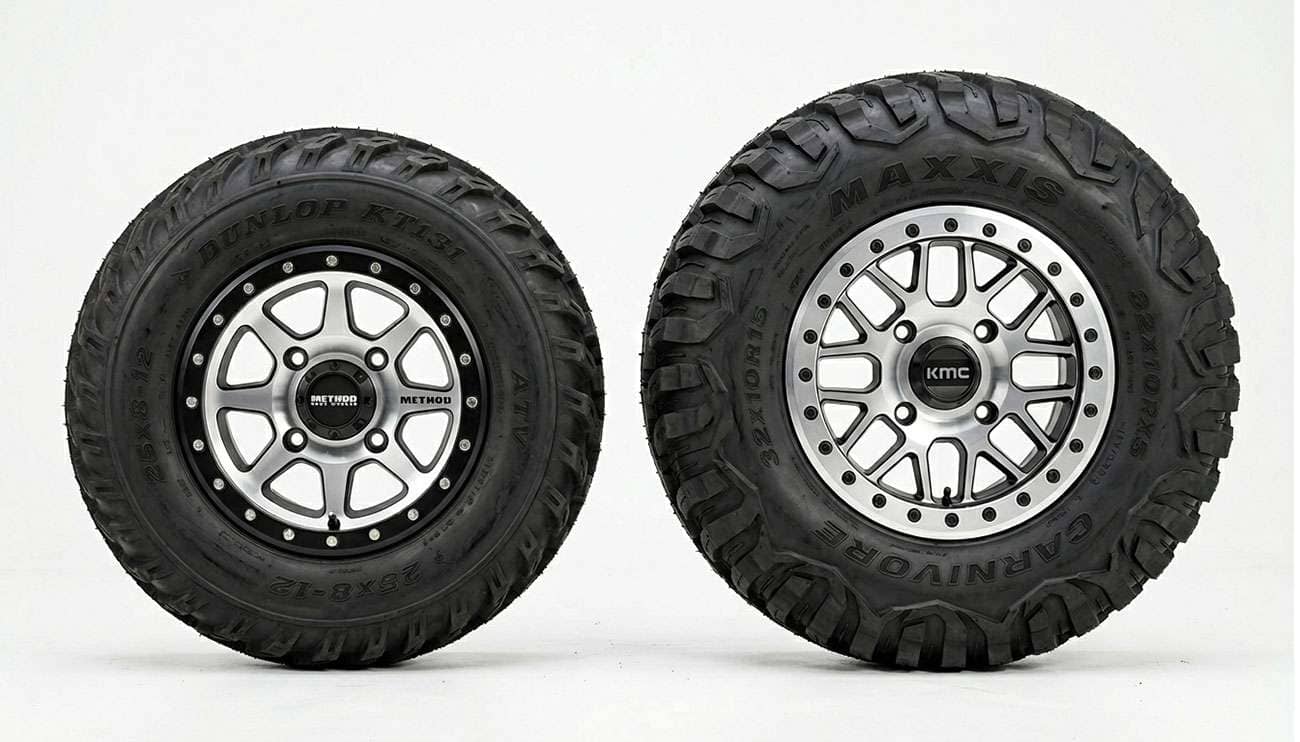
Here's the trap I watch people fall into: they check the bolt pattern on their UTV wheel, see it matches their quad's hub, and assume the wheels are interchangeable. The bolt pattern bolts up, sure — but bolt pattern is only one of four specifications that determine whether a wheel actually fits and performs. Get the other three wrong and you'll have a wheel that mounts cleanly and still rubs the suspension, throws off your handling, or can't carry the load.
So are ATV and UTV wheels the same? The accurate answer is that they're built on the same design principles and frequently share bolt patterns, but they are not interchangeable as a class. Fitment is decided spec by spec, not by the badge on the machine. Let me walk through exactly which numbers matter and how they differ between a quad and a side-by-side.
The mistake is framing this as "ATV wheel versus UTV wheel," as if those were two distinct product categories with a hard line between them. They aren't. A wheel is defined by its measurable specs — bolt pattern, offset, width, and diameter — plus its load rating and construction. Whether a given wheel suits a quad or a side-by-side comes down to how those numbers line up with your specific machine.
That's why some wheels genuinely work on both, while others labeled the same way won't. The vehicle type is a useful shorthand for the typical spec range, but the specs themselves are what you fit to. Once you start reading wheels as a set of numbers rather than a label, the whole question gets a lot clearer.
There's real overlap here, and it's exactly why the confusion exists in the first place.
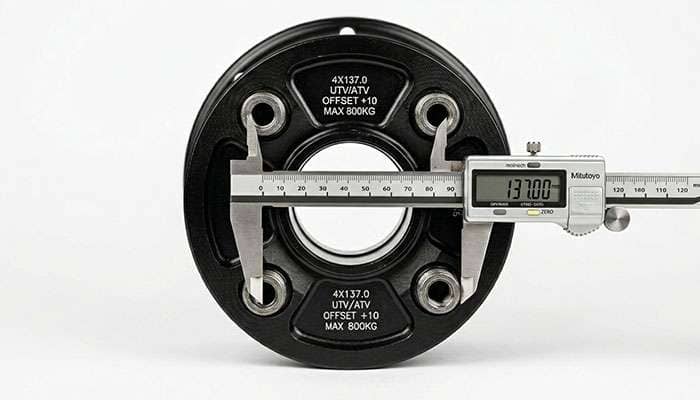
The biggest one is bolt pattern. Across the powersports world, ATVs and UTVs draw from the same small set of patterns, and manufacturers routinely use the same pattern across both their quad and side-by-side lines. Can-Am runs 4/137 on most modern ATVs and SxS models alike. Polaris uses 4/156 across most of its full-size machines, ATV and UTV both. Yamaha and Honda lean on 4/110 for the bulk of their non-sport ATVs and smaller UTVs. So a UTV wheel sharing your quad's bolt pattern isn't a coincidence — it's the norm within a brand.
They also share the same measurement language. Offset, backspacing, diameter, and width mean the same thing and are measured the same way on both. If you've read my breakdown of the most common ATV wheel size or the broader guide to off-road wheel sizes, that framework carries straight over to UTV wheels. And both use the same construction types — cast and forged aluminum, steel, and beadlock designs.
Now the differences. They cluster around one fact: a UTV is a bigger, heavier vehicle with a wider stance, carrying more weight than a quad. The wheels follow.
Diameter. ATV wheels commonly run 10 to 12 inches. UTV wheels typically start at 12 and climb to 14, with 15-inch and larger setups common on lifted side-by-sides. That difference alone means a lot of UTV diameters simply won't suit a stock quad.
Width. This is the big one for clearance. UTV wheels are wider to match the vehicle's wider body and wheel wells — often in the 7-to-9-inch range or more. Bolt that width onto an ATV and the extra wheel and tire can rub the fenders, suspension arms, or frame.
Load rating and construction. A loaded side-by-side puts far more weight and cornering force through each wheel than a single-rider quad. UTV wheels are built with that in mind — heavier, stronger, with more material in the high-stress areas. That's also why so many serious UTV setups move to forged or beadlock wheels, which I'll get to below. If you want the why behind how all this affects the tire side of the package, my notes on off-road tire tread life tie it together.
Forget the labels and read these four numbers. Get all four right and the wheel fits, regardless of which machine it was "meant" for.
1. Bolt pattern. Expressed as two numbers — the lug count and the diameter of the circle they form, like 4/137. This must match your hub exactly. No adapter-free exceptions.
2. Offset and backspacing. Offset is the distance from the wheel's mounting surface to its centerline; backspacing is the distance from the mounting surface to the inner lip. These control how far the wheel and tire sit in or out relative to your suspension and body. Get this wrong and you'll rub or alter your track width and handling. For a deeper look at how the mounting interface itself works, see my guide to hub-centric vs. lug-centric wheels.
3. Width. Measured bead to bead, and it has to suit both your tire and your clearance. A good rule: keep wheel width within about four inches narrower than your tire width so the tire seats properly without the bead at risk.
4. Diameter. The wheel size your tire is built for, and a number your brakes and clearance have to accommodate.
Here's how the typical spec ranges compare between the two vehicle types:
Spec |
ATV Wheels |
UTV Wheels |
|---|---|---|
Common diameter |
10–12 in |
12–14 in (15 in+ on lifted rigs) |
Typical width |
Narrower |
~7–9 in or more |
Common bolt patterns |
4/110, 4/115, 4/137, 4/156 |
4/110, 4/137, 4/156 (overlaps ATV) |
Load demand |
Lower (single rider) |
Higher (passengers + cargo) |
Beadlock prevalence |
Less common |
Common on performance setups |
Sometimes, but only after you check all four specs against your machine — and the risks run in both directions.
Putting a UTV wheel on an ATV: even if the bolt pattern matches, a UTV wheel's greater width and different offset can push the tire into your fenders, suspension, or frame. The added diameter may also clear poorly or change your gearing feel. It can work if the specific wheel's width, offset, and diameter happen to fall within your quad's safe range, but you can't assume it from the bolt pattern alone.
Putting an ATV wheel on a UTV: the bigger concern here is load. An ATV-rated wheel may not be built for the weight and cornering loads a loaded side-by-side generates, and the smaller diameter and narrower width often won't suit the larger machine or its brakes. This is the riskier direction structurally.
The safe approach is the one I give every customer: confirm bolt pattern, offset/backspacing, width, and diameter against your exact make, model, and year before buying — manufacturers sometimes change specs year to year. When in doubt, measure the wheel currently on the machine, or run it past us. Our hands-on roundup of the top ATV and UTV wheels we tested is a good reference point, and if you're still fuzzy on the fundamentals, start with what off-road wheels actually are.
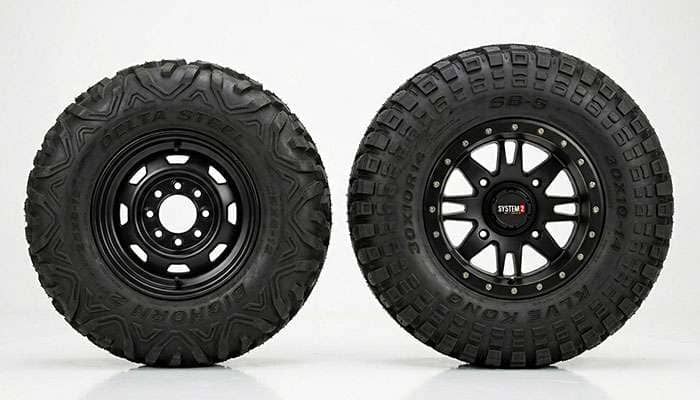
One visual difference you'll notice is the outer ring of bolts on a lot of UTV wheels. That's a beadlock — a ring that clamps the tire bead mechanically to the wheel instead of relying on air pressure alone to hold it seated.
Beadlocks matter more on UTVs for a simple reason: side-by-sides are heavier, more powerful, and frequently run at very low tire pressures for traction in rocks and mud. At low pressure, a conventional bead can unseat — "burp" — under hard cornering or when a tire flexes over an obstacle, and the tire can roll off the wheel. A beadlock prevents that, which is why it's standard equipment for serious UTV rock crawling and racing. ATVs see beadlocks too, but less often, because they're lighter and put less stress on the bead.
There's a related but distinct technology called bead grip that does something similar without a full clamping ring. If you're weighing your options, I broke down the trade-offs in my comparison of beadlock vs. bead grip wheels.
Once your four specs are nailed down, the choice comes down to construction, finish, and how hard you ride.
For a heavy, hard-driven side-by-side, strength is the priority. Forged wheels give you the best strength-to-weight ratio — the American Force K-series UTV line, like the K01 Summit UTV, is a good example of a forged wheel built specifically for side-by-side duty. If you're crawling rocks or racing at low pressure, a true beadlock such as the Black Rhino Parker UTV Beadlock or Black Rhino Primm Beadlock keeps your tire seated when it matters. For a tough but more value-minded build, a cast UTV wheel like the Black Rhino Armory UTV covers most utility and trail use without overspending.
For a lighter trail quad, you have more freedom to prioritize weight and looks, and you generally don't need to pay for beadlock hardware you'll never put to work. Match the wheel to the load and terrain, not to the most aggressive option on the shelf. When you're ready, our full lineup of ATV and UTV wheels lets you filter by the specs that matter, and our dedicated UTV wheels and Fuel UTV wheels pages narrow it down further.
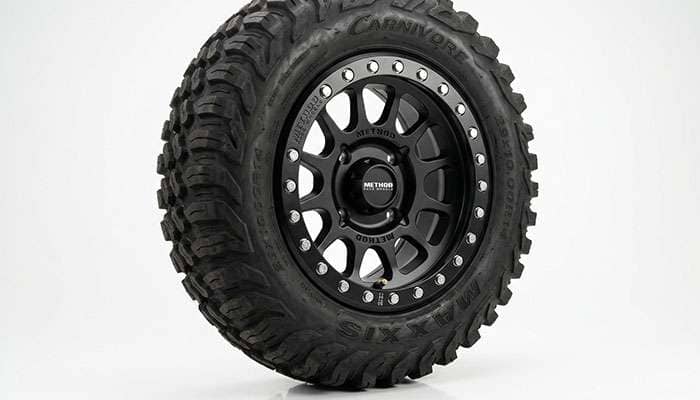
So, are ATV and UTV wheels the same? They share a design language and very often the same bolt pattern, but they are not interchangeable by class. Fitment is decided by four specs — bolt pattern, offset and backspacing, width, and diameter — backed by the right load rating and construction. UTV wheels tend to run larger, wider, and stronger because the vehicle demands it, and that's exactly why a matching bolt pattern alone never tells the whole story. Read the numbers, check them against your specific machine, and you'll get a wheel that fits, clears, and holds up. When you're ready to spec it out, our ATV and UTV wheels collection has the fitment data to match.
Often, yes. Many manufacturers use the same bolt pattern across their ATV and UTV lines — common ones include 4/110, 4/137, and 4/156. But a matching bolt pattern only means the wheel will mount; offset, width, and diameter still have to fit your specific machine.
Only if the wheel's width, offset, and diameter fall within your ATV's safe range. UTV wheels are typically wider with different offset, which can cause the tire to rub the fenders, suspension, or frame even when the bolt pattern matches. Check all four specs before buying.
Size and strength. UTV wheels are usually larger in diameter (12–15 inches versus 10–12 for ATVs), wider, and built to handle the heavier loads of a side-by-side. They're also more likely to be forged or beadlock designs.
Offset is the distance from the wheel's mounting surface to its centerline. It determines how far the wheel and tire sit in or out relative to your suspension and body. The wrong offset can cause rubbing or change your track width and handling, so it must suit your specific machine.
Only if you run very low tire pressures for rock crawling, racing, or aggressive off-road use, where a standard bead can unseat under load. For general trail and utility riding at normal pressures, a quality non-beadlock wheel is usually fine.



