
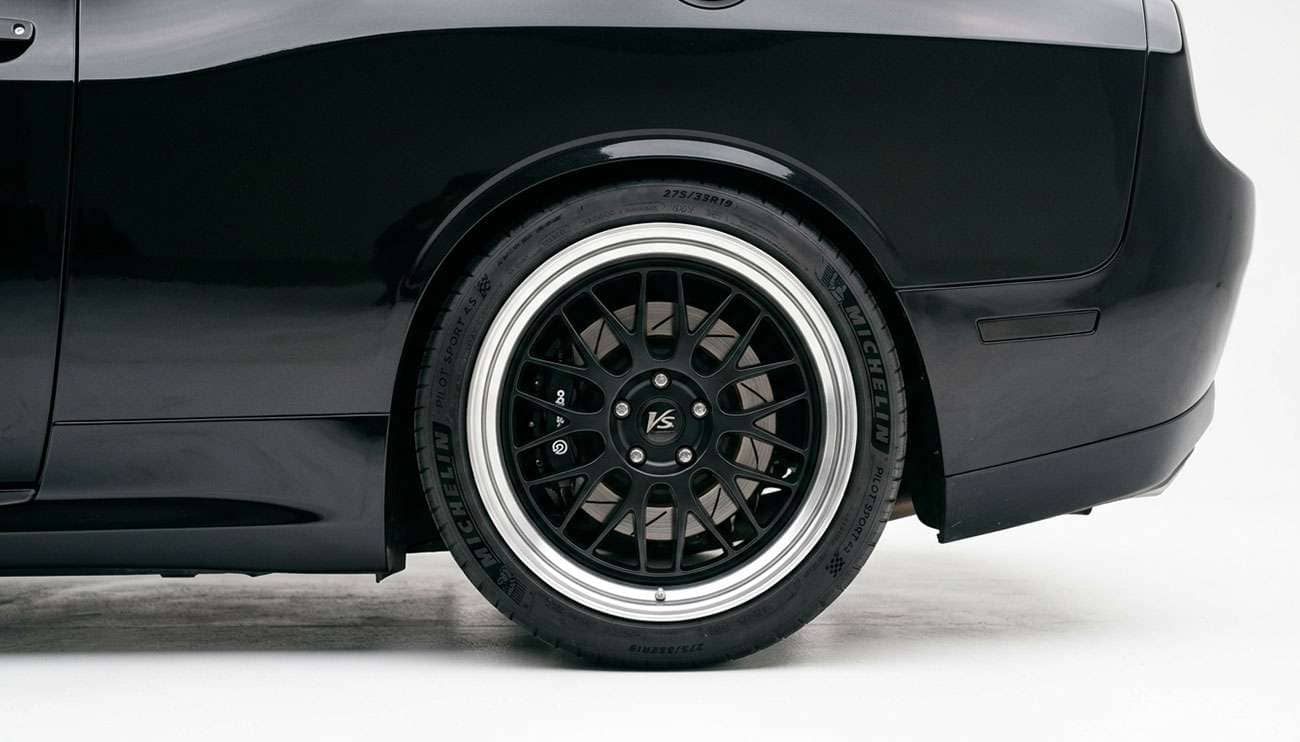
Tires rub for one of six reasons: the tires are too big for the wheel well, the wheel offset pushes them too far in or out, the vehicle has been lowered, the suspension is worn and sagging, the alignment is off, or something in the wheel well, like a fender liner or mud flap, has come loose. The fix depends on the cause: correcting offset, adjusting alignment, trimming or securing the liner, rolling the fender, or choosing a properly sized tire. Slight rub at full steering lock is common and manageable; constant rubbing will destroy a tire.
I have been fitting wheels and tires for longer than some of my customers have been driving, and I can tell you tire rub is the single most common phone call we get after somebody bolts on a new setup. The good news is it is almost never a mystery. Rubber leaves evidence. You just have to know where to look, and then match the fix to the actual cause instead of throwing parts at it.
Rubbing announces itself three ways. First is the sound: a rhythmic scuffing or squeal when you turn hard, hit a bump, or load the car up with passengers. Second is the smell: hot rubber has a stink you will not mistake for anything else. Third is the evidence: shiny scuff marks on the tire sidewall or shoulder, black rubber smears inside the wheel well, or a fender liner that looks like a cat has been sharpening its claws on it.
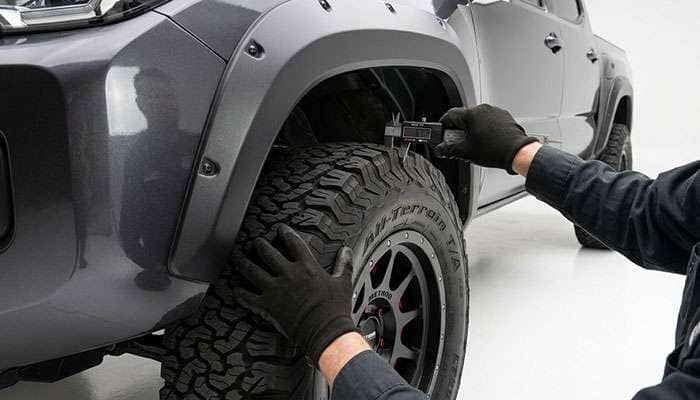
Here is the old shop trick for finding the exact contact point. Run a stripe of chalk or a smear of grease along the suspect spots, the fender lip, the liner, the frame edge behind the tire, then drive the car through the maneuver that triggers the noise. Wherever the chalk wipes away, that is your contact point. Inside contact usually means an offset or tire width problem. Outside fender lip contact means the tire pokes too far out or the suspension is letting the body drop onto it.
Nearly every rubbing case that rolls through our doors lands in one of these six buckets:
| Cause | When It Rubs | Typical Fix |
|---|---|---|
Tires too large for the well | Turns, bumps, loaded trunk | Downsize, trim, or lift |
Wrong wheel offset | Full lock or over bumps | Correct offset or spacers |
Lowered suspension | Dips, driveways, passengers aboard | Roll fenders, adjust height |
Worn springs or shocks | Gradually worsening over bumps | Replace worn components |
Alignment out of spec | One side only, uneven wear | Professional alignment |
Loose liner or mud flap | Randomly, often after other work | Re-secure or replace clips |
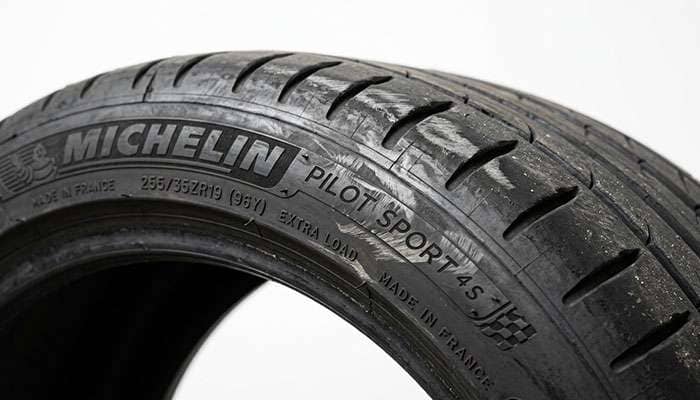
The number one cause, by a mile. A taller tire needs room above it for suspension travel; a wider tire needs room on both sides. Plenty of setups clear fine sitting still in the driveway and then rub the first time the suspension compresses with four people in the car. If you are sizing up on a truck, our 31s vs 33s vs 35s guide walks through exactly how much clearance each jump costs you.
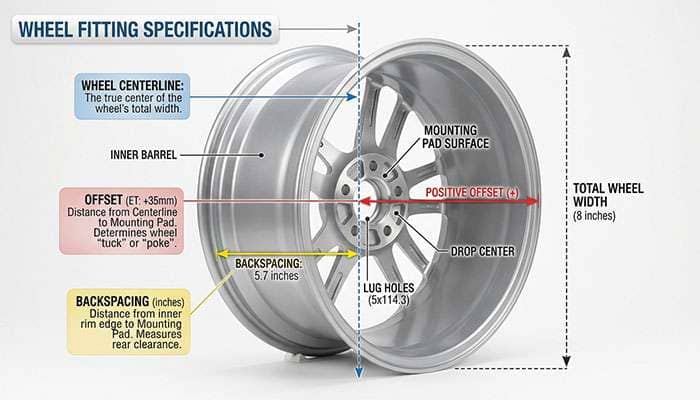
Offset decides where the tire sits in the well. Too little offset pokes the tire out toward the fender lip; too much tucks it in toward the strut and frame. I have seen brand-new wheels rub on the strut body because someone bought on looks and never checked the number stamped on the back. If offset is Greek to you, start with our offset and backspacing explainer, then learn to check it yourself with our step-by-step offset measuring guide.
Lower the car and you shrink the gap between fender and tire; the math is that simple. But here is the one people miss: a stock car can develop the same problem slowly as springs sag and shocks give up over 100,000 miles. If your old Buick never rubbed before and now scuffs over every driveway apron, the tires did not grow. The body dropped.
Camber and toe changes move the tire's contact path inside the well. A car that rubs on one side only, or wears one shoulder of the tread while it scuffs, is telling you to put it on the alignment rack before you spend a dime on new wheels. Worn control arm bushings and ball joints let the whole assembly wander, which turns an occasional rub into a constant one.
The cheapest fix in this whole article. Plastic fender liners are held in with push clips that go brittle, and a drooping liner will scream against the tire like the world is ending. Before you panic about your fitment, stick your head in the wheel well and give the liner a shake.
Constant rubbing, yes, genuinely bad. The tire loses material every rotation, and rubbing on the sidewall is the worst case because the sidewall is the thinnest, most stressed part of the tire. Rub through the shoulder into the cords and you are one highway on-ramp away from a blowout. If you can see fabric or steel where rubber used to be, park it; our sidewall damage guide shows what unsafe looks like.
Occasional light contact at full steering lock in a parking lot is a different animal. Plenty of aggressive fitments live with a faint full-lock kiss on the liner for years without hurting anything. The line I give customers: a rub you have to hunt for is a footnote; a rub you hear on your normal commute is a repair ticket.
Match the fix to the cause you confirmed with the chalk test. In rough order from cheapest to most involved:
They fix one specific kind of rub: contact on the inside, against the strut, spring perch, or frame. A spacer pushes the wheel outboard and away from all of that. What a spacer cannot do is fix outside rub on the fender lip; it makes that worse. Know which side your rub is on before you order anything.
If the rub appeared without any wheel or tire change, an alignment is the most likely cure and the cheapest place to start. If the rub showed up the day you installed new wheels, alignment will not overcome a fitment problem, though a specialist can sometimes dial in a touch of camber to buy clearance on a borderline setup.
A light, occasional scuff at full steering lock, parking lot speeds only, is livable and extremely common on aggressive fitments and staggered setups. Keep an eye on the contact point every tire rotation. If the mark on the tire deepens from a polish to a groove, stop living with it and fix it.
Every rubbing problem I have ever fixed was cheaper to prevent. Treat the wheel, tire, offset, and ride height as one system: change one and you change the clearance picture for all of them. Before you order, confirm the diameter, width, and offset against your vehicle's known-good fitment range, and if you are running a wider rear setup, plan the rears separately; our staggered setup guide covers the rear-clearance homework. For a plain-English tour of how all these measurements interact, read our guide to the different types of fitment before you spend a dollar.
If the chalk test points to an offset problem, do not guess your way to a fix. Our wheel offset guide at Performance Plus Tire breaks down the numbers, and our fitment experts check clearance on every wheel and tire package we sell before it ships.
Yes, if it continues long enough. Rubbing that reaches the sidewall grinds away the thinnest part of the tire, and once the cords are exposed, failure can be sudden. Any tire showing visible cord or fabric needs replacement, not repair.
Extra weight compresses the suspension and closes the gap between tire and fender. A setup with marginal clearance unloaded will rub loaded. The fix is more clearance: liner trimming, a fender roll, firmer springs, or a smaller tire.
Usually the new tires are slightly taller or wider than the old set, even in the same marked size; actual dimensions vary between brands and models. Compare the measured section width and overall diameter of old versus new, and check that the shop matched your original spec.
Liner clips run a few dollars. An alignment is typically 100 to 200 dollars. Quality spacers run 50 to 150 dollars a pair, professional fender rolling about 100 to 250 dollars per fender, and if the fix is different wheels or tires, cost depends entirely on what you choose.
Both. The tire takes the worst of it, but rubbing also chews through fender liners, wears paint off inner fender lips, which invites rust, and in bad cases grooves metal suspension components. One more reason not to let it ride.



