
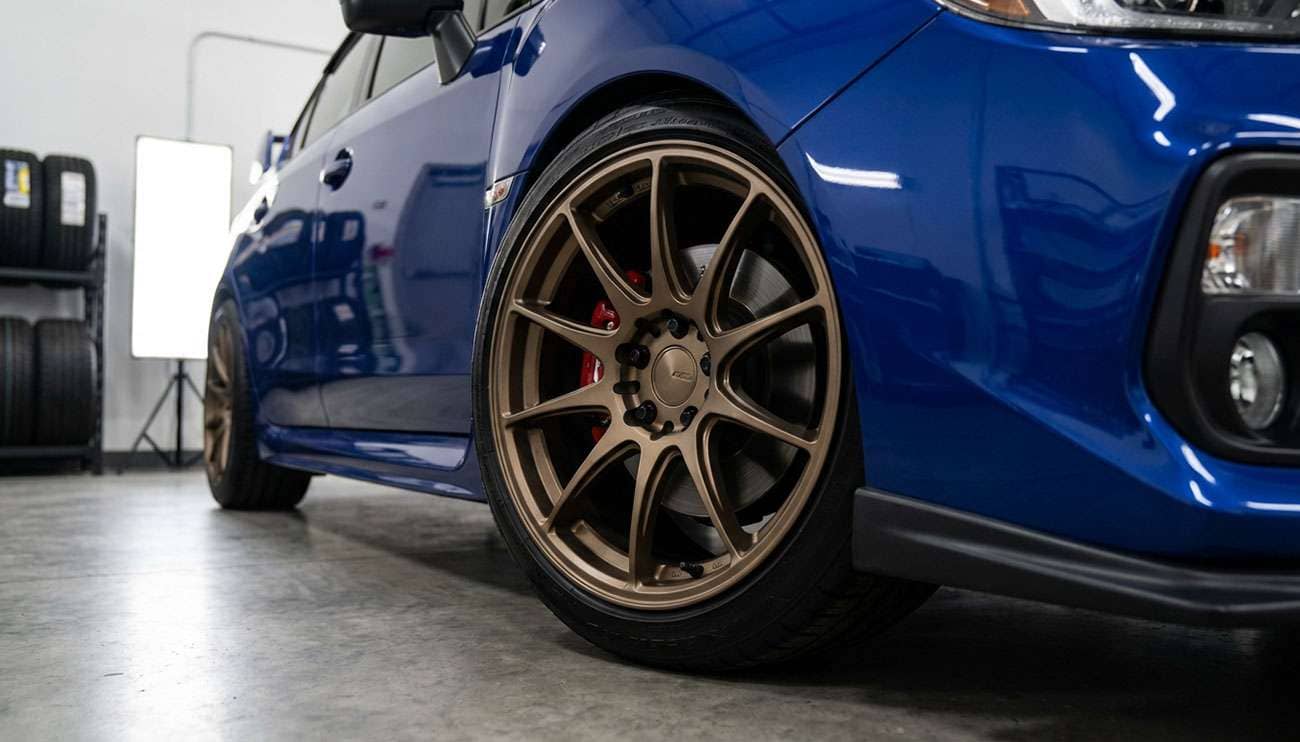
Subaru WRX aftermarket wheels deliver more than just enhanced looks – they're essential components that directly impact your vehicle's performance and handling capabilities. The WRX's symmetrical all-wheel drive system demands precise wheel fitment to maximize tire contact and maintain the legendary grip these vehicles are known for. Subaru WRX aftermarket wheels must work in harmony with the sophisticated drivetrain to deliver optimal results.
WRX enthusiasts understand that stock configurations rarely satisfy their performance goals. Selecting the right aftermarket wheels requires understanding critical specifications including bolt pattern, diameter, width, and offset. Your WRX uses a 5x114.3 bolt pattern (PCD specification), which simplifies wheel compatibility, but proper fitment depends on several additional technical factors. The most popular configuration among enthusiasts is 18x9.5 +38, offering excellent performance and appearance compared to factory wheels that typically measure 17-19" in diameter with 8-8.5 inch widths and conservative offsets.
Different WRX generations present unique fitment considerations. Narrow-body pre-2011 models, wide-body 2011+ variants, and the refined VA generation (2015-2021) each require specific attention to fitment details for optimal results. Understanding these differences prevents costly mistakes and ensures your wheel selection enhances rather than compromises your Subaru's performance.
Poor wheel and tire combinations can stress your drivetrain and negatively affect handling. The right setup transforms both the appearance and capabilities of your WRX while maintaining the engineering integrity that makes these vehicles exceptional performers.
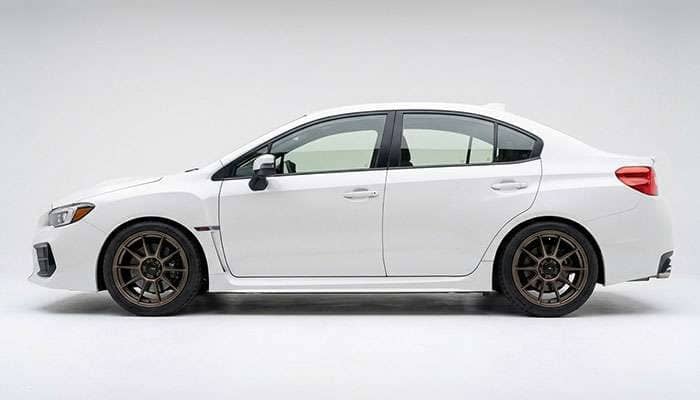
Understanding wheel fitment fundamentals provides the foundation for making smart aftermarket wheel decisions. These core concepts determine whether your chosen wheels will enhance performance or create expensive problems.
Your WRX's bolt pattern varies depending on the model year and generation. WRX models through 2014 used a 5x100 bolt pattern, while STI models from 2005 onward featured a 5x114.3 pattern. Starting in 2015, all WRX and STI models adopted the 5x114.3 bolt pattern, simplifying wheel compatibility between trim levels.
Every WRX generation maintains a 56.1mm hub bore. This specification matters because a proper hub-centric fit eliminates vibration and ensures smooth operation. Lug nuts use M12x1.25 threading and require torquing to 89 ft-lbs.
Factory wheels range from 17-19 inches in diameter with 8-8.5 inch widths. Stock offset typically measures +55mm, positioning wheels well inside the fender wells.
The enthusiast community has established 18x9.5 +38 as the most popular aftermarket configuration. This setup creates an aggressive appearance while fitting most WRX models without major modifications. Successful builds typically use offsets between +30mm and +45mm.
Extremely low offsets (+20 or below) cause clearance problems and should be avoided. Wheel diameter affects more than appearance – 17" wheels reduce unsprung weight for better performance, while 19" wheels prioritize visual impact.
Tire selection directly affects your final fitment results. Factory tire sizes include 235/45R17, 245/40R18, or 245/35R19 depending on your model year. These sizes work well for most applications, even on modified vehicles with increased power.
For wider tires, 255/35R18 fits safely without fender modifications. Stepping up to 265/35R18 usually requires fender rolling or additional negative camber, especially with lowered suspension.
Tire diameter changes affect speedometer readings and gear ratios. Maintaining proper sizing ensures reliable performance while preserving the engineering integrity that makes your Subaru dependable.
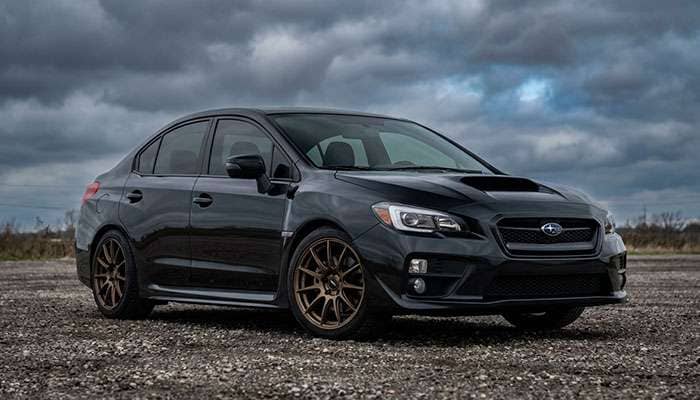
Each WRX generation presents unique fitment requirements based on body design, brake components, and suspension architecture. Understanding these differences helps you select wheels that work perfectly with your specific model.
The GR/GV generation requires different approaches depending on body configuration. Pre-2011 narrow-body models came equipped with 17x7.0" wheels using +53mm offset and 205/50R17 (2008) or 215/50R17 (2009-2010) tires. These narrow-body variants need conservative offsets to prevent fender contact issues.
Wide-body WRXs from 2011-2014 received larger 17x8.0" factory wheels with 235/45R17 tires. The increased fender clearance allows more aggressive fitments. Enthusiasts typically upgrade to 18x9.5 +38 wheels with 255/35R18 or 265/35R18 tires for optimal performance and appearance.
STI models throughout this generation used the 5x114.3 bolt pattern, creating compatibility differences when considering wheel swaps between WRX and STI variants.
The VA generation standardized wheel compatibility across all WRX and STI models. Factory wheels measured 18 or 19x8.5 inches with +55 offset, creating a conservative tucked appearance.
The aftermarket community quickly adopted 18x9.5 +38 as the preferred configuration. This setup delivers near-flush fitment without requiring fender modifications on stock suspension. Lowered vehicles with this wheel size often need minor fender rolling to accommodate larger tires.
Brake caliper clearance becomes critical with diameter selections. Brembo-equipped models require 18" minimum diameter wheels for proper clearance. Base WRX models offer more flexibility with wheel selection due to smaller brake components.
The latest VB generation maintains the 5x114.3 bolt pattern and 56.1mm hub bore while introducing updated suspension geometry. Factory wheels measure 18x8.5 +50, providing a slightly less aggressive appearance than earlier generations.
This generation accommodates 18x9.5 +38 wheels with minimal modification requirements. The refined body design offers improved clearance for wider wheel and tire combinations. Enthusiasts report excellent results with 255/35R18 tires on stock suspension.
Brake clearance specifications remain similar to the VA generation. The updated hub assembly design improves wheel-bearing longevity with properly fitted aftermarket wheels. Conservative offset selections between +35mm and +45mm work best for preserving optimal suspension geometry.
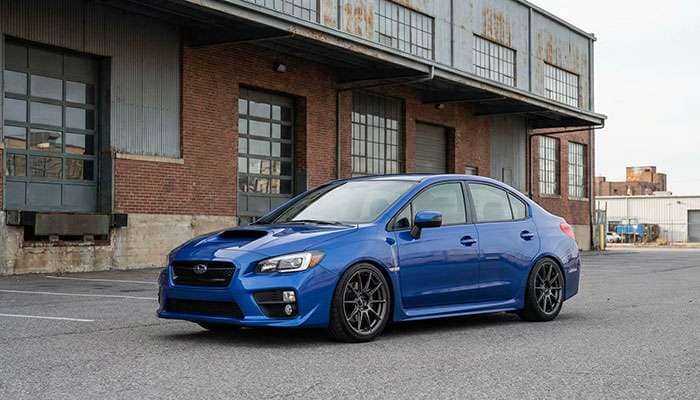
Successful wheel setups depend on matching tire specifications to your wheel dimensions. Your tire choice affects clearance, handling characteristics, and overall fitment aesthetics.
Conservative fitments maintain factory-like clearances while improving wheel aesthetics. This approach suits drivers prioritizing reliability and daily practicality over aggressive styling.
Popular conservative configurations include 18x8.5 +45 with 245/40R18 tires. This setup fits all WRX generations without modifications and preserves factory suspension geometry. The moderate width provides excellent grip while avoiding fender clearance concerns.
For 17" enthusiasts, 17x8.0 +48 wheels paired with 235/45R17 tires deliver reduced unsprung weight and improved acceleration response. This combination works particularly well for autocross and track applications where quick directional changes matter most.
Aggressive fitments push clearance limits for dramatic visual results. These setups typically require suspension modifications and fender work to prevent tire rubbing.
The popular 18x9.5 +38 configuration with 265/35R18 tires delivers near-flush fitment. Most installations need fender rolling, especially on lowered vehicles. Some builders add 1-2 degrees of negative camber to improve clearance without compromising tire wear patterns excessively.
Extreme setups using 18x10.5 wheels require widebody kits or extensive fender modifications. These configurations prioritize show-car aesthetics over daily practicality. Consider your parking situations and driving conditions before committing to extreme fitments.
Performance builds balance wheel weight, tire grip, and suspension geometry for maximum capability. Track-focused configurations differ significantly from street setups.
Lightweight forged wheels measuring 18x9.0 +40 paired with 255/35R18 high-performance tires provide excellent track results. This combination maximizes contact patch while minimizing rotational mass for better acceleration and braking response.
Competition drivers often select narrower wheels than aesthetic-focused builds. The 17x9.0 configuration with 245/40R17 tires offers quick steering response and reduced weight compared to 18" setups. Class rules and tire availability often influence these technical decisions.
Dedicated winter wheel sets protect expensive summer wheels while improving cold-weather traction. Narrower winter setups cut through snow more effectively than wide summer configurations.
Common winter specifications include 17x7.5 or 17x8.0 wheels with 225/50R17 winter tires. The slightly taller sidewall improves ride comfort on rough winter roads while the narrower width enhances snow traction.
Steel wheels offer superior durability against road salt and winter damage compared to aluminum wheels. However, many enthusiasts prefer inexpensive cast aluminum wheels for winter use to maintain appearance standards year-round.
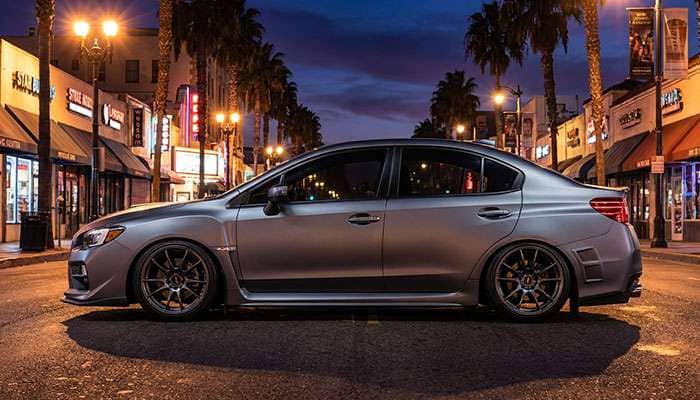
Your wheel selection should match your specific driving goals and budget considerations. We recommend identifying your primary use case before making any purchasing decisions.
Daily drivers need wheels that balance style with practical durability. Cast aluminum wheels from manufacturers like Konig offer excellent value for everyday use. The Hypergram model delivers reliable performance without the premium price of forged options.
Track enthusiasts require different priorities entirely. Forged wheels from Volk Racing or Titan 7 provide the strength and weight savings essential for competitive driving. Many serious track drivers maintain separate wheel sets – one for daily driving and another dedicated to track events.
Stance-focused builds prioritize aggressive fitment with offsets below +30mm for maximum visual impact. Performance-oriented setups maintain optimal suspension geometry with conservative offsets between +35mm and +45mm.
Extreme fitments with stretched tires reduce your tire's contact patch, which can compromise the WRX's all-wheel-drive traction advantages. Consider your priorities carefully before committing to aggressive stance modifications.
Widebody modifications make sense when you're planning:
Tire widths exceeding 265mm
Substantial suspension upgrades
Aggressive wheel offsets requiring additional clearance
Budget for significant investment – quality widebody kits start around $3,000 for parts alone, with professional installation and paint potentially doubling that cost. Modular fender flares often provide better value and daily practicality than complete widebody conversions.
Choose wheels based on these essential factors:
Match wheel specifications to your driving conditions
Consider weight impact on acceleration and handling
Verify proper load ratings for safety compliance
Confirm brake caliper clearance before purchase
Shop by vehicle specification to ensure compatibility
At Performance Plus Tire, we offer wheels specifically matched to your WRX generation and trim level. Our vehicle-specific search eliminates guesswork and ensures perfect fitment for your Subaru.
Subaru WRX aftermarket wheels represent one of the best performance upgrades you can make to enhance both appearance and driving capabilities. Understanding your specific generation requirements—from narrow-body pre-2011 models to the latest VB generation—ensures you select wheels that deliver maximum performance benefits while avoiding costly compatibility issues.
The 18x9.5 +38 configuration has emerged as the enthusiast favorite for good reason. This setup provides exceptional balance between aggressive styling and functional performance across most WRX generations. Proper attention to brake clearance, suspension geometry, and tire sizing guarantees your wheels improve rather than compromise your driving experience.
Your wheel selection should match your driving priorities. Track enthusiasts need different specifications than daily drivers, and each approach offers distinct advantages when properly executed. The right research protects your investment and unlocks your WRX's full potential.
At Performance Plus Tire, we carry the best selection of custom wheels at the lowest prices. Our expert team understands WRX fitment requirements and can guide you through the selection process to find the perfect match for your specific model and goals. We offer a huge selection and inventory of the latest designs from all the top brands, ensuring you get both style and performance.
Performance Plus Tire makes finding your ideal wheel setup simple with our vehicle-specific search tools and fitment guarantee. The right wheels transform your WRX's capabilities while preserving the engineering excellence that makes these vehicles legendary performers. Ready to upgrade your ride? We're here to help you find the perfect wheels for your Subaru WRX.
Master these essential fitment principles to select aftermarket wheels that enhance both performance and esthetics for your Subaru WRX.
• Know your generation's specs: Pre-2015 WRX uses 5x100 bolt pattern; 2015+ models use 5x114.3 with 56.1mm hub bore for proper compatibility.
• 18x9.5 +38 is the sweet spot: This popular configuration provides near-flush fitment without major modifications on most WRX generations.
• Match wheels to your driving goals: Daily drivers need practical cast wheels; track builds require lightweight forged options for maximum performance.
• Consider technical factors first: Brake clearance, suspension setup, and tire sizing affect fitment more than esthetics—plan modifications accordingly.
• Avoid extreme offsets below +30mm: Conservative offsets between +35mm to +45mm maintain proper suspension geometry and prevent clearance issues.
The right wheel selection transforms your WRX's capabilities while preserving the engineering integrity that makes these vehicles legendary performers.
The most popular aftermarket wheel setup for Subaru WRX is 18x9.5 with a +38 offset. This configuration provides a near-flush appearance without requiring significant modifications on most WRX models.
To ensure proper fitment, consider your WRX's generation, bolt pattern, hub bore, brake clearance, and suspension setup. Measure the offset and compare wheel dimensions to your wheel well. For most WRX models, offsets between +30mm to +45mm work well.
Wheel offset is the distance from the wheel's centerline to its mounting surface. It's crucial because it affects how the wheel sits in the wheel well, impacting clearance, handling, and appearance. For WRX, offsets around +38mm are popular for aftermarket wheels.
Yes, daily drivers benefit from practical, lightweight cast aluminum wheels, while track enthusiasts should consider forged wheels for maximum strength and minimal weight. Many serious enthusiasts use two wheel sets: one for daily use and another for track days.
It depends on the wheel and tire combination you choose. Minor modifications like fender rolling or camber adjustments may be necessary for more aggressive setups. However, popular fitments like 18x9.5 +38 often fit without modifications on stock suspension.



