
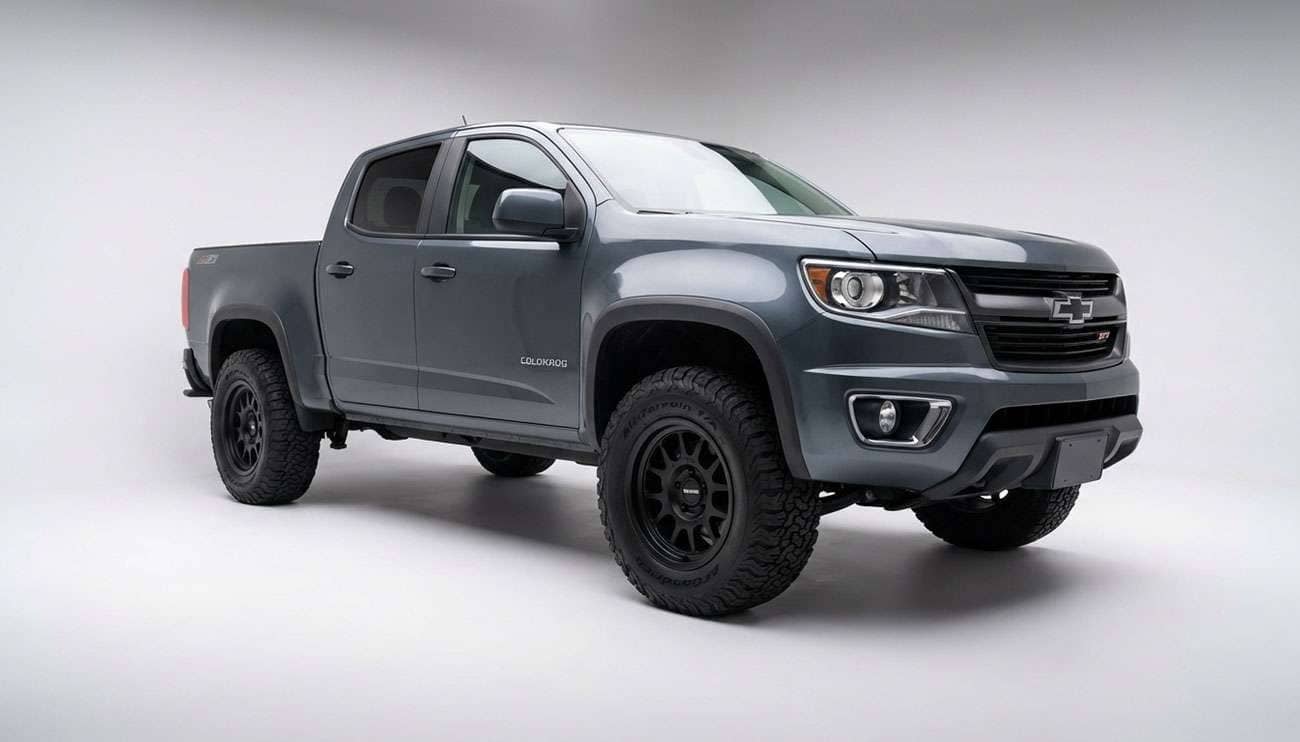
When it comes to Chevrolet Colorado aftermarket wheels, getting the fitment right starts with one critical measurement: the 6x139.7mm bolt pattern that returned with the third generation in 2023. This bolt pattern represents the circle formed by your truck's lug nuts and determines exactly which wheels will mount properly on your Colorado.
Wheel fitment mistakes can cost you hundreds of dollars in returns, create dangerous driving conditions, and damage your truck's performance. We've seen too many Colorado owners learn this the hard way. The key specifications you need to know include the bolt pattern (6x139.7mm), lug thread size (m14x1.5), center bore (78.1mm), and proper torque specification (140 ft/lbs) for safe installation. Tire sizing matters just as much - stock suspension Colorados can accommodate up to 255/75R17 (32-inch) tires, while Trail Boss models come factory-equipped with 33-inch tires.
Here's what makes Colorado wheel shopping tricky: the bolt pattern actually changed between generations. The third generation uses 6x139.7mm, but the second generation (2012-2023) used 6x120mm. This means wheels from different Colorado generations aren't interchangeable without adapters.
We've put together this complete guide to help you select the perfect wheels for your Colorado without the guesswork. You'll learn the essential fitment basics, understand how different trim levels affect your options, and discover how lift kits open up new wheel and tire possibilities. Whether you want to enhance your truck's street presence or build serious off-road capability, we'll show you exactly what works.
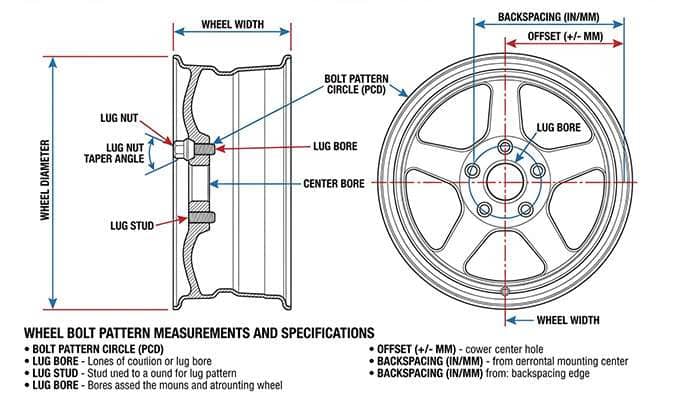
Finding the right Chevrolet Colorado aftermarket wheels comes down to mastering three essential fitment specifications. These aren't just numbers on a spec sheet—they're the difference between wheels that bolt on perfectly and ones that create expensive headaches.
Your Colorado's bolt pattern determines which wheels will physically mount to your truck. This measurement counts the lug nuts and measures the circle they form around the hub. Here's where Colorado owners need to pay attention:
First generation (2004-2012): 6x139.7mm bolt pattern
Second generation (2012-2023): 6x120mm bolt pattern
Third generation (2023-present): Back to 6x139.7mm
The generation differences matter more than you might think. A wheel designed for a 2015 Colorado won't fit a 2024 model without adapters, despite both being Colorados. Lug nut threading varies too—early models use M12x1.5mm while newer trucks typically require M14x1.5mm. Always torque to the proper specification of 140 Nm (103.5 ft-lb) for safe installation.
Offset controls where your wheels sit relative to your truck's centerline. Measured in millimeters, this number determines whether your wheels tuck inward or extend outward from the fenders.
Positive offset moves the mounting face toward the wheel's outside edge, keeping more wheel tucked under the fender. Negative offset does the opposite, pushing wheels outward for a wider stance. Colorado offset specifications typically run:
First generation: +30mm to +40mm
Second generation: +25mm to +45mm, with aftermarket options from -12mm to +40mm
Off-road trims (ZR2, Trail Boss): Reduced offsets for enhanced stability
Get offset wrong and you'll face real problems. Too much positive offset can cause brake caliper interference, while excessive negative offset leads to fender rubbing, bearing stress, and handling issues that affect both performance and safety.
Center bore refers to the large hole in your wheel's center that fits over the hub. All Colorado generations use a consistent 66.9mm center bore, making this one of the easier specifications to match.
Proper center bore sizing serves two vital purposes. First, it creates a hub-centric fit where the wheel centers perfectly on the hub, eliminating vibration and distributing weight evenly. Second, it prevents your wheel's entire weight from hanging on the lug nuts alone.
Many aftermarket wheels feature oversized center bores to fit multiple vehicle applications. Hub-centric rings—simple metal or plastic adapters—fill the gap between the wheel bore and your Colorado's hub for a proper fit. Without these rings, you create a lug-centric setup where only the lug nuts center the wheel, often resulting in annoying vibrations.
Proper fitment goes beyond just making wheels bolt on. These three specifications ensure your Colorado drives, handles, and performs exactly as intended with its new wheels.
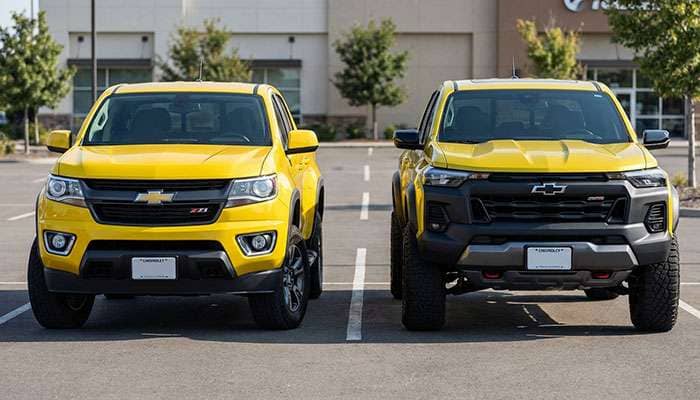
Your Colorado's trim level determines more than just features - it directly affects which aftermarket wheels will fit properly. Each trim comes with different suspension setups and clearances that can make or break your wheel upgrade.
The base Work Truck (WT), LT, and Z71 trims make aftermarket wheel selection straightforward since they share similar fitment requirements. These standard trims feature:
Factory wheel diameters from 17" to 18"
Stock offset between +30mm to +44mm
Standard suspension height with no factory lift
Most aftermarket wheels with the correct 6x139.7mm bolt pattern work as direct replacements on these trims. The sweet spot for these trucks is staying close to the factory +38mm offset. Go much wider than this, and you'll run into suspension component interference during full lock steering. Wheel widths over 9 inches often need minor fender modifications to prevent tire contact during compression.
The ZR2 and AT4X present different challenges because of their aggressive off-road setup:
Factory 2-inch lift over standard models
Wider track width (3.5 inches broader than base trims)
Flared fenders to cover the wider stance
These models need specific offset considerations. Factory wheels typically run +25mm to +30mm offset - much less positive than standard trims. This positions the wheels further outward to match the wider track.
Installing standard Colorado offset wheels (+38mm to +44mm) on a ZR2 or AT4X pushes the tires too far inward, creating an awkward appearance and potentially affecting performance. Extremely negative offset wheels can extend past the fender flares, which may cause legal issues in some areas.
Trail Boss and AT4 trims split the difference between standard and full off-road configurations:
Modest 1-inch lift over standard height
Wider stance than base models but narrower than ZR2/AT4X
Enhanced fender clearance for larger tires
For these mid-level off-road trims, target wheel offsets around +30mm to +35mm for the best clearance and appearance balance. The Trail Boss comes standard with 17-inch wheels and 32-inch tires, leaving room for upgrades.
Wheel width becomes critical here. Standard Colorados max out around 9 inches wide, but Trail Boss and AT4 models can often handle 9.5-inch wheels without modifications thanks to their improved clearance. Beyond this width, you'll need to carefully calculate offset to prevent rubbing.
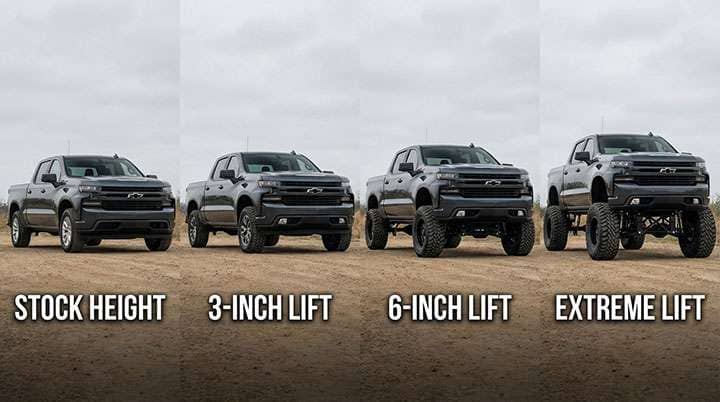
Lifting your Chevrolet Colorado unlocks wheel and tire combinations that stock suspension simply can't accommodate. Different lift heights create specific fitment opportunities that dramatically expand your customization options.
Leveling kits offer the most affordable entry into lifted Colorado territory. These kits eliminate the factory rake by raising just the front end, and they're popular because installation is straightforward and driving characteristics remain nearly stock. You get improved ground clearance without the complexity of a full lift system.
Three-inch lift kits strike the perfect balance for most Colorado owners. These systems include tubular steel upper control arms with adjusted ball joint angles to maintain proper suspension geometry. Quality 3-inch kits like ReadyLift provide a 3" front and 1" rear lift, creating an aggressive appearance while preserving daily drivability.
Six-inch lift kits completely transform your Colorado's capabilities. These comprehensive systems often require new steering knuckles and may need spacers to work with factory wheels. The investment is significant, but the payoff comes in maximum ground clearance and the ability to run the most dramatic wheel and tire packages available.
Each lift height unlocks specific tire size ranges:
Leveling kit: Supports wheels from 17x8.5 to 20x10 with tires from 265/65-17 to 285/65-20. The most popular setup uses 20x9 +12 wheels with 265/50R20 tires.
3-inch lift: Accommodates 17x9 to 20x12 wheels with tires from 265/70-17 up to 33"x12.5" on 20" wheels. ReadyLift 3" kits specifically allow 285/75-17 (approximately 33") tires with proper wheel offset.
6-inch lift: Enables the most aggressive setups including 18x9 to 22x12 wheels paired with tires from 285/65-18 to 305/55-22, with 33"x12.5" being a common choice across all wheel sizes.
Rubbing typically occurs at full steering lock or during suspension compression. Leveling kits commonly experience interference at the sway bar and frame rails. With 3-inch lifts, the outer fender becomes the main concern, particularly with wider tires.
Here's how to avoid rubbing issues:
Match wheel offset to your lift height - higher lifts need less positive offset to prevent interference
Use wheel spacers for minor clearance problems, though these move tires closer to fenders
Trim inner fender wells for mild rubbing - a simple fix that resolves most issues
Consider tire construction - E-rated tires with stiff sidewalls ride harsher than standard C-rated tires
Proper alignment after installation is essential regardless of lift height. Altered suspension geometry affects both tire wear and handling, so professional alignment ensures optimal performance and tire life.
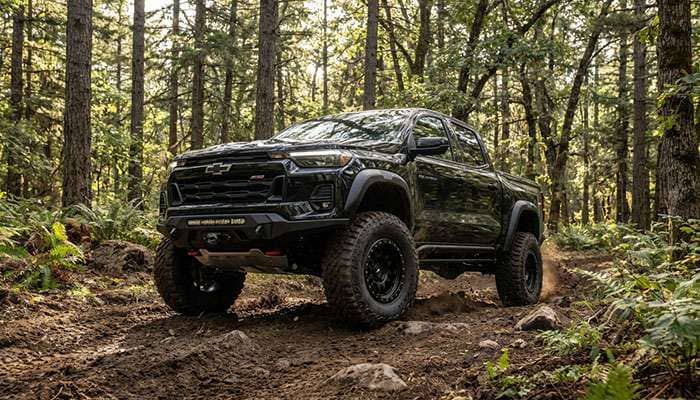
Choosing the right aftermarket wheels for your Colorado comes down to matching the right specifications with your specific goals. This isn't just about making your truck look good—it's about finding wheels that enhance performance and deliver the capabilities you need.
Wheel diameter makes a huge difference in both appearance and performance. Colorado aftermarket wheels range from 16 to 26 inches in diameter with widths from 7 to 10 inches. Here's how to choose the right size for your needs:
Off-road enthusiasts get the best performance from 17-inch wheels. The extra tire sidewall absorbs impacts better on rough terrain and reduces the risk of wheel damage. Popular combinations for leveling kits include 17x8.5 and 18x9 wheels with all-terrain tires that provide excellent ground clearance.
Street-focused Colorado owners should consider larger diameters for maximum visual impact. Twenty-inch wheels create an aggressive stance that turns heads. Stock suspension Colorados handle 20x9 wheels exceptionally well, delivering great looks without compromising ride quality.
Colorado offset ranges typically span -22mm to +55mm, but certain combinations work better than others:
Stock-height trucks perform best with +30mm to +45mm offsets. These maintain proper clearance while keeping the wheels positioned correctly. We recommend staying conservative with width—8.5-inch wheels provide excellent tire support without extending beyond the fenders.
Lifted Colorados can handle more aggressive fitments. Three-inch lifts open up options for 18x9 to 20x10 wheels with reduced offsets around +18mm. This positions the tires further outward for better stability and a wider stance.
Hub-centric wheels feature center bores that match your Colorado's hub diameter exactly. This creates perfect centering and distributes weight evenly across all wheel studs. The result is smooth operation and minimal vibration.
Lug-centric wheels rely only on lug nuts for centering. While these cost less initially, they often create subtle vibrations and put extra stress on the wheel studs, which can cause them to stretch or fail over time.
If you find wheels with oversized center bores, hub-centric rings solve the problem perfectly. These adapters create the proper fit while maintaining all the benefits of hub-centric mounting.
Ready to find the perfect wheels for your Colorado? Browse a wide selection of compatible options that combine proper fitment specifications with your desired style and performance characteristics.
Colorado owners often ask us what actually works in the real world, beyond just technical specifications. Here's what we've learned from years of helping customers find the perfect wheel and tire combinations.
Stock WT and LT Colorados can handle 255/75R17 (32-inch) tires without any modifications. This represents the largest tire size you can safely run before clearance becomes an issue. Some Colorado owners have successfully run 265/70R17 tires, though you may experience minor rubbing at full steering lock.
If you prefer larger wheel diameters, 265/65R18 tires offer a conservative upgrade that maintains factory ride characteristics while providing a more aggressive appearance. These combinations work well for daily driving without the expense and complexity of suspension modifications.
Off-road builds require wheels and tires designed to handle rough terrain. Here are combinations that consistently deliver excellent results:
Z71 with stock suspension: 265/70R17 Nitto tires mounted on Method wheels with negative offset provide outstanding trail performance
Light trail use: 275/65R18 tires on 18x9 wheels with +0mm offset offer enhanced traction while maintaining street manners
ZR2/AT4X owners: Upgrading to aftermarket wheels like Black Rhino Shogun maintains your factory lift advantage while improving style
These combinations balance off-road capability with daily driving comfort, giving you the best of both worlds.
Wheel spacers can solve clearance problems and enhance your Colorado's stance. For minor rubbing issues, 1/2-inch (12mm) spacers usually provide enough clearance. Most Colorado owners find 1.25-inch to 1.5-inch spacers create an aggressive appearance without requiring alignment adjustments.
Always choose hub-centric spacers from reputable manufacturers like BORA to prevent vibration problems. Install spacers using the proper torque pattern—create two triangles across the hub when tightening—and recheck torque after 100 miles.
Looking to find the perfect wheel and tire combo for your Chevy Colorado? Browse a complete selection at Performance Plus Tire.
Selecting the right aftermarket wheels for your Chevrolet Colorado doesn't have to be complicated when you understand the essential fitment factors. We've covered everything from the critical 6x139.7mm bolt pattern to how different trim levels affect your options, giving you the knowledge to make smart wheel choices for your truck.
Your Colorado's wheel upgrade starts with knowing your truck's specifications and matching them to your driving goals. Whether you're building an aggressive street presence, serious off-road capability, or just want better looks with factory performance, the right combination exists. Proper fitment means more than just bolting on wheels—it means safety, performance, and getting the most from your investment.
Lift kits open up exciting wheel and tire possibilities, from simple leveling kits to dramatic 6-inch setups. The key is matching your wheel offset to your lift height to avoid clearance problems that cost time and money. We've shown you exactly what works in real-world applications, not just theory.
Quality aftermarket wheels from reputable manufacturers give you the best combination of style, performance, and reliability. Your Colorado deserves wheels that enhance its capabilities while reflecting your personal style. The right setup improves both how your truck looks and how it performs.
Ready to upgrade your Colorado's wheels? Browse our extensive selection of custom wheels designed specifically for proper Chevrolet Colorado fitment, or contact our expert team for personalized guidance on your wheel selection.
Understanding proper wheel fitment is crucial for safety, performance, and avoiding costly mistakes when upgrading your Chevrolet Colorado.
• Know your Colorado's bolt pattern: Third-gen (2023+) uses 6x139.7mm, while second-gen (2012-2023) uses 6x120mm - wheels aren't interchangeable between generations.
• Match offset to your setup: Stock Colorados need +30mm to +45mm offset, while lifted trucks require less positive offset to prevent rubbing issues.
• Trim levels affect fitment: ZR2/AT4X models have wider track widths and need different offset specifications than standard WT/LT/Z71 trims.
• Lift height determines tire size limits: Leveling kits allow up to 32" tires, 3-inch lifts accommodate 33" tires, while 6-inch lifts enable the most aggressive combinations.
• Hub-centric wheels prevent vibration: Choose wheels with proper 66.9mm center bore or use hub-centric rings to ensure smooth operation and even weight distribution.
The key to successful wheel upgrades lies in balancing technical specifications with your driving goals - whether prioritizing off-road capability, street performance, or aggressive appearance.
The bolt pattern for third-generation Chevrolet Colorado trucks (2023 and newer) is 6x139.7mm. It's important to note that this differs from the second-generation models (2012-2023), which used a 6x120mm pattern.
Wheel offset significantly impacts fitment on Chevrolet Colorados. Stock models typically require a positive offset between +30mm to +45mm. However, lifted trucks or those with wider tires may need less positive offset to prevent rubbing issues.
Tire size capacity increases with lift height. A leveling kit usually allows up to 32-inch tires, a 3-inch lift can accommodate 33-inch tires, while a 6-inch lift enables the most aggressive tire combinations, often exceeding 33 inches.
Yes, there are notable differences. Off-road focused trims like the ZR2 and AT4X have wider track widths and require different offset specifications compared to standard WT, LT, and Z71 trims. This affects wheel and tire selection.
Hub-centric wheels have a center bore that precisely matches the truck's hub diameter (66.9mm for Colorados). These wheels ensure even weight distribution and prevent vibration issues. If using wheels with larger center bores, hub-centric rings can be used to achieve proper fitment.



