
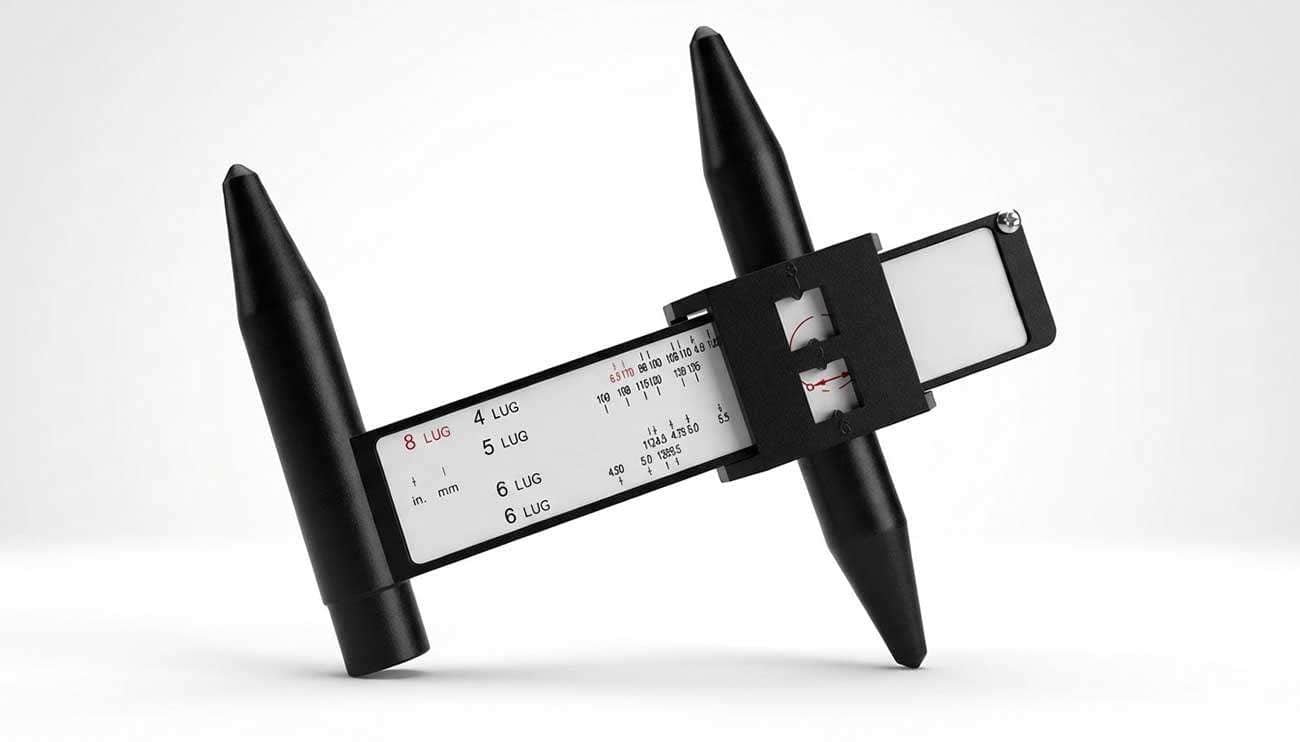
The 6x139.7 bolt pattern stands as one of the most common wheel configurations you'll encounter on trucks and SUVs today. This specific pattern features 6 studs positioned in a precise circle with a 139.7mm diameter, creating the foundation for proper wheel fitment. Getting this specification right is crucial when shopping for new wheels or rims for your vehicle.
You'll find the 6x139.7 configuration across an impressive range of manufacturers. Popular brands including Acura, Cadillac, Chevrolet, GMC, Ford, Isuzu, Nissan, and Toyota all use this pattern. Even international manufacturers like BAIC, BAW, BYD, Changan, and Chery rely on this same specification. This widespread use means you have plenty of wheel options to choose from, but understanding your vehicle's exact requirements still matters.
This guide breaks down everything you need to know about the 6x139.7 measurement, shows you how to verify compatibility with your vehicle, and identifies which specific trucks and SUVs use this pattern. Whether you're upgrading for style or performance, mastering these bolt pattern basics will help you select the right wheels for your ride.
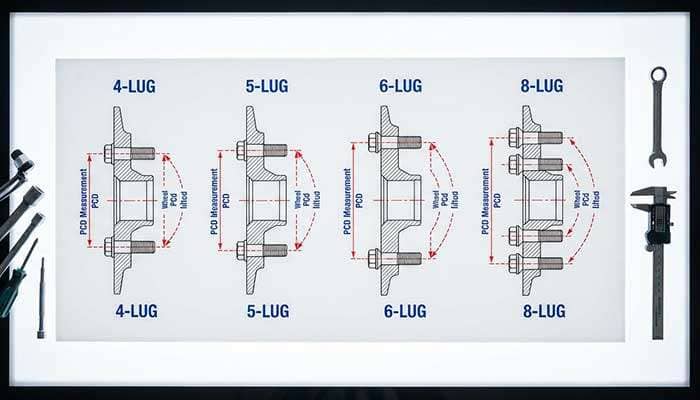
Wheel specifications involve precise measurements that determine proper fitment. The 6x139.7 bolt pattern represents specific dimensions that must match your vehicle exactly for safe installation.
The 6x139.7 designation contains two critical measurements. The first number "6" indicates the count of lug nuts or bolts on your wheel. The second number "139.7" represents the Pitch Circle Diameter (PCD) measured in millimeters. This measurement defines the diameter of an imaginary circle that passes through the center of all lug holes.
Trucks, SUVs, and larger vehicles commonly use this specification because it provides superior strength for heavy-duty applications. The six-point configuration distributes weight more effectively than four or five-lug patterns, making it ideal for vehicles that haul heavy loads or tackle rough terrain.
Pitch Circle Diameter represents the bolt pattern measurement. For 6x139.7 wheels, the 139.7mm component determines physical compatibility with your vehicle's hub.
Even small variations in PCD prevent proper installation. The measurement must match your vehicle's specifications exactly to ensure safe operation and correct installation. Six-lug patterns measure PCD as the distance between the centers of two opposite bolt holes.
6x139.7 and 6x5.5 describe identical bolt patterns. The difference lies only in measurement units – metric versus imperial. Converting 139.7mm by dividing by 25.4 equals approximately 5.5 inches.
Automotive manufacturers use both naming systems depending on their market focus. North American brands typically specify 6x5.5, while international standards favor 6x139.7. Both terms describe the same wheel configuration.
Important note: 6x139.7 differs significantly from similar patterns like 6x135mm, which measures 5.31 inches and will not interchange.
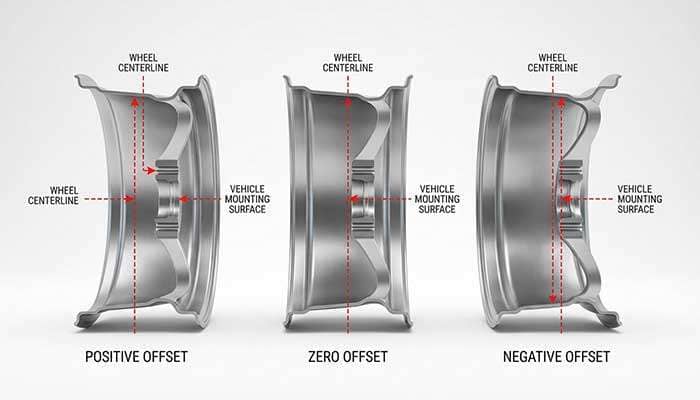
Getting the bolt pattern right is just the beginning. Several additional measurements determine whether your new wheels will fit properly and perform safely on your truck. These specifications are just as critical as the bolt pattern itself.
Wheel offset measures the distance between the wheel's centerline and its mounting surface in millimeters. For 6x139.7 trucks, you'll typically see offsets ranging from +25mm to -12mm. A zero offset (ET0) works well for most Toyota Land Cruiser vehicles, giving you a wider stance and better off-road stability. When dealing with 300-series Land Cruisers, a more conservative +25mm offset helps ensure proper brake clearance. Many aftermarket wheels offer +24mm offsets for stock-like fitment, while negative offsets like -10mm create a more aggressive, pushed-out appearance.
The center bore diameter must match your vehicle's hub for proper mounting. Common center bore sizes for 6x139.7 vehicles include 78.1mm for Chevrolet and GMC trucks, 95.1mm for newer Toyota models, and 106.1mm for Ford Bronco and Ranger applications. Hub-centric wheels create a direct extension of your axle hub, ensuring precise fitment while reducing stress on your lug hardware. This design provides significantly better safety and smoother operation compared to non-hub-centric alternatives.
While offset measures from the centerline, backspacing represents the distance from the mounting surface to the wheel's back edge. Backspacing is typically measured in inches rather than millimeters. A 7-inch wide wheel with 3.5-inch backspacing equals zero offset. Getting backspacing wrong can cause your tires to rub against suspension components or fenders. Proper backspacing ensures adequate clearance for brake calipers, suspension movement, and steering components to operate without interference.
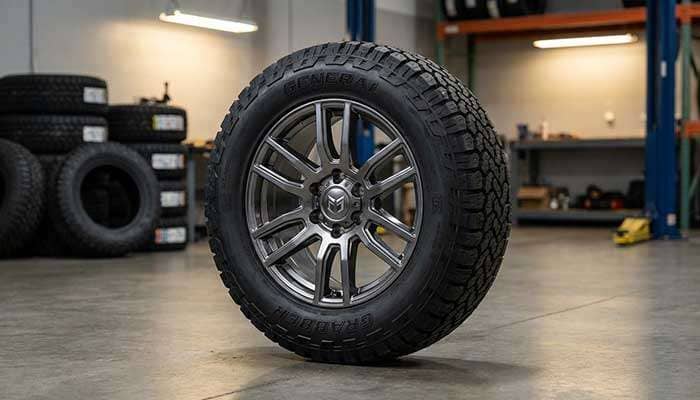
The 6x139.7 bolt pattern appears across some of the most popular truck and SUV models in the market. This widespread adoption makes it one of the most common configurations for aftermarket wheel upgrades.
Chevrolet Silverado 1500 (1999-2025) uses this pattern as standard equipment, along with the Tahoe (1995-2026) and Suburban models (2007-2026). The 6x139.7 configuration is often considered the most common pattern for trucks, especially Chevy 1500 trucks.
Toyota Tacoma (1995-2025) and 4Runner (1989-2026) both feature this bolt pattern. Early Land Cruiser models (1980-1997) also share this specification. Newer Land Cruiser models (1998-2014) switched to a 5x150mm pattern.
Nissan Frontier (1998-2016), Titan (2004-2024), and Xterra (1999-2004) all use this bolt pattern. This shared specification allows wheel interchangeability among these Nissan models.
Ford Ranger (1999-2025) and the newer Bronco (2021-2025) models feature this pattern. Most F-150s do not share this compatibility.
GMC Sierra 1500 trucks (1988-2025) and Yukon SUVs (1991-2025) consistently use this bolt pattern.
Isuzu D-Max (2002-2025) and MU-X (2013-2025) also feature the 6x139.7 bolt pattern. Older Isuzu Pickup models (1983-1995) share this same specification.
Finding compatible wheels for your 6x139.7 bolt pattern vehicle is easier than ever with the right tools and resources. Modern technology has simplified what used to be a complicated process.
Wheel-Size.com serves as "the world's largest wheel fitment database". This powerful resource lets you search wheels by vehicle specifications, tire size, or rim dimensions. Enter your vehicle's make, year, and model to see all compatible wheel options instantly. The database includes detailed measurements like offset ranges and center bore specifications, giving you precise fitment data for your specific vehicle.
Online calculators make wheel upgrade planning simple and accurate. These tools let you compare your current setup with potential new configurations side by side. Quality calculators accept inputs for suspension type, ride height, and fender modifications. These tools catch potential clearance problems before you buy, preventing expensive mistakes on incompatible equipment.
Your vehicle's original equipment manufacturer (OEM) specifications serve as the starting point for any wheel upgrade. Many online retailers provide bolt pattern guides where finding your pattern "takes just a few clicks". For expert assistance with your 6x139.7 bolt pattern search, visit Performance Plus Tire where our fitment specialists can guide you through our extensive selection of compatible wheels and verify proper specifications for your specific make and model.
The 6x139.7 bolt pattern represents one of the most versatile wheel configurations available for trucks and SUVs today. This guide has equipped you with the essential knowledge to make informed wheel upgrade decisions for your vehicle. The six-lug arrangement in a 139.7mm circle provides the strong foundation needed for proper fitment across numerous makes and models.
Successful wheel selection requires attention to more than just bolt pattern compatibility. Offset ranges, center bore specifications, and backspacing measurements work together to ensure proper fitment and performance. Getting these details right prevents expensive mistakes and maintains safety standards.
The popularity of this bolt pattern across Chevrolet, Toyota, Nissan, Ford, GMC, and Isuzu models gives you extensive wheel options to choose from. This widespread adoption simplifies your search while still requiring careful verification of compatibility.
Modern fitment tools and databases make finding the right wheels easier than ever. Online calculators help you avoid clearance issues before purchase. For expert assistance with your 6x139.7 bolt pattern search, Performance Plus Tire's dedicated bolt pattern page offers a comprehensive selection of compatible wheels with professional fitment guidance.
You now have the knowledge to shop confidently for wheels that match your vehicle's exact specifications. Small measurement differences can affect fitment significantly, making verification essential before any purchase. The right wheels enhance both your vehicle's appearance and performance while maintaining safety standards.
Understanding the 6x139.7 bolt pattern is essential for truck and SUV owners looking to upgrade their wheels safely and effectively.
• 6x139.7 equals 6x5.5 - These measurements are identical, just using metric vs. imperial units for the same bolt pattern configuration.
• Popular across major brands - Chevrolet Silverado, Toyota Tacoma, Nissan Frontier, Ford Ranger, and GMC Sierra all use this common pattern.
• Beyond bolt pattern matters - Offset (+25mm to -12mm), center bore (78.1-106.1mm), and backspacing must match for proper fitment.
• Use fitment databases - Tools like Wheel-Size.com and online calculators help verify compatibility before purchasing to avoid costly mistakes.
• Exact measurements required - Even small differences in specifications can prevent proper installation, making precise verification crucial for safety.
This widespread bolt pattern makes finding compatible wheels easier, but proper verification of all specifications remains essential for safe installation and optimal performance.
Many popular trucks and SUVs use this bolt pattern, including the Chevrolet Silverado, Toyota Tacoma, Nissan Frontier, Ford Ranger, and GMC Sierra. It's also found on models like the Toyota 4Runner, Chevrolet Tahoe, and Isuzu D-Max.
Yes, 6x139.7 and 6x5.5 refer to the exact same bolt pattern. The difference is simply in the measurement system used - 139.7mm in metric is equivalent to 5.5 inches in imperial measurements.
While the bolt pattern is crucial, you should also consider the wheel offset (typically ranging from +25mm to -12mm for 6x139.7 wheels), center bore size (common sizes include 78.1mm, 95.1mm, and 106.1mm), and backspacing. These measurements ensure proper fitment and clearance.
You can use online fitment databases like Wheel-Size.com, which allow you to search by vehicle make and model. Additionally, tire and wheel calculators can help determine offset and clearance. Always check your vehicle's OEM specifications and consult with fitment experts when in doubt.
While many trucks share this bolt pattern, wheels are not always directly interchangeable between different brands or models. Other factors like offset, center bore, and vehicle-specific clearance requirements can affect fitment. Always verify complete compatibility before attempting to use wheels from a different vehicle.



