
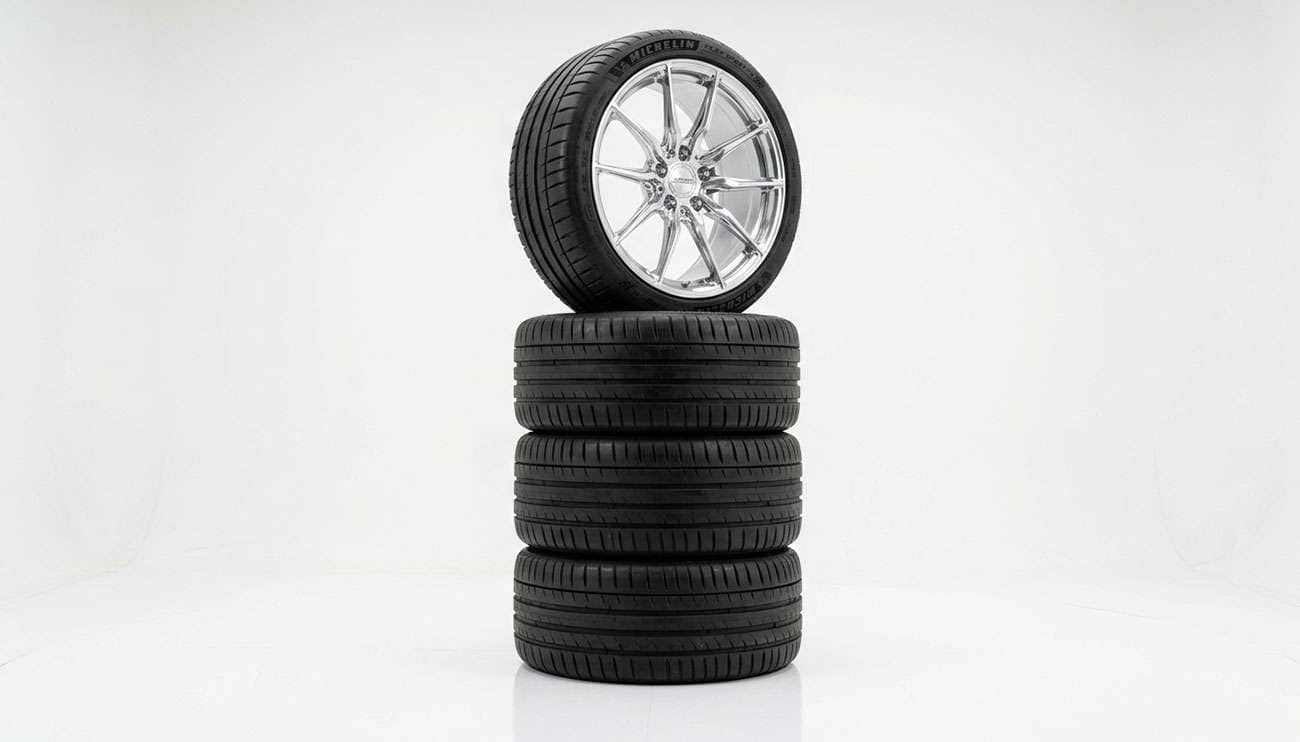
Folks ask me all the time whether they can finance tires and rims, and the short answer is yes, you sure can. But that's not really the question on most people's minds when they're standing in my shop. The real question is the trickier one: should you finance the whole shebang, fresh wheels and tires together, or just put new rubber on the rims you've already got? That's the call worth thinking through, and I've watched plenty of customers go both directions over the years.
I remember a young fella who came in wanting a set of Torq Thrust D wheels under his project car but figured he'd just finance the tires and save up for the rims later. Took him a year and a half. Meanwhile a buddy of his financed the complete package the same week, drove off looking sharp, and paid the same monthly note. Different choices, and neither one was wrong, exactly. It just depends on your situation. Let me walk you through how I'd sort it out.
Let's clear this up first. You can finance tires by themselves, and you can finance a complete wheel-and-tire package on the same kind of plan. Most of the payment options we work with don't care whether your cart holds four tires or four tires bolted to four shiny rims. It's one application, one approval, and one monthly payment either way. If you've never done it before, here's a plain-English rundown of how tire financing actually works, and a broader guide on financing wheels and tires together.
So the "can I" part is settled. Bundling the rims in doesn't add hoops to jump through. What it does change is the size of the purchase, and that's where you've got a decision to make.
Here's something a lot of people miss. When you finance a full wheel-and-tire package, you're usually putting one larger purchase on one plan, and that often means the mounting, balancing, and any hardware get rolled right in too. You're not making a separate trip and a separate payment to put rubber on the new rims down the road. It's all handled at once.
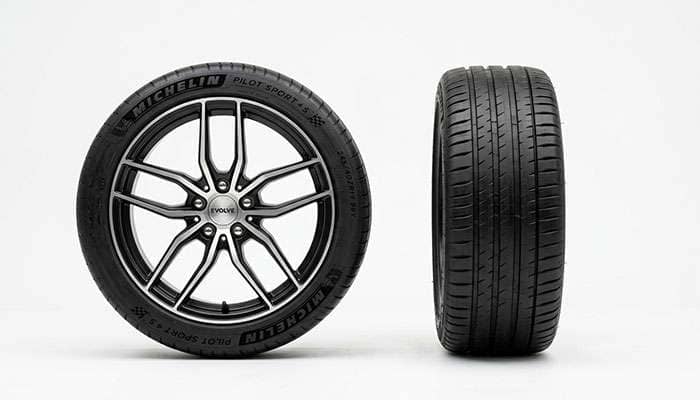
There's a convenience angle and sometimes a cost angle. Packages are frequently priced as a set, and they show up mounted, balanced, and ready to bolt on. We've covered why packages come balanced and ready and whether buying rims and tires together saves money, and the short of it is that bundling can shave some cost and a whole lot of hassle. When you finance that bundle, all of it lands on the same note.
Now the part everybody wants to see: what's it do to the payment? A full package costs more up front than tires alone, naturally, because you're adding the rims. But spread across a financing term, the difference in the monthly note is usually smaller than people expect. Here's a rough, illustrative example to show the shape of it. Your actual numbers depend on the products, the lender, and your approval.
Factor |
Tires Only |
Full Wheel-and-Tire Package |
|---|---|---|
What you get |
Four new tires on your existing rims |
Four new tires and four new wheels, mounted and balanced |
Up-front total (example) |
Lower, just the rubber and labor |
Higher, adds the cost of the wheels |
Effect on monthly payment |
Smallest note |
Larger note, but spread over the term the gap narrows |
Second trip later? |
Likely, if you still want new rims down the road |
No, it's done in one shot |
Best for |
Rims you already like, tightest budget |
A full refresh, new look and new rubber at once |
The lesson I drill into folks is to look at the total you'll pay over the whole term, not just the monthly figure. A bigger purchase on a longer plan can feel painless month to month and still cost real money by the end. Run the math both ways before you sign. If you want a baseline for what fair pricing looks like, here's my take on how much a good tire should cost.
Financing just the tires is the smart play in a few clear cases. If you already like the rims on your car and they're in good shape, there's no reason to pay to replace them. If your budget is tight and you need safe rubber under you right now, tires alone keep the purchase as small as it can be. And if you're driving a vehicle you don't plan to keep long, dumping money into new wheels you'll leave behind doesn't make a lot of sense.
In all those situations, keep the purchase lean. New tires on your current wheels solve the actual problem, which is traction and safety, without financing a cosmetic upgrade you don't need yet.
The full package earns its keep when you're after a real transformation and you want it done in one motion. Say you're freshening up a daily driver or finally putting the right look under a project. A set of classic American Racing Torq Thrust D wheels wrapped in BFGoodrich Radial T/A rubber turns a tired ride into something you're proud to park out front, and financing the pair means you drive off with the whole look today instead of in stages.
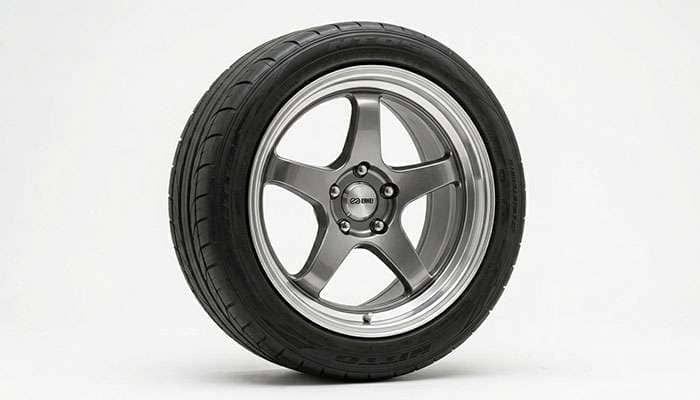
It also makes sense when your current rims are corroded, bent, or just plain ugly, because you'd be replacing them eventually anyway. Doing it all at once saves you a second financing application and a second labor charge. Just go in with eyes open about whether bundling the rims is a genuine want, because financing rims isn't always the right move, and an honest shop will tell you so.
Whichever way you go, read the agreement like you mean it. Look at the total cost over the full term, not just the monthly number. Find out if there's an early-payoff option, because paying a lease-to-own plan off early can save you a bundle, and a lot of folks don't realize they can. Check what credit profile the plan needs, since terms vary, and our guide on what credit score tire financing requires lays that out.
I'm not here to give you financial advice for your particular wallet, that's your call to make. What I will tell you is that the smart buyers I've worked with treat financing as a tool, not a free lunch. They borrow for what they truly need, they understand the total they're agreeing to, and they pay it down as fast as they sensibly can. Do that, and financing a package or financing tires alone both work out just fine.
So should you finance the whole wheel-and-tire package or just the tires? Finance tires alone when your rims are good, your budget is tight, or the car's a short-timer. Go for the full package when you want a complete refresh in one shot, your current rims are shot anyway, or the convenience of doing it all at once is worth it to you. Either path is financeable on one simple plan. Just look at the total cost, read the fine print, and buy what you actually need. When you're ready, come see us and we'll lay out the options and help you put the right setup under your car.
Yes. A complete wheel-and-tire package can be financed on the same kind of payment plan as tires alone, typically with one application, one approval, and one monthly payment. Bundling the rims in usually rolls the mounting and balancing into the same purchase, so it's handled in a single transaction.
It depends on your situation. Finance tires alone if your current rims are in good shape, your budget is tight, or you won't keep the vehicle long. Choose the full package when you want a complete refresh at once, your rims need replacing anyway, or you value doing it all in one trip. Compare the total cost over the full term for both before deciding.
A package costs more up front because it adds the wheels, but spread across a financing term the difference in the monthly payment is often smaller than buyers expect. The more important number is the total you pay over the whole term, so review that figure rather than focusing only on the monthly note.
Many plans, especially lease-to-own options, include an early-payoff path that can save you a significant amount compared with riding out the full term. Always confirm the early-payoff terms in your agreement before you sign, since they vary by plan and provider.



