
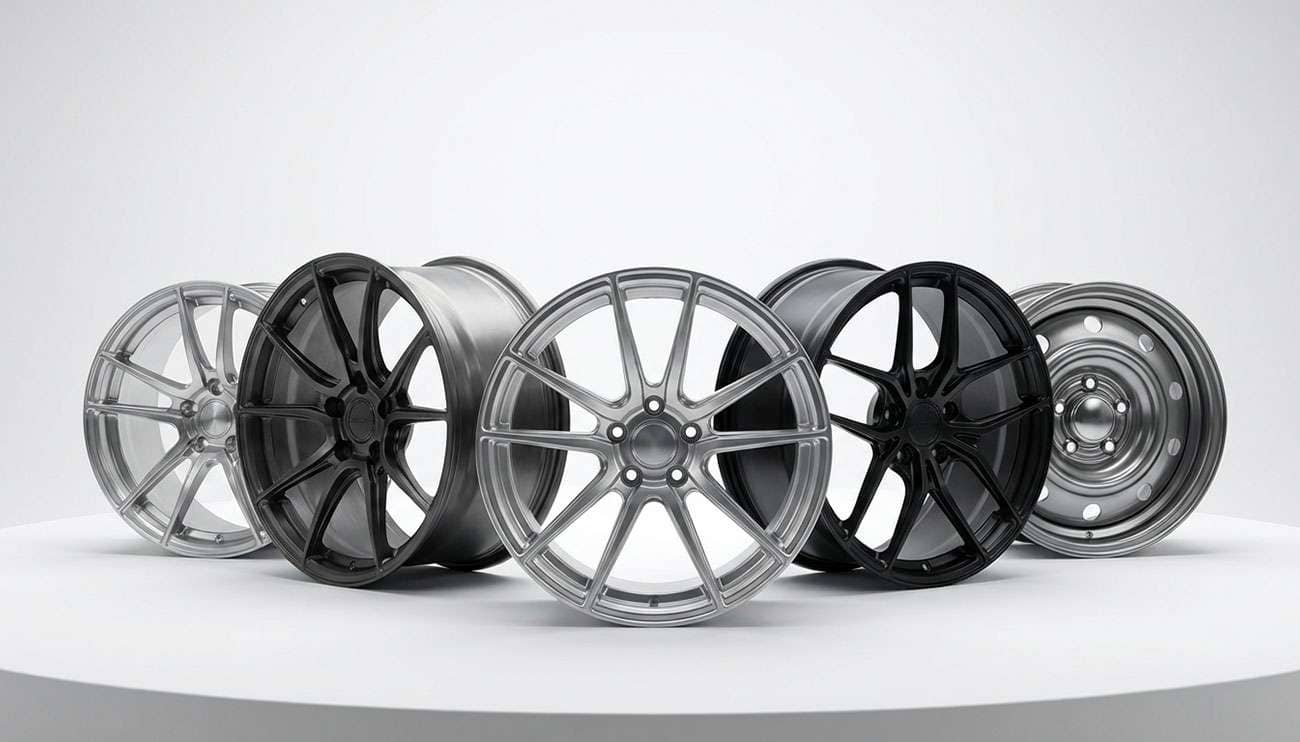
Car rims represent one of the most important upgrades you can make to your vehicle. They directly impact both performance and appearance, making the right choice essential for any driver looking to enhance their ride. Most car rims today are manufactured using either aluminum or steel materials, with each offering distinct advantages depending on your driving needs. Understanding these material differences becomes crucial when selecting wheels, as they affect everything from handling characteristics to fuel economy.
Steel and aluminum alloy rims dominate today's market for good reasons. Steel wheels offer exceptional strength and affordability, making them the go-to choice for trucks and utility vehicles where durability matters most. These wheels are typically heavier and welded together from two pieces, but they deliver unmatched toughness. Aluminum alloy rims combine aluminum with other metals to create lightweight wheels with unique designs and superior performance characteristics. The majority of passenger vehicles come equipped with aluminum alloy rims from the factory due to their excellent strength-to-weight ratio. Advanced materials like carbon fiber can be up to five times stronger than steel while weighing significantly less, though these premium options come at a higher cost.
We carry the best selection of custom wheels at the lowest prices. Our comprehensive guide explores all major rim materials, their advantages and disadvantages, and helps you determine the perfect option for your specific vehicle and driving style.
Most drivers use the terms "wheels" and "rims" interchangeably, but these components serve different functions. The rim refers specifically to the outer circular edge where your tire mounts. This forms just one part of the complete wheel assembly. A complete wheel includes the hub that connects to your axle, spokes that radiate outward for support, and the barrel that maintains the tire's shape.
Automotive professionals distinguish between these terms for good reason. The rim creates the crucial airtight seal with your tire. This U-shaped component secures the tire in place and prevents air loss. Rims are manufactured from the same materials as the rest of the wheel, often with specialized coatings to resist corrosion and extend service life.
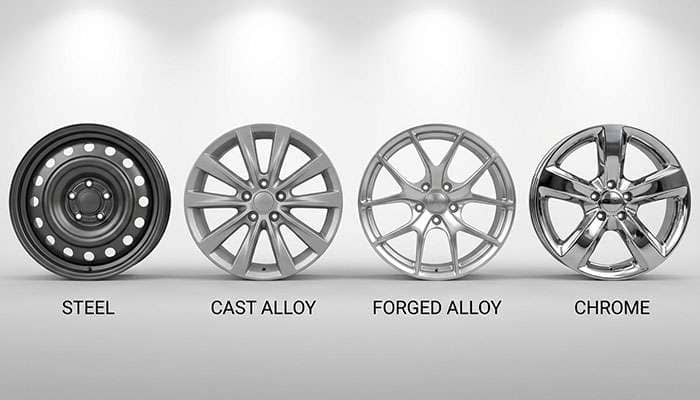
Today's rim manufacturers use several proven materials, each designed for specific applications:
Steel dominates the budget-friendly segment through simple stamping manufacturing processes. These rims deliver outstanding durability and strength, making them the preferred choice for commercial trucks and utility vehicles. Steel wheels cost 70-80% less than their alloy counterparts.
Aluminum alloy leads the passenger car market by blending aluminum with metals like nickel, magnesium, or silicon. These rims offer superior strength-to-weight ratios and better heat dissipation than steel options.
Forged alloy rims undergo extreme pressure during manufacturing—approximately 13 million pounds of force—creating incredibly dense, strong, yet lightweight wheels. This intensive process produces the strength needed for high-performance driving.
Specialized applications use carbon fiber for maximum weight reduction and magnesium for racing where every ounce matters.
Your rim material choice affects every aspect of driving performance and vehicle safety. Lighter materials like aluminum alloy reduce unsprung weight, directly improving handling response, acceleration, and fuel efficiency. Rims must also withstand harsh environmental conditions, making material durability essential for long-term safety.
Rims serve as your first defense against road impacts, absorbing shocks that would otherwise damage other components. Their heat management capabilities become critical during heavy braking, helping prevent brake fade while extending tire life.
Car rim materials directly affect driving performance, vehicle appearance, and your long-term ownership costs. Understanding the five major material types helps you select wheels that match your specific driving needs and budget requirements.
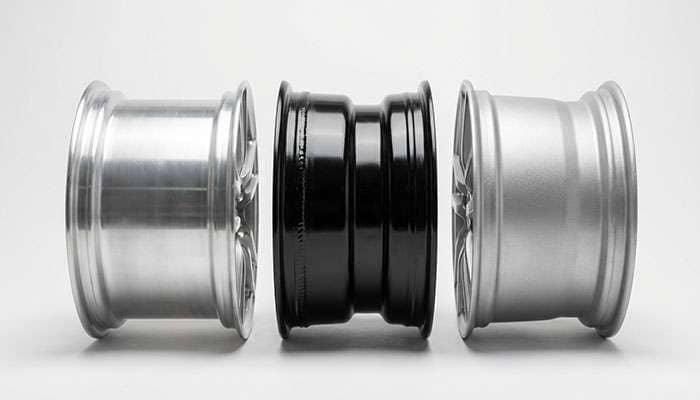
Steel rims start at just USD 50.00, making them the most budget-friendly option available. These wheels are created by stamping and welding two pieces together, resulting in exceptional strength that's nearly impossible to crack and extremely difficult to bend.
Steel wheels provide better traction in snow and ice conditions due to their added weight, though this same heaviness reduces acceleration performance and fuel efficiency. For trucks that regularly face extreme off-highway conditions, steel rims offer unmatched durability. When properly maintained, these wheels typically last 10-20+ years, making them an excellent value for utility vehicle owners.
Aluminum alloy rims combine aluminum with metals like nickel, magnesium, or silicon to create the perfect balance of weight and strength. These wheels weigh 20% less than steel alternatives, improving acceleration, braking, and handling through reduced unsprung mass.
Alloy wheels excel at dissipating heat from brake components during extreme driving conditions. This heat dissipation makes them ideal for performance-oriented applications. Cast aluminum wheels offer diverse design possibilities that steel simply cannot match, with prices ranging from USD 75.00 each to USD 500.00 per wheel.
Forged wheels represent the premium tier of aluminum options. The forging process subjects aluminum to tremendous pressure, refining the grain structure to achieve superior strength-to-weight ratios. Every Forgeline forged wheel is manufactured under one roof and custom made-to-order.
This manufacturing process creates wheels that are both stronger and lighter than cast alternatives—perfect for serious performance applications. For enthusiasts seeking the ultimate in custom wheel selection, check out the best selection of custom wheels at the lowest prices, Performance Plus Tire offers excellent options.
Carbon fiber wheels consist of thin carbon strands tightly woven together and bonded with resin. These wheels are significantly lighter than traditional alloy or steel options while maintaining impressive strength. The weight reduction directly improves acceleration, handling response, and fuel efficiency.
Carbon fiber rims offer exceptional stiffness that enhances braking performance and handling precision by reducing flex during cornering. However, they typically cost between USD 10,000.00 and USD 13,500.00 for a complete set—an investment justified only by their unparalleled performance benefits.
Magnesium alloy wheels (commonly called "mags") feature a density of just 1.8, making them roughly 1.5× less dense than aluminum and 4.3× lighter than steel. This extreme weight reduction delivers sharper handling and acceleration by minimizing rotational mass.
Originally popular during racing's golden era, today's magnesium wheels use specialized alloys with protective coatings to address corrosion concerns. Quality forged magnesium wheels typically run USD 6,000.00–15,000.00 per set, positioning them as a specialized choice for dedicated performance vehicles.
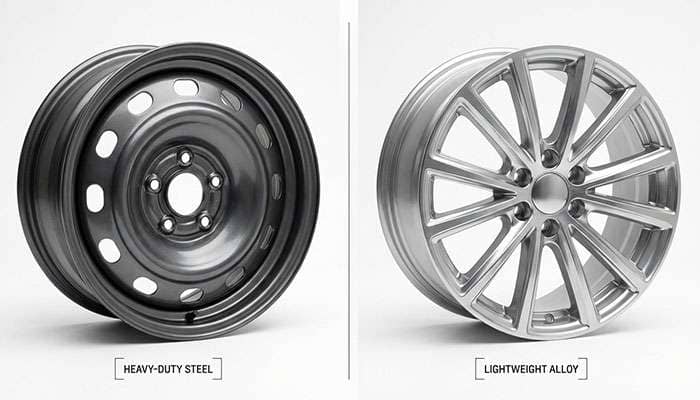
When choosing between aluminum and steel rims, understanding their key differences helps you make the right decision for your vehicle and driving style. Each material excels in specific areas, making the choice dependent on your priorities and budget.
The weight difference between these materials is substantial. Steel wheels average around 78 pounds compared to aluminum wheels at about 47 pounds per wheel—a significant 30-pound difference that directly impacts your vehicle's performance. This weight reduction with aluminum rims decreases unsprung weight, which enhances handling, braking, and acceleration.
The lighter aluminum also reduces rotational mass, requiring less energy from your drivetrain. When you combine aluminum wheels with low rolling resistant tires, you can achieve fuel consumption reductions of 3% or more. For drivers covering high mileage, this fuel savings adds up quickly.
Steel rims offer superior durability with exceptional resistance to bending and cracking upon impact. With proper care, steel wheels typically last up to 10 years or longer. Aluminum wheels generally last 5-7 years with appropriate maintenance.
Steel's biggest advantage lies in repairability—they can often be hammered back into shape if bent. Aluminum wheels tend to crack rather than bend when damaged, making repairs more challenging and often requiring complete replacement.
Steel wheels cost approximately 70-80% less than aluminum alternatives. Aluminum wheels typically cost 2-3 times more than steel wheels. However, the fuel savings achieved with aluminum wheels over 20,000 kilometers can help offset this higher initial investment.
For budget-conscious drivers, steel provides excellent value. For those prioritizing performance and fuel economy, aluminum offers long-term benefits that justify the higher upfront cost.
Aluminum's casting process allows for various design options and intricate patterns. The surface of aluminum alloy wheels is brighter and easier to clean, enhancing your vehicle's overall appearance. Steel wheels generally offer more limited design options with a utilitarian appearance.
Whether you choose aluminum or steel depends on your specific needs. Steel excels for durability and budget-friendly applications, while aluminum delivers superior performance and style options.
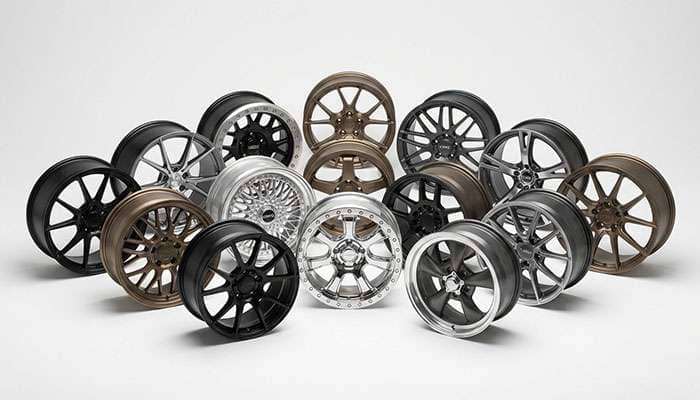
Selecting the perfect car rims goes far beyond just picking something that looks good. The right wheels need to match your driving habits, vehicle requirements, and budget constraints.
Daily commuters benefit most from lightweight alloy wheels that boost fuel economy while providing adequate durability for regular road use. Performance enthusiasts should look at forged wheels that deliver enhanced handling responsiveness and quicker acceleration. Off-road adventurers need heavy-duty steel rims designed to handle impacts from rocks, debris, and rough terrain.
Proper fitment is non-negotiable when selecting new rims. You need to verify three critical measurements: overall diameter for brake component clearance, offset and backspacing for correct wheel well positioning, and mounting specifications including bolt patterns. Don't forget to confirm that your tire pressure monitoring system (TPMS) will work with your new wheels.
Quality aftermarket wheels typically run $250-350 each. Focus on long-term value rather than just the lowest price—cheap rims often result in costly repairs down the road. Flow-formed wheels provide an excellent balance between affordability and performance.
Drivers in snowy climates should consider dedicated winter wheels. Steel rims handle salt damage better than aluminum, while summer driving often benefits from lightweight alloys that improve performance. Store seasonal wheels indoors when possible and position them vertically to avoid moisture damage. Browse wheel options at Performance Plus Tire to find your perfect match.
Selecting the right rims for your vehicle comes down to understanding your specific needs and making smart decisions based on how you actually drive. Steel rims deliver unbeatable durability and affordability, making them the smart choice for trucks and vehicles that face tough conditions regularly. Aluminum alloy wheels provide the perfect balance of weight savings and style for most drivers, while performance enthusiasts will find forged alloy or carbon fiber options worth the investment.
Weight makes a real difference in how your vehicle performs. Lighter wheels improve handling, acceleration, and fuel efficiency, but durability should always come first if you regularly drive over rough terrain or challenging conditions.
Proper fitment is just as important as material choice. The right diameter, offset, and bolt pattern ensure your new wheels work safely with your braking and suspension systems. Different driving conditions may require different wheel strategies - steel wheels handle winter salt exposure better, while lightweight alloys excel in summer performance applications.
Quality wheels represent a smart investment in your vehicle's performance and appearance. While cheaper options exist, they often cost more in the long run through early replacement or repairs. We recommend focusing on long-term value rather than just the lowest initial price.
Whether you need rugged dependability, fuel-saving weight reduction, or eye-catching style, understanding these material differences helps you make the right choice for your driving needs. The right wheels don't just change how your vehicle looks - they improve how it performs on the road.
Ready to upgrade your ride? At Performance Plus Tire, we're confident that we can provide you with the perfect set of wheels for your vehicle at a price you can afford.
Understanding rim materials is crucial for optimizing your vehicle's performance, safety, and cost-effectiveness. Here are the essential insights to guide your wheel selection:
The right rim choice balances your specific driving needs, budget constraints, and performance expectations. Whether prioritizing durability, weight savings, or esthetics, understanding these material differences ensures you select wheels that enhance both your vehicle's capability and your driving experience.
Steel rims are heavier, more durable, and less expensive, making them ideal for trucks and harsh conditions. Aluminum alloy rims are lighter, improving fuel efficiency and handling, and offer more design options, but are generally pricier.
Rim material significantly impacts performance. Lighter materials like aluminum alloy reduce unsprung mass, improving handling, acceleration, and fuel efficiency. Heavier materials like steel can provide better traction in snow but may reduce overall performance.
While premium rims can be costly, they often offer better performance, durability, and esthetics. High-quality rims can enhance your vehicle's handling, fuel efficiency, and appearance. However, it's essential to balance your budget with your specific driving needs and preferences.
Consider your driving style, vehicle type, and typical terrain. Ensure proper fitment by checking diameter, offset, and bolt pattern. Balance performance needs with budget constraints, and don't forget to factor in seasonal considerations if you live in an area with harsh winters.
Yes, rim choice can impact ride comfort. Wider rims may provide sharper steering but potentially reduce comfort, while narrower rims might offer a smoother ride but less stability during cornering or towing. The material and weight of the rim also play a role in how your vehicle handles road imperfections.



