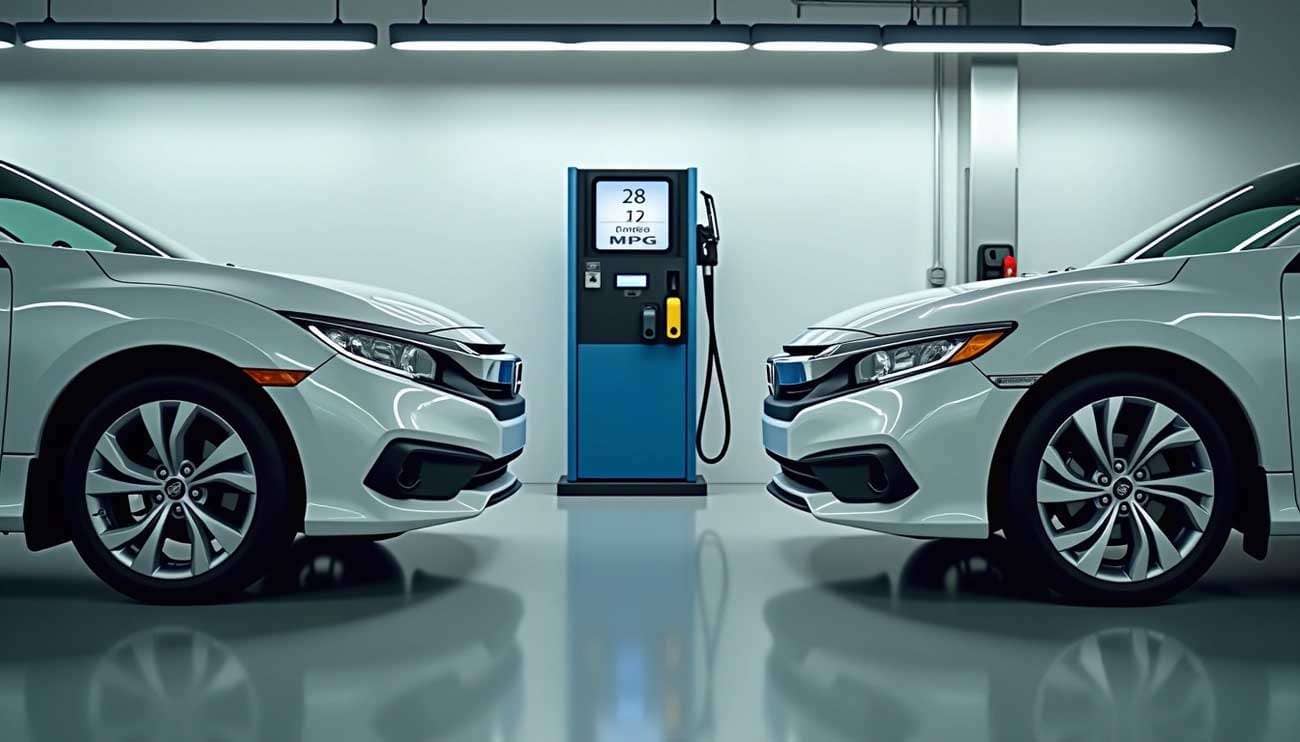
Can rims affect gas mileage? Absolutely—and the impact is probably bigger than you think. Those eye-catching 20-inch wheels can slash your fuel efficiency by 4-10% due to increased weight and rolling resistance. What looks great in your driveway is quietly draining your wallet every time you hit the gas station.
The physics behind this fuel penalty is straightforward. Heavier rims force your engine to work harder during acceleration and cruising. Larger tires simply weigh more, requiring additional energy to get moving and maintain speed. Add in the higher rolling resistance from bigger tires, and your engine burns extra fuel just to overcome the increased friction.
At Performance Plus Tire, we've helped countless customers understand this trade-off after they've upgraded their wheels. The good news? You don't have to choose between style and savings at the pump. This guide breaks down exactly how different wheel characteristics impact your MPG and reveals practical strategies for getting the best of both worlds—head-turning looks and wallet-friendly efficiency.
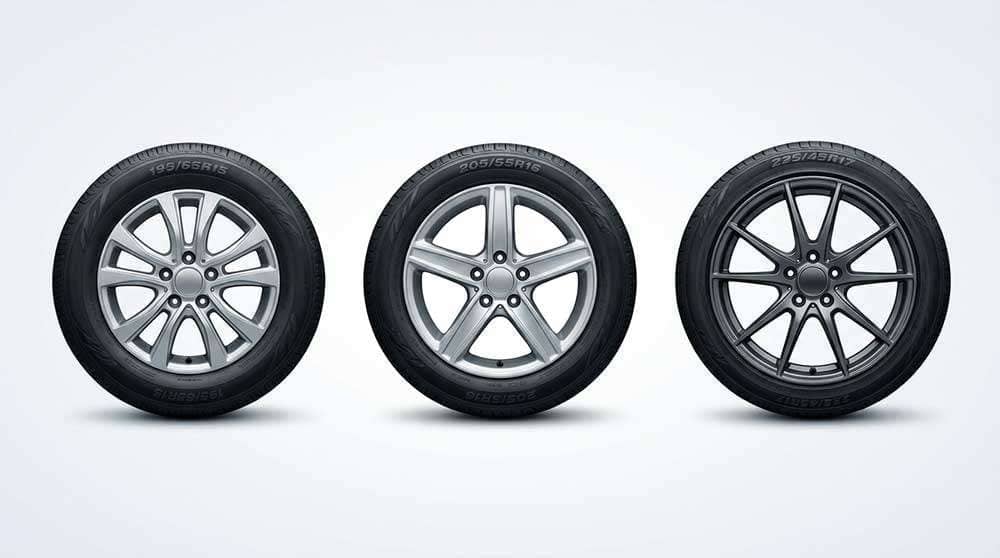
Understanding how rim size impacts fuel economy requires looking beyond appearance to the mechanical realities of wheel performance. When you increase wheel diameter, multiple physical factors work against your vehicle's efficiency in measurable ways.
Rolling resistance creates the primary obstacle to fuel efficiency with larger wheels. Picture the difference between rolling a bowling ball versus a marble—bigger wheels demand significantly more energy to maintain motion. Your engine compensates for this increased resistance by burning additional fuel.
The relationship is direct and measurable. Heavier, wider wheels generate more friction against the road surface, forcing your engine to work harder. Testing shows that upsizing wheels typically causes a 4-10% drop in fuel economy. A vehicle averaging 30 MPG will drop to roughly 27-28.8 MPG—a difference that costs real money over time.
Unsprung weight adds another layer to this fuel penalty. Larger tires carry greater mass that your engine must accelerate with every revolution, creating additional strain during acceleration and reducing overall efficiency.
Driving conditions significantly influence how much larger wheels impact your fuel economy. City driving with constant acceleration and braking amplifies the penalty from heavier wheels. Your engine repeatedly fights to overcome the inertia of larger, heavier wheels every time you accelerate from a stop.
Highway driving presents a different scenario. At steady speeds, the rolling resistance penalty becomes less pronounced. Heavy-duty vehicles might even see slight benefits from larger tires during consistent highway travel. However, for most passenger cars and trucks, bigger wheels still mean reduced MPG regardless of driving environment.
Tire width directly affects rolling resistance through increased ground contact area. Wider tires create a larger contact patch, requiring more energy to push your vehicle forward. This expanded surface area translates into higher fuel consumption.
Rim diameter affects resistance in more complex ways. Industry research indicates that each 1-inch increase in rim diameter can improve rolling resistance by approximately 2%—but only when paired with appropriate tire sizing. Larger rims with corresponding lower-profile tires create a stiffer wheel assembly that can reduce some energy losses.
Tire pressure relationships become critical when changing sizes. Larger tires typically require adjusted pressures to maintain equivalent performance characteristics—usually lower pressure to achieve similar overall tire "hardness". These pressure adjustments directly influence rolling resistance and fuel consumption.
Weight and material choices make a bigger difference in fuel economy than most drivers realize. The type of rim you select affects performance in ways that go far beyond appearance.
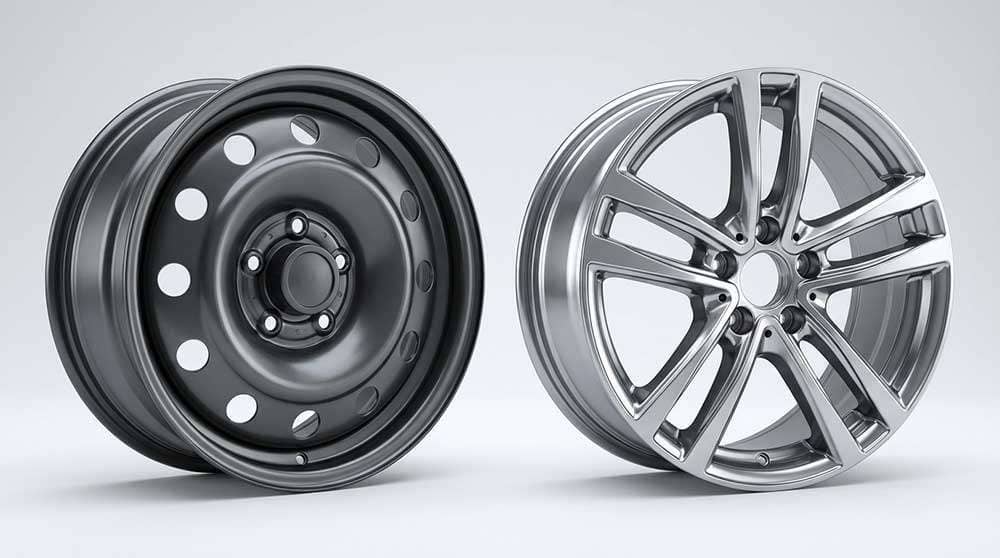
Aluminum alloy wheels deliver a significant advantage for fuel economy, weighing up to 30% less than traditional steel wheels. This weight reduction translates directly to approximately 2-3% improvement in fuel efficiency.
Steel wheels offer superior durability and easier repairs at a lower cost. However, they contribute to higher fuel consumption due to their heavier construction. Most modern vehicles come equipped with cast aluminum alloy wheels that balance performance, cost, and appearance while delivering better gas mileage.
We carry the best selection of both steel and alloy wheels at the lowest prices, helping you choose the right material for your specific needs.
Unsprung weight—the mass not supported by your vehicle's suspension—creates a more significant impact on fuel economy than many people understand. Wheel weight represents rotational mass that your engine must overcome with every revolution.
Automotive testing reveals that removing one pound of wheel weight equals removing 5-10 pounds of static vehicle weight in terms of acceleration impact. This explains why relatively small weight differences of 5-10 pounds per wheel can produce noticeable MPG improvements.
City driving amplifies this effect since your engine repeatedly works to overcome the inertia of heavier wheels during frequent stops and acceleration.
Lighter wheels deliver measurable performance improvements beyond fuel economy. Each pound removed from wheel weight offers the acceleration advantage of cutting 6-10 pounds from your vehicle's overall mass. This improvement is particularly noticeable during hard acceleration.
Braking performance also benefits from reduced wheel weight. Lighter wheels have less rotational inertia, requiring less energy to stop. Testing shows lighter wheels can shorten braking distances by 5-10 feet from 60 mph—a potentially life-saving difference in emergency situations.
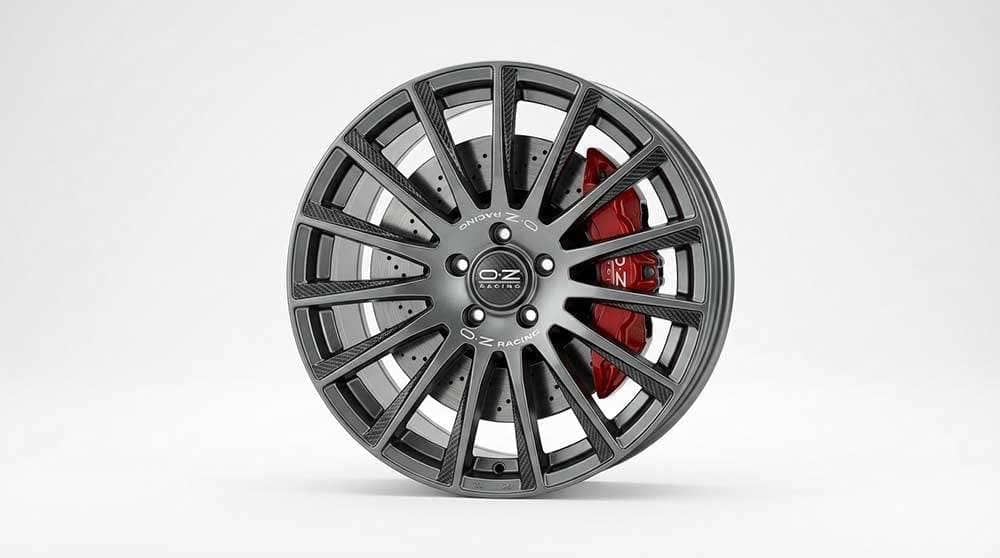
Modern lightweight racing wheels take advantage of these physics to maximize both acceleration and braking performance.
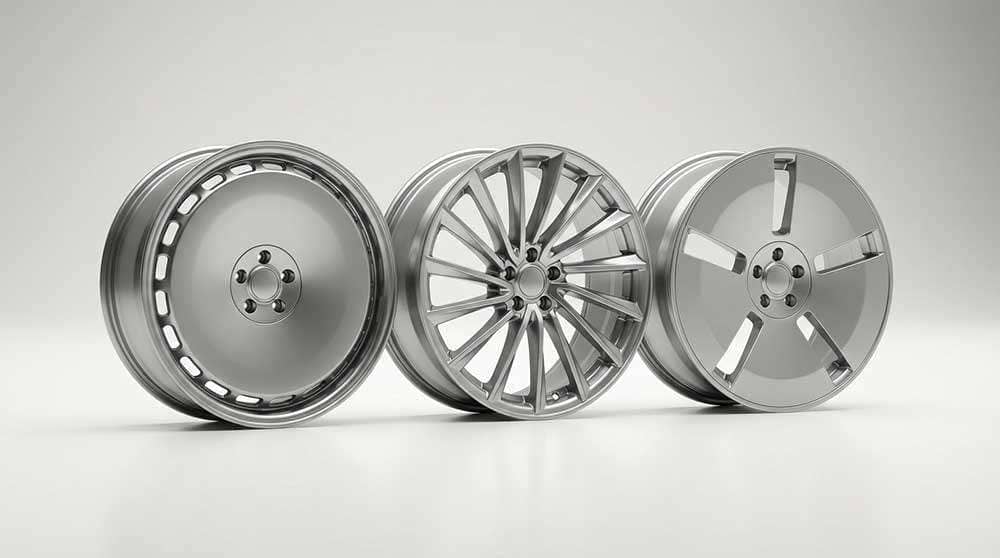
Wheel design extends beyond weight and size to significantly affect fuel economy through aerodynamic efficiency. Modern testing reveals wheels contribute approximately 25% to a vehicle's total drag, making design choices critical for highway efficiency.
Spoke patterns create distinct airflow patterns around your vehicle. Wider wheels create more surface area for air resistance, directly reducing fuel efficiency. Wheels with fewer spokes or flatter profiles generate less turbulence. The most efficient rim designs feature reduced opening areas around the disk and larger closed areas at the top of the spokes, which streamline airflow and minimize drag.
Off-road wheels prioritize durability and traction over fuel economy. Their aggressive tread patterns and heavy-duty construction create additional weight and rolling resistance. These design elements also disrupt vehicle aerodynamics, increasing air drag and demanding more energy from your engine. Street rims typically feature aerodynamic designs optimized for smooth airflow, delivering better gas mileage during highway driving.
Ready to maximize your MPG without giving up the style you want? These proven strategies deliver real fuel savings while keeping your vehicle looking sharp.
Proper tire pressure is your first line of defense against fuel waste. Underinflated tires increase rolling resistance by 10% or more, forcing your engine to burn extra gas. The numbers tell the story: tires at 75% of recommended pressure cut fuel economy by 2-3%, while tires at 50% pressure slash MPG by 5-10%. Here's what works:
Check tire pressure monthly using a quality gauge
Inflate to the pressure listed on your driver's door jamb (not the tire sidewall)
Remember that tire pressure naturally decreases about 3.5 psi yearly
Aluminum alloy wheels deliver immediate fuel economy benefits. They typically weigh 30% less than steel alternatives, potentially improving MPG by 2-3%. Real-world testing proves the difference: vehicles with lightweight wheels averaged 21.5 MPG versus 21.1 MPG with heavier wheels of identical size. We carry the best selection of lightweight alloy wheels at the lowest prices at Performance Plus Tire.
Your vehicle's engineers chose wheel sizes for good reasons. Deviating from manufacturer-specified dimensions hurts fuel efficiency. Wider rims flatten the tread face, reducing traction and increasing resistance, while narrower rims cause improper bead seating. These changes alter sidewall deflection and ground contact area, ultimately costing you at the pump.
Street tires consistently outperform aggressive off-road treads in fuel economy. Specialized tread patterns increase friction and rolling resistance, especially during daily commuting. For the best efficiency without sacrificing style, select tires with low rolling resistance tread patterns that still match your driving conditions.
Understanding how rims affect gas mileage puts real money back in your pocket. The evidence is clear—wheel choice directly impacts your fuel costs every time you drive. Larger, heavier wheels can cut your MPG by up to 10%, while smart material and design choices deliver measurable savings.
Your rim selection doesn't have to be an either-or decision between style and efficiency. Lightweight alloy wheels offer the best of both worlds, delivering better fuel economy while maintaining the appearance you want. Proper tire pressure and staying close to manufacturer specifications further optimize your vehicle's performance without compromising your vision.
At Performance Plus Tire, we have the most advanced and comprehensive custom wheel fitment search engine in the world. Our experts help you find wheels that enhance both your vehicle's appearance and its efficiency. We believe in providing top-notch wheels at prices that won't break the bank.
Smart wheel choices pay dividends long after the purchase. Those tempting oversized wheels might look impressive, but calculate the real cost including fuel consumption over the life of your vehicle. Making an informed decision today means more money in your pocket tomorrow and a vehicle that performs exactly as you intended.
Understanding how rims affect gas mileage can save you significant money at the pump while helping you make smarter wheel choices.
• Larger rims reduce fuel efficiency by 4-10% due to increased weight and rolling resistance, costing you money with every fill-up.
• Lightweight alloy wheels improve MPG by 2-3% compared to steel wheels, making them a smart investment for fuel-conscious drivers.
• Proper tire inflation is crucial - underinflated tires can reduce fuel economy by 5-10%, making regular pressure checks essential.
• Stick to manufacturer-recommended sizes to maintain optimal fuel efficiency while avoiding performance and safety issues.
• Aerodynamic wheel design matters - rims contribute 25% of total vehicle drag, so choosing streamlined designs improves highway efficiency.
The key is finding the right balance between style and efficiency. You don't have to sacrifice good looks for better gas mileage - just make informed choices about wheel weight, size, and design while maintaining proper tire pressure.
Larger wheels can decrease fuel efficiency by 4-10% due to increased weight and rolling resistance. The heavier wheels require more energy to rotate, making the engine work harder and use more fuel, especially during acceleration.
While larger wheels can improve handling and cornering in some cases, the benefits are often outweighed by reduced ride comfort and increased fuel consumption for most drivers. Larger wheels allow for bigger brakes, which can improve stopping power in high-performance vehicles.
The ideal wheel size depends on the specific vehicle, but many experts suggest that wheels in the 16-18 inch range offer a good balance of performance, comfort, and fuel efficiency for most passenger cars. Staying close to the manufacturer's recommended size is often best.
While esthetics are subjective, extremely large wheels can look disproportionate on some vehicles, especially when paired with very low-profile tires. A moderate increase in wheel size from stock can enhance a car's appearance without compromising ride quality or efficiency.
To balance efficiency and style, consider lightweight alloy wheels in a size close to the manufacturer's recommendation. Keep tires properly inflated, choose low rolling resistance tires when possible, and avoid unnecessarily wide or aggressive tread patterns for daily driving.