
Title= Are Steel Rims Worth It? An Honest Look at the Hidden Drawbacks Description= Discover the real pros and cons of steel rims before you buy. We break down durability, fuel economy, and which drivers benefit most from steel wheels.
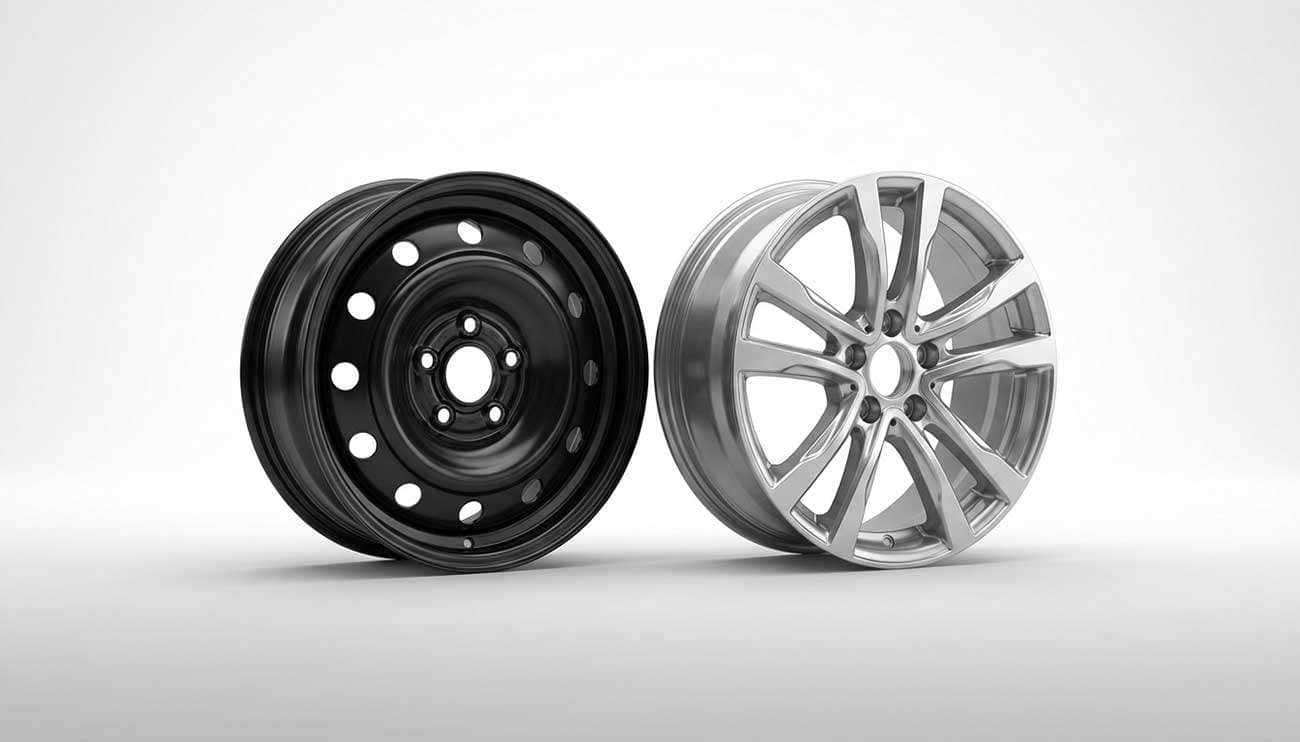
Steel rims start at just $50 compared to alloy wheels that begin at $75 each. This price advantage makes steel wheels immediately attractive for budget-conscious vehicle owners. Steel wheels have earned their reputation for exceptional strength—they're nearly impossible to crack and extremely difficult to bend.
The durability factor tells only part of the story. Steel wheels provide better traction when driving in snow or ice due to their weight, but this same heaviness affects your vehicle's acceleration, handling, and fuel efficiency. Steel rims cost less and resist damage better than alloy options, yet they come with performance limitations that many drivers don't fully understand.
We'll examine both the advantages and hidden drawbacks of steel wheels to help you determine if they're the right choice for your vehicle and driving needs. Understanding these tradeoffs is essential before making your wheel selection.
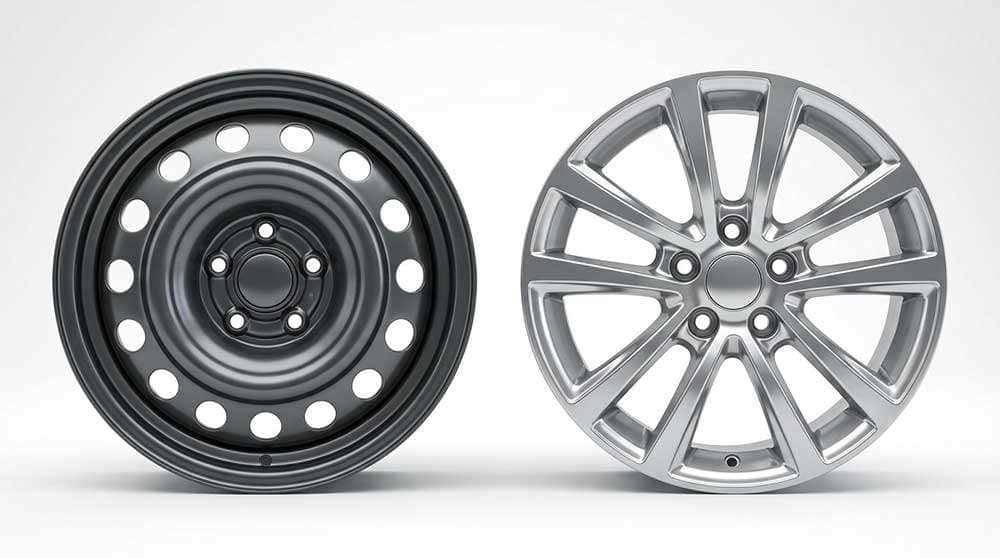
Steel rims have maintained their popularity among vehicle owners for practical reasons that extend well beyond initial cost savings. Understanding these advantages helps explain why steel wheels remain a smart choice for many driving applications.
Steel wheels offer undeniable financial advantages over alloy alternatives. Steel rims cost considerably less than their alloy counterparts, making them an excellent choice for budget-conscious vehicle owners. This cost-effectiveness becomes even more valuable in replacement scenarios—when damage occurs, steel wheels cost far less to replace than alloy alternatives.
For off-road enthusiasts who have already invested in expensive upgrades like lifts and larger tires, steel wheels provide a smart way to manage overall costs without sacrificing performance. The savings can be substantial, allowing drivers to allocate budget toward other vehicle modifications or maintenance needs.
Steel's exceptional strength makes these wheels nearly impossible to crack or bend without tremendous force. This impressive durability makes steel rims particularly valuable for trucks that regularly encounter extreme off-highway conditions. They demonstrate remarkable resistance to the daily punishment from rough roads, potholes, and challenging terrains.
Steel wheels offer practical advantages over aluminum alternatives when damage does occur. Unlike aluminum wheels which tend to crack when damaged, steel typically bends and can often be hammered back into shape. Minor scratches and abrasions on steel wheels aren't significant concerns since they lack expensive finishes or intricate detailing.
Steel rims excel during winter months due to their weight advantage. Their heavier construction (approximately 2.5-3 times more than aluminum wheels of the same size) creates better traction on snowy and icy roads. This added weight helps press winter tires more firmly against slippery surfaces, improving grip and control.
Steel wheels also contract less than aluminum in cold temperatures, helping maintain proper tire pressure. They withstand road salt better than alloy wheels, which proves crucial for preventing corrosion during harsh winter months.
Vehicle owners select steel rims because they provide:
Practical solutions for dedicated winter tire setups
Superior durability for work vehicles and hauling applications
Excellent value for off-road vehicles that face regular abuse
Better brake protection from ice, snow, and salt
Many vehicle owners maintain an extra set of steel wheels specifically for winter driving, making seasonal tire changeovers faster and more convenient. This approach maximizes the benefits of steel wheels while preserving alloy wheels for regular driving seasons.
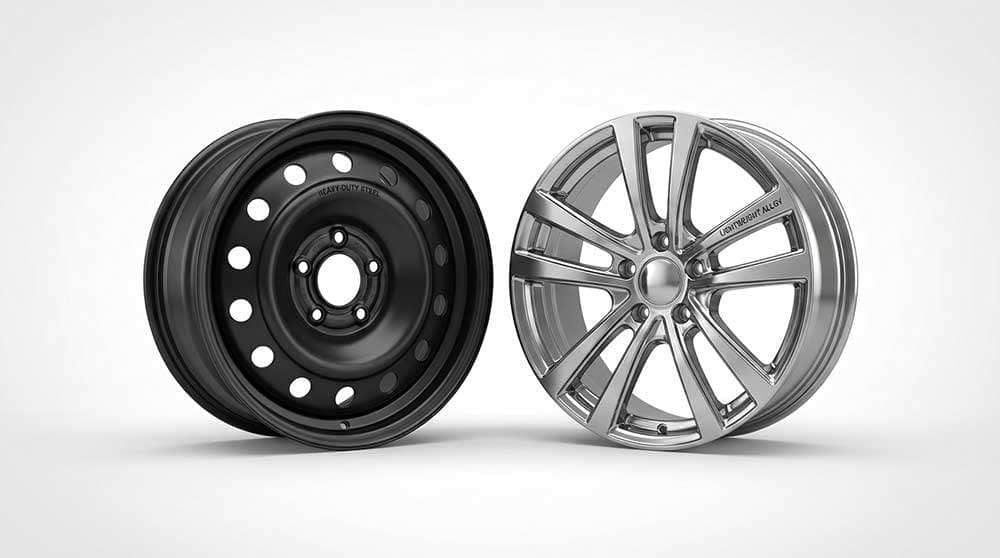
Steel rims offer clear advantages in durability and cost, but they come with significant drawbacks that affect daily driving performance.
Steel wheels weigh approximately 2.5-3 times more than equivalent aluminum wheels. This extra weight forces your engine to work harder, directly increasing fuel consumption. Real-world testing shows vehicles with lighter wheels achieved approximately 8% better fuel economy (22.8 mpg vs. 21.1 mpg) compared to heavier wheel setups.
City driving with frequent stops and starts amplifies this effect, as does driving in hilly terrain. Hybrid and electric vehicle owners face particularly noticeable efficiency penalties since these vehicles are especially sensitive to additional weight.
Steel wheels offer significantly fewer design options compared to alloy alternatives. Their utilitarian appearance features simple spoke patterns with basic painted or silver finishes. This limitation makes steel rims less appealing for drivers who prioritize vehicle appearance.
Steel wheels face serious compatibility restrictions. Most are only available in sizes up to 16 inches, making them unsuitable for:
Vehicles designed specifically for alloy wheels
Cars with oversized brake calipers
Vehicles with suspension modifications
Performance-oriented automobiles requiring larger wheel diameters
The rotational mass of heavy steel wheels creates performance disadvantages beyond fuel economy. Real-world testing proved that reducing wheel weight by just 12 pounds per wheel improved a Mazda Miata's 0-60 time by 0.29 seconds. Adding the same weight (48 lbs total) as static ballast in the trunk only slowed the vehicle by 0.14 seconds.
The excess weight negatively affects your suspension's ability to react quickly to road imperfections. Drivers describe vehicles with heavier wheels as feeling "heavy and lethargic" compared to the "nimble and responsive" character of cars with lighter wheels. This diminished responsiveness becomes especially noticeable during emergency maneuvers or when cornering at speed.
These performance compromises must be weighed carefully against steel wheels' durability advantages when making your decision.
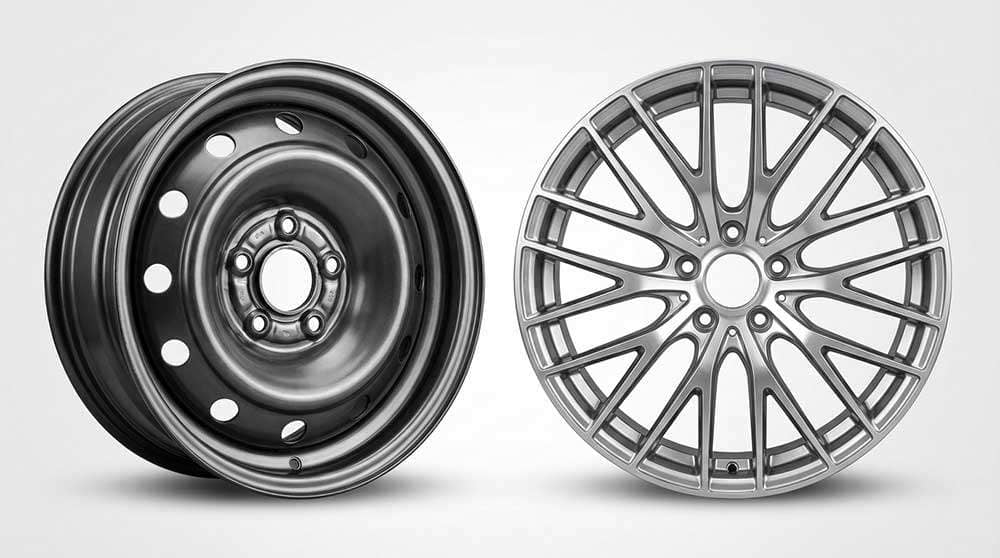
Understanding the key differences between steel and alloy wheels helps you make the right choice for your vehicle and driving needs.
Steel wheels tip the scales at approximately 78 pounds, nearly 30 pounds heavier than aluminum alloy wheels which average about 47 pounds. This weight difference directly impacts vehicle performance—heavier wheels require more energy to rotate, reducing acceleration and increasing braking distances. For weight-sensitive applications like bulk haul fleets, this 30-pound difference per wheel creates substantial fuel savings.
Steel wheels demonstrate remarkable resilience against bending and cracking under impact. However, they're more susceptible to corrosion than their alloy counterparts. Alloy wheels offer excellent corrosion resistance but can crack rather than bend when subjected to severe impacts.
Steel wheels generally require regular refinishing as part of normal maintenance, while alloy wheels need less frequent but sometimes costlier repairs when damaged. The maintenance approach differs significantly between the two materials.
Steel wheels offer limited design options with basic patterns primarily available in black. Alloy wheels come in countless designs, finishes, and sizes—from chrome and polished to matte-black and exotic colors.
Neither steel nor alloy wheels universally outperform the other. Your best choice depends on:
Driving conditions (off-road vs. highway)
Climate requirements (winter vs. summer)
Budget considerations
Performance priorities
Consider your specific vehicle use and priorities when making your wheel selection.
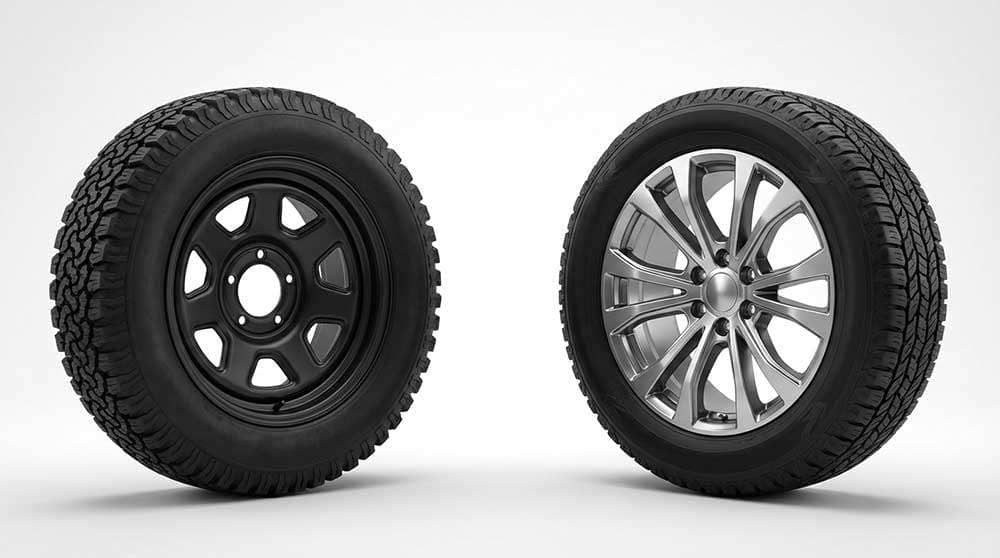
Several specific situations make steel rims the smart choice despite their performance limitations.
Steel wheels excel in winter driving conditions where their extra weight becomes an advantage. This additional mass creates superior traction on snow and ice. Steel contracts less than aluminum in cold temperatures, helping maintain proper tire pressure throughout winter months. Many vehicle owners keep dedicated winter setups with steel wheels, making seasonal changeovers faster and more convenient.
Off-road enthusiasts benefit from steel's exceptional durability when tackling rugged terrain. When damaged, steel typically bends rather than cracks, often allowing for field repairs with basic tools. Steel wheels also provide excellent protection for brakes from ice, snow, and salt exposure.
Police departments select steel wheels for practical operational reasons. Law enforcement vehicles require wheels that withstand heavy duty use and occasional abuse such as curb jumping. Steel wheels are significantly stronger than aluminum alternatives while being much easier to repair when bent. They're also substantially cheaper, helping departments balance durability, performance, and cost considerations.
Steel rims demonstrate impressive longevity with proper maintenance, typically lasting 10-20+ years and often outlasting the vehicle itself. Some sources suggest steel rims can serve reliably for 15 years or more, whereas aluminum rims generally last between five and ten years. Regular maintenance, including addressing rust spots promptly, extends their lifespan considerably.
Steel rims make sense for budget-conscious drivers and specific driving conditions. Their strength and lower cost create clear value in the right situations. Weight remains the primary limitation—this extra mass reduces fuel economy and affects your vehicle's responsiveness.
The decision comes down to your driving priorities. Steel wheels excel for winter driving, providing superior snow and ice traction. Off-road enthusiasts and work vehicle operators benefit from their exceptional durability and field repair capabilities. Drivers focused on fuel efficiency, performance, or styling will find alloy wheels better suited to their needs.
Consider your driving conditions and vehicle use before making your choice. Many drivers find value in owning both types—steel wheels for winter and challenging conditions, alloy wheels for regular driving. This approach maximizes the benefits of each wheel type.
Steel rims deliver excellent value when properly matched to your needs. With proper maintenance, they often outlast the vehicle itself. While not the most stylish option, steel wheels continue proving their worth in demanding conditions where durability matters most.
At Performance Plus Tire, we can help you determine the right wheel choice for your specific vehicle and driving requirements. Our expert team understands both the benefits and limitations of steel and alloy wheels to guide you toward the best decision.
Steel rims offer compelling advantages in specific situations, but their hidden drawbacks significantly impact daily driving performance and efficiency.
• Steel wheels cost 33% less upfront ($50 vs $75) but reduce fuel economy by 8% due to their 2.5-3x heavier weight • They excel in winter conditions and off-road use, providing superior traction and nearly indestructible durability that can last 15-20+ years • Performance suffers noticeably—heavy steel wheels slow acceleration by 0.29 seconds and create sluggish handling compared to lighter alloy alternatives • Best suited for dedicated winter setups, work vehicles, and off-road applications rather than daily driving where efficiency and performance matter • Consider owning both types: steel for harsh conditions and alloy for regular driving to maximize benefits while minimizing drawbacks
The decision ultimately depends on your priorities—choose steel for maximum durability and winter performance, or alloy for better fuel economy and driving dynamics.
Steel rims are highly durable, resistant to bending and cracking, and more affordable than alloy wheels. They perform well in winter conditions and rough terrains, making them ideal for off-road vehicles and work trucks.
Steel rims are significantly heavier than alloy wheels, which can negatively impact fuel economy. Vehicles with steel wheels may experience up to 8% lower fuel efficiency compared to those with lighter alloy wheels.
Steel rims are not suitable for all vehicles. They are typically limited to sizes up to 16 inches, making them impractical for cars designed specifically for alloy wheels, vehicles with large brake calipers, or performance-oriented automobiles requiring larger wheel diameters.
With proper maintenance, steel rims can last 10-20 years or more, often outlasting the vehicle itself. Regular care, including addressing rust spots promptly, can significantly extend their lifespan.
Steel rims are heavier than alloy wheels, which can negatively impact acceleration, handling, and overall driving dynamics. However, they provide better traction in winter conditions and are more durable in rough terrains. The choice between steel and alloy depends on specific driving needs and priorities.



