

You can absolutely replace your 15 vs 17 inch wheels, but this upgrade affects much more than your vehicle's appearance. Understanding the performance and cost implications helps you make the right choice for your specific needs.
15-inch wheels deliver superior everyday comfort through their taller sidewalls, which provide excellent shock absorption over bumps, potholes, and rough roads—perfect for daily drivers and compact vehicles. These wheels typically weigh less too, reducing rolling resistance and boosting fuel efficiency, especially in smaller cars.
17-inch wheels offer a completely different driving experience. When you want precise handling and confident control in dry or performance conditions, these larger wheels make the difference. The aggressive stance looks great, but comes with tradeoffs. 17-inch wheels usually add weight to your vehicle, creating unsprung mass that can reduce fuel efficiency during city driving and stop-and-go traffic.
Cost considerations matter significantly here. Both 17-inch wheels and their matching tires cost more initially and for long-term replacements compared to 15-inch options. The taller sidewalls on 15-inch setups also provide better protection against pothole damage and curb scrapes.
Smart wheel selection requires understanding these tradeoffs. This guide covers everything you should know when choosing between 15 and 17 inch wheels for your vehicle, helping you match the right size to your driving style and budget.
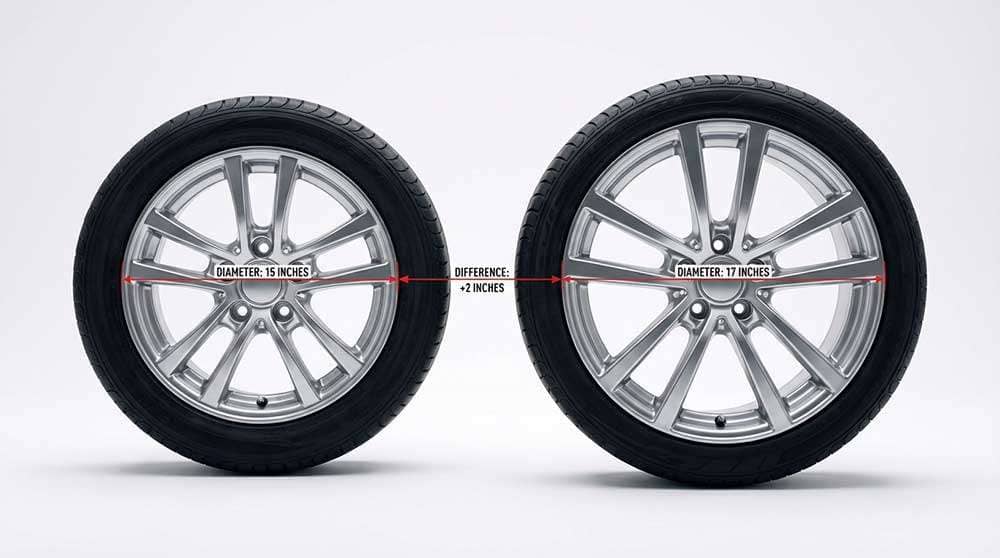
Comparing these wheel sizes reveals distinct characteristics that directly impact your vehicle's performance. This breakdown shows exactly what changes when you move between these popular sizes.
Sidewall height creates the most significant difference in driving feel. 15-inch wheels use tires with taller sidewalls that absorb shock absorption over bumps and potholes effectively. This cushioning translates to smoother rides and reduced impact from rough pavement, making them excellent for daily commuting.
17-inch wheels pair with lower-profile tires that transfer more road surface feedback directly to the cabin. Road imperfections become more noticeable. However, these shorter sidewalls eliminate flex during cornering, delivering sharper steering response and enhanced vehicle control at higher speeds.
Weight differences between these sizes affect your vehicle's efficiency in measurable ways. 15-inch wheels typically weigh less, which reduces unsprung weight and rolling resistance—particularly beneficial for compact cars.
17-inch wheels add mass that your engine must work harder to accelerate and maintain speed. This extra weight impacts fuel economy most during city driving and frequent stops. Testing shows 1-3% decreases in fuel efficiency with larger wheels, with some Prius owners experiencing 6 MPG reductions after upgrading.
15-inch setups maintain clear financial advantages. Both wheels and tires cost less initially and for replacements. Real-world pricing shows significant differences—certain 35" off-road tires retail for $235 in 15-inch versus $347 for 17-inch versions.
17-inch wheels support broader tire selection despite higher costs. You'll find comprehensive options including all-season, summer, all-terrain, and high-performance models that aren't available in smaller sizes.
17-inch wheels create a more aggressive, filled-out appearance in wheel wells. This proportional balance enhances the stance of sedans, hatchbacks, and crossovers with a premium, sport-oriented look.
15-inch wheels offer a more traditional "tire-focused" appearance with substantial sidewall visibility. This classic proportion works well for economy vehicles and builds emphasizing function over form.
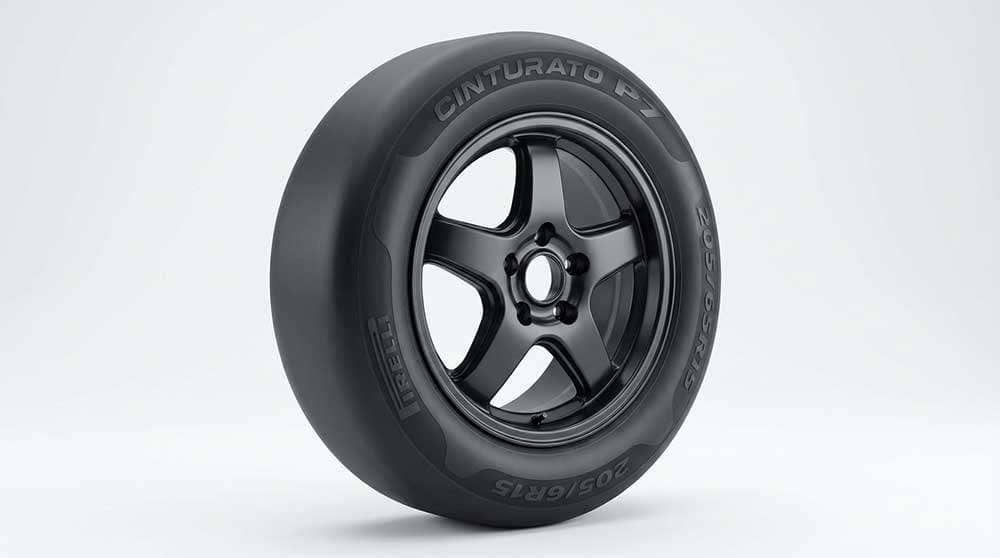
15-inch wheels represent the sweet spot for drivers who prioritize comfort, cost-effectiveness, and practical daily driving. These wheels deliver specific advantages that make them the preferred choice for many vehicle applications.
The key advantage lies in ride quality. 15-inch wheels pair with taller tire sidewalls that function as natural shock absorbers, cushioning impacts from potholes, road debris, and uneven pavement. This extra sidewall height creates a noticeably smoother driving experience, especially on deteriorated roads.
Weight savings provide another significant benefit. 15-inch wheels typically weigh less than larger alternatives, reducing unsprung mass and improving overall vehicle dynamics. This weight reduction translates directly into better fuel efficiency—some drivers report gaining 1-2 mpg when switching to lightweight 15-inch alloy wheels.
Durability advantages come from the protective nature of taller sidewalls. These extra inches of rubber act as a buffer zone, shielding the wheel rim from curb damage and pothole impacts. For drivers in areas with poor road conditions, this protection can prevent costly wheel repairs and replacements.
15-inch tires offer substantial cost savings throughout ownership. Initial purchase prices run significantly lower, and replacement costs remain more economical long-term. Real-world pricing shows the difference clearly—certain 35-inch off-road tires cost approximately $235 in 15-inch size compared to $347 for identical 17-inch versions, saving over $100 per tire. Complete wheel and tire packages typically range from $1000-$1500 for 15-inch setups.
15-inch wheels excel in specific applications:
Budget-conscious owners seeking lower maintenance costs
Vehicles operating on rough or deteriorating road surfaces
Classic muscle cars and vintage builds maintaining authentic proportions
Off-road applications requiring sidewall flex for traction
These wheels remain the standard choice for compact cars, economy sedans, and classic vehicles where their balance of comfort, affordability, and protection delivers optimal value.

17-inch wheels represent the sweet spot for drivers who want improved performance without going to extremes. These wheels deliver meaningful upgrades in handling and appearance while remaining practical for daily use.
The biggest advantage comes from enhanced handling precision. 17-inch wheels use shorter sidewalls that reduce flex during cornering, giving you sharper steering response and better control. The visual impact speaks for itself too—these larger wheels fill wheel wells properly, creating a more proportional and refined look. You also get access to a much wider selection of tire options, from all-season compounds to high-performance summer tires, opening up customization possibilities.
Performance improvements with 17-inch wheels center around steering precision and vehicle stability. The reduced sidewall flex translates directly to more responsive handling during aggressive driving or emergency maneuvers. Your vehicle's contact patch increases too, providing better traction at highway speeds and in challenging weather conditions. The tradeoff is a firmer ride quality since the shorter sidewalls can't absorb road imperfections as effectively.
17-inch wheels work best for specific vehicle types and driving styles. Sports sedans, performance hatchbacks, and crossovers benefit most from the balanced approach these wheels provide. They're ideal if you prioritize handling improvements but still need daily drivability for commuting or family use. Classic muscle car enthusiasts often choose 17-inch wheels for restorations, as they offer modern performance benefits while maintaining period-appropriate proportions.
The decision to upgrade from 15 to 17 inch wheels goes beyond appearance preferences. Smart shoppers evaluate practical factors that affect daily driving and long-term ownership costs.
The key difference centers on sidewall height and its impact on your driving experience. 15-inch wheels use taller sidewalls that cushion road impacts, while 17-inch wheels feature shorter sidewalls that enhance steering response and cornering stability. The larger 17-inch option creates a more aggressive appearance and fills wheel wells better, but adds weight that can affect acceleration and fuel economy.
Your choice depends on what matters most in your daily driving:
15-inch: Choose for maximum comfort, fuel savings, and budget-friendly ownership
16-inch: Select for balanced performance without extreme compromises
17-inch: Pick for sharp handling, sporty looks, and performance driving priorities
Before you buy, verify proper wheel fitment including offset, backspacing, and hub dimensions. Check brake caliper clearance too—larger wheels sometimes interfere with factory brake components, causing expensive fitment issues.
Wheel size changes affect your suspension behavior significantly. Larger wheels add unsprung mass, making your suspension work harder and feel less responsive over bumps. The added rotational weight also makes steering feel heavier at parking lot speeds. Plus, changing wheel diameter can alter suspension geometry angles like camber and toe, potentially affecting tire wear patterns and handling characteristics.
Consider these suspension impacts carefully if you frequently drive on rough roads or prioritize ride comfort over performance gains.
The choice between 15-inch and 17-inch wheels comes down to understanding what matters most for your specific driving needs. We've covered the key differences throughout this guide, and the decision becomes straightforward when you match wheel size to your priorities.
15-inch wheels deliver the best value for daily drivers. The combination of lower costs, better fuel economy, and superior ride comfort makes them the smart choice for commuters and budget-conscious vehicle owners. The added protection against pothole damage provides real-world benefits that save money over time.
17-inch wheels serve performance-focused drivers who value handling precision and visual impact. The improved steering response and sportier appearance come at a higher cost, but the investment pays off for enthusiasts who prioritize these characteristics.
Before making any changes, verify your vehicle's fitment requirements. Check wheel offset, brake clearance, and potential suspension impacts to avoid costly mistakes. Consider your daily driving conditions - rough roads favor 15-inch wheels, while smooth highways and spirited driving benefit from 17-inch options.
The right wheel size matches your driving style and budget. Daily commuters typically benefit more from staying with 15-inch wheels, while driving enthusiasts often find 17-inch wheels worth the extra investment.
At Performance Plus Tire, we understand that choosing the right wheels affects both your vehicle's performance and your wallet. Our experts can help you find the perfect wheel and tire combination for your specific needs and budget. Whether you stick with 15-inch comfort or upgrade to 17-inch performance, we have the selection and expertise to ensure you make the best choice for your vehicle.
Ready to upgrade your wheels? Contact our team today for personalized guidance on selecting the right size and style for your driving needs.
Upgrading from 15-inch to 17-inch wheels is possible but requires understanding significant tradeoffs between comfort, performance, and cost.
15-inch wheels prioritize comfort and economy - taller sidewalls absorb road impacts better and improve fuel efficiency by 1-3 MPG
17-inch wheels enhance handling and esthetics - shorter sidewalls provide sharper steering response and sportier appearance but reduce ride comfort
Cost differences are substantial - 15-inch tires can cost $100+ less per tire, making them more budget-friendly for long-term ownership
Check compatibility before upgrading - verify wheel offset, brake clearance, and suspension geometry to avoid fitment issues
Choose based on driving priorities - daily commuters benefit from 15-inch comfort while performance enthusiasts prefer 17-inch handling precision
The decision ultimately depends on whether you value ride comfort and fuel savings over improved handling and visual appeal. Consider your daily driving conditions and budget constraints before making the switch.
Upgrading to 17-inch wheels typically results in a slight decrease in fuel economy. The heavier weight of larger wheels increases rolling resistance, which can reduce fuel efficiency by 1-3% in most cases. Some drivers have reported up to a 6 MPG loss after upgrading.
15-inch wheels generally provide a more comfortable ride due to their taller tire sidewalls, which better absorb road imperfections. 17-inch wheels, with their shorter sidewalls, offer less cushioning and may result in a firmer ride, making bumps and potholes more noticeable.
Yes, 17-inch wheels typically improve handling and performance. Their shorter sidewalls enhance cornering response, steering precision, and overall stability, especially during high-speed driving and turns. However, this comes at the cost of reduced ride comfort.
15-inch wheels and tires are generally more cost-effective. Both the initial purchase price and replacement costs tend to be lower for 15-inch options. The price difference can be significant, sometimes exceeding $100 per tire for comparable models.
Before upgrading, verify wheel fitment including proper offset, backspacing, and hub sizing. Ensure brake caliper clearance, as larger wheels may interfere with factory components. Consider the impact on suspension dynamics, ride comfort, fuel economy, and overall costs. Also, think about your primary driving needs and conditions to determine if the upgrade aligns with your priorities.



