
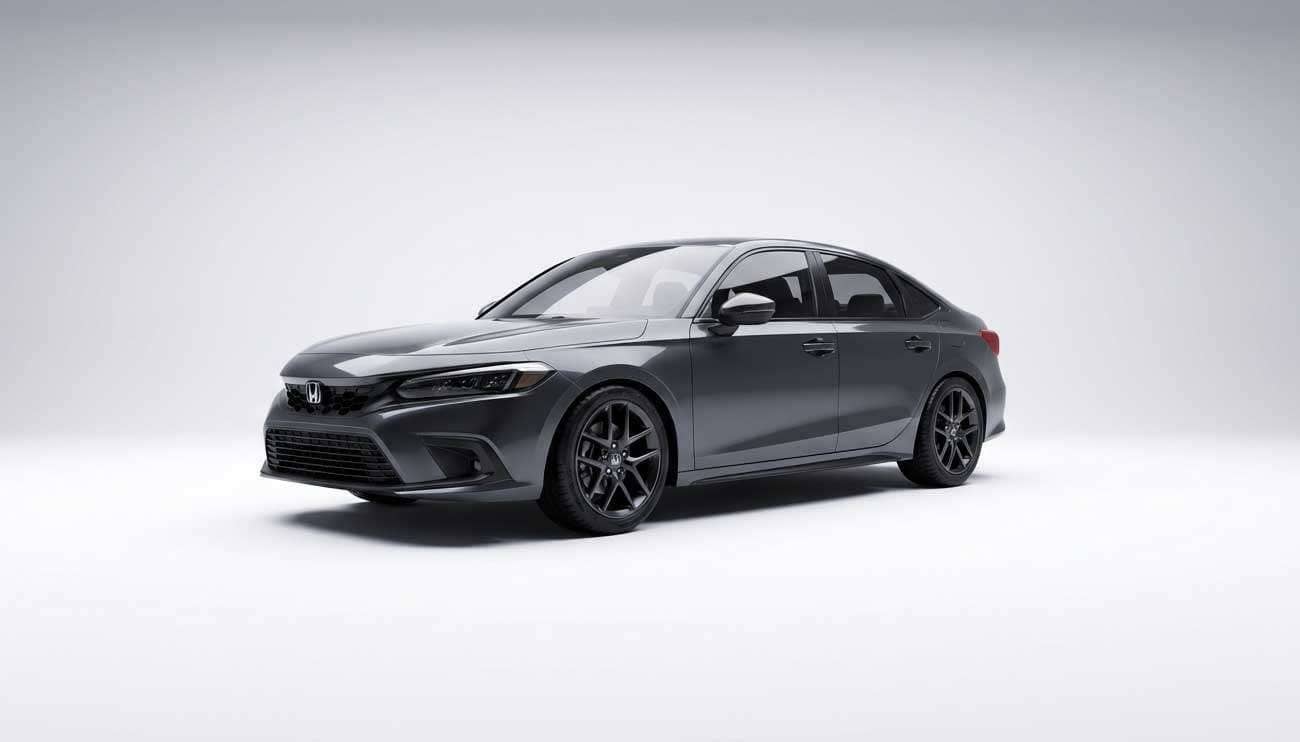
18 inch rims have earned their place as the smart choice for drivers who want both performance and practicality. These wheels deliver that hard-to-find sweet spot where comfort meets control, making them the go-to option for countless vehicle owners today.
17-inch wheels provide a cushioned ride with their taller sidewalls that absorb potholes and bumps effectively. 18-inch wheels step up the game with enhanced road presence and precise handling that drivers notice immediately. For city driving and varying road conditions, 18-inch setups balance comfort, grip, and cost better than larger alternatives. The extra sidewall compared to bigger wheels cushions expansion joints and rough pavement, giving you the best of both worlds.
We know that selecting the right wheel size means weighing style, comfort, and performance against your specific driving needs. This guide covers everything about 18-inch wheels - from handling improvements to cost factors - helping you decide if they're the perfect match for your vehicle and driving style.
18-inch wheels have captured the automotive market because they deliver exactly what drivers want - style, performance, and practicality wrapped into one smart package. These wheels represent the gold standard for drivers seeking a balanced experience without making extreme sacrifices.
18-inch wheels transform your vehicle's appearance instantly. More rim becomes visible with less tire, creating that aggressive, sporty stance car owners desire. The larger diameter fills wheel wells better, giving your vehicle a more planted and purposeful look compared to smaller alternatives.
These wheels hit the perfect middle ground - large enough to make a visual statement without looking oversized or disproportionate. The proportions work especially well on compact cars and coupes where bigger wheels might overwhelm the vehicle's design.
Automakers recognize this appeal, equipping higher trim levels with premium 18-inch alloys to boost visual impact. From BMW 3 Series to Ford Mustang, these wheels highlight design lines and create a more sophisticated profile.
18-inch alloy wheels dominate the mid-range and OEM segment for good reasons. You'll find them everywhere:
Mid-range sedans like Mazda 6
Compact SUVs and crossovers
Performance vehicles like Ford Mustang EcoBoost
Premium brands including BMW, Mercedes-Benz, and Audi
This widespread adoption means extensive availability in countless designs, finishes, and builds to match virtually any style preference. You'll also find better tire availability in conventional sizes, making replacements easier and more affordable.
Here's where 18-inch wheels truly shine - they refuse to make you choose between performance and comfort. The shorter, stiffer sidewall reduces flex during cornering, delivering improved responsiveness and lateral grip. You get sharper steering response and better road feel, especially at higher speeds where precise control matters most.
Unlike larger 19 or 20-inch options, 18-inch wheels retain enough sidewall to absorb bumps and provide reasonable comfort on uneven roads. This makes them ideal for urban driving and mixed pavement conditions.
Cost considerations make them even more appealing. Tire replacement typically runs $120-180 per tire - significantly less than larger alternatives. They're generally lighter than 19-inch wheels (20-22 lbs vs. 23-25 lbs per wheel), contributing to better fuel efficiency and reduced unsprung weight.
18-inch wheels have earned their popularity by delivering that rare combination of sharper handling, reasonable comfort, and head-turning style that makes them the smart choice for countless drivers.
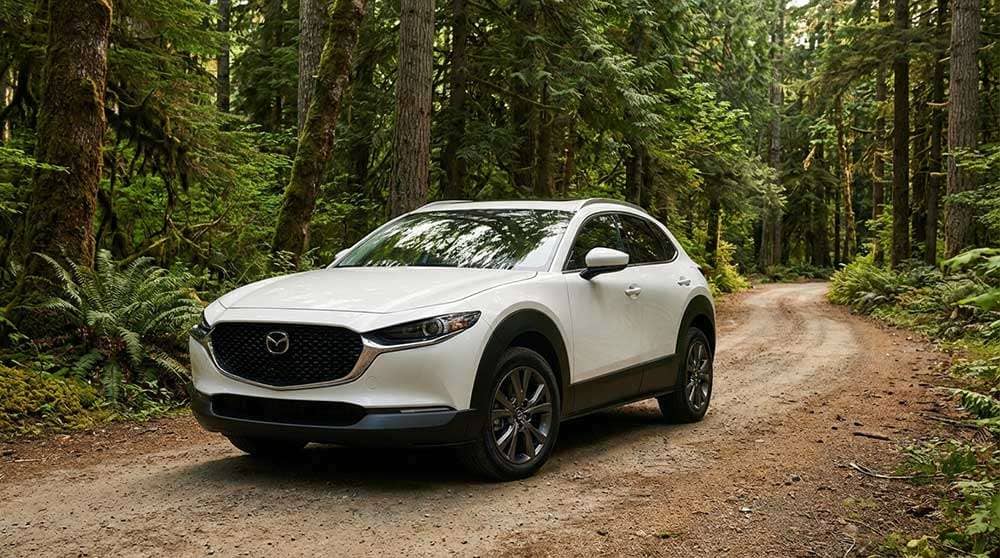
Understanding 18-inch wheels means looking at both their advantages and drawbacks. Like any automotive upgrade, these wheels come with specific trade-offs that affect your daily driving experience. Here's what you need to know about the real-world benefits and limitations.
18-inch wheels deliver measurable performance improvements that you'll feel behind the wheel. The shorter sidewall creates less flex during cornering, which translates to better grip and more immediate steering feedback. This enhanced control becomes especially noticeable when taking curves at higher speeds or driving winding roads.
The performance benefits include:
Faster steering response and increased cornering stability
Better road feel that helps you control power output more precisely
Improved braking performance from the larger contact patch
Optimal balance for sporty driving without extreme compromises
Research shows that wheel size increases can impact acceleration, with Car and Driver testing finding a 4% drop when going to larger sizes. However, 18-inch wheels strike that sweet spot where handling improves without major acceleration penalties.
Visually, 18-inch wheels transform your vehicle's stance immediately. More visible rim and less tire creates a sportier, performance-oriented look that works across different vehicle types. Car enthusiasts choose 18-inch wheels because they offer visual impact without looking oversized on most vehicles.
The customization options are extensive:
Multiple finishes including gloss black, satin, bronze, chrome, and machined
Various bolt patterns to match different vehicles
Lightweight flow-forged and forged options for reduced rotational mass
This variety allows you to personalize your vehicle's appearance while maintaining everyday usability and proper fitment.
The main drawback becomes apparent on imperfect pavement. Reduced sidewall height means less rubber cushioning between you and road imperfections. 18-inch wheels with lower-profile tires provide less cushioning, increasing rim damage risk on rough roads.
Compare this to smaller wheels where thicker sidewalls act as natural shock absorbers, making 17-inch setups more forgiving on pothole-filled streets. The difference is most noticeable on country roads, construction zones, or poorly maintained surfaces.
Additionally, the firmer ride quality can increase cabin noise and vibration. While 18-inch wheels aren't as harsh as larger 19 or 20-inch options, they still transmit more road imperfections than smaller alternatives.
The financial impact extends beyond initial purchase price. A set of 18-inch alloys typically costs USD 100.00-USD 200.00 more than comparable 17-inch versions. Tires command a premium of approximately USD 10.00-USD 20.00 per tire over 17-inch counterparts.
Ongoing expenses also increase with wheel size. Research indicates upsizing wheels can reduce fuel economy by 4-10%. This happens because larger wheels increase rolling resistance - the force needed to keep tires moving. Heavier wheels create more friction, requiring your engine to work harder.
Maintenance costs rise as well. Low-profile tires on 18-inch wheels are more vulnerable to pothole damage, potentially requiring costly replacements. Damage often means replacing both wheel and tire, while smaller setups might only need tire repairs.
Mechanics bring years of hands-on experience when recommending wheel sizes. Their practical insights focus on what actually works for your daily driving rather than marketing claims.
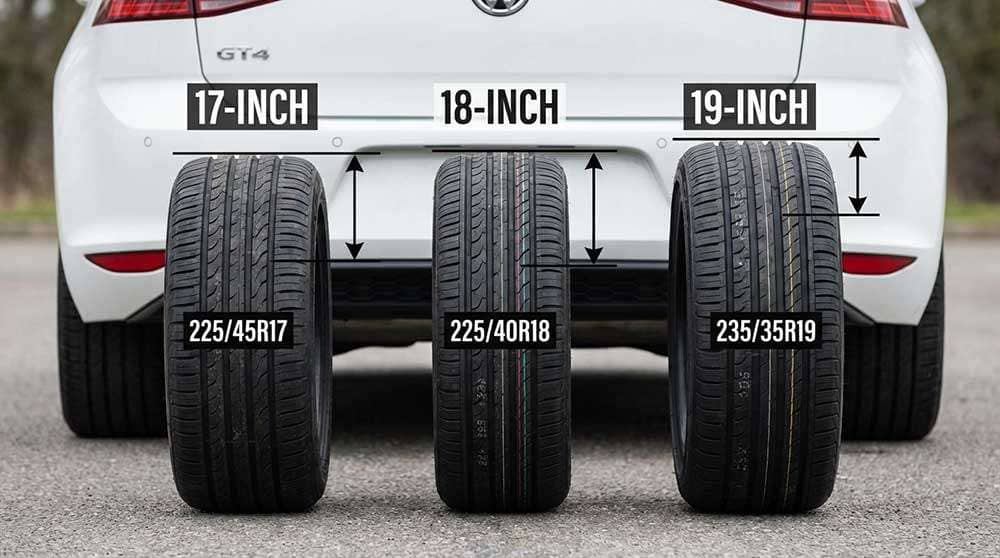
The key difference comes down to sidewall height. 17-inch setups feature taller sidewalls that work like natural shock absorbers, cushioning potholes and bumps effectively. This makes them the go-to choice for rough roads and daily commuting.
18-inch wheels deliver improved cornering stability and more responsive steering, especially at higher speeds. The stiffer sidewalls on 18-inch wheels create tighter control with less flex, making them the preference for performance-minded drivers.
Most mechanics recommend 17-inch wheels when comfort and practicality top your list. For drivers wanting a balanced experience with sharper handling, 18-inch options make more sense.
20-inch wheels win the looks contest but lose on practicality. Mechanics typically suggest 18-inch wheels for daily comfort, better tire value, and pothole protection, while 20-inch wheels offer sharper turn-in response and bold styling.
The thinner sidewalls on 20-inch setups provide less cushioning between the rim and road hazards. This reduced protection makes 18-inch wheels far more practical for everyday driving, particularly in urban areas with imperfect road surfaces.
Cost becomes a major factor - 20-inch tires cost significantly more, especially in premium performance or SUV applications. Many drivers find 18-inch sizes hit the sweet spot between visual appeal and real-world usability.
The comparison gets more nuanced here. Differences between 18 and 19-inch wheels are less dramatic but still impact your driving experience.
Ride comfort shows the clearest distinction - 18-inch wheels provide a more cushioned ride, absorbing road imperfections like potholes, cracks, and bumps better. 19-inch wheels boost road feedback and responsiveness, delivering improved corner grip and quicker steering response.
Both wheels and tires for 18-inch setups typically cost less than their 19-inch counterparts. This price advantage extends beyond initial purchase to replacement costs throughout ownership.

Understanding real-world performance matters when choosing 18-inch wheels. These wheels deliver measurable differences in key driving aspects that go beyond just appearance. Here's what you can expect from 18-inch setups based on actual test data and driver experiences.
18-inch wheels provide significantly improved steering precision compared to smaller alternatives. The stiffer sidewalls flex less during cornering, resulting in better grip and more immediate feedback. This enhanced control becomes especially noticeable when taking corners at speed or during spirited driving sessions.
Vehicles equipped with 18-inch wheels also demonstrate better high-speed stability. The reduced sidewall bending creates more predictable handling characteristics. BMW and Tesla owners consistently report their vehicles feel more planted with 18-inch wheels, particularly during aggressive cornering maneuvers.
Larger wheels typically impact fuel consumption. Research shows upsizing wheels can cause a 4-10% drop in fuel economy. This reduction occurs because larger, heavier wheels increase rolling resistance – the force needed to keep your tires moving.
Real-world testing confirms this effect. Tesla Model 3 testing revealed cars with 18-inch wheels achieved 15-20 more miles per charge compared to identical vehicles with 19-inch sport wheels. The smaller rolling diameter of 18-inch configurations provides approximately 1.2 miles/gallon more in combined driving cycles.
The unsprung weight of your wheels significantly affects acceleration and braking dynamics. Heavier wheels add rotational mass that your engine must overcome, potentially slowing initial acceleration by about 4% when significantly upsizing.
Lighter 18-inch wheels (typically 20-22 pounds versus 23-25 pounds for 19-inch options) can improve acceleration response. One driver reported removing approximately 10 pounds per wheel when switching from factory 20-inch to aftermarket 18-inch wheels, noting improved overall vehicle dynamics.
The ride quality question depends on your comparison point. Compared to 17-inch wheels, 18-inch setups feel firmer since they have less sidewall to absorb impacts. However, next to 19 or 20-inch options, 18-inch wheels offer noticeably better comfort.
Road surface quality plays a crucial role here. On smooth highways, differences between 18 and 19-inch wheels might be barely perceptible. Once you encounter potholes or expansion joints, the additional sidewall on 18-inch setups provides valuable cushioning that can significantly reduce harshness.
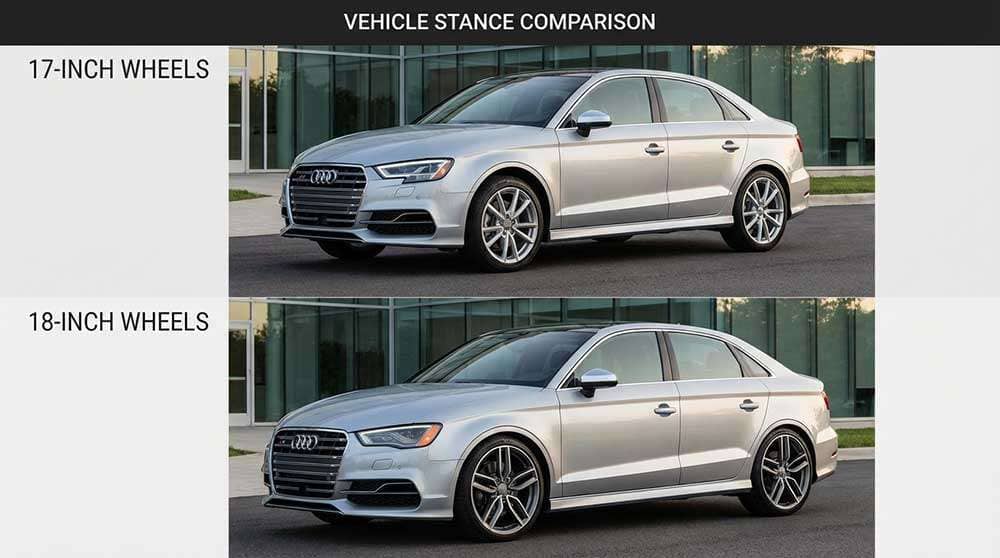
Image Source: Reddit
Choosing the right wheel size comes down to matching your driving habits with what each option delivers. 18-inch wheels work best for specific situations and driver preferences.
Daily commuting becomes more enjoyable with 18-inch wheels. The moderate sidewall height cushions potholes and bumps better than larger wheels while still providing responsive steering for city traffic.
These wheels excel when you want a sporty feel without sacrificing practicality. You get sharper handling and improved cornering stability without the harsh ride that comes with bigger options. Your vehicle feels more planted and controlled during regular driving situations.
18-inch wheels handle light off-road duties better than you might expect. The sidewalls can flex when you air them down, giving you better traction on rocks, mud, and sand.
SUV owners who venture off-road will appreciate how 18-inch wheels resist damage better than 20-inch alternatives. The extra sidewall thickness absorbs impacts from rough terrain more effectively.
Check your vehicle's owner's manual first to ensure 18-inch wheels fit properly. Consider these key factors:
Road conditions: Rough surfaces benefit from the extra cushioning 18-inch wheels provide
Budget considerations: Plan for $100-200 more than smaller wheel options
Performance priorities: You get sportier handling without ride quality penalties
At Performance Plus Tire, we carry an extensive selection of 18-inch wheels that deliver the perfect balance of style, performance, and value. Check out Performance Plus Tire's selection to find wheels that match your vehicle and driving needs.
18-inch wheels have earned their reputation as the smart choice for drivers who refuse to compromise. These wheels deliver improved handling and visual appeal while maintaining the comfort needed for daily driving. Their popularity spans across vehicle types because they simply work better than the alternatives.
Mechanics consistently recommend 18-inch wheels over both smaller 17-inch options that lack performance benefits and larger 19-20 inch wheels that sacrifice comfort for looks. The moderate sidewall height provides protection against road damage while still offering the responsive feedback that driving enthusiasts want.
Your daily commute, weekend drives, and even light off-road adventures all become more enjoyable with 18-inch wheels. They adapt to different driving conditions without requiring you to change setups or make major compromises.
Cost considerations favor 18-inch wheels as well. While they cost more initially than smaller wheels, they save money compared to larger sizes in tire replacement costs, fuel efficiency, and potential damage repairs. The long-term value makes them a practical investment.
Ready to upgrade your vehicle's performance and appearance? Performance Plus Tire offers an extensive selection of 18-inch wheels that deliver the perfect combination of style, handling, and value without breaking your budget.
Whether you prioritize sharper handling, better looks, or simply want the best all-around wheel option, 18-inch wheels provide real benefits that drivers notice immediately. They've become popular because they actually improve your driving experience, not just follow trends.
18-inch wheels have earned their popularity by striking the perfect balance between performance, comfort, and practicality for most drivers.
• 18-inch wheels offer the ideal sweet spot - delivering sharper handling and sporty looks without the harsh ride of larger wheels • Expect better performance with trade-offs - improved cornering and steering response, but firmer ride and 4-10% fuel economy reduction • Budget for higher costs - wheels cost $100-200 more than 17-inch options, plus premium tire prices throughout ownership • Perfect for daily driving with sporty feel - excellent for commuting, light off-road use, and spirited driving without extreme compromises • Choose 18s over alternatives strategically - more comfortable than 19-20 inch wheels, more responsive than 17-inch options
When considering wheel upgrades, 18-inch rims deliver measurable improvements in handling and visual appeal while maintaining reasonable comfort and cost-effectiveness for most driving scenarios.
18-inch wheels offer a balanced combination of improved handling, sporty appearance, and reasonable comfort. They provide better cornering stability and steering response compared to smaller wheels, while still maintaining adequate sidewall for absorbing road imperfections.
18-inch wheels generally offer sharper handling and a sportier look than 17-inch wheels. However, 17-inch wheels typically provide a slightly more comfortable ride due to their taller sidewalls. The difference in comfort is usually minimal for most drivers.
Yes, 18-inch wheels are well-suited for daily driving. They strike a good balance between performance and practicality, offering improved handling without significantly compromising ride comfort. They're common on many modern sedans and SUVs for this reason.
There can be a slight negative impact on fuel economy when using 18-inch wheels compared to smaller sizes. The increase in wheel size and weight can lead to higher rolling resistance, potentially reducing fuel efficiency by about 4-10% in some cases.
Before upgrading to 18-inch wheels, consider factors such as your driving preferences, local road conditions, and budget. Keep in mind that 18-inch tires are typically more expensive than smaller sizes, and they may provide a slightly firmer ride. Also, ensure that 18-inch wheels are compatible with your vehicle's specifications.



