
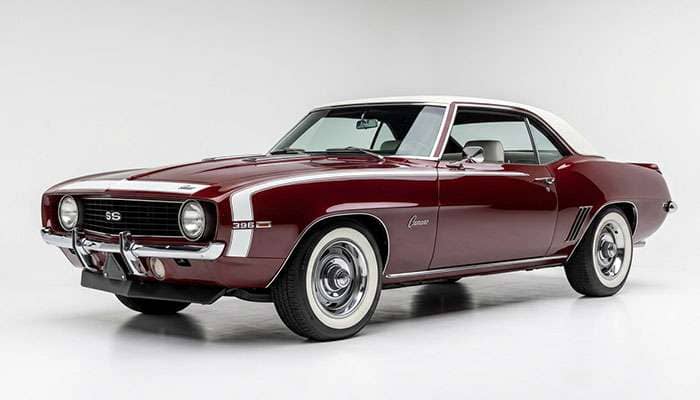
A fella rolled into the shop a while back with a gorgeous '67 muscle car he'd just finished restoring. Paint was wet-looking, chrome was blinding, and the whole thing sat on a set of cracked-up bias-ply whitewalls that were older than his grandkids. He loved the look. He hated the drive. Said the car wandered all over the road and shook like a paint mixer over 45 mph. "Hank," he says, "do I have to choose between looking right and driving right?"
Forty, fifty years of putting rubber under classic iron, and I can tell you that question comes up more than any other. For a long time the honest answer was a shrug. Then companies like Diamond Back came along and changed the math. So let's get into it: are Diamond Back tires any good, and are they the right call for your ride?
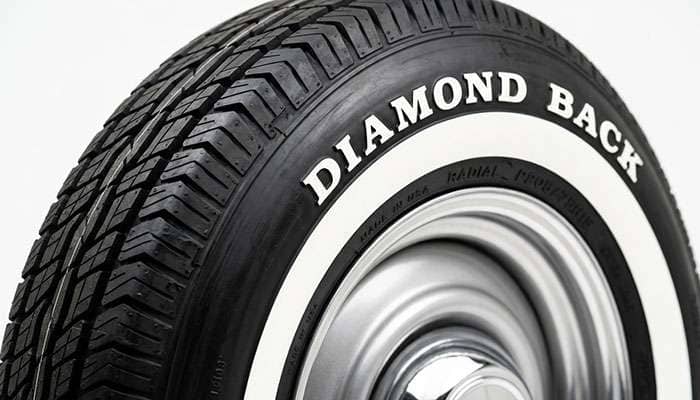
Here's the part that trips folks up, so I'll say it plain. Diamond Back, for most of its catalog, doesn't pour its own rubber from scratch the way Goodyear or Michelin does. What they do is take a brand-new, modern radial tire from a major manufacturer and vulcanize a custom sidewall onto it, a real whitewall, redline, goldline, you name it, bonded right into the rubber. They've also got their own house line, the Auburn series, for folks who want the Diamond Back name on the casing too.
Now, some purists hear "they don't make the tire" and clutch their pearls. Don't. This is the same trick the industry has used for the better part of a century to give classic cars period-correct looks on a casing that's actually safe to drive on. The difference is Diamond Back does it cleanly, in the USA, and the line is built into the tire, not painted on the outside like some cheap touch-up job. You're getting a genuinely modern radial underneath that vintage face. That's the whole magic.
If the idea of classic styling riding on a modern radial casing is new to you, it's worth understanding the broader picture, because it's exactly why these tires drive the way they do. I broke that whole concept down in our guide on bias-look radial tires, and it'll make a lot of what follows click into place.
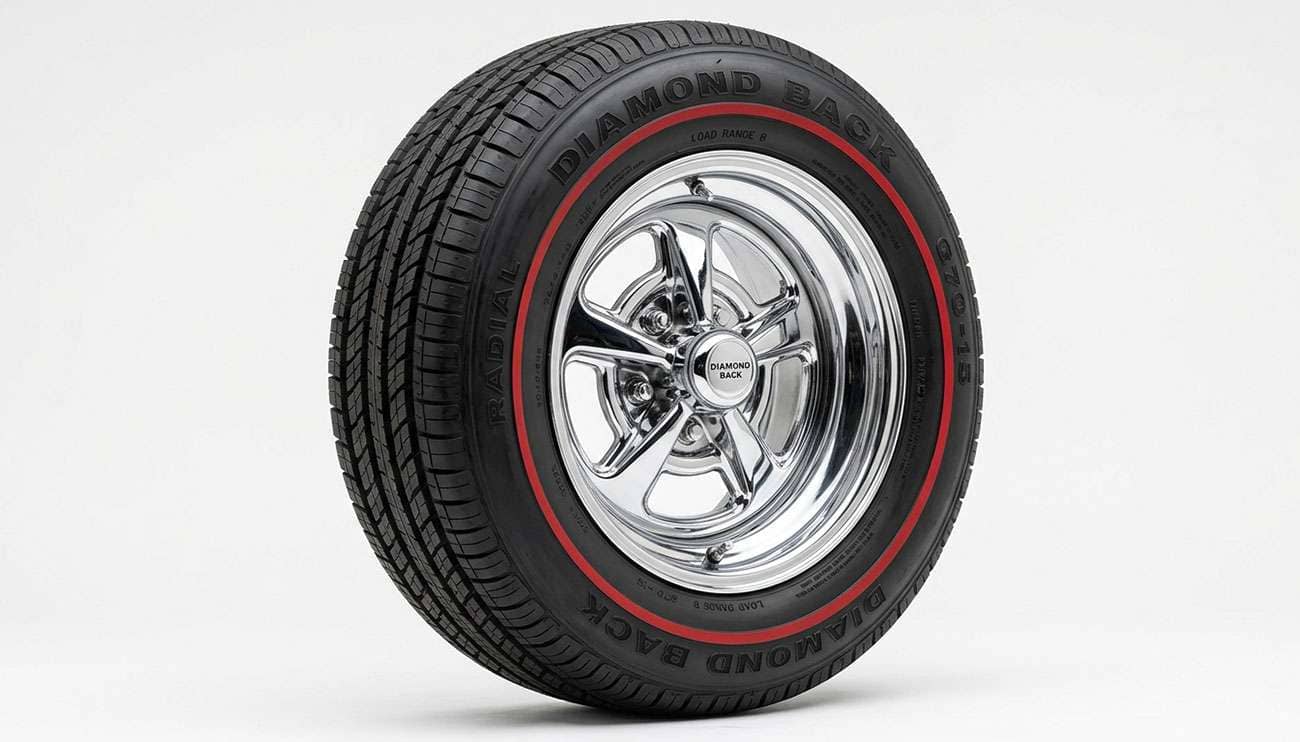
This is where Diamond Back earns its keep, and where it gets fun. The catalog runs deep. You've got wide whitewalls in damn near any width you'd want, from a slim 3/8-inch accent up to those big fat 3-inch bands that make a '50s cruiser look like a million bucks. You've got redlines, the muscle car signature. Goldlines for that '70s personal-luxury swagger. Even bluelines if you want to turn heads at the show.
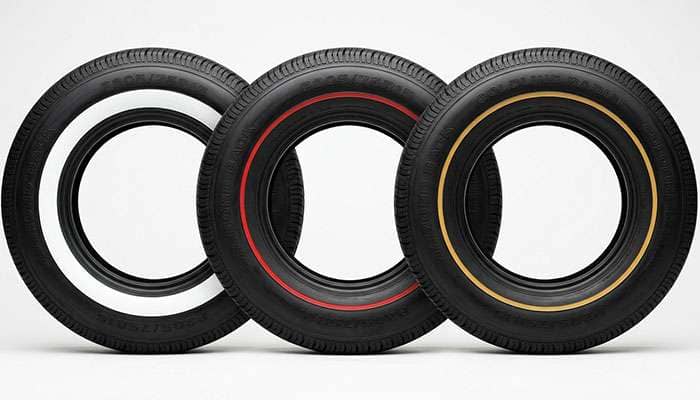
Because the line is molded in rather than slapped on, it holds up the way a factory sidewall would. If you're trying to figure out how wide to go, our whitewall width guide walks through getting the proportion right for your car and your wheels, and that matters more than people think, a band that's too wide or too narrow can throw the whole stance off.
Redlines deserve a special word because they're the one everybody asks about. If you want the full story on where that look came from and which cars wore it, take a look at our piece on what are redline tires. Diamond Back does them right, and on the correct car, nothing else looks like it.
This is the part that closed the deal for that fella with the '67, and it's the part I care about most. A pretty tire that drives like a wooden wagon wheel is no good to anybody.
Because there's a modern radial doing the actual work underneath, these tires drive like modern tires. I've had longtime customers who swapped off old bias-plies and called me up just to say they couldn't believe the difference, the car tracked straight, stopped shorter, and quit hydroplaning every time a cloud passed over. One of the things I've heard again and again from owners is that a Diamond Back rides noticeably better than some of the all-rubber "classic" tires built on older casings. Better grip in the wet, better manners on the highway, and a quieter cabin. You get the period look without signing up for period handling.
I won't oversell it. These aren't track tires, and they're not pretending to be. But for a cruiser, a Sunday driver, or a show car that actually gets driven to the show, the ride quality is exactly what you'd hope for from a current-generation radial. That's the honest truth, and it's why I keep recommending them.
Let's not dance around it: Diamond Back tires cost more than a plain blackwall off the rack. Sometimes a lot more, especially once you add a redline or goldline to the order. Folks see the sticker and wince. I get it.
But here's the thing to understand. You're not just buying a tire, you're buying a modern radial plus the hand labor of bonding a custom sidewall onto it, done in the States, built to your spec. That's craftsmanship, and craftsmanship has never been free. Whitewall and specialty tires have always carried a premium for exactly these reasons, and I laid out the full why behind it in our article on why are whitewall tires so expensive.
When you weigh it against the alternative, vintage-look tires that ride rough or age out fast, the value lands better than the first glance suggests. You're paying for the look and a tire you can actually trust at highway speed. On a car you've sunk real money and real weekends into, that's not the place to pinch pennies.
Here's the single most important piece of practical advice in this whole article, so don't skim it: Diamond Backs are made when you order them. They're not sitting on a shelf in a warehouse. That's actually a good thing, you're getting fresh rubber, not tires that have been baking in a storeroom for three years. But it means you wait.
Lead times vary depending on the spec and how busy they are, anywhere from a couple weeks to a month or more for a fancy custom order. The mistake I see folks make is ordering the week before a big show or the day the snow finally melts and they want to cruise. Don't do that to yourself. Order early. Build the tire wait into your project timeline the same way you'd plan for paint or upholstery, and the wait becomes a non-issue instead of a headache.
Brand reviews that only say nice things aren't worth the paper they're printed on, so let me give you the insider notes, the stuff I'd tell you across the counter.
First, that redline or whitewall needs care to stay sharp. A few owners have mentioned the red can mellow a touch over the years. The fix is easy: clean them gently, a mild cleaner and a soft scrub, not harsh chemicals that'll dull the finish. We've got a full walkthrough on how to restore faded whitewall tires if yours ever need freshening up.
Second, remember what these are for. Diamond Back lives in the classic, restoration, and show world. If you're shopping for a daily-driver economy tire or a snow tire, this isn't your aisle. These are specialty tires for cars that deserve specialty tires.
Third, plan around the lead time, which I already harped on, but it bears repeating because it's the number one thing that catches first-time buyers off guard. None of this is a knock on the brand. It's just knowing what you're getting into so the experience is a happy one.
So, are Diamond Back tires any good? After watching them go under hundreds of classic cars over the years, my answer is yes, with a wink and a piece of advice. They're a smart, honest solution to the oldest problem in this hobby: how to make a classic look right without driving like it's 1965. The look is authentic, the ride is genuinely modern, and the folks who buy them tend to come back for their next car too.
Just go in knowing they're a premium, made-to-order product, order them with time to spare, and treat that pretty sidewall with a little respect. Do that, and you'll have a set of tires that turns heads at the show and gets you home safe afterward. If you're ready to spec a set for your ride, take a look at the full Diamond Back Tires lineup and build the look you've been picturing.
Want to see how they stack up against the field? Our roundup of the 13 best whitewall tires for classic cars in 2026 puts them in context, and if you're curious about the company's roots, the history of Diamond Back tires is a good read.
For most of its catalog, Diamond Back starts with a brand-new modern radial from a major manufacturer and vulcanizes a custom sidewall onto it. They also offer their own house line, the Auburn series. Either way, you're driving on a current-generation radial casing.
Yes. Because there's a modern radial doing the work underneath the classic sidewall, owners regularly report much better ride quality, tracking, braking, and wet grip than old bias-ply or all-rubber classic tires.
You're paying for a modern radial plus the hand labor of bonding a custom whitewall, redline, or goldline onto it, built to order in the USA. That craftsmanship carries a premium, the same way specialty whitewall tires always have.
Because they're made to order rather than pulled off a shelf, expect a lead time that can run from a couple of weeks to a month or more for custom specs. Order early and build the wait into your project timeline.
They're built for classic, restoration, and show use. While the modern radial underneath handles regular driving just fine, they're a specialty product, not an economy or winter tire, so they shine most on cruisers and weekend cars.



