
Looking for last year's rankings? See our 2025 whitewall tire picks.
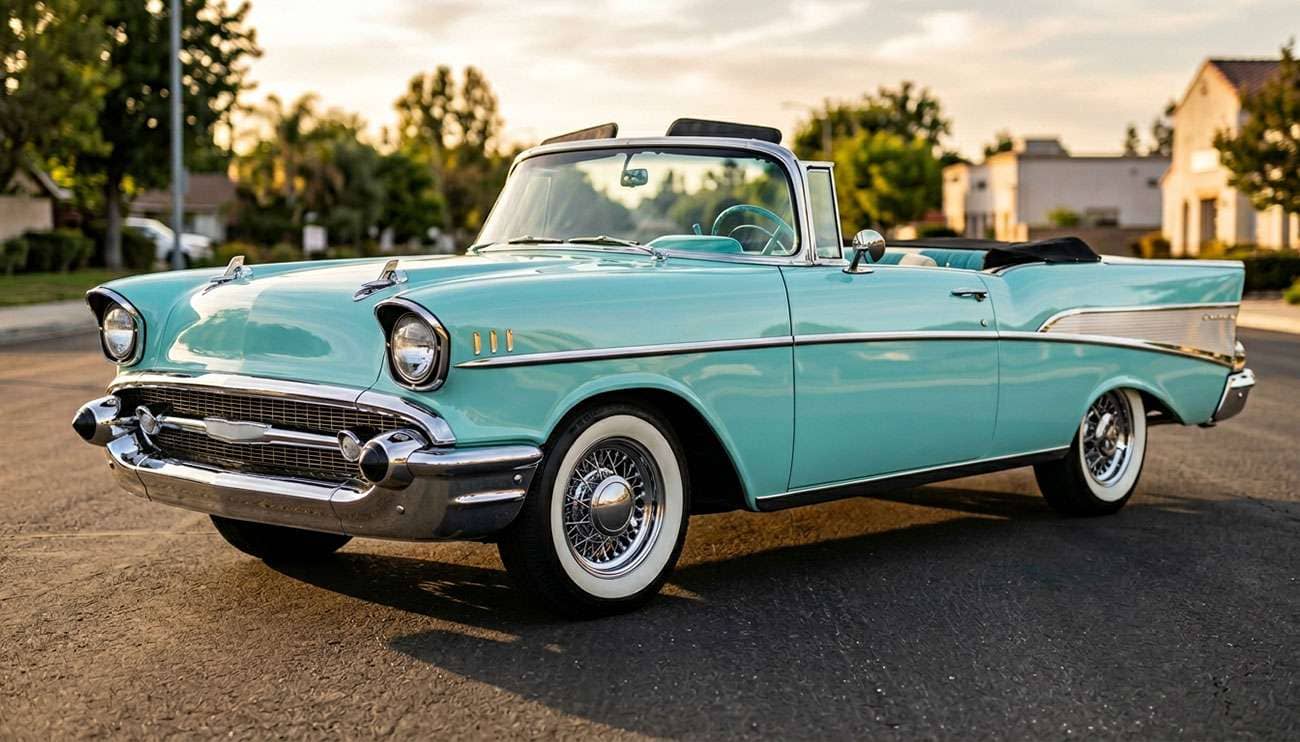
Whitewall tire selection is a technical decision before it's an aesthetic one. The wrong width on a 1953 Chevrolet Bel Air looks as wrong as a billet wheel — even buyers who can't articulate why they don't like it will know something's off. The right width depends on the model year, vehicle category, and how concours-correct the build needs to be. The construction choice between modern radial and true bias-ply depends on whether the car is a daily driver, a weekend cruiser, or a trailer queen that sees one car show per year.
This guide ranks the 13 whitewall tires that earned their spot in 2026 based on construction quality, period-correctness across the decades these tires need to fit, modern performance characteristics, and real availability at Performance Plus Tire. PPT carries more whitewall tire SKUs than virtually any other retailer in the United States — over 135 distinct product lines from a dozen brands — and every tire on this list links directly to its product page so you can confirm size availability and current pricing for your specific application.
Five technical factors determine where a whitewall tire ranks. Construction quality — radial tires from premium manufacturers like Coker Classic, Diamond Back, and American Classic use modern compound chemistry with ozone-resistant whitewall material that resists yellowing. Budget alternatives sometimes use thinner whitewall layers that show road grime more visibly and require more aggressive cleaning. Whitewall width accuracy — the difference between a 4-inch wide whitewall and a 2.75-inch whitewall isn't cosmetic preference; it's period-correctness. A 1953 Cadillac running 1.5-inch whitewalls looks visually wrong to anyone with a vintage car eye. Speed rating — modern radial whitewalls typically carry S (112 mph) or T (118 mph) ratings, while true bias-ply construction tops out at P (94 mph) or lower. Tread life — premium radial whitewalls deliver 35,000 to 60,000-mile UTQG-validated tread life, comparable to modern non-whitewall tires. Size availability — niche vintage sizes like 6.50-16 or 7.60-15 require specialty manufacturing that not every brand offers.
The 13 tires below all meet a baseline standard for genuine whitewall construction. Where they differ is the combination of construction tier, period-correctness for specific decades, and whether the tire is built for daily driving or concours-correct restoration. The ranking reflects overall combination across those factors rather than a single test result.
Whitewall width changed dramatically across the decades these tires need to fit. Getting the width right is the first decision, and it's strictly about era.
Era |
Typical Whitewall Width |
Vehicles |
Best Tire Categories |
|---|---|---|---|
Prewar (1920s-1941) |
3-inch to 4-inch wide |
Model A Ford, prewar Cadillac, vintage Packard, Duesenberg |
Coker Classic Bias, Lester Classic, BFGoodrich Silvertown Bias Ply |
Postwar (1946-1955) |
2.75-inch to 3-inch |
Tri-Five Chevy (early), 1949 Mercury, 1951 Hudson, early Cadillac Fleetwood |
Coker Classic Radial, American Classic Wide Whitewall, Firestone Deluxe Champion |
Late 1950s (1955-1962) |
2.5-inch to 2.75-inch |
1957 Bel Air, 1959 Cadillac Eldorado, 1957 Chrysler 300C, 1962 Lincoln |
Coker Classic Radial, American Classic Wide, BFGoodrich Silvertown Radial Wide |
Early-Mid 1960s (1963-1968) |
1-inch to 1.5-inch |
1965 Mustang, 1967 Camaro, 1966 Cadillac DeVille, 1968 Charger |
American Classic Narrow, Coker Style Star Series, BFGoodrich Silvertown Radial Narrow |
Late 1960s-1970s (1969-1979) |
0.625-inch (5/8") narrow stripe |
1970 Cadillac DeVille, 1972 Lincoln Continental, 1975 Buick Electra |
Diamond Back Touring, narrow-stripe radials |
1980s+ (1980-Modern) |
0.375-inch (3/8") pinstripe |
1980s luxury cars, modern reproduction trucks, custom builds |
Diamond Back specialty pinstripe, Vogue-style narrow |
For deeper guidance on width selection, see our complete whitewall width guide. Getting the width right is the difference between a build that looks correct and a build that's instantly identifiable as a modern reproduction by anyone who knows the era.
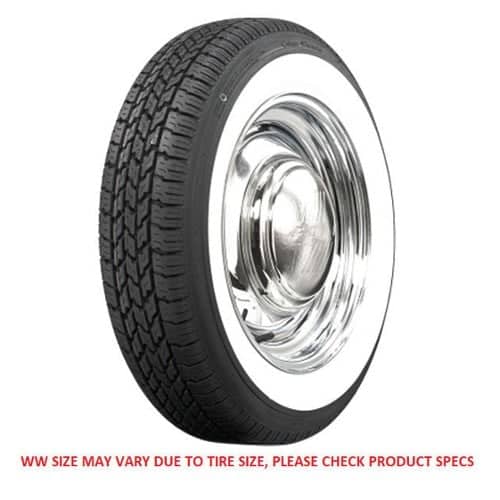
Construction: Modern radial with molded whitewall • Speed Rating: Up to T (118 mph) • Tread Life Warranty: 35,000+ miles • Best Era: 1946-1962 wide whitewall applications
The Coker Classic Radial sets the standard for premium whitewall tires in 2026. The construction is what matters: the whitewall is molded directly into the tire during manufacturing rather than being applied as a separate layer or painted-on coating. That distinction translates to better long-term durability — molded whitewalls don't peel, fade unevenly, or develop the brown discoloration that paint-on alternatives experience after sun exposure. The whitewall remains visually consistent through the tire's full service life rather than degrading over time.
Coker has been making classic tires since 1958 and the Classic Radial line launched in 1995 specifically to bridge the gap between vintage aesthetics and modern radial performance. Tread life ratings reach 35,000 miles or more depending on application, speed ratings go up to T (118 mph), and the radial construction delivers the handling, comfort, and wet-weather performance that bias-ply construction can't match. For drivers who actually use their classic vehicles — daily drivers, weekend cruisers, regular show circuit attendees — the Coker Classic Radial earns its premium pricing through the combination of authentic appearance and modern driving characteristics.
The tire covers wide-whitewall fitments primarily, making it the right choice for postwar (1946-1955) and late-1950s (1955-1962) applications where 2.5-inch to 3-inch whitewalls are period-correct. Pricing typically runs $178 to $435 per tire depending on size, putting it firmly in the premium tier of the whitewall market.
Browse Coker Classic Radial sizes and pricing, or see the full Coker Tires lineup. For more on Coker's quality, see why whitewall tires cost what they do.
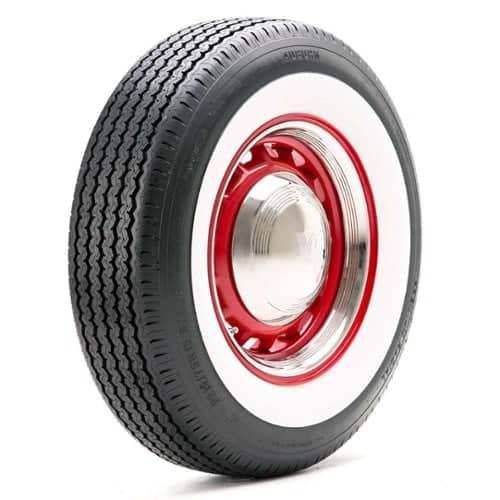
Construction: Modern radial premium tier • Speed Rating: T (118 mph) or higher • Best Era: 1946-1968 across width categories
Diamond Back's Auburn Premium line represents the upper tier of the brand's lineup, building whitewalls onto premium radial tire bases that deliver modern handling and tread life characteristics. The premium positioning shows up in the compound chemistry — the white sidewall layer uses ozone-resistant rubber that resists the yellowing premium customers complain about with budget alternatives, and the integration between whitewall and casing is engineered to prevent the cracking that develops when dissimilar rubber compounds bond poorly.
What separates the Auburn Premium from the standard Diamond Back lines is the underlying tire base. Diamond Back applies its whitewall manufacturing process to a higher-tier tire chassis, which means the radial construction underneath delivers performance comparable to mainstream non-whitewall touring tires. UTQG ratings, treadwear projections, and speed ratings all align with what buyers expect from premium contemporary tires — the whitewall is the visual element, not a compromise on driving performance.
The Auburn Premium covers a broad range of widths, making it adaptable across multiple eras. Wide whitewall variants suit 1946-1962 builds, while narrower variants work for 1963-1968 applications. For buyers who want one premium tire line that can serve multiple classic vehicles in a collection, the Auburn Premium is the most flexible choice on this list.
Browse Diamond Back Auburn Premium sizes, or see the full Diamond Back Tires lineup.
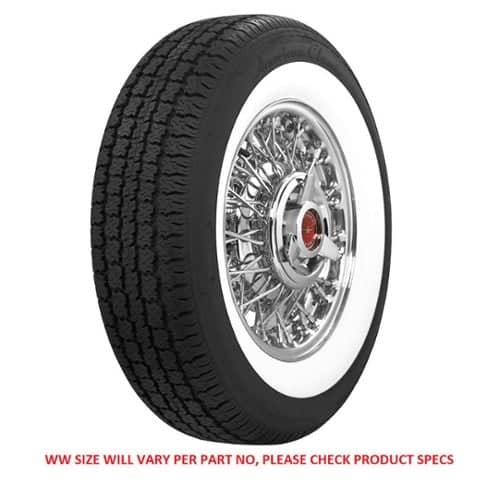
Construction: Modern radial with wide whitewall • Speed Rating: S (112 mph) to T (118 mph) • Best Era: 1946-1962 wide-whitewall applications
The American Classic Wide Whitewall Radial occupies the slot between Coker premium pricing and value-tier alternatives. The wide whitewall — typically 2.5 to 3 inches depending on the specific size — provides authentic period-correct appearance for postwar and late-1950s applications. The radial construction underneath delivers the modern handling and tread life that daily drivers and regular cruisers need.
What makes American Classic worth a serious look is the price-to-quality ratio. The brand applies a similar manufacturing approach to Coker but at a meaningful price discount, making it the right choice for buyers who want premium-tier construction without paying absolute top-tier pricing. The tread compound, sidewall integrity, and whitewall durability all meet the bar for daily driving and regular show circuit use.
The Wide Whitewall Radial covers most of the popular postwar and 1950s sizes including the 6.50-16, 7.10-15, 7.60-15, and 8.00-14 fitments that dominated American passenger car production from 1946 through 1962. For drivers building or maintaining 1949 Mercurys, Tri-Five Chevys, 1957 Bel Airs, 1959 Cadillac Eldorados, or similar postwar-through-late-1950s applications, the American Classic Wide is one of the most reliable choices in the category.
Browse American Classic Wide Whitewall Radial sizes.
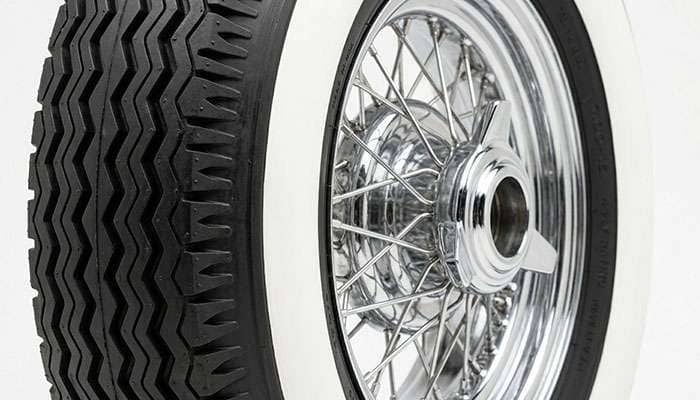
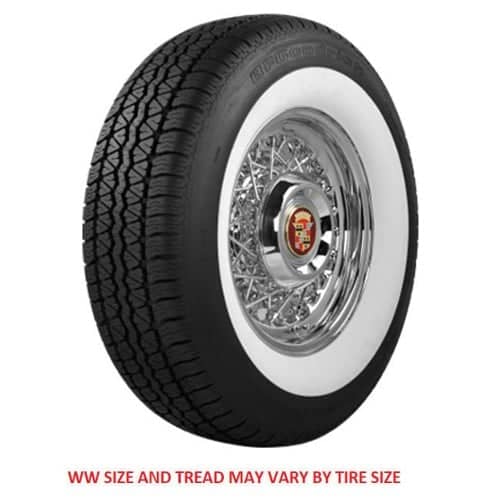
Construction: Modern radial • Heritage: Original Silvertown branding from 1900s tire production • Best Era: 1946-1962 with period-correct branding
The BFGoodrich Silvertown name has been on whitewall tires since the early 1900s, and BFGoodrich revived the Silvertown line specifically for the classic vehicle market. The Radial Wide configuration delivers the modern radial driving characteristics with the period-correct sidewall branding that concours judges and detail-oriented restorers actually look for. Other premium whitewall manufacturers produce excellent tires, but the BFGoodrich Silvertown brand stamping carries genuine heritage credentials that period-correct restorers value.
The Silvertown Radial Wide targets postwar and 1950s applications with whitewall widths in the 2.5-inch to 3-inch range. Construction quality matches premium-tier expectations — modern radial casing, ozone-resistant whitewall compound, and tread life ratings comparable to non-whitewall touring tires from the same brand. For drivers who want the BFGoodrich brand identity on their classic vehicle for both authenticity and warranty support, the Silvertown line is the answer.
BFGoodrich also produces the Silvertown in true bias-ply construction for buyers who need maximum period-correctness for concours restoration, and the Silvertown Radial Narrow variant covers later-era 1963-1968 applications. The breadth of the Silvertown line makes it one of the more flexible choices for collectors managing multiple vehicles across different eras.
Browse BFGoodrich Silvertown Radial Wide sizes, or see the full BFGoodrich Tires lineup.
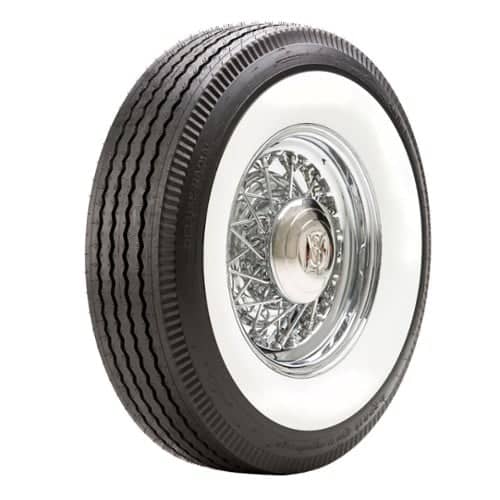
Construction: Modern radial mid-premium tier • Speed Rating: S (112 mph) to T (118 mph) • Best Era: Wide-whitewall postwar through late 1950s
The Auburn Deluxe sits below the Auburn Premium in Diamond Back's lineup but delivers most of the same construction quality at a meaningfully lower price point. The radial casing underneath uses Nexen as the OEM tire base, with Diamond Back applying its whitewall conversion process. UTQG ratings reach 460AA, speed ratings top out at S (112 mph) or T (118 mph) depending on the underlying tire base, and the whitewall integration uses the same compound technology as the Premium tier.
Where the Auburn Deluxe earns its slot is the value-to-quality ratio. Buyers who want Diamond Back's whitewall manufacturing quality without paying Auburn Premium pricing get most of what matters — durable molded whitewall, modern radial driving characteristics, broad size availability across the postwar and 1950s era — at a price point that serves more buyers. The compromise is mostly in the underlying tire base; the Auburn Deluxe uses standard touring tire chassis where the Premium uses higher-tier alternatives.
For drivers building or restoring 1946-1962 American passenger cars on a moderate budget, the Auburn Deluxe is the practical choice. The tire delivers authentic appearance and acceptable performance without forcing buyers to choose between budget alternatives that compromise on whitewall quality and premium tires that price out of reach.
Browse Diamond Back Auburn Deluxe sizes and pricing.
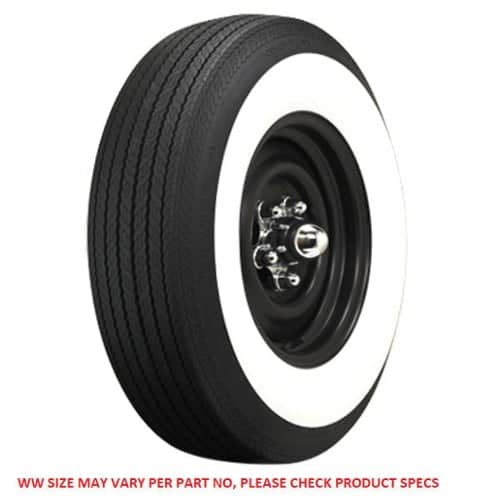
Construction: True bias-ply • Speed Rating: P (94 mph) typical • Best Era: Concours restoration of prewar through late 1950s applications
The Coker Classic Bias H delivers what the modern radial alternatives can't: true bias-ply construction. For concours-correct restoration where the vehicle's original specification called for bias-ply tires, this is the only construction type that meets period-correct standards. Bias-ply tires use overlapping rubber-coated cord layers laid at angles to each other, producing the distinctive sidewall behavior, ride feel, and aesthetic profile that defined American passenger car tires from the 1920s through the early 1970s.
The trade-off is real. Bias-ply construction delivers shorter tread life than radial alternatives — typically 15,000 to 25,000 miles depending on driving conditions — and lower speed ratings, with most variants topping out at P (94 mph) rating. Wet-weather performance is meaningfully different from radial construction, with reduced lateral grip and longer wet-pavement braking distances. For daily drivers, the radial alternatives on this list deliver substantially better safety and comfort. For trailer queens, concours show vehicles, and any application where period-correct authenticity outranks daily driving performance, true bias-ply is the only correct choice.
Coker's Classic Bias H configuration covers the most popular bias-ply whitewall sizes from the prewar era through the late 1950s. The "H" designation refers to the specific size series within Coker's bias-ply lineup. For 1932 Ford coupes, 1949 Mercury restorations, prewar Cadillacs, and similar concours-level builds, the Coker Classic Bias is the answer.
Browse Coker Classic Bias H sizes. For the radial vs. bias-ply technical comparison, see bias-look radial tires explained.
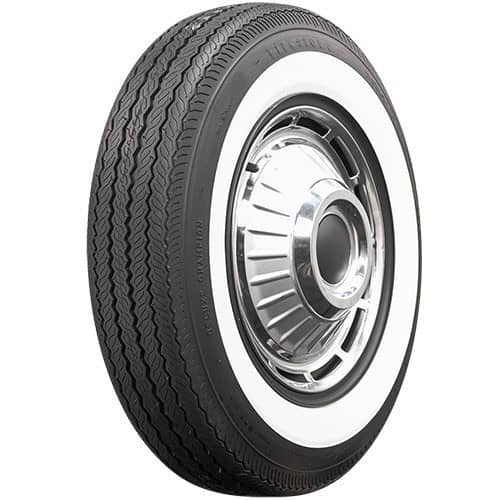
Construction: True bias-ply with period-correct Firestone branding • Best Era: 1948-1962 American passenger cars
The Firestone Deluxe Champion Bias Ply delivers the same period-correct bias-ply construction as the Coker alternative, but with the Firestone brand identity that some restorations specifically require. The Deluxe Champion was Firestone's premium passenger car tire from the postwar era through the early 1960s, and the modern reproduction maintains the original tread design, sidewall stamping, and whitewall configuration that defined the original.
For restorations of vehicles that originally shipped with Firestone tires from the factory — many GM and Chrysler products from the 1950s and 1960s — the Deluxe Champion delivers the brand identity that concours judges look for. Original equipment build sheets, dealer documentation, and period photographs often specify Firestone tires for cars that left the factory with them, and the Deluxe Champion is the closest modern reproduction to the original specification.
The trade-offs match the Coker bias-ply alternative — shorter tread life, lower speed rating, and bias-ply driving characteristics that differ meaningfully from radial alternatives. For trailer queens and concours-correct restoration, those trade-offs are appropriate. For daily-driven classics, the radial alternatives further up this list make more practical sense.
Browse Firestone Deluxe Champion Bias Ply sizes, or see the full Firestone Tires lineup.
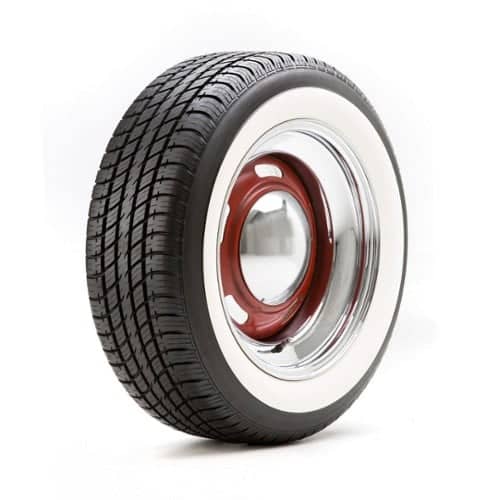
Construction: Modern radial • Best Era: Late 1960s through 1980s narrow-stripe applications • Strength: Highest sales volume in PPT whitewall inventory
The Diamond Back Touring is PPT's highest-volume whitewall tire — 84 distinct size variants in inventory, more than any other single product line. The reason is fitment breadth: the Touring covers more sizes than virtually any other whitewall on the market, making it the practical choice for buyers who need a specific fitment that the premium-tier alternatives don't make.
The construction is modern radial with Diamond Back's standard whitewall conversion process. The whitewall is integrated rather than painted-on, the radial casing delivers modern handling characteristics, and the tread life aligns with mainstream contemporary touring tires. The tire works particularly well for late-1960s through 1980s applications where narrow-stripe whitewalls (typically 5/8 inch or 3/8 inch) are period-correct — 1970 Cadillac DeVille, 1972 Lincoln Continental, 1975 Buick Electra, 1980 Chrysler New Yorker, and similar luxury and personal-luxury applications.
Pricing typically lands in the value-to-mid tier of the whitewall market — meaningfully below Coker Classic and American Classic premium options, but above the absolute budget alternatives. For drivers who need a specific size that the premium tier doesn't cover, or who want acceptable whitewall quality at moderate pricing for a daily-driven late classic, the Diamond Back Touring is consistently the right choice.
Browse Diamond Back Touring sizes.
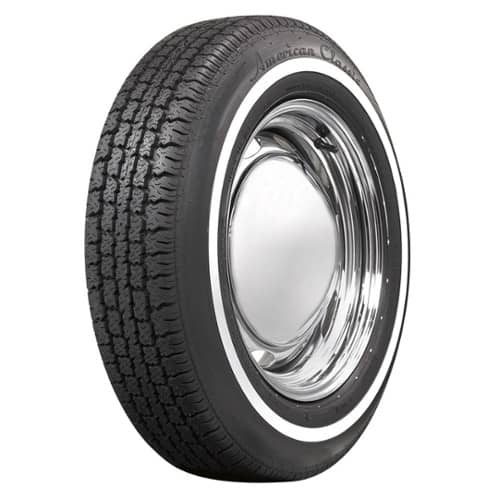
Construction: Modern radial • Whitewall Width: 1-inch to 1.5-inch narrow • Best Era: 1963-1968 American passenger cars
The American Classic Narrow Whitewall Radial covers the transitional era when American passenger car whitewalls narrowed from the bold 2.5-3 inch widths of the late 1950s down to the 1-inch to 1.5-inch widths that defined the mid-1960s. For 1965 Mustangs, 1966 Cadillac DeVilles, 1967 Camaros, 1968 Chargers, and similar applications, the Narrow Radial delivers the period-correct width that wider alternatives can't match.
The construction matches the brand's Wide Whitewall Radial — modern radial casing with integrated whitewall, ozone-resistant compound chemistry, S to T speed ratings, and tread life comparable to mainstream non-whitewall tires. Applying the same manufacturing approach across narrow and wide variants means buyers get consistent quality regardless of which width they need.
For early Mustang restorers in particular, the Narrow Radial fills a critical gap. Mustang K-code and original 1965-1966 production typically specified narrow-stripe whitewalls, and the American Classic Narrow Radial is one of the few products that covers the specific 6.95-14 and 7.35-14 sizes these applications require. For the broader 1963-1968 era across multiple manufacturers, the tire works across virtually any narrow-whitewall application.
Browse American Classic Narrow Whitewall Radial sizes.
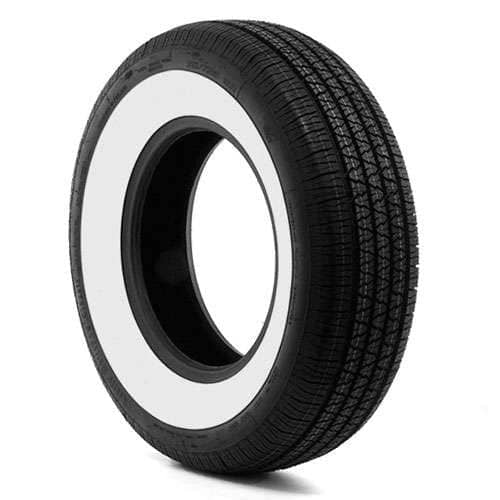
Construction: Modern radial European specification • Origin: Finnish-manufactured • Best Era: Wide-whitewall postwar through 1950s applications
Kontio Tyre is a Finnish manufacturer that specializes in classic and vintage tire production for the European market and has built a reputation for exceptional whitewall durability across the harsh European winters. The WhitePaw Classic WW-Wide brings that engineering depth to U.S. classic vehicle owners as a strong alternative to the dominant American brands. The compound chemistry is tuned for the kind of temperature variation Northern European drivers face, which translates to better durability in U.S. regions with severe winters.
The construction quality matches the premium American alternatives — modern radial casing, integrated whitewall, ozone-resistant compound, and tread life comparable to mainstream contemporary touring tires. The whitewall depth and width align with American postwar specification, making the WhitePaw a direct alternative for 1946-1962 applications where Coker, American Classic, or Diamond Back alternatives are more typical choices.
For collectors who want a non-American brand identity on their classic vehicle, or who specifically need the kind of cold-weather durability that European specification delivers, the WhitePaw Classic is the answer. The brand also produces a narrow whitewall variant for 1963-1968 applications and a bias-look radial alternative for buyers who want bias-ply aesthetics with radial performance.
Browse Kontio Tyre WhitePaw Classic WW-Wide sizes.
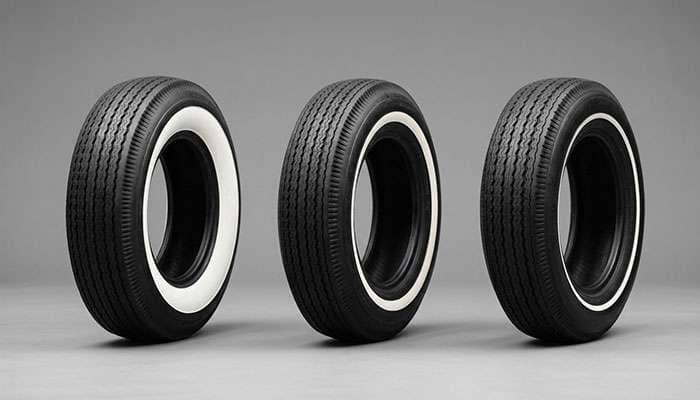
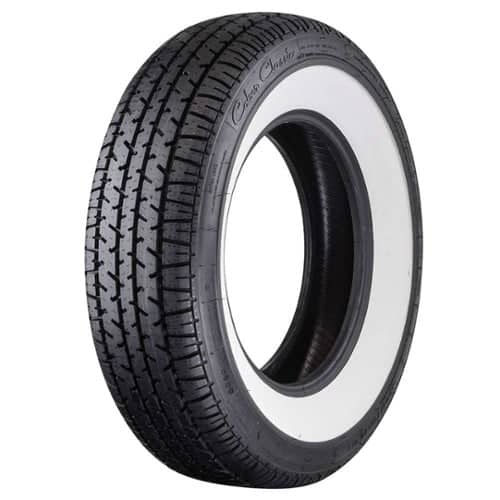
Construction: Modern radial • Aesthetic: Period-correct 1960s tread pattern with wide whitewall • Best Era: Early-to-mid 1960s muscle car and personal-luxury applications
The Coker Style Star Series Wide bridges a specific gap in the whitewall market. The wide whitewall (2-inch+) suits applications that called for wider whitewalls into the early 1960s, while the tread pattern uses the more aggressive 1960s-era design that visually pairs with muscle cars and personal luxury vehicles. For 1960-1965 Bonnevilles, early Impala SS builds, 1962-1964 Catalinas, and similar applications where the buyer wants wider whitewall presence than 1965+ vehicles called for, the Style Star Wide is the right answer.
Coker's manufacturing quality applies across the brand's full lineup, so the Style Star Wide delivers the same molded whitewall integration, ozone resistance, and tread life characteristics as the Classic Radial line. The differences are aesthetic — the tread pattern reads more period-correct for early-1960s aggressive driving applications, while the Classic Radial reads more period-correct for postwar sedan applications.
For drivers building tasteful resto-mod versions of early-1960s American performance cars, or restoring concours-grade Bonnevilles and Catalinas, the Style Star Wide fills a niche that the broader Coker Classic line doesn't quite reach. Pricing matches Coker's premium tier — typically $200 to $400 per tire depending on size.
Browse Coker Style Star Series Wide sizes.
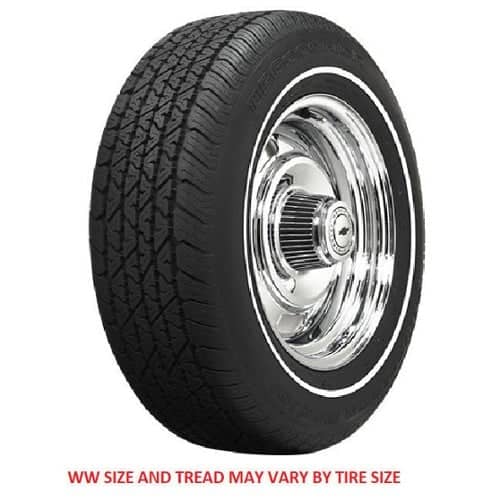
Construction: Modern radial with BFGoodrich Silvertown branding • Whitewall Width: Narrow (1-inch to 1.5-inch) • Best Era: 1963-1968 American passenger cars
The BFGoodrich Silvertown Radial Narrow is the narrow-whitewall companion to the wide variant covered earlier. The construction matches — modern radial casing, integrated whitewall, ozone-resistant compound, period-correct BFGoodrich Silvertown branding — but the narrow whitewall width suits the mid-1960s era where wider whitewalls had fallen out of fashion in favor of cleaner, narrower presentations.
For 1965-1968 Mustangs, Camaros, GTOs, Chargers, and similar muscle car applications where original-equipment narrow-whitewall presentation was period-correct, the Silvertown Narrow delivers the BFGoodrich brand identity that period-correct restorers value. Many original equipment specifications from the era called for BFGoodrich tires, and the Silvertown Narrow matches that specification with modern radial performance.
Construction quality and pricing align with the wide variant — premium-tier whitewall manufacturing, modern radial driving characteristics, tread life ratings comparable to mainstream non-whitewall touring tires from the BFGoodrich brand. The choice between Silvertown Wide and Silvertown Narrow is strictly about era — wide for 1946-1962, narrow for 1963-1968.
Browse BFGoodrich Silvertown Radial Narrow sizes.
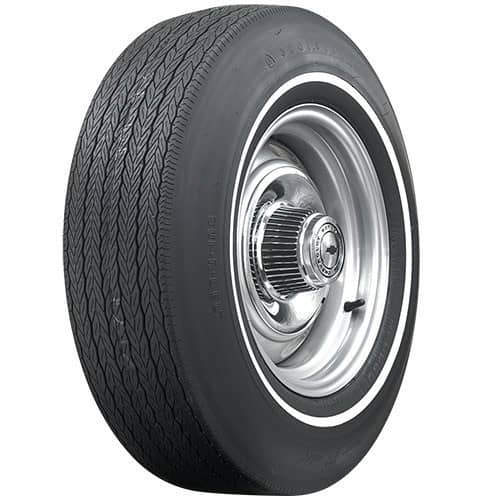
Construction: True bias-ply with muscle-car-era specification • Best Era: 1965-1972 American muscle cars and performance applications
The Firestone Wide Oval Bias Ply represents one of the most specific applications on this list — the muscle-car era from approximately 1965 through 1972 where wide-oval bias-ply tires defined the visual and mechanical character of American performance cars. The Wide Oval was Firestone's premium muscle car tire from the era, fitted to high-performance Mustang, Camaro, GTO, Charger, Cuda, and similar applications, and the modern reproduction maintains the original tread design, aspect ratio, and whitewall configuration.
For concours-correct muscle car restoration where bias-ply construction is required to match the original specification, the Firestone Wide Oval delivers exactly what the era called for. The tire is also one of the few options that covers the specific muscle-car-era sizes including E70-14, F70-14, G70-14, F70-15, and G70-15 fitments that mainstream radial alternatives don't replicate. For pure period-correct authenticity on a 1969 Camaro Z/28, 1970 Boss 302 Mustang, 1971 Cuda 440, or similar concours-level builds, the Wide Oval is the answer.
The trade-offs are the same as other true bias-ply tires — shorter tread life, lower speed rating, bias-ply driving characteristics that differ from radial. For concours-correct restoration, those trade-offs are required by the build's authenticity requirements. For daily-driven muscle cars, the modern radial alternatives deliver substantially better drivability while a properly chosen narrow-whitewall variant maintains acceptable period-correct appearance.
Browse Firestone Wide Oval Bias Ply sizes.
The most consequential decision in whitewall tire selection is the construction type. The choice affects daily-driving safety, ride comfort, tread life, and concours-correctness in different ways.
Factor |
Modern Radial |
True Bias-Ply |
|---|---|---|
Tread Life |
35,000 to 60,000+ miles |
15,000 to 25,000 miles |
Speed Rating |
S (112 mph) to T (118 mph) typical |
P (94 mph) typical, sometimes lower |
Wet Weather Performance |
Modern wet braking and lateral grip |
Reduced lateral grip, longer wet braking |
Ride Comfort |
Modern damping and impact absorption |
Stiffer ride, more impact transmission |
Period-Correctness |
Authentic appearance, modern construction |
Concours-correct for pre-1975 vehicles |
Best For |
Daily drivers, weekend cruisers, regular show circuit |
Trailer queens, concours-level restoration |
For the vast majority of classic vehicle owners, modern radial whitewalls are the right choice. The construction delivers acceptable period-correct appearance, dramatically better daily-driving safety, and tread life that doesn't require replacement after every two car shows. True bias-ply construction makes sense only when the build's authenticity requirements specifically call for it — concours competition, museum-grade restoration, or specific historical accuracy where the vehicle's certification depends on period-correct construction.
For deeper construction discussion, see our bias-look radial tires guide and why vintage-correct tires cost what they do.
The 13 tires above all earned their spot in 2026, but the right choice for your specific vehicle depends on three decisions in order.
Decision 1: Match the width to your vehicle's era. A 1953 Cadillac needs 2.75-inch to 3-inch wide whitewalls. A 1965 Mustang needs 1-inch to 1.5-inch narrow whitewalls. A 1972 Lincoln Continental needs a 5/8-inch narrow stripe. Wrong-era width is the single most visible mistake in classic vehicle tire selection, and it's the first thing concours judges notice. The era-by-era table earlier in this article covers the typical specifications.
Decision 2: Choose construction based on use case. If the vehicle sees regular daily driving, weekend cruising, or even occasional show circuit attendance, choose modern radial construction. If the vehicle is a trailer queen, museum piece, or concours-level restoration where the build's authenticity requirements specifically call for bias-ply construction, choose true bias-ply despite the daily-driving compromises. For most owners, this decision points to radial.
Decision 3: Choose price tier based on use intensity. Premium-tier tires (Coker Classic, Diamond Back Auburn Premium, American Classic Wide) earn their pricing through ozone resistance, tread life, and visual consistency through the tire's full service life. For drivers who actually use their classic vehicles regularly, the premium tier amortizes its cost over more years of service. For occasional-use vehicles where tires age out before they wear out, value-tier alternatives (Diamond Back Touring, narrow-stripe options) deliver acceptable performance at meaningfully lower prices.
For deeper guidance, see our whitewall width guide, the manufacturer landscape overview, and the whitewall restoration guide for maintaining the appearance once the tires are mounted.
Rank |
Tire |
Construction |
Best Era |
|---|---|---|---|
1 |
Coker Classic Radial |
Modern Radial Premium |
1946-1962 wide whitewall |
2 |
Diamond Back Auburn Premium |
Modern Radial Premium |
1946-1968 across widths |
3 |
American Classic Wide Whitewall Radial |
Modern Radial Mid-Premium |
1946-1962 wide whitewall |
4 |
BFGoodrich Silvertown Radial Wide |
Modern Radial Heritage Brand |
1946-1962 wide whitewall |
5 |
Diamond Back Auburn Deluxe |
Modern Radial Mid-Premium |
Wide-whitewall postwar through 1950s |
6 |
Coker Classic Bias H |
True Bias-Ply |
Concours prewar through 1950s |
7 |
Firestone Deluxe Champion Bias Ply |
True Bias-Ply Heritage Brand |
Concours 1948-1962 |
8 |
Diamond Back Touring |
Modern Radial Value-Tier |
Late 1960s-1980s narrow stripe |
9 |
American Classic Narrow Whitewall Radial |
Modern Radial Mid-Premium |
1963-1968 narrow whitewall |
10 |
Kontio Tyre WhitePaw Classic WW-Wide |
Modern Radial European |
Wide-whitewall postwar through 1950s |
11 |
Coker Style Star Series Wide |
Modern Radial Premium |
Early-to-mid 1960s muscle and personal luxury |
12 |
BFGoodrich Silvertown Radial Narrow |
Modern Radial Heritage Brand |
1963-1968 narrow whitewall |
13 |
Firestone Wide Oval Bias Ply |
True Bias-Ply Heritage Brand |
1965-1972 muscle car concours |
The Coker Classic Radial leads the 2026 ranking with molded whitewall construction, modern radial driving characteristics, and tread life ratings reaching 35,000+ miles. Speed ratings up to T (118 mph) and ozone-resistant compound chemistry deliver durability comparable to mainstream non-whitewall touring tires. For 1946-1962 wide-whitewall applications, the Coker Classic Radial is the highest-confidence purchase. For different eras or specific use cases, the Diamond Back Auburn Premium and American Classic alternatives also rank highly.
Whitewall width depends strictly on the vehicle's era. Prewar through 1941 vehicles typically used 3-inch to 4-inch wide whitewalls. Postwar 1946-1955 vehicles used 2.75-inch to 3-inch widths. Late 1950s 1955-1962 vehicles used 2.5-inch to 2.75-inch widths. Mid-1960s 1963-1968 vehicles used 1-inch to 1.5-inch narrow whitewalls. Late 1960s through 1970s vehicles used 5/8-inch narrow stripes. 1980s and modern reproduction applications use 3/8-inch pinstripes. Wrong-era width is the most visible mistake in classic vehicle tire selection.
For most classic vehicle owners, modern radial whitewall construction is the right choice. Radials deliver 35,000-60,000+ mile tread life versus 15,000-25,000 miles for bias-ply, S to T speed ratings versus P (94 mph) for bias-ply, and modern wet-weather performance with proper lateral grip and braking. True bias-ply construction makes sense only for concours-level restoration where the build's authenticity requirements specifically call for period-correct bias-ply construction — typically for prewar-through-1972 vehicles certified for concours competition or museum-grade restoration.
Premium-tier whitewall tires (Coker Classic Radial, Diamond Back Auburn Premium, American Classic Wide) typically run $178 to $435 per tire depending on size. Mid-tier alternatives (Diamond Back Auburn Deluxe, American Classic narrow variants) run $130 to $290 per tire. Value-tier options (Diamond Back Touring, narrow-stripe alternatives) run $100 to $200 per tire. The pricing reflects the additional manufacturing complexity of integrating durable whitewalls into modern tire chassis — particularly the ozone-resistant compound chemistry that prevents yellowing over time.
Whitewall tires cost more than equivalent non-whitewall alternatives because the whitewall layer requires specialized manufacturing — premium brands mold the whitewall directly into the tire during production rather than applying it as a separate layer, and the white compound itself requires ozone-resistant chemistry to prevent yellowing over time. Production volume is also dramatically lower than mainstream tire production (specialty manufacturers like Coker produce thousands of tires versus millions for mainstream brands), which raises per-unit costs. Additionally, niche vintage sizes require dedicated tooling that doesn't amortize over high production volumes.
Active whitewall tire manufacturers in 2026 include Coker Tire, Diamond Back, American Classic, BFGoodrich (Silvertown line), Firestone (Deluxe Champion and Wide Oval lines), Kontio Tyre (Finnish manufacturer), Lester (specialty), Universal Classic, Goodyear (limited line), and Mickey Thompson (specialty applications). Performance Plus Tire carries products from all major active manufacturers — over 135 distinct whitewall product lines across multiple eras and constructions. Some mainstream tire brands have discontinued their whitewall lines entirely, focusing on specialty manufacturers to serve the classic vehicle market.
Premium whitewall tires use ozone-resistant compound chemistry that resists yellowing significantly better than budget alternatives, but all whitewall tires benefit from regular cleaning and protection from prolonged sun exposure. Specialty whitewall cleaners (Detail Pro and similar products) remove road grime and oxidation without damaging the whitewall compound. For long-term storage, indoor parking and tire covers extend whitewall appearance significantly. For deeper restoration of already-yellowed whitewalls, see our whitewall restoration guide for the step-by-step process.
No. Bias-look radial tires use modern radial construction with sidewall styling that visually mimics traditional bias-ply appearance, while true bias-ply tires use the original bias-ply construction with overlapping rubber-coated cord layers. Bias-look radials deliver modern radial driving characteristics — better tread life, higher speed ratings, modern wet-weather performance — with period-correct visual appearance. True bias-ply tires deliver authentic period-correct construction at the cost of modern driving performance. For most owners, bias-look radials offer the better combination of authentic appearance and daily driving performance.



