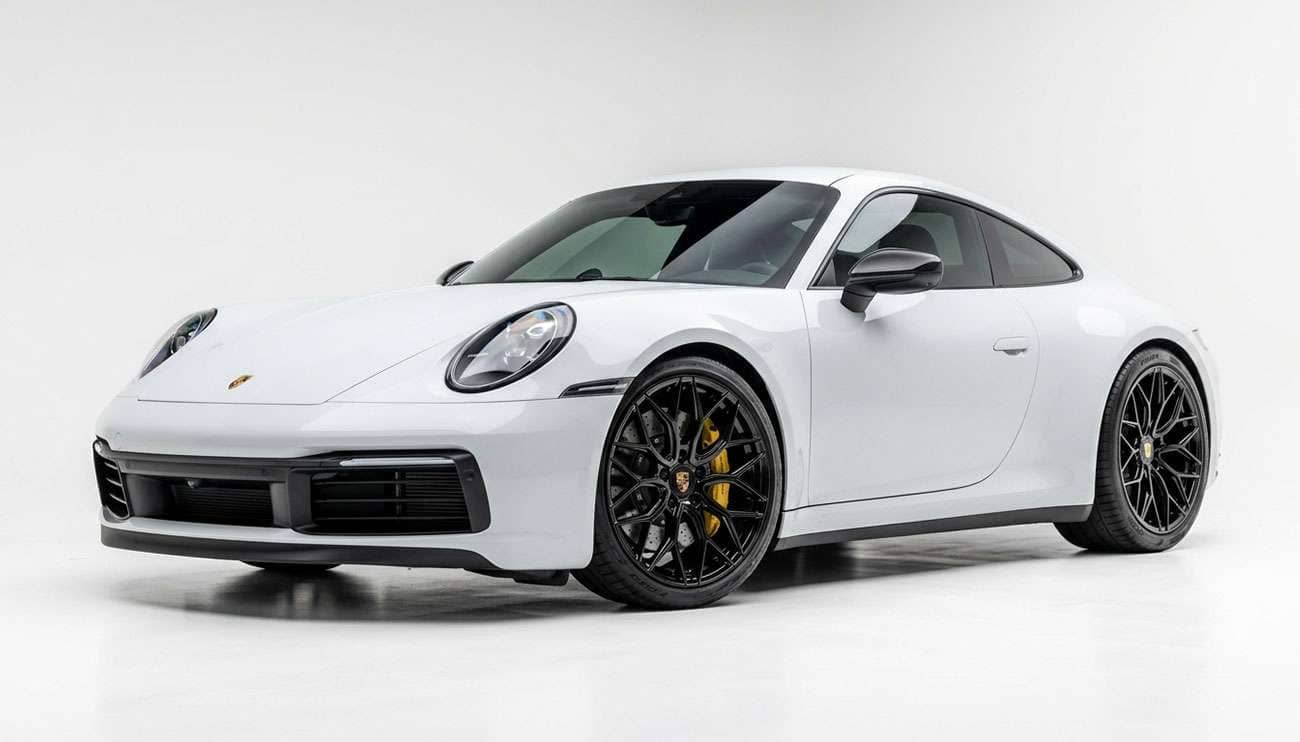
Short answer: black rims are usually a good idea, as long as you go in with your eyes open. They give almost any car a sleeker, more aggressive stance, they hide brake dust better than chrome, and they flatter light-colored paint. The catch is that black shows curb rash, telegraphs a dusty tire, and asks for a little more upkeep than folks expect. Whether they are right for you comes down to your car, how you drive, and how picky you are about a scuff.
I have watched this trend roll through the shop for a long time now. There was a stretch where everybody wanted their whole car "murdered out," black on black on black. Some of those cars looked like a million bucks. Some of them looked like a shadow with a license plate. The difference was never the color itself. It was whether the owner picked the right shade of black, the right finish, and matched it to a car that could carry the look. Let me walk you through the honest version.
For most drivers, yes. Black is the most versatile wheel color on the lot. It reads modern, it reads aggressive, and it plays nice with just about any paint color you park it against. That is exactly why it has become the default request for anybody upgrading from a factory silver wheel.
But "good idea" is not the same as "right for everybody." Black is a polarizing look. Some folks think it is the sharpest thing you can bolt on a car. Others feel it got too common and lost its edge. Both camps have a point. And the practical trade-offs are real. Compared to a bright chrome rim, black hides road grime beautifully but shows a chunk of curb rash like a black eye. The trick is knowing which trade-offs you can live with before you spend the money.
Let me give black its due, because it earns the popularity honestly. There are three things it does better than almost any other finish.
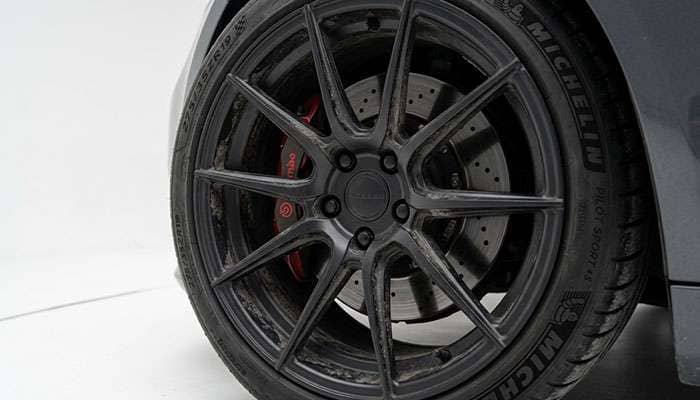
It hides brake dust and grime. This is the one nobody talks about until they live with it. Dark rims swallow brake dust and road film that would look like a mess on a chrome or silver wheel. You will still need to clean them, but they look cleaner longer between washes. On a daily driver, that is worth real money in aggravation saved.
It flatters bright paint. Set a black wheel against a white, silver, red, or bright blue car and you get instant contrast. The wheel pops, the body lines look tighter, and the whole car photographs like it costs more than it does. That contrast is the single biggest reason black took over.
It conceals minor imperfections. A small scrape or a little pitting disappears into a dark finish far more easily than it does on a mirror-polished rim. Now, there is a limit to this, and I will hit that limit hard in the next section, but for everyday nicks, black is forgiving. If you want the full rundown on the upside, we broke it all down in our guide to the benefits of using black rims.
Here is the part the glossy ads leave out. Black is not free. It asks for something in return, and if you do not know that going in, you will be disappointed.
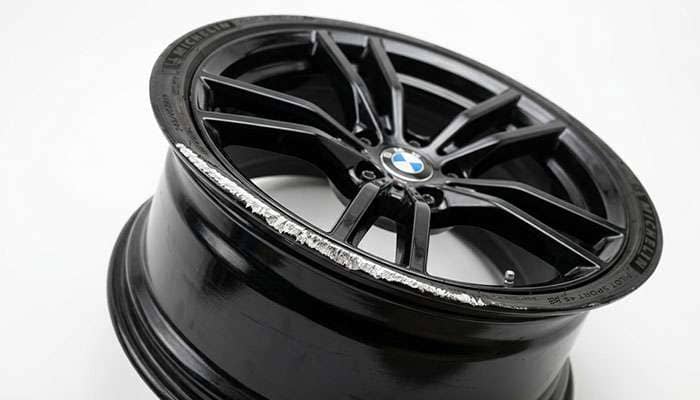
Curb rash shows. Kiss a curb with a gloss black wheel and the raw silver aluminum underneath glares out against the black like a flashlight. On a silver wheel, the same scrape practically hides itself. If you drive tight city streets, park by feel, or run a lowered car that scrapes driveways, understand that black punishes a mistake more than any other finish.
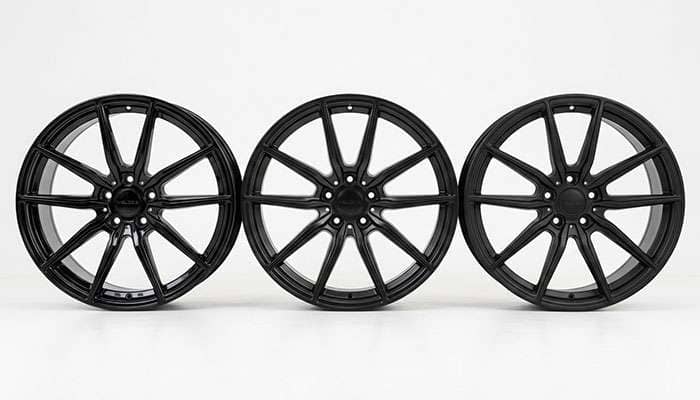
The design can vanish. This is the "sea of black" problem. A wheel with a beautiful intricate spoke pattern can lose all its detail at a distance when it is one flat shade of dark. From ten feet away it just reads as a black hole where a wheel used to be. If you paid for a fancy design, a fully blacked-out finish can hide the very thing you bought.
It shows a tired tire. Because the rim is so dark, a faded, browning, or unwashed tire stands out next to it and drags the whole look down. Black rims basically demand that you keep your rubber dressed and clean, or the contrast works against you.
It is a touch more maintenance. Scratches on a gloss black finish show up easily, and a curbed rim needs proper attention to look right again. The good news is that a scuffed or faded black wheel can usually be brought back to life. Powder coating is the gold standard for a durable, even black that stands up to abuse far better than spray paint.
Not all black is the same black, and this is where most people go wrong. The finish you pick matters more than almost any other decision, because it changes both the look and how much babysitting the wheel needs. Here is the honest breakdown.
Feature |
Gloss Black |
Satin Black |
Matte Black |
|---|---|---|---|
The Look |
Deep, wet, mirror-like shine |
Soft sheen, best of both worlds |
Flat, stealthy, no reflection |
Hides Brake Dust |
Good |
Very good |
Best |
Hides Scuffs and Wear |
Poor, shows everything |
Good |
Best at hiding small scuffs |
Cleaning Effort |
Easy to wipe, shows water spots |
Easy and forgiving |
Needs matte-safe products, no harsh polish |
Best For |
Show cars and garage queens |
Daily drivers who want durability and style |
The full murdered-out, aggressive look |
My honest advice for a car that actually gets driven? Satin or matte over gloss. Gloss black is stunning in a photo, but it shows every water spot, swirl, and scratch, and it wants more fussing to stay perfect. Matte and satin finishes shrug off minor wear far better. If you want to go deeper on the differences, we compared them head to head in our look at gloss, matte, and satin black wheels.
Black rims are versatile, but they are not universal. The look lands hardest when the wheel color has something to push against. Here is how black plays with the most common paint colors.
Car Color |
The Look |
Hank's Verdict |
|---|---|---|
White |
Maximum contrast, clean and sharp |
A home run, hard to beat |
Silver or Gray |
Adds depth and definition |
Sharp and modern |
Red |
Bold, aggressive, muscular |
One of the best pairings there is |
Blue |
Contrast on bright blue, subtle on dark blue |
Great, pick a lighter black on dark blue |
Black |
Monochrome, stealthy, murdered-out |
Works only with a bold spoke design |
Bright or Bold (Yellow, Orange) |
High-energy, race-car contrast |
Fun and loud, not for everyone |
The one combination that gives people trouble is black on black. A black car with plain black wheels can turn into a blob where the wheel and the fender wall just blend together. If that is your car, pick a wheel with a bold, open spoke design, or step up to a machined or two-tone black so there is some definition to catch the light. The finish carries the whole look here, which is exactly why we say the right custom wheel finish can make or break your car's look.
And if you love the aftermarket-wheel idea but the pure-black look is not quite you, do not force it. Bronze has been eating black's lunch on a lot of enthusiast cars lately, and for good reason. We got into why in our piece on why bronze wheels are so popular. When you are ready to see the options in person, browse the full lineup of black custom wheels and find the shade and design that fits your ride.
People worry black rims will hurt when it comes time to sell. Truth is, it usually helps, with one condition: keep them clean and keep them off the curb.
Black is in high demand on the used market. A well-kept set of black wheels can make a car more appealing and help it move faster, because a big slice of buyers already want that look. Where it goes sideways is condition. A scuffed, chipped, curb-rashed black wheel does the opposite. It draws the eye straight to the damage and makes the whole car look neglected. So the resale math is simple. Sharp black wheels add appeal. Beat-up black wheels subtract it. If you buy them, commit to keeping them right.
None of the downsides above are dealbreakers if you handle upkeep the easy way. Black rims are not high maintenance so much as they are honest maintenance. They show you when they are dirty, so you actually clean them.
Wash them regularly with a gentle soap and water and a soft microfiber, before brake dust bakes on. Skip harsh acidic wheel cleaners and abrasive brushes, especially on a matte or satin finish, because they can dull or streak the surface for good. A wheel sealant helps grime rinse off easier and adds a layer of protection against the elements. And keep your tires dressed and clean, because on a dark rim, a tired tire shows. Different finishes want slightly different care, and we spelled that out in our guide on how to clean aftermarket wheels by finish. Follow it and a set of black wheels will look sharp for years.
So, are black rims a good idea? For most people, absolutely. They are the most versatile look on the lot, they flatter almost any paint, they hide grime, and they still turn heads. The honest catch is that black rewards the careful owner and punishes the careless one. Curb rash shows, a fancy design can disappear into the dark, and a lazy wash job stands out. Pick a satin or matte finish if you actually drive the car, match the shade to your paint, and keep them clean. Do that, and black rims are not just a good idea. They are one of the best-value upgrades you can make.
Yes. Dark finishes conceal brake dust and road grime far better than chrome or silver, so black wheels look cleaner longer between washes. You still need to clean them, but they hide day-to-day film much more forgivingly, which is one of the main reasons drivers choose them.
Yes, this is the biggest trade-off. When a black wheel gets curbed, the bare silver aluminum underneath glares out against the dark finish and is very obvious. On a silver wheel the same scrape hides more easily. If you drive tight city streets or run a lowered car, satin or matte black hides small scuffs better than gloss.
Matte or satin is usually better for a car that gets driven. Both handle minor wear and scuffs more gracefully than gloss, which shows water spots, swirls, and scratches easily. Gloss looks best on show cars and garage queens. Just remember matte and satin need finish-safe cleaners and no abrasive polish.
Generally they help, as long as they are well kept. Black wheels are in high demand on the used market and can make a car more appealing and quicker to sell. The exception is condition. Scuffed, chipped, or curb-rashed black wheels draw attention to the damage and can lower a car's appeal, so keeping them clean is key.
Yes, black remains the most popular aftermarket wheel finish and a safe, versatile choice. The look is polarizing, and some enthusiasts feel the fully murdered-out style got too common, which is part of why bronze has gained ground. But a clean set of black wheels still looks sharp and pairs well with almost any car.
Dark surfaces do absorb more heat, so black rims can run slightly warmer in hot, sunny climates. In practice this rarely damages the wheel itself, though extreme heat can add a little wear over time. For nearly all drivers it is a minor consideration and not a reason to avoid black.