
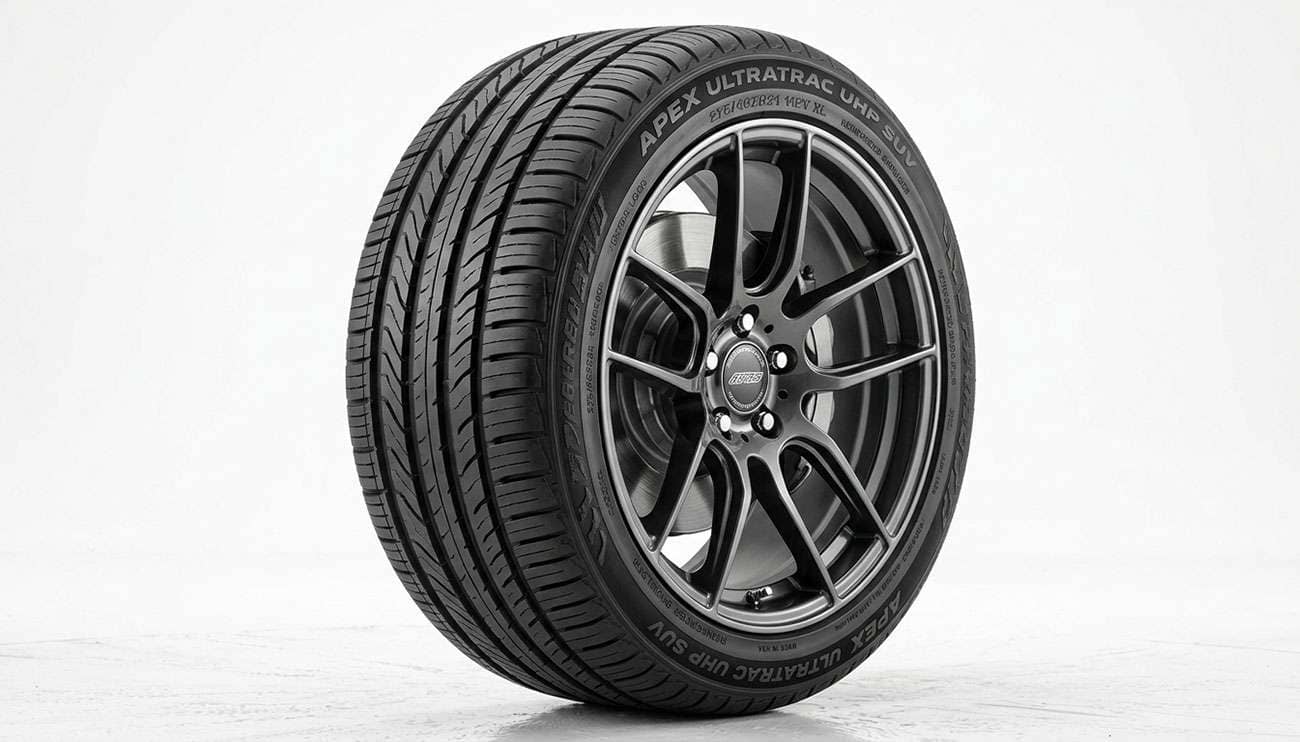
Performance SUVs are now their own category, and the tires that go on them are too. An AMG GLE 63, an X5 M, an RS Q8, a Cayenne Turbo, a Trackhawk — these are 5,000-pound vehicles producing 500 to 700 horsepower with cornering loads that approach what dedicated sport sedans generate. You can't run the same tire on them that you'd put on a base-trim crossover and call it good. The load demands are different, the speed ratings are different, and the construction is different.
This list covers the nine tires I'd actually fit on a performance SUV in 2026. Three summer specialists, four all-season performance leaders, and two value picks that punch above their price tier. Every one of them is in stock through Performance Plus Tire, and each is positioned by what it does best — not aggregated into a single ranking that pretends one tire fits every use case.
"Performance SUV tire" isn't a marketing label — it's an engineering category with specific technical markers:
If you want a deeper read on what speed ratings actually mean — and why downgrading them costs you more than just speed capability — our tire speed rating guide covers the technical side. For the broader UHP all-season passenger segment, see my 9 best all-season performance tires roundup.
Each pick is positioned by what it does best, not aggregated into an overall score. The "best" tire for a daily-driven Macan with the kids in the back isn't the same one I'd put on a track-day GLC 63 S that sees Buttonwillow a couple times a year. Seven criteria went into the ranking:
The benchmark. The Michelin Pilot Sport 4 SUV is OE on the BMW X3 M, Mercedes-AMG GLC 63, Porsche Macan, Audi RS Q8, and a long list of other factory performance SUVs. Y-rated, dedicated summer compound, asymmetric tread, dual-compound construction with reinforced shoulders for heavy-vehicle cornering.
Why it wins: Dry grip is genuinely class-leading for the SUV segment. The compound is specifically tuned for the heat loads heavier vehicles generate. Wet braking is excellent — the dual-compound construction delivers in conditions that would catch lesser SUV tires off-guard. The OE fitment list reads like a who's-who of premium performance SUVs, which means the construction is engineered to OEM tolerances, not just retail-pricing optimization.
Trade-offs: Pure summer compound — no useful capability below 45°F. Premium pricing tier; this isn't the budget pick. Available in runflat construction for BMW applications, which costs more again.
Who it's for: Owners of AMG GLC/GLE, BMW X3 M/X4 M/X5 M/X6 M, Porsche Macan/Cayenne, Audi RS Q5/RS Q8 who live in climates where they don't need true winter capability and want the OE-engineered grip the chassis was designed around.
If you need genuine year-round capability without giving up performance, the Pirelli Scorpion Zero All Season Plus is the answer. Y-rated, M+S marked, OE-approved on multiple Range Rover, Mercedes-AMG, and BMW SUV applications.
Why it earns its spot: Pirelli's all-season SUV compound work has been ahead of the European competition for several years. The Scorpion Zero AS Plus delivers dry grip levels close to dedicated summer tires while maintaining usable light snow capability and excellent wet performance. The sidewall construction is engineered for heavy-vehicle cornering — this tire doesn't feel imprecise on a heavy chassis the way some UHP all-seasons do.
Trade-offs: Won't out-grip the Pilot Sport 4 SUV on a dry, warm day. Premium pricing tier. Less long-term wear data than tires that have been in market longer.
Who it's for: The default smart pick for daily-driven performance SUVs in climates that see real seasonal variation. AMG, BMW M, Range Rover Sport, Porsche Cayenne owners who don't want to swap to winter tires but still need cold-weather and light-snow capability.
The Continental CrossContact UHP is the smart-money summer pick. W- and Y-rated depending on size, asymmetric tread, dedicated summer compound engineered specifically for SUV applications.
Why it earns its spot: Continental's CrossContact UHP punches above its pricing tier. Dry grip approaches the Pilot Sport 4 SUV at noticeably lower cost per tire. Wet braking is genuinely good — Continental's compound work in the wet-grip space has been segment-leading for a decade. OE-fitted on multiple Audi and Mercedes applications, which means the construction is engineered to OEM standards.
Trade-offs: Slightly less ultimate dry grip than the segment's top tier. Tread life is mid-pack for the category. Limited size availability in extreme widths.
Who it's for: Performance SUV owners who want premium-tier summer performance without paying Michelin or Pirelli pricing. Strong choice for second-generation Q5/Q7 owners, Macan owners not chasing the absolute OE Michelin spec, and X3/X5 owners running summer-only setups.
The Continental CrossContact LX Sport is the right tire for the largest performance SUVs — Cayenne, Q7, GLS, X7, Range Rover. H- and V-rated all-season construction with reinforced load-bearing capacity for heavy chassis.
Why it earns its spot: The LX Sport is engineered around vehicles in the 5,500-pound-plus range, where the tire has to manage real mass without losing precision. OE on Porsche Cayenne, Audi Q7, Mercedes-Benz GLS — the OEM list speaks to the engineering pedigree. Quiet, comfortable, and capable in all four seasons. A runflat version is available for BMW applications.
Trade-offs: Not a true UHP tire — peak grip is below the dedicated performance picks above. The trade-off is comfort and load capacity that those tires can't match on heavy chassis.
Who it's for: Owners of full-size luxury performance SUVs who prioritize comfort and load capability while still wanting confident handling. Cayenne, Q7, GLS, X7, Range Rover, Range Rover Sport applications.
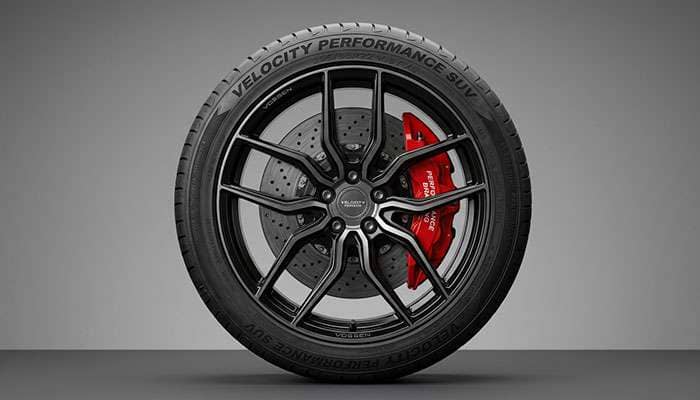
The Bridgestone Alenza AS Ultra is the noise-floor specialist of this list. H- and V-rated all-season construction with Bridgestone's silica-rich compound technology and a tread pattern engineered around cabin refinement.
Why it earns its spot: Lowest noise levels in this list per third-party testing. Ride quality is class-leading. The Alenza AS Ultra delivers performance SUV-appropriate grip while staying genuinely quiet inside the cabin — a rare combination on tires sized for 20-inch and 21-inch wheels.
Trade-offs: Outright dry grip trails the dedicated performance picks above. Not the tire for someone chasing lap times or aggressive autocross runs. If you're tracking the SUV — which is more common than people think — see my track day tires roundup for the right rubber for that use case.
Who it's for: Luxury SUV owners who prioritize refinement — Lexus RX F-Sport, Genesis GV80, Acura RDX A-Spec, Cadillac XT5 V-Sport, Lincoln Aviator Reserve. Owners whose cars are family vehicles first and performance vehicles second.
The Pirelli P Zero PZ4 is the alternative summer-tier pick when you want a tire that goes on both passenger UHP applications and performance SUV applications with consistent character. Y-rated, asymmetric tread, OE on the Lamborghini Urus, Maserati Levante, and high-end Range Rover and Bentley applications.
Why it earns its spot: Premium-tier engineering with construction pedigree from exotic SUV OE fitment. The PZ4 has different sub-specifications for different vehicle marques (the OEM-marked variants), but the general-fitment PZ4 retains the engineering DNA. Excellent steering response. Genuinely impressive grip.
Trade-offs: Pure summer compound — same cold-weather caveats as the Pilot Sport 4 SUV. Limited size availability in some performance SUV sizes; check fitment before ordering.
Who it's for: Owners of exotic and ultra-premium performance SUVs — Urus, Levante, Range Rover SVAutobiography, Bentayga, DBX, G-Class AMG. Buyers who want the OE-pedigree engineering and the brand-correct tire on the vehicle.
The Goodyear Eagle F1 Asymmetric 2 sits in a specific niche: performance crossovers and smaller performance SUVs where the chassis isn't carrying full-size SUV mass. Y-rated, asymmetric tread, dedicated summer compound.
Why it earns its spot: Excellent balance between grip, refinement, and price. The Eagle F1 Asym 2 has been on the market long enough to have a deep wear-data record, and the real-world treadwear lines up with the UTQG rating better than some premium competitors. Strong wet performance. Runflat construction available.
Trade-offs: Mid-pack ultimate dry grip — not the tire for someone tracking the vehicle. Less aggressive sidewall response than the segment's stiffest competitors.
Who it's for: Performance crossover owners — Audi SQ5, BMW X3 M40i, Mercedes GLC 43, Porsche Macan S (non-Turbo), Genesis GV70 3.5T, Stelvio Quadrifoglio. Vehicles where the chassis is sporting but not full-size SUV mass.
The Hankook Ventus S1 evo3 SUV K127C brings premium UHP SUV engineering at a price point well below the European brands. Y-rated, asymmetric tread, OE-spec construction quality.
Why it earns its spot: Hankook has been closing the gap on the segment leaders for several years, and the Ventus S1 evo3 SUV delivers grip, comfort, and consistency that justify a serious look. Typical pricing runs 25-35% below comparable Michelin and Pirelli options. The OE-marked variants are now on multiple BMW and Mercedes applications from the factory.
Trade-offs: Size availability is more limited than the deeper European catalogs. Less long-term real-world data than tires that have been in market a decade-plus.
Who it's for: Performance SUV owners replacing OE tires who don't want to pay premium-brand pricing. Strong choice for second-set buyers (winter set or summer set, not your primary tire), and for value-conscious enthusiasts whose vehicles came on Hankook OE fitment.
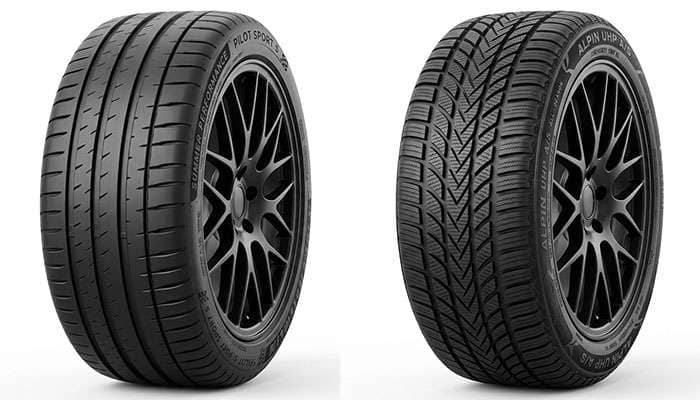
The Falken Azenis FK510 proves that the performance SUV tire category has real value-tier choices. Y-rated, asymmetric tread, aggressive Azenis family aesthetics.
Why it earns its spot: Strong grip-per-dollar in the SUV segment. The FK510 leverages Falken's broader Azenis development work to deliver real performance at pricing well below the European competition. Aggressive tread aesthetic looks the part on a performance SUV.
Trade-offs: Outright grip and wear consistency trail the premium-tier picks. Treadwear life is shorter than premium competitors at similar UTQG ratings. Not OE-approved on most premium performance SUVs.
Who it's for: Budget-conscious performance SUV owners. Older-model Porsche Cayenne, BMW X5, Mercedes ML/GLE owners whose vehicles have depreciated to the point where premium tire spending doesn't make economic sense. Replacement-tire buyers for SUVs that aren't tracked or driven aggressively.
The right choice between summer and all-season for a performance SUV depends on climate, not preference. Here's the working framework:
Year-round below 40°F or sees real winter: All-season performance is the right call. The Pirelli Scorpion Zero AS Plus, Bridgestone Alenza AS Ultra, and Continental CrossContact LX Sport are all engineered for this use case. The grip difference versus dedicated summer tires shrinks dramatically in warm weather — the all-season trade-off is smaller than people assume.
Mild climate, never below 45°F: Dedicated summer tires (Pilot Sport 4 SUV, P Zero PZ4, CrossContact UHP) deliver noticeably more grip and steering response. The trade-off is the tires become genuinely unsafe in cold weather — silica compounds in summer tires go glassy below 45°F.
Real winter conditions: Neither performance summer nor all-season performance tires are enough. Dedicated winter tires on a second set of wheels remain the right answer for serious snow and ice. Our summer vs all-season explainer covers the deeper decision-making across both segments.
Most performance SUVs from the factory run staggered fitments — wider rear tires than fronts, often on slightly larger rear wheels. The AMG GLE 63 typically ships with 295/40R21 rear and 285/45R21 front. The BMW X5 M Competition runs 315/35R21 rear and 295/35R21 front. The Porsche Cayenne Turbo runs 315/35R21 rear and 285/40R21 front.
Three reasons this matters when you replace tires:
For more on the math behind sizing decisions, our plus-sizing calculator guide covers the geometry that keeps your speedometer honest and your suspension happy. The broader UHP tire collection covers every size in every brand on this list, and the premium sport tire catalog includes the exotic SUV applications.
The performance SUV tire segment has matured into a real engineering category — one that demands different specifications than passenger UHP tires and one where the best products genuinely earn their pricing. The Michelin Pilot Sport 4 SUV is the OE-pedigree benchmark, the Pirelli Scorpion Zero AS Plus is the smart all-season pick, and the Continental CrossContact UHP delivers premium-tier engineering at smart-money pricing. Match the tire to your climate, your vehicle's mass, and how you actually drive — and your performance SUV will deliver the grip and refinement the chassis was engineered to deliver.
Load index, sidewall construction, and compound tuning. Performance SUV tires typically carry load indexes of 100 to 113, compared to 88 to 94 for passenger UHP tires. The sidewalls are reinforced to handle the additional mass and cornering loads of an SUV chassis. The compound is tuned for the higher heat generation that comes with running a heavier vehicle at the same speeds. Running passenger UHP tires on a performance SUV is dangerous — the load capacity isn't there.
No. Performance SUVs typically require tires with load indexes of 100 or higher, and standard passenger UHP tires often don't meet that requirement. Beyond the load rating, the sidewall construction of a passenger UHP tire isn't engineered for the cornering forces a 5,000-pound SUV generates. Check your door placard for the OE load index and speed rating, and match or exceed both numbers when replacing.
If the vehicle came from the factory with runflats and no spare tire, yes — you should generally replace with runflats. The vehicle doesn't have the spare and may not have the jack and tools to deal with a flat. If the vehicle came from the factory with a spare or with mobility kit support for both runflat and non-runflat options, you have a choice. Non-runflat tires generally ride better and weigh less. Runflats give you 50 miles of get-home capability at reduced speed after a puncture. Our runflat tires pros and cons guide goes deeper on the trade-offs.
Tread life varies significantly by tire and use case. Dedicated summer performance SUV tires typically deliver 20,000 to 30,000 miles under moderate driving. All-season performance SUV tires typically deliver 30,000 to 45,000 miles. Aggressive driving, heavy vehicle weight, and staggered fitments (which limit rotation patterns) all reduce tire life. Plan for shorter intervals than you'd expect on a sedan with the same tire family.
M+S indicates the tire meets a basic geometric standard for mud and snow performance — primarily related to tread void ratio and block geometry. It does not guarantee real winter capability. For true winter performance, look for the 3PMSF (three-peak mountain snowflake) symbol, which indicates the tire has been independently tested against severe snow service standards. Most performance SUV all-season tires carry M+S; few carry 3PMSF.
Not necessarily exactly, but match the load index, speed rating, and size precisely. OEM-marked variants of a tire (the Pilot Sport 4 SUV MO for Mercedes, for example) are tuned to the specific vehicle and can be worth the premium for OEM-correct handling. Non-OEM-marked variants of the same tire model are generally close enough for owners who don't notice the last 5% of OE-matched calibration. Don't mix tire models between axles regardless of which choice you make.



