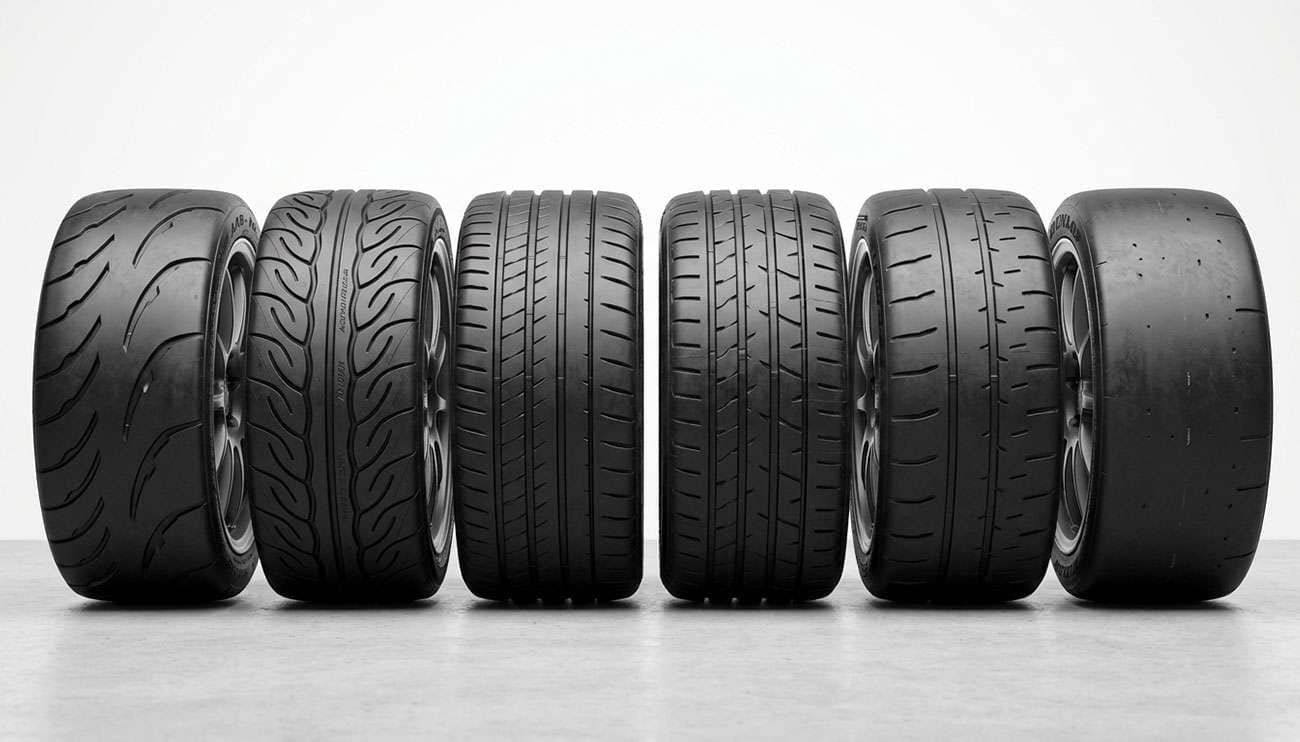
Track day tires are a category most online "best tire" lists get wrong. They lump max-performance summer tires together with DOT race compounds, sometimes throw in a UHP all-season for completeness, and call the result a track tire guide. It isn't. A Michelin Pilot Sport 4S is a phenomenal street tire that can survive a track day. A Toyo Proxes R888R is a track tire that can survive being driven to the track. Those are different categories built around different engineering priorities, and confusing them costs people lap time, money, and occasionally crashes.
This list is what I'd actually run if I were prepping for HPDE, autocross, or club time-attack. Eight picks across three treadwear tiers, every one of them in stock through Performance Plus Tire, each one positioned by what it actually does best on a hot day with cold tires and a stopwatch running.
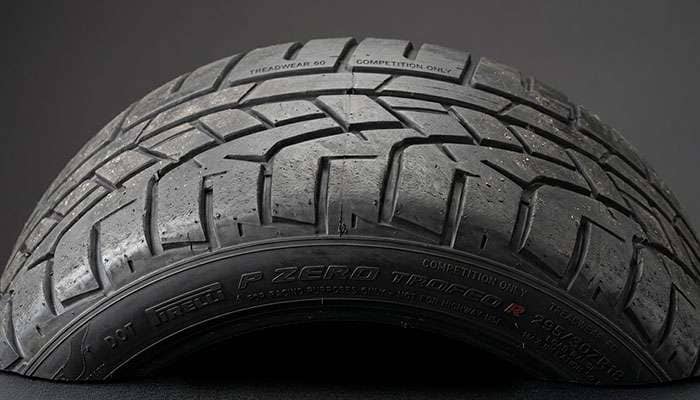
"Track day tire" is a specific engineering category, not a marketing tier. The technical markers:
If you want a deeper read on the speed rating system that underlies all of these tires, our tire speed rating guide covers that side. For street-focused performance picks that aren't track-specific, see my 9 best all-season performance tires roundup.
Each pick is positioned by what it does best, not ranked by an aggregate score. That matters because the "best" track tire for a first-time HPDE student in a 2,800-pound Miata is not the same one I'd put on a 3,800-pound 911 GT3 doing five hot laps at Buttonwillow with a coach in the right seat. Seven criteria went into the assessment:
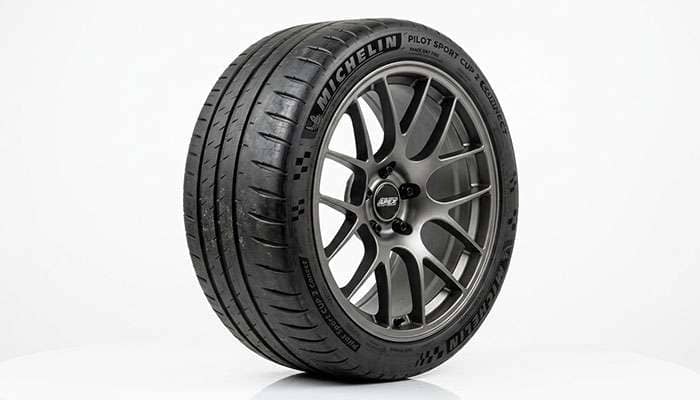
The benchmark for street-legal track tires. The Michelin Pilot Sport Cup 2 is OE on the Porsche 911 GT3, Mercedes-AMG GT R, Ferrari 488 Pista, and a long list of other factory track weapons. UTQG 180 treadwear, Y-rated, asymmetric pattern with bi-compound construction (harder inner shoulder, softer outer for cornering grip).
Why it wins: No other tire on this list does so many things this well. Heat tolerance is exceptional — the Cup 2 holds pace through a full 20-minute session without falling off. Streetability is genuinely usable for short drives. Wet performance, while limited, is the best in this list. The Connect (240) variant trades a small amount of outright grip for longer life and better cold-weather behavior.
Trade-offs: Most expensive tire on this list. Available sizes lean toward higher-end performance car fitments — not every Miata size is covered.
Who it's for: Owners of M-cars, AMG, Porsche, GT R, RS, Type R, Z06 who do regular HPDE and want one tire for everything. If your build is the kind that benefits from OEM-pedigree engineering, this is your tire.
The Toyo Proxes R888R is the tire I see at every track day in the country. UTQG 100, R-compound construction with five circumferential grooves for DOT legality. Available in an exceptional range of sizes from Miata-spec 205/50R15 up to GT3-spec 305/30R19.
Why it earns its spot: The R888R is the segment's workhorse for a reason — it delivers consistent grip across an extraordinary range of temperatures, holds up to 30 heat cycles in real-world use, and the size availability is unmatched. The Toyo R-compound is forgiving when it lets go, which matters when you're learning a new track.
Trade-offs: Won't out-grip the modern competition (A052, Cup 2) at the absolute limit on a perfect day. Streetability is workable but not great.
Who it's for: The default smart pick for serious HPDE drivers. Spec Miata, BMW Spec series, autocrossers stepping up to track days, and anyone who wants a tire that just works without drama.
If you've got a competition timing sheet to chase, the Yokohama Advan A052 is the answer. UTQG 60 — among the lowest treadwear ratings of any DOT-legal tire on the market — with a compound that grips harder than anything else in this list when conditions cooperate.
Why it earns its spot: The A052 has been winning Tire Rack track tests and SCCA Solo competitions for several seasons running. The directional tread pattern is engineered specifically for time-attack lateral grip. When the surface is warm and your driving is clean, the lap time difference between an A052 and an R888R can be measurable.
Trade-offs: Streetability is genuinely poor — the compound doesn't like cold weather and tread depth is shallow. Heat cycle life is shorter than the R888R; expect 15-20 cycles before fall-off becomes noticeable.
Who it's for: Time-attack drivers, autocross competitors at regional and national level, and anyone running an HPDE program where you're actively chasing lap times rather than just learning the line.
The Yokohama Advan Neova AD09 sits in the 200-treadwear sweet spot — track capable enough to deliver real lap time gains, street capable enough to drive every day. UTQG 180, directional tread, dual-compound construction.
Why it earns its spot: The AD09 is what you put on the car if you can only afford one set of wheels and you want to do both track days and daily driving. Grip in dry conditions approaches dedicated track tires; tread life on the street is 12,000-18,000 miles in moderate use. Yokohama's compound work has been ahead of the curve in this tier for years.
Trade-offs: Won't match dedicated R-compounds (A052, R888R) for outright track grip. Premium pricing tier within the 200 TW category.
Who it's for: Owners of dual-purpose track cars — GTI, Civic Type R, BRZ, GR86, Mustang GT, Camaro SS — who run one set of wheels and tires for both street and occasional track use. The smart choice when you don't want to swap tires for every track day.
The Falken Azenis RT615K+ is the tire I recommend most often for drivers new to track days. UTQG 200, asymmetric tread, dual-purpose construction designed to be forgiving when pushed past the limit.
Why it earns its spot: The RT615K+ has progressive breakaway characteristics — when you exceed grip in a corner, the tire slides predictably instead of snapping loose. For a driver still learning vehicle dynamics, that's exactly the right behavior. Streetable enough to drive to the track, priced well below premium competitors, available in popular sport-car sizes from 205/45R16 up to 295/30R19.
Trade-offs: Won't deliver the outright grip of an A052 or R888R. Heat tolerance is decent but not exceptional — long sessions in hot weather can see fall-off.
Who it's for: First- and second-year HPDE drivers, autocrossers stepping up from all-season tires, and anyone who values predictable breakaway over outright grip. The right tire to learn on.
The Nitto NT01 is the tire that won't quit on you. UTQG 100, DOT-legal R-compound with a tread pattern engineered for sustained heat soak.
Why it earns its spot: If you do enduros, long sessions, or summer track days in hot climates, the NT01 holds its compound integrity better than most R-compound competitors. The tread design promotes even heat distribution across the contact patch, which translates to longer consistent-grip windows. Real-world heat cycle life is among the best in the DOT race tier.
Trade-offs: Initial pickup grip is lower than the A052; the NT01 doesn't quite hit the same outright peak. Less aggressive sidewall response than the modern competition.
Who it's for: Endurance racers, instructor drivers running back-to-back sessions, and anyone doing track days in the Southwest or Florida during summer where surface temperatures regularly exceed 130°F.
The Hankook Ventus TD Z221 brings genuine DOT race performance at a price point well below the segment's premium tier. UTQG 80, directional tread, R-compound construction with construction quality that punches above its price.
Why it earns its spot: Hankook has been quietly catching up to the segment leaders for several seasons, and the Z221 delivers grip and consistency that justify a serious look. Typical pricing runs 25-35% below comparable Michelin and Yokohama options. Heat cycle life is competitive with the R888R.
Trade-offs: Size availability is more limited than the segment's deeper catalogs. Less long-term real-world data than tires that have been on the market longer.
Who it's for: Budget-conscious enthusiasts who still want genuine DOT race compound performance. Spec class competitors where rules allow Hankook fitment. Anyone running two-plus track weekends a year and looking for cost-per-cycle improvements.
The Federal 595 RS-RR proves that the track tire category has real choices at the bottom of the price tier. UTQG 200, dual-purpose construction, available in an excellent range of sport-car sizes.
Why it earns its spot: Federal has spent the last decade engineering track-capable compounds at value pricing, and the 595 RS-RR is their best work to date. Cost per heat cycle is the lowest in this list. For HPDE drivers running 4-6 track days a year, the math on Federal tires versus premium R-compounds works out heavily in Federal's favor.
Trade-offs: Outright grip and pace consistency trail the premium picks. Tread depth wears faster than Yokohama or Toyo equivalents. Best treated as a learning-and-developing tire rather than a competition tire.
Who it's for: Drivers in their first three years of track days. Budget builds (Miata, BRZ, GTI) where total tire spend matters. Drivers willing to swap tires more often in exchange for paying less each time.
The tire is half the equation. The other half is preparation. A quick list of things I check before every track day:
For the broader tire break-in side, our tire break-in guide covers street-tire procedure that also applies to the initial street miles on track tires.
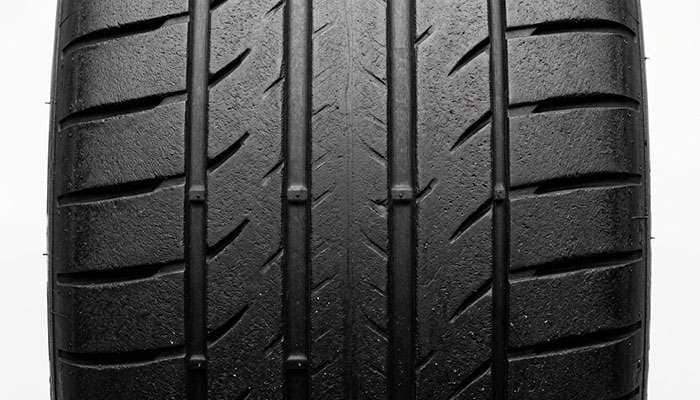
"How long does a track tire last" is the wrong question. The right question is "how many heat cycles." A heat cycle is one warm-to-operating-temp-and-back-to-cold sequence. Track tires degrade primarily through heat cycling, not through tread wear.
Typical heat cycle life by tier:
Tier |
Example |
UTQG |
Heat Cycles to Retirement |
|---|---|---|---|
Pure DOT race |
Yokohama A052 |
60 |
15-20 |
DOT race workhorse |
Toyo R888R, Nitto NT01 |
100 |
25-35 |
Streetable track tire |
Pilot Sport Cup 2, Advan AD09 |
180-200 |
30-50 (track) or 12-18k street miles |
Budget 200 TW |
Federal RS-RR, Falken RT615K+ |
200 |
20-35 (track) |
"Retirement" in this context doesn't mean the tire is unsafe — it means the compound has degraded enough that grip is noticeably reduced compared to fresh. A retired track tire can still serve as a street tire (in some cases) or as a learning tire for autocross at slower paces. For maximum-pace HPDE, retire them and move on.
The full maximum performance tire and extreme performance tire catalogs at PPT have every tire on this list in every available size. The broader performance tire collection covers the street-focused tier for drivers not yet ready to commit to dedicated track rubber. If you want the head-to-head data on related street-performance picks, our 15 best high-performance tires for sports cars roundup covers that category.
The track day tire market has matured in a way that benefits everyone. The Michelin Pilot Sport Cup 2 represents the best of OE-pedigree engineering. The Toyo Proxes R888R is the segment's workhorse for a reason. The Yokohama A052 wins lap times when conditions are right. And the value tier from Hankook, Falken, and Federal makes the category accessible to drivers who couldn't afford serious track tires a decade ago. Pick the tire that matches your experience level, your car, and how many track weekends you actually do per year — and worry more about your line through Turn 3 than about whether you're on the absolutely fastest compound available.
DOT race tires meet minimum federal road-legal requirements — tread depth, sidewall markings, basic safety standards — which means you can legally drive them on public roads to and from the track. Track-only tires (sometimes called pure race compounds or slicks-with-grooves) skip those requirements and optimize entirely for grip. The trade-off is convenience: track-only tires require a trailer or a separate set of mounted wheels swapped at the paddock.
For DOT-legal R-compounds like the Toyo R888R, Yokohama A052, or Nitto NT01 — yes, technically. In practice, most drivers who run R-compounds use a dedicated set of wheels and mount them at the track. The compound wears faster on the street than it does on the track, the wet performance is poor, and cold-weather grip is genuinely dangerous. If you can afford the second set of wheels, it's the right move.
Most track tires want cold pressures of 26-30 psi as a starting point. Hot pressures (measured immediately after a session) should rise 4-8 psi above cold for most setups, landing somewhere between 32-38 psi at operating temperature. The right number depends on your car's weight, alignment, ambient temperature, and the specific tire. Use a tire pyrometer to check temperature spread across the tread — that data tells you whether pressures need to come up or down. Adjust between sessions, not mid-session.
Heat cycles, not miles, define track tire life. A pure DOT race tire like the Yokohama A052 typically delivers 15-20 heat cycles before noticeable fall-off. A workhorse R-compound like the Toyo R888R or Nitto NT01 runs 25-35 cycles. Streetable track tires like the Michelin Pilot Sport Cup 2 deliver 30-50 cycles on track or 12,000-18,000 street miles. One heat cycle equals one warm-to-operating-temp-and-back-to-cold sequence — a typical 20-minute HPDE session is one cycle.
Yes, on most DOT race compounds. The recommended procedure is one or two gentle warm-up cycles — either on the street at moderate pace or on a lower-pace session at the track — before asking the tires to deliver maximum grip. The heat cycling process stabilizes the compound and extends overall tire life by reducing the risk of compound damage on the first hard application. Streetable 200 TW tires (Falken RT615K+, Federal RS-RR) are more forgiving but still benefit from a gentle first session.
Not really. Track tires use shallow tread depth and minimal void areas, both of which work against water evacuation. Hydroplaning speeds are dramatically lower than on street tires. If rain is forecast for a track day, most experienced drivers either skip the event, run a dedicated rain tire, or fall back to a streetable 200 TW tire that handles wet conditions better. Don't take dedicated R-compounds out in real rain.