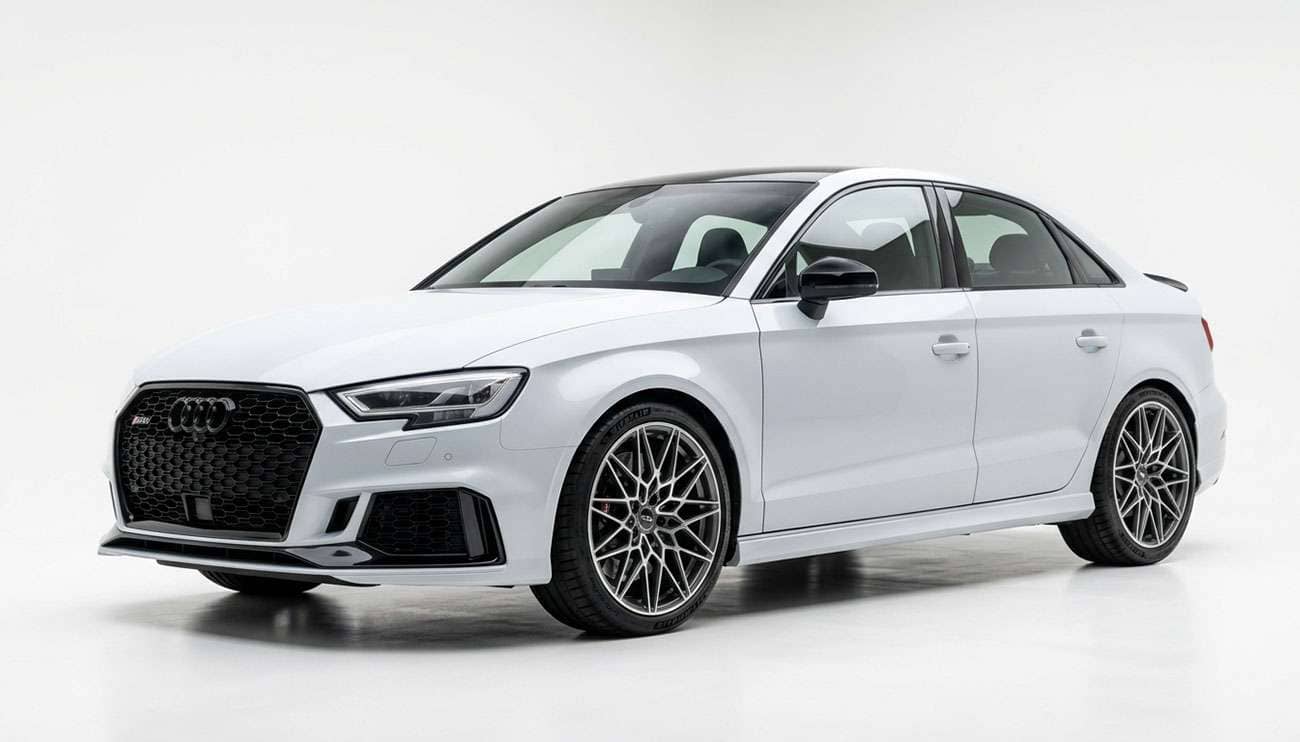
The 5x10⁸ bolt pattern means five lug holes spaced evenly around a circle 108 millimeters in diameter. Divide 108 by 25.4 and you get 4.25 inches, so 5x10⁸ and 5x4.25 are the same pattern written in two unit systems. It is one of the five most common bolt patterns in the world, used across Ford, Lincoln, Volvo, Jaguar, and Land Rover, and its most common hub bore is 63.4 millimeters. What it is not is 5x110, and that 2-millimeter gap is where people get into trouble.
I am Dennis Feldman, and precise fitment is my job. The 5x10⁸ pattern is a fitment I verify constantly, because it sits close on paper to several other five-lug patterns that will not interchange with it. Below I will give you the exact numbers, the vehicles that run it, what actually fits, and the center-bore detail that most guides skip over.
A bolt pattern, also called the lug pattern or pitch circle diameter (PCD), is defined by two numbers: the count of lug holes and the diameter of the circle their centers sit on. So 5x10⁸ is five lugs arranged on a 108-millimeter circle.
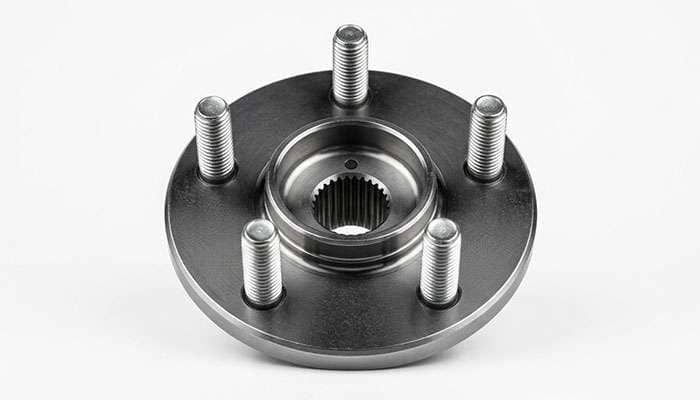
Converted to imperial, 5x10⁸ equals 5x4.25 inches. One hundred eight millimeters divided by 25.4 comes to 4.2519 inches, which the industry rounds to 4.25. When a catalog lists a wheel as 5x4.25, that is your 5x10⁸ pattern, identical hardware, just a different ruler. If you need the full framework, we keep a plain-English guide to wheel bolt patterns, and if you want to confirm yours by hand, here is how to measure a lug bolt pattern.
The 5x10⁸ pattern is heavily European and Ford-family, largely because Ford once owned Volvo, Jaguar, and Land Rover and shared platforms across all of them. Common fitments include:
That is a broad and popular field, which is exactly why aftermarket support for this pattern is so deep. Always confirm your specific year and model before ordering, because a handful of these makes changed patterns between generations.
The 5x10⁸ sits in a crowded neighborhood of five-lug patterns, and only an exact match is a safe fit. The universal rule is simple: the PCD has to match to the millimeter. Here is how 5x10⁸ stacks up against its closest neighbors.
Pattern |
PCD |
In Inches |
Typical Vehicles |
Same as 5x10⁸? |
|---|---|---|---|---|
5x10⁸ |
108 mm |
5x4.25 |
Ford, Volvo, Jaguar, Land Rover |
Yes, this is it |
5x110 |
110 mm |
5x4.33 |
Opel, Fiat, Jeep Cherokee KL |
No, 2 mm larger |
5x112 |
112 mm |
5x4.41 |
Audi, VW, Mercedes-Benz |
No, 4 mm larger |
5x114.3 |
114.3 mm |
5x4.5 |
Honda, Toyota, Nissan, Ford Mustang |
No, 6.3 mm larger |
5x100 |
100 mm |
5x3.94 |
Subaru, Toyota, older VW |
No, 8 mm smaller |
No. The difference is 2 millimeters across the pitch circle, and while that sounds trivial, it is enough that the lug holes will not line up correctly on all five studs. Forcing a near-miss like this stresses the studs, prevents proper seating, and is a genuine safety risk. The only correct way to move between 5x10⁸ and 5x110 is a proper bolt-pattern adapter, and even then you need to understand the trade-offs first. Read our guide on the benefits of wheel spacers and adapters before going that route.
No. The 5x114.3 pattern, also written 5x4.5, sits on a circle 6.3 millimeters larger than 5x10⁸. These are two entirely separate patterns, and 5x114.3 is one of the most common patterns on Japanese and American vehicles. Do not confuse the two. If your interest is that pattern, we cover what cars are 5x114.3 bolt pattern separately.
Yes. This is the one case where two different-looking numbers describe the exact same pattern. 5x10⁸ is the metric name and 5x4.25 is the imperial name, because 108 millimeters equals 4.25 inches. Same holes, same circle, same fit.
Bolt pattern is only half of a correct fit. The center bore, the hole in the middle of the wheel that sits over the hub, has to be right too. For the Ford, Volvo, Jaguar, and Land Rover group, the common center bore is 63.4 millimeters. That shared spec is a legacy of the years these brands shared platforms. Some other 5x10⁸ vehicles use 65.1 millimeters, so always confirm your exact figure.
Most aftermarket wheels are built with a larger center bore to cover many vehicles, then fitted with hub-centric rings to bring the bore down to your exact hub. That is not a compromise, it is standard practice, and it is the correct way to run an aftermarket wheel. Our breakdown of hub-centric vs lug-centric wheels explains why this matters for smooth, vibration-free operation. To dial in offset and backspacing alongside the bore, use our guide to offset, backspacing, and bolt patterns.
As for sizes, 5x10⁸ wheels are commonly offered from 16 to 20 inches in diameter, with 18-inch being the single most popular size across our inventory, followed closely by 17 and 20 inch. That range covers everything from an economical Ford Focus to a Jaguar F-Pace or a staggered performance setup.
Once your bolt pattern, center bore, and offset are confirmed, the choice comes down to construction and style. Cast wheels are the most affordable and perfectly suited to daily driving. Flow-formed wheels are spun and heat-treated at the barrel for a lighter, stronger wheel at a mid-range price, which is a smart pick for a performance sedan. Fully forged wheels are the lightest and strongest, at the top of the price ladder. Because this pattern is so widely supported, you have the full range available.
Here is a spread from value to premium, all available in the 5x10⁸ pattern.
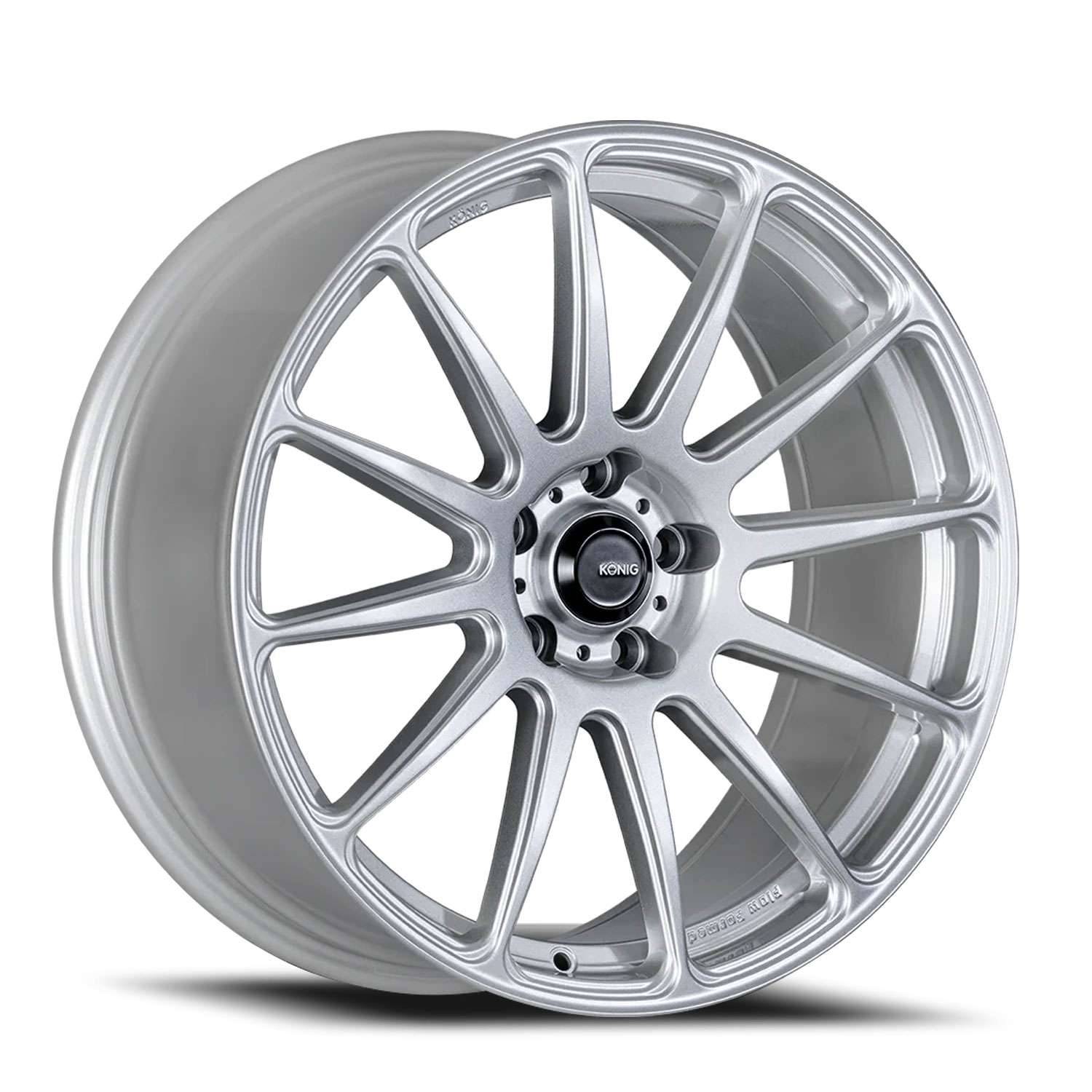
Konig Aeris (around 240 dollars). A clean, lightweight value pick with an OE-plus look. A great match for a Focus, Fusion, or entry Volvo without breaking the bank.
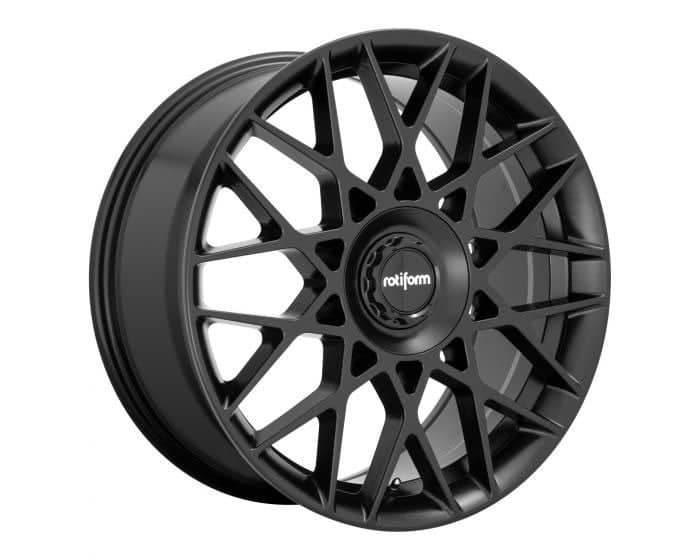
Rotiform BLQ-C R165 (around 390 dollars). European-inspired mesh styling that suits a Volvo or Jaguar perfectly. Matte black gives a modern, aggressive stance.
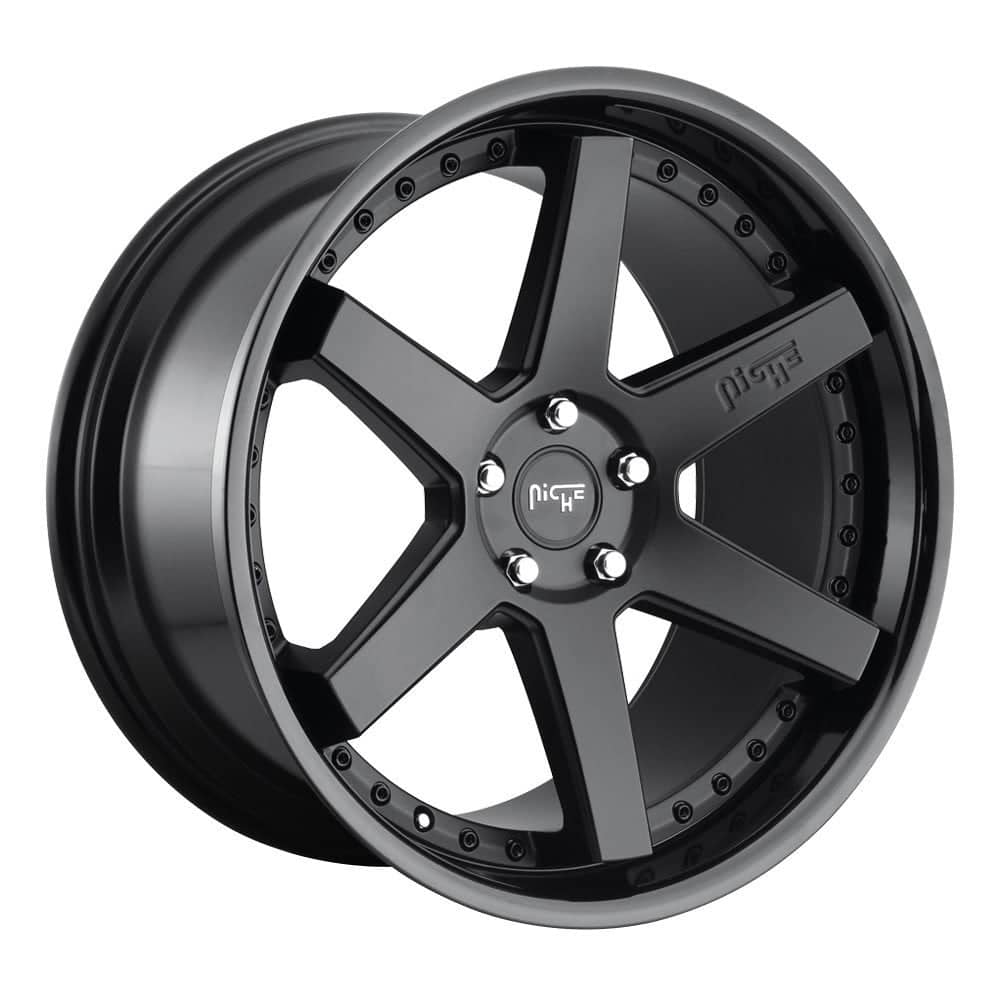
Niche Altair M192 (around 403 dollars). A refined split-spoke design built for luxury and performance sedans. Ideal for a Jaguar or an upscale Volvo build.
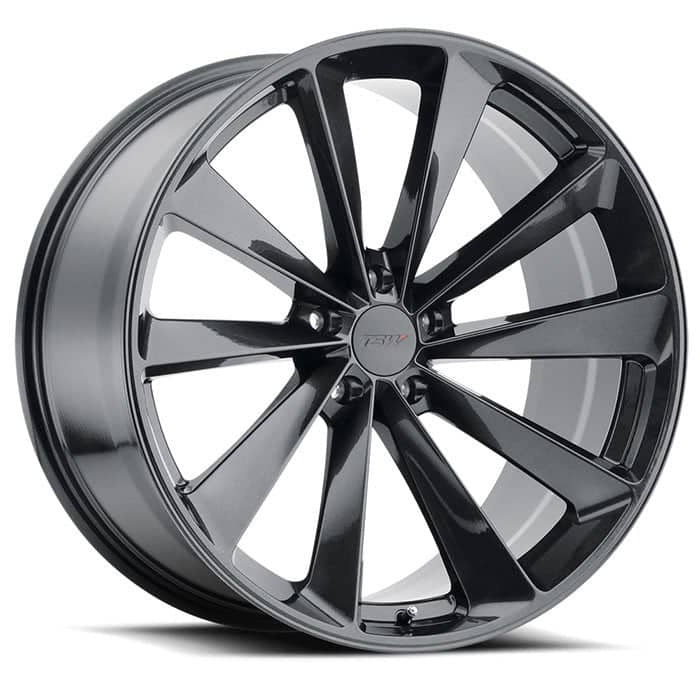
TSW Aileron (around 475 dollars). Motorsport-inspired styling with a wide, staggered-friendly range. A strong choice for a sport-tuned Fusion or performance Volvo.
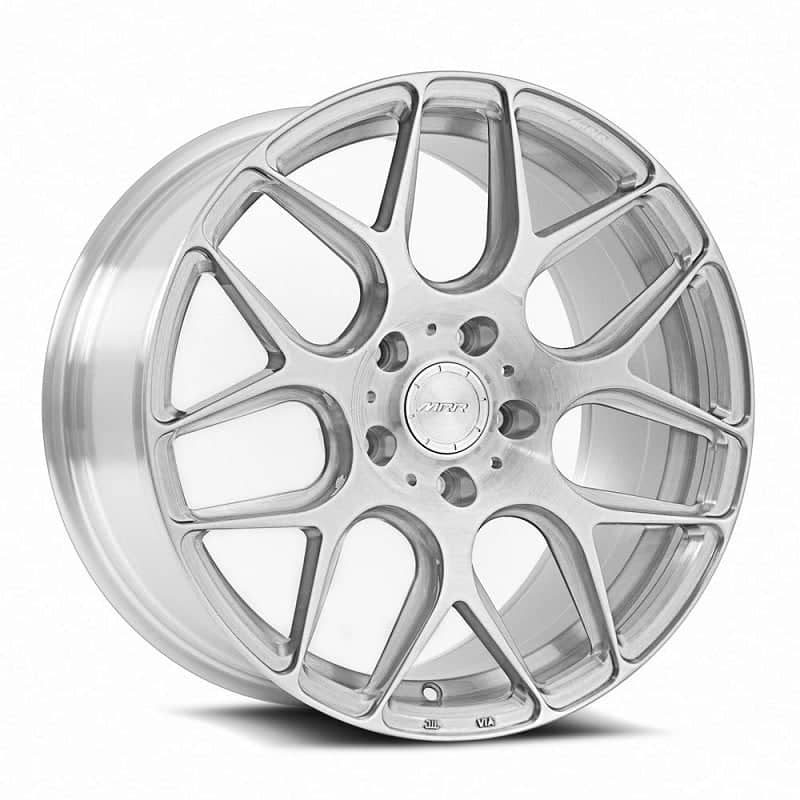
MRR FS01 (around 715 dollars). A premium flow-formed wheel, lighter and stronger than cast. The pick when you want a real performance upgrade for a Jaguar or Land Rover.
Ready to see everything that fits your car? Browse our full selection of 5x10⁸ wheels here.
The 5x10⁸ bolt pattern is one of the most widely used in the world, and now you have the complete fitment picture: five lugs on a 108-millimeter circle, identical to 5x4.25, most often paired with a 63.4-millimeter hub bore. The pattern's popularity means deep aftermarket support, but that same crowded field of near-neighbors is exactly why you must match your PCD exactly, never assume a 5x110 or 5x114.3 will work. Confirm your bolt pattern, center bore, and offset, add hub-centric rings if needed, and you are set. If you want our fitment team to verify your exact specs, we are glad to help.
The 5x10⁸ pattern is used across the Ford family and much of Europe, including the Ford Focus, Fusion, and Maverick, most modern Volvos (S60, XC60, XC40), Jaguar (XE, XF, F-Pace), Land Rover (Range Rover Evoque, Discovery Sport), and the Alfa Romeo 4C.
No. 5x114.3 (5x4.5) sits on a circle 6.3 millimeters larger than 5x10⁸. They are two separate, non-interchangeable patterns. 5x114.3 is common on Japanese vehicles and the Ford Mustang, while 5x10⁸ is a Ford-family and European pattern.
Yes. 108 millimeters equals 4.25 inches, so 5x10⁸ and 5x4.25 describe the identical five-lug pattern. One is simply the metric name and the other is the imperial name.
No. The 2-millimeter difference in pitch circle diameter means the lug holes will not align correctly across all five studs. It is a safety risk to force the fit. Use a proper bolt-pattern adapter if you must move between the two.
For the common Ford, Volvo, Jaguar, and Land Rover group, the center bore is 63.4 millimeters. Some other 5x10⁸ vehicles use 65.1 millimeters. Aftermarket wheels usually have a larger bore and use hub-centric rings to match your exact hub.
5x10⁸ wheels are most commonly offered from 16 to 20 inches in diameter, with 18-inch being the most popular, followed by 17 and 20 inch. Width and offset vary by vehicle, so confirm your specs before ordering.