Why Are People Putting Water Bottles on Their Tires?
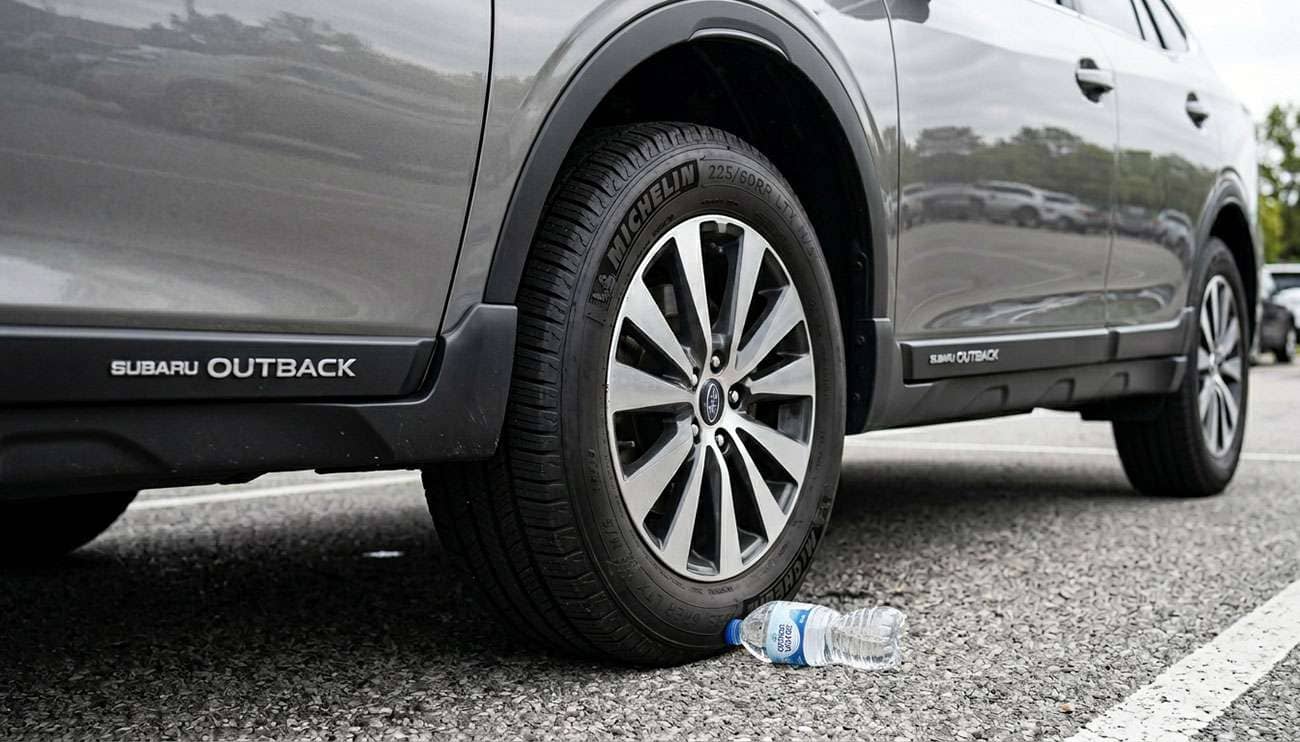
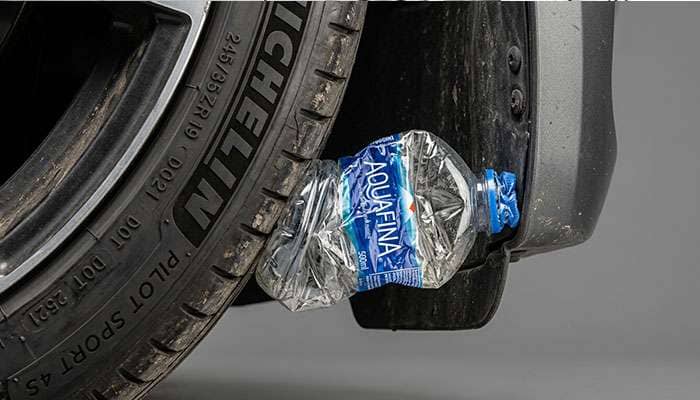
If you walk back to your car and find an empty plastic water bottle or soda bottle wedged against one of your tires — usually the passenger side — it's almost certainly a carjacking or vehicle theft scam. Thieves place the bottle so that when you drive away, the rolling tire crushes it against the car, creating a loud cracking or crunching noise. The noise is designed to make you stop, step out of your vehicle, and investigate — at which point the thief (who's been watching from nearby) moves on your car while it's still running with the keys inside.
This scam has been documented in law enforcement bulletins and news reports across the United States, Canada, and the UK. It's not a prank, it's not a warning from a neighbor, and despite what some viral social media posts claim, it is not a tire leak detection method. Here's exactly what you need to know to recognize it, respond correctly, and avoid becoming a target.
How the Scam Actually Works
The mechanics are simple, which is part of why it works. A plastic bottle is light, readily available, and produces a dramatic-sounding noise when crushed by a car tire at low speeds. Law enforcement agencies and news outlets have documented the pattern across multiple jurisdictions:
- Target selection. Thieves typically operate in large parking lots — shopping centers, big-box retailers, gas stations, apartment complexes — especially in the evening or in poorly lit areas where it's easier to place the bottle unnoticed.
- Bottle placement. An empty plastic water or soda bottle is wedged between the tire and the wheel well, or against the tire sidewall, usually on the passenger side where the driver is less likely to see it while walking to the driver's door.
- The driver leaves. You get in, start the car, begin to pull out of the parking space. The tire rolls over or against the bottle, producing a loud cracking, crunching, or rattling sound from near the wheel.
- The response they want. Most drivers instinctively stop, put the vehicle in park (often leaving it running), step out, and walk around the car to investigate the unfamiliar noise.
- The theft. While the driver is out of the vehicle with the engine running and the doors unlocked, the thief — who has been waiting nearby — jumps in and drives off. In some variations, an accomplice grabs valuables from the passenger seat while the driver is distracted on the opposite side.
The whole sequence takes seconds. And unlike carjackings that involve direct confrontation, this version avoids any face-to-face interaction, which makes it appealing to thieves and harder to prosecute.
Why the Tire Specifically
A few reasons the scam specifically targets the tire area rather than something simpler like a note on the windshield or an object on the hood:
- Drivers don't typically inspect wheel wells before entering the car. Most people walk directly to the driver's door, get in, and start the engine. A bottle placed on the passenger-side tire is essentially invisible during that normal entry routine.
- The noise mimics legitimate mechanical alarm sounds. A sudden cracking or rattling from a wheel area triggers immediate concern — drivers think flat tire, broken wheel, or something caught in the undercarriage. That concern produces the exit response thieves are counting on.
- A bottle is innocuous. Unlike tampered door handles, broken glass, or punctured tires, an empty plastic bottle looks like random parking-lot litter. Even if a driver does notice it, they're likely to dismiss it rather than recognize the threat.
- Plastic deforms predictably. A plastic bottle under tire pressure produces sound without actually damaging the tire in most cases. The thief doesn't want to puncture your tire — they want the noise, not the mechanical damage. A disabled vehicle defeats the point.
Psychologically, the scam exploits a reflex. When we hear an unfamiliar sound coming from our own vehicle, our default response is to check the source — not to keep driving. Criminals know this response is nearly universal, especially among drivers who aren't expecting anything like a carjacking attempt.
What to Do If You Find a Bottle on Your Tire
The response protocol is straightforward. Memorize it before you're in a situation where you need it:
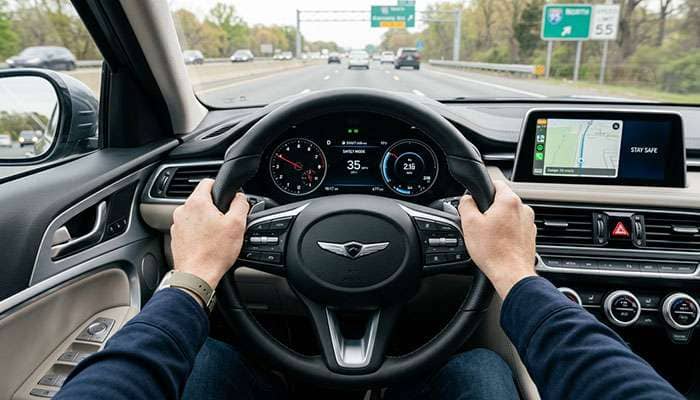
- If you see the bottle before you get in the car: Don't bend down to remove it while you're isolated. Walk briskly to the driver's door, enter your vehicle, lock the doors, and drive away. The bottle won't damage your tire in a short drive at normal parking-lot speeds. Once you're in a safer, more populated area, you can pull over and remove it.
- If you hear a strange cracking or crunching noise while pulling out of a parking space: Do not stop and exit the vehicle. Drive to a well-lit, populated, public location — a busy gas station, a police station, a hospital entrance — and only then inspect what's happening. A bottle crushing under your tire won't cause immediate mechanical damage or leave your vehicle undrivable for the short trip to safety.
- If you already exited the car: Return to the vehicle quickly, lock the doors, and drive to a safer location. Don't circle around the outside of the vehicle, don't walk away from it with the engine running, and don't leave the keys in the ignition unattended.
- Once you're safe: Report the incident to local law enforcement's non-emergency line. Many police departments track these reports geographically to identify patterns and stake out hotspots. Your report matters even if nothing was ultimately stolen.
The universal rule: a strange noise from your own vehicle is not worth stepping out of it in an isolated location. If the noise turns out to be mechanical, you can diagnose it in a safer place. If it turns out to be a setup, staying in the vehicle is what protects you.
Debunking the Tire Leak Check Myth
A secondary explanation has circulated online claiming that placing an empty water bottle against a tire somehow indicates or tests for a slow tire leak. This is not a real diagnostic method, and it's worth addressing directly because the myth can cause drivers to dismiss a genuine warning sign.
Here's why the "leak detection" explanation doesn't hold up:
- An empty plastic bottle has no mechanism to detect air leaks. There's no soap solution inside, no pressure indicator, no interaction between the bottle and tire that would reveal a slow leak. Physical contact with a bottle cannot measure or display pressure loss.
- Legitimate leak-detection methods are well established. A soapy water spray applied to a suspect tire will visibly bubble at the leak point within seconds. A tire pressure monitoring system (TPMS) will alert to significant pressure loss automatically. For a deep dive on proper tire pressure maintenance, see our guide on how to stop your tires from losing air. Our article on TPMS sensors as the hidden guardian of your vehicle's safety covers how automatic leak detection actually works in modern vehicles.
- Law enforcement and major news outlets have explicitly refuted the "tire check" explanation. Police departments in multiple states have issued bulletins tying the water bottle pattern to vehicle theft attempts, not to any legitimate purpose.
- Common sense tests it quickly. If you genuinely wanted someone to know their tire was leaking, you'd leave a note, tap on their window, or tell them in person. You wouldn't wedge a bottle in their wheel well and walk away.
If you're genuinely concerned your tires are losing air, check pressure with a gauge at every fill-up, pay attention to the TPMS warning light, and have any persistent loss diagnosed by a tire shop. The bottle-on-tire pattern is not a legitimate signal of anything except a potential carjacking attempt.
The water bottle scheme is one of several parking-lot distraction scams that follow the same basic pattern: get the driver to exit the vehicle, separate them from the car, then take the car or its contents.
- Note or paper on the windshield. An unexpected note stuck on the windshield that requires stepping out to remove. Sometimes positioned so the driver must get out to see what it says.
- Accident claim scam. An accomplice approaches claiming you just hit their car in a parking lot. You exit to inspect the "damage" while a second person enters your running vehicle.
- The flat tire setup. Thieves deflate a tire while you're shopping, then offer to "help" when you return. One person engages you while another gets into the vehicle.
- Tire slashing and roadside theft. A tire is disabled in a parking lot. The driver pulls over on a quieter stretch of road to change it and becomes vulnerable while focused on the wheel.
- The dropped wallet trick. A wallet or valuable appears near your driver's door. The assumption is that you'll exit to pick it up, at which point a thief moves on the car.
The common thread is always the same: something creates a reason to exit the vehicle. Once you recognize the pattern, you can see it forming. If anything feels staged or coincidental around a parking lot — especially if it involves something that "just happens" as you're walking to or leaving your car — the safer default is always to get into the vehicle, lock the doors, and drive to a safer location before investigating.
How to Stay Safer in Parking Lots

Practical steps that reduce parking-lot vulnerability across all of these scams:
- Park in well-lit, high-traffic areas. Thieves work in shadows and isolation. A parking space near the store entrance, under a light pole, or in the line of sight of security cameras is significantly less attractive as a target.
- Do a 360 before entering the car. A quick visual sweep around your vehicle — front, back, both sides — takes five seconds and would catch the water bottle setup before you get in. Check for anything unusual: debris, fluid under the car, objects against the wheels, notes on windows.
- Have your keys ready before you leave the store. Fumbling for keys next to the driver's door is prime vulnerability time. Keys in hand, phone put away, attention on your surroundings until you're inside and locked.
- Lock the doors immediately after entering. Most modern vehicles auto-lock at speed, but that delay leaves a vulnerability window. Manual lock as soon as you close the driver's door eliminates it.
- Don't sit in a parked car for extended periods with doors unlocked. Scrolling through your phone, taking a work call, or waiting for someone with unlocked doors makes you a target for smash-and-grab.
- Trust your instincts. If a parking situation feels off — someone lingering nearby, an accomplice watching, unusual activity near your vehicle — don't approach. Walk back into the store, notify security, or wait until the situation clears.
On the vehicle side, staying on top of actual tire and vehicle safety makes you less susceptible to fake mechanical problems. A driver who's confident their tires are properly maintained is less likely to panic at an unfamiliar noise and more likely to make a smart decision about where to stop and investigate. For practical habits that support tire health and driver awareness, our guide on how to protect your tires and good driving habits covers the basics. If you do end up driving over debris or suspect something is damaged, nail in a tire: can I still drive and tire sidewall damage: is it safe to drive cover when a tire is still drivable versus when it's not. For an ongoing look at how tire-related scams and safety issues evolve, our car scams in the news coverage tracks the current landscape.
Key Takeaways
- A water bottle against your tire is a carjacking or vehicle theft setup. The noise is designed to get you out of the car so thieves can take it while it's running.
- It is not a tire leak detection method. That explanation is misinformation — there's no mechanism by which a plastic bottle indicates a slow leak.
- Don't exit the vehicle to investigate a sudden noise in an isolated parking lot. Drive to a well-lit, populated location first and then inspect.
- Do a quick 360 sweep around the vehicle before getting in. Five seconds of visual inspection catches nearly every staged setup.
- Lock doors immediately on entering and keep valuables out of plain sight. Opportunistic theft depends on access windows.
- Report suspected attempts. Local police track these patterns geographically, and your report helps identify active hotspots.
- The common thread across parking-lot scams is always distraction. Anything that creates an unexpected reason to exit the vehicle deserves skepticism.
FAQs
Is the water bottle on tire trick actually a carjacking scam?
Yes. Multiple police departments and news outlets in the United States, Canada, and the UK have documented this pattern as a carjacking and vehicle theft setup. The bottle is wedged against the tire so that when the driver pulls out, the crushing sound triggers them to stop and exit the vehicle — at which point the thief, who's been watching nearby, takes the car while it's still running.
Does a water bottle on the tire actually mean I have a slow leak?
No. This is a debunked myth that circulates online. A plastic bottle has no mechanism to detect air leaks from a tire — there's no soap, no pressure gauge, no chemical reaction involved. Legitimate leak detection uses soapy water spray (which bubbles at the leak point) or your vehicle's TPMS sensors. If you find a bottle against your tire, treat it as a carjacking warning, not a tire diagnostic.
Should I get out and remove the bottle before driving?
Only if you're in a well-lit, populated area with plenty of foot traffic and you're confident the area is safe. In an isolated parking lot, especially at night, the safer move is to get into your car, lock the doors, and drive out. A plastic bottle crushing under your tire at low parking-lot speed will not damage the tire. You can stop somewhere safer to remove it.
Can the bottle actually damage my tire?
Very unlikely in any meaningful way. A standard empty plastic bottle will deform or crush under tire pressure without creating enough force or sharpness to puncture the tire. The thieves behind this scam specifically don't want your tire disabled — they want the noise so you'll exit, not a flat that leaves you stuck. If there's any visible damage after you drive away, have the tire inspected, but expect no more than minor surface marking in most cases.
What should I do if someone approaches me claiming I hit their car?
Stay in your vehicle with the doors locked. Ask the person to wait while you call local police to file an accident report at the scene. Legitimate accident claims will accept this; scam approaches typically disappear as soon as police are mentioned. If the claim is real, the police report is what your insurance will need anyway. Never exit the vehicle to inspect "damage" at the urging of a stranger in a parking lot or on a quiet road.
How common is this scam in the United States?
Documented incidents have been reported across multiple states and have been covered by major news outlets. The technique is not rare, but it's also not happening at every parking lot visit. Awareness is the best defense — drivers who know the pattern recognize it immediately and respond correctly, which makes them unattractive targets. Local police non-emergency lines can often tell you whether this scam has been reported in your area recently.