
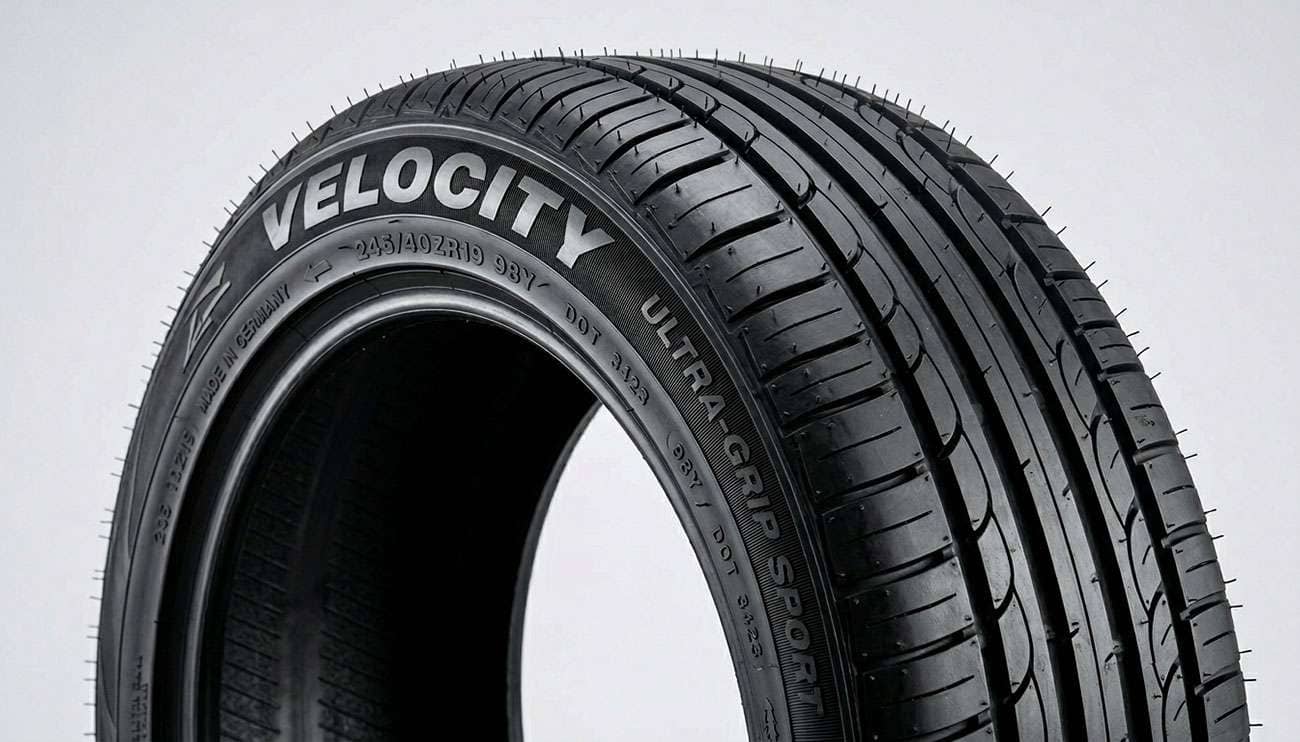
I've been around tires since before some of you were born, and there's one question I get more than almost any other when somebody picks up a fresh set. They run a hand over the new rubber, feel all those little whiskers poking out of the sidewall, and ask me the same thing: "Hank, what are these hairs for? Am I supposed to cut 'em off?"
It's a fair question. A brand-new tire looks like it grew a five o'clock shadow. So let me settle it the way I'd settle it across the counter at the shop — what those hairs are, where they come from, and the handful of things folks believe about them that just aren't true.
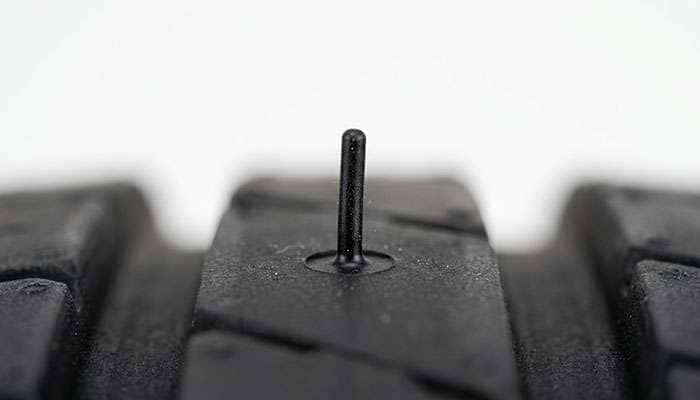
Those little rubber hairs have a real, honest-to-goodness name: vent spews. Some folks in the industry call them sprue nubs, gate marks, or nippers, and plenty of regular people just call them tire whiskers or tire hairs. All the same thing. The name "vent spew" is the one I like best, because it actually tells you what the thing is — rubber that spewed out of a vent. Hang on to that, because it's the whole answer in two words.
They're not a feature. Nobody at the tire plant sat down and decided your tire needed a coat of fuzz. They're a leftover — a byproduct of how a tire gets made. Harmless, ordinary, and on every single new tire that ever rolled out of a mold. Once you understand the manufacturing, the rest of this makes perfect sense.
Here's the short version of how a tire is born. Before it's a tire you'd recognize, it's what the industry calls a "green tire" — a raw, uncured carcass built up out of rubber and cords, with no tread pattern and none of the lettering on the sidewall yet. It's soft, sticky, and shapeless compared to the finished product. If you've ever wondered why a tire is the color it is to begin with, that's a separate story I've told over in why are tires black, but the short answer is carbon black in the compound.
That green tire goes into a big steel mold, and the magic step is heat and pressure — a process called vulcanization. That's the same chemistry Charles Goodyear stumbled onto back in the 1800s, the trick that turns soft, gummy rubber into the tough, springy stuff that'll carry a loaded truck down the interstate. If you like that kind of history, I went down the rabbit hole on it in what year did Charles Goodyear invent vulcanized rubber.
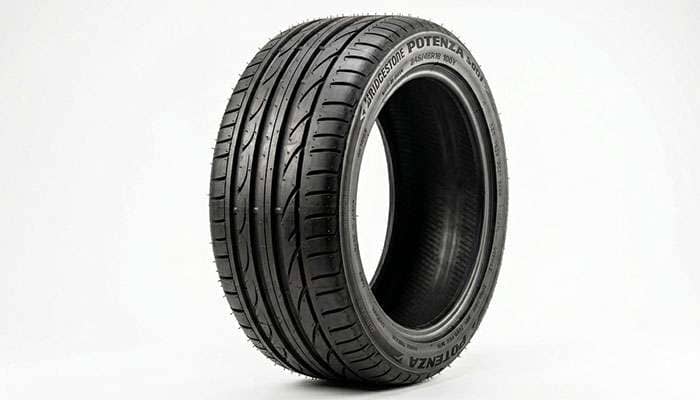
Now, when that mold clamps down and the rubber gets pressed out to fill every groove and letter, you've got a problem: trapped air. If air gets stuck between the rubber and the mold, it leaves a bubble or a low spot, and that ruins the tire. So the mold is drilled with hundreds of tiny vent holes that let that trapped air escape. As the rubber is forced into the mold, it follows the air right into those little vent holes. A thread of rubber squeezes into each one and hardens there. When the finished tire pops out of the mold, every one of those vent holes leaves behind a skinny little hair of cured rubber. Hundreds of 'em, all over the tread and sidewall. That's your vent spews. No mystery, no secret purpose — just rubber that took the same exit the air did.
Over the years I've heard every theory in the book about what these hairs do. Most of them are dead wrong, and a few of them get folks worried for no reason. Let me knock down the big ones.
"They're wear indicators." Nope. Tires do have wear indicators — those little raised bars down in the tread grooves — but the hairs aren't them. Vent spews don't tell you a thing about how much tread you've got left.
"They reduce road noise." Also no. The hairs do nothing for noise, and they're not why a tire is quiet or loud. That comes down to tread design and compound. While we're at it, they don't cause squealing or squeaking either.
"They affect traction or handling." They don't. The ones on the part of the tread that touches the road wear off in the first few miles anyway, long before they could matter. The hairs on the sidewall and shoulder hang around longer, but a sidewall doesn't grip the road, so they've got zero effect on how the tire drives.
"You can use them to spot a fake tire." I wish it were that easy. A counterfeit tire made in a mold will have vent spews just like a legitimate one, so the hairs prove nothing about whether a tire is the real deal. If you want to vet a tire, look at the markings and the date code, not the fuzz.
The Myth |
The Truth |
|---|---|
They're tread wear indicators |
No — the real wear bars sit down inside the tread grooves |
They cut down road noise |
No — noise comes from tread design and compound |
They help traction or grip |
No — the tread ones wear off in the first few miles |
Missing hairs means a fake tire |
No — counterfeits molded the same way have them too |
This is the one worth slowing down on, because it's half right and that's what makes it tricky. A lot of folks figure a tire covered in whiskers must be brand new. And it's true that the hairs are a decent sign the tire hasn't been driven much — once a tire racks up miles, the spews on the tread scrub off against the road. So fresh-looking fuzz usually means low mileage.
But low mileage and new are not the same thing, and that's where I've seen people get fooled. I've pulled motorcycle tires off bikes that sat in a barn for twenty, thirty years, and they still had a full head of vent spews because they'd barely turned a wheel. That rubber was older than the rider, hard as a hockey puck, and dangerous — but it had hairs for days. A tire can be ancient and still wear its whiskers if it spent its life parked.
So don't lean on the hairs to judge how new or safe a tire is. The honest test is the DOT date code stamped on the sidewall — that tells you the week and year the tire was actually built. I walk you through reading it in how to read DOT tire date codes, and there's a broader rundown in how to tell how old your car tires are. Trust the stamp, not the stubble.
Now we get to the question everybody really wants answered: do you have to remove them, and if you want to, how? The first part's easy. You do not have to do a thing. Vent spews are completely harmless, they wear off the tread on their own within the first handful of miles of driving, and leaving them be has no downside whatsoever. Most people never give them a second thought after the first week.
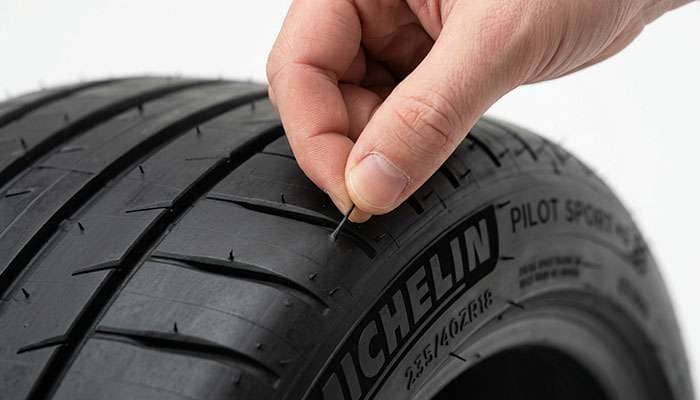
That said, I get it — some folks can't stand the look of 'em, especially the show-car crowd. I've known plenty of guys with a prized classic or a hot rod that only sees the fairgrounds who'll spend an evening going around the sidewalls plucking every last whisker for that clean, finished look. There's nothing wrong with that. If you want yours gone, here's my only real piece of advice: do it by hand. Pinch the hair between your fingers and pull, or give it a twist. Skip the scissors, the razor blade, and the pocket knife. It's awful easy to nick the sidewall rubber with a blade, and a cut sidewall is a real problem, where a stray hair is nothing at all. The hand method is slower, sure, but a lot of guys swear it's halfway relaxing.
If I've got your attention on new tires, let me steer it toward the stuff that actually deserves your worry, because it isn't the hairs. When you bring home a fresh set, here's where to put your energy.
First, ease into them. New rubber comes out of the mold with a slick residue and a tread that hasn't been scuffed in yet, so the first hundred miles or so call for a gentler hand. I lay out the why and how in how to break in new tires. Second, while you've got the tire in your hands, glance at the date code and check for any cracking — the early signs of tire dry rot are what'll actually shorten a tire's life, not a few whiskers. And while you're poking around the sidewall, you'll spot some colored dots — those mean something useful, and I explain them in what are the yellow and red dots on tires. That's the trifecta that matters: break them in right, check the age, and watch for real damage.
So there it is, straight from the counter. Those little rubber hairs on your new tires are vent spews — harmless leftovers from the rubber squeezing out of the mold's air vents during curing. They don't indicate wear, they don't quiet your ride, they don't help you grip the road, and they're not a reliable way to judge whether a tire is truly new. You can pull them off by hand if the look bugs you, or leave them and let the road sort it out. Either way, they're the least of your concerns. Put your attention on the date code, a proper break-in, and the health of the rubber — and when it's time for a fresh set, come see us for new tires and we'll make sure you drive off on something worth the money, whiskers and all.
They're called vent spews. You'll also hear them called sprue nubs, gate marks, nippers, or simply tire whiskers or tire hairs. They're strands of rubber left behind by the air-vent holes in the tire mold during manufacturing.
No. Vent spews are completely harmless and have no effect on performance. The ones on the tread wear off within the first few miles on their own. Removing the rest is purely a cosmetic choice.
Not necessarily. The hairs suggest a tire hasn't been driven much, but a tire that has sat unused for years can still have them. To know how old a tire really is, read the DOT date code on the sidewall rather than relying on the hairs.
Pinch each hair between your fingers and pull or twist it off by hand. Avoid scissors, razor blades, or knives — it's easy to nick the sidewall rubber, and a damaged sidewall is a genuine safety issue while a stray hair is not.
No. Vent spews have no impact on road noise, traction, or handling. Noise and grip come from the tread design and rubber compound, and the hairs on the tread surface wear away almost immediately once you start driving.



